English
  中文简体
中文简体 
Complying with EU standards, what safety properties of European type Extension cord are the key to purchasing?
 2025.11.21
 Industry News
Content
- Core Certifications Are a Must: Which Marks Serve as EU Compliance "Safety Passes"?
- Voltage and Current Specifications: Which Parameters Adapt to the EU Power Environment?
- Protective Design Holds Secrets: Which Structures Defend Against Electrical Risks?
- Environmental Adaptability Matters: Which Features Suit Different Usage Scenarios?
- Compliance Details Should Not Be Overlooked: Which Hidden Requirements Affect Usage Safety?
Core Certifications Are a Must: Which Marks Serve as EU Compliance "Safety Passes"?
When purchasing extension cords that meet EU standards, certification marks are the primary safety threshold to screen for. The CE mark, as a mandatory conformity label for the EU market, is a core proof that the product complies with health, safety, and environmental regulations—like a "passport" for products entering the European Economic Area. In addition to CE certification, certifications from authoritative European bodies such as VDE, KEMA, and CEBEC also indicate that the product has passed rigorous safety tests, covering electrical performance, material quality, and other aspects. Notably, compliant products must also meet the requirements of the RoHS Directive, which restricts the use of hazardous substances such as lead and mercury, safeguarding both user health and environmental standards. These certification marks are not mere formalities; they directly reflect the product’s compliance with the EU’s Low Voltage Directive (2014/35/EU) and General Product Safety Directive (2001/95/EC), serving as the fundamental prerequisite for safe purchasing.
Voltage and Current Specifications: Which Parameters Adapt to the EU Power Environment?
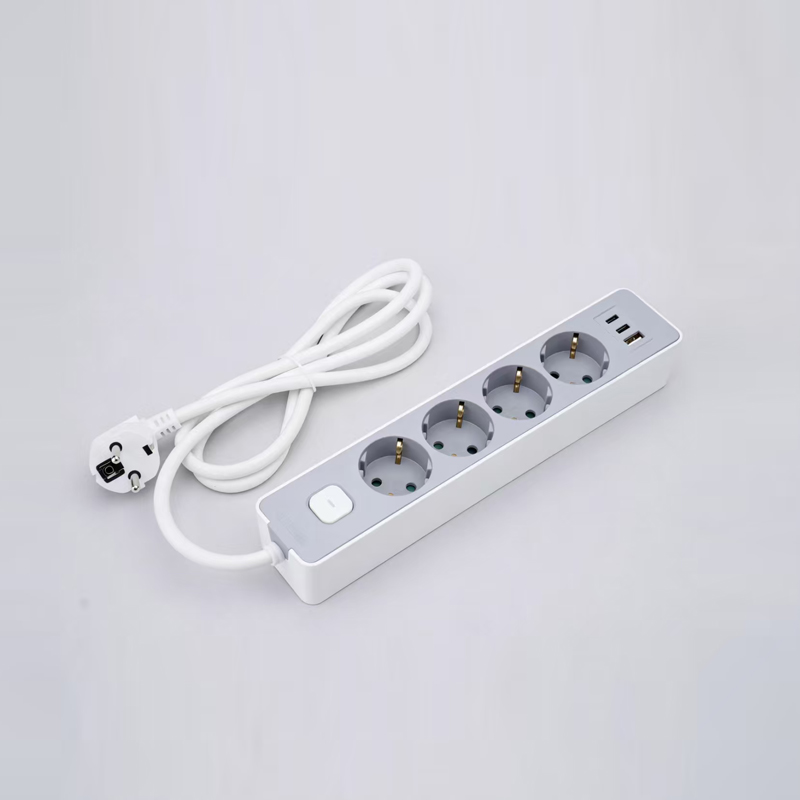
The EU’s unified electrical standards impose clear requirements on the voltage and current parameters of extension cords, which are crucial for ensuring safe use. According to the EU Low Voltage Directive, household extension cords must be compatible with the standard 230V voltage and 50Hz frequency, with rated currents typically ranging from 10A to 16A—these need to match the usage scenario. For example, 10A specifications are suitable for ordinary household appliances, while high-power devices require extension cords with a 16A rated current. Meanwhile, the design of extension cords must comply with core standards such as EN 60884, which sets detailed technical requirements for socket-type products with AC voltages between 50V and 440V and rated currents up to 32A, ensuring protection against electric shock, overheating, and other risks under normal and fault conditions. If purchasing extension cords with USB ports or intelligent control functions, they must additionally meet the safety specifications for emerging electrical features outlined in EN 62368, avoiding safety hazards caused by mismatched parameters.
Protective Design Holds Secrets: Which Structures Defend Against Electrical Risks?
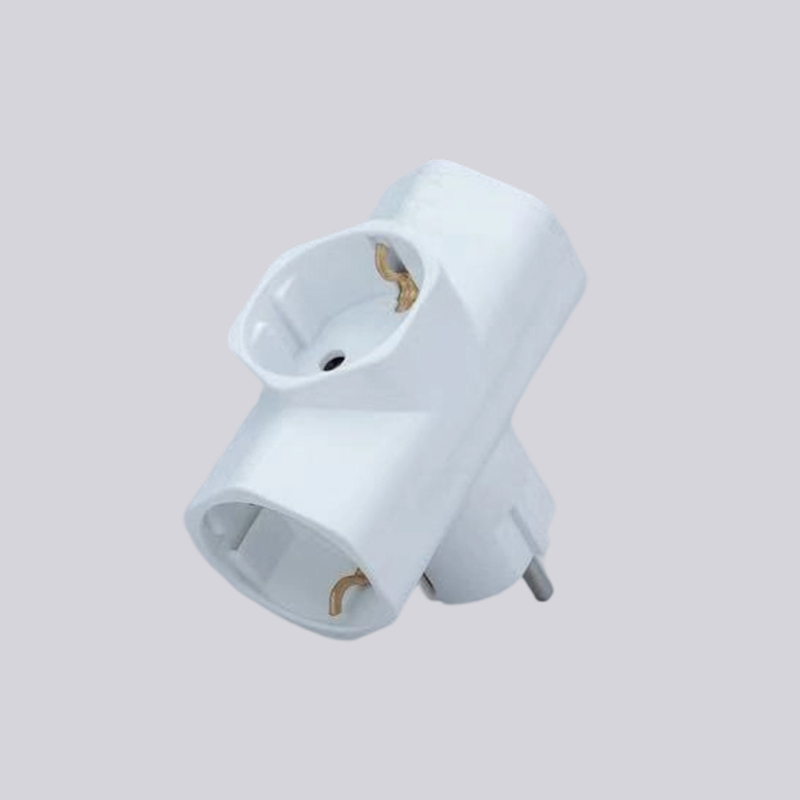
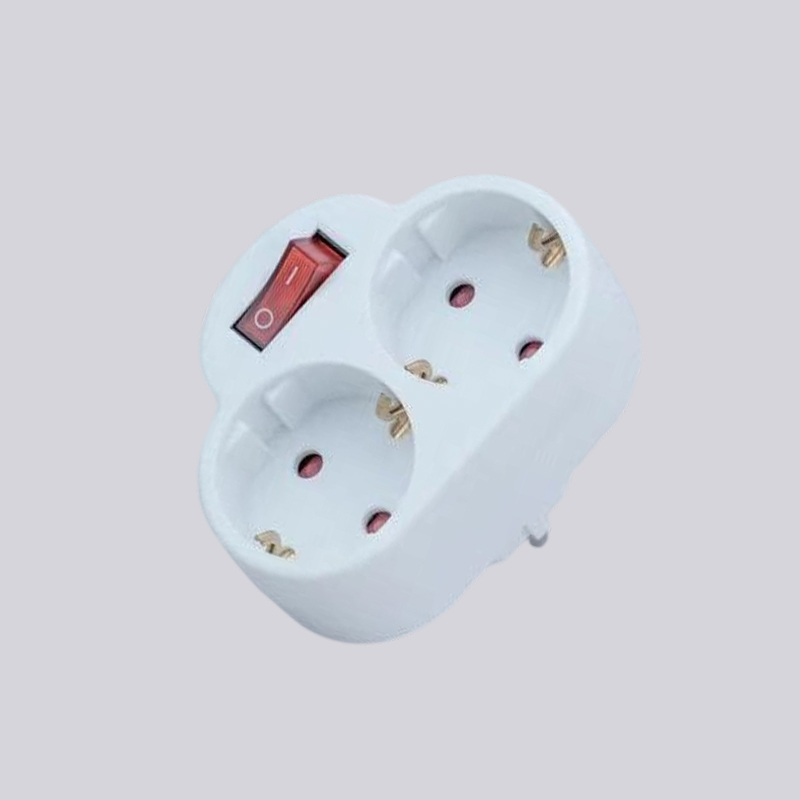
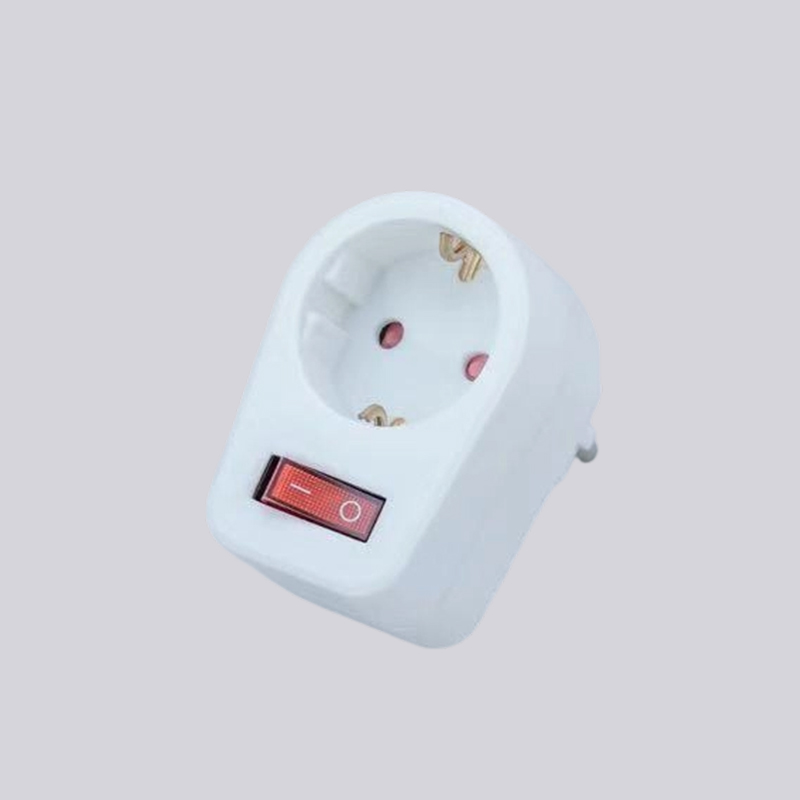
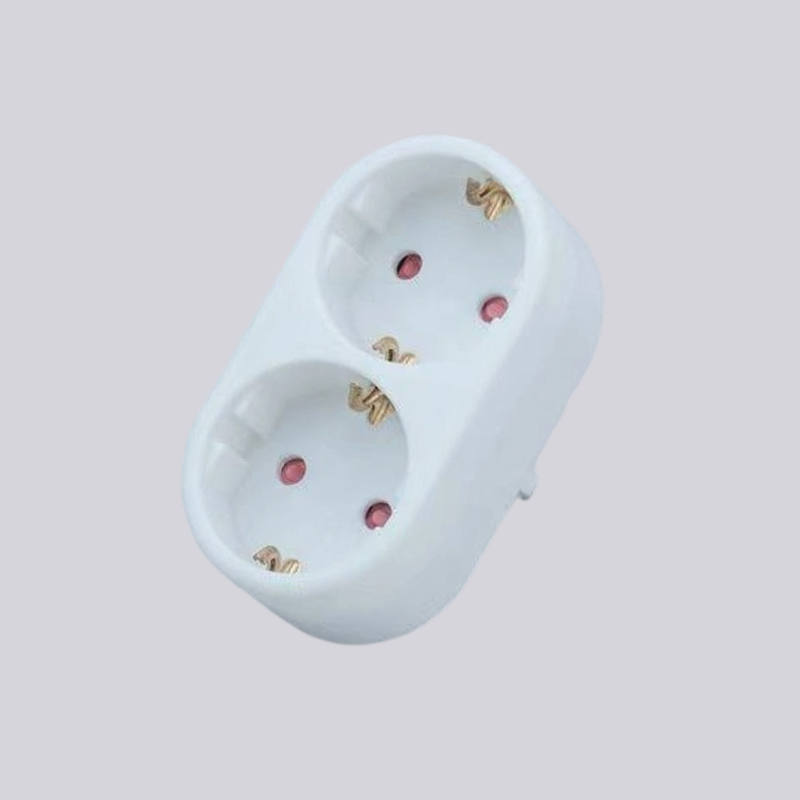
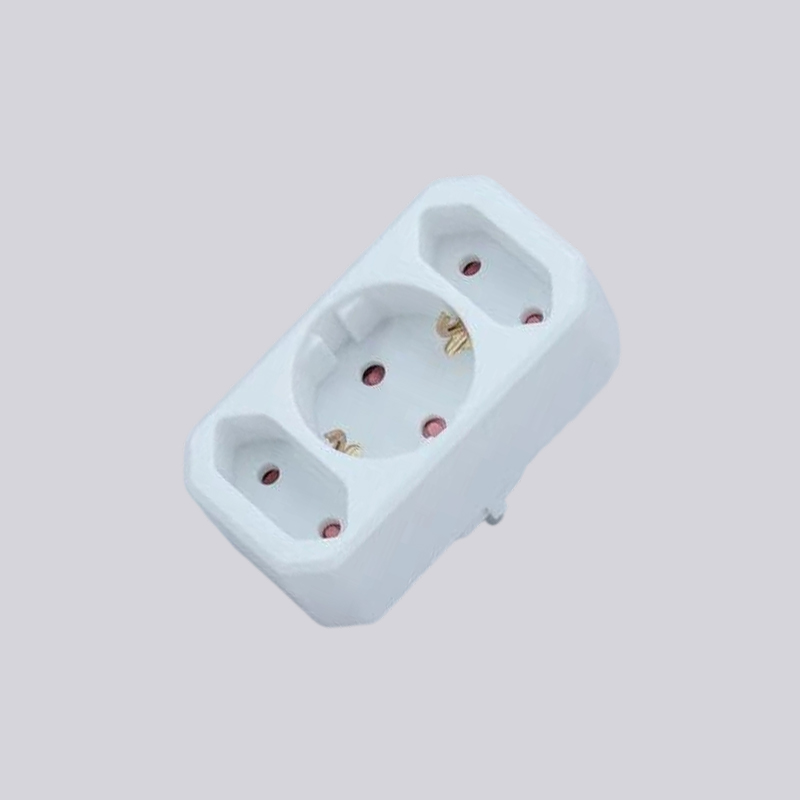
The physical protective design of extension cords is directly related to safety during use, and multiple EU standards have established detailed regulations in this regard. In terms of plug design, the mainstream EU Type F (Schuko) plug adopts a 2P+E (two-pole + earth) structure, with a longer earthing pin to ensure the earth connection is established first and disconnected last during insertion and removal. It is also equipped with safety shutters to prevent accidental contact with live contacts. Insulation performance is equally critical: the conductors of compliant products must be wrapped in multiple layers of PVC or TPE insulation, and the outer sheath should be wear-resistant, moisture-proof, and chemical corrosion-resistant, preventing insulation damage and electric leakage even in outdoor or complex environments. Furthermore, overload protection devices are indispensable—built-in fuses or GFCI (Ground Fault Circuit Interrupters) can quickly cut off the circuit when current exceeds the limit, with trip sensitivities of 10mA or 30mA effectively preventing short circuits, fires, and other dangers, making them particularly suitable for home and office use.
Environmental Adaptability Matters: Which Features Suit Different Usage Scenarios?
Different usage environments have differentiated requirements for the safety performance of extension cords, and EU standards clearly distinguish these through protection class certifications. Extension cords for indoor use typically need to reach an IP20 protection rating, which prevents the intrusion of solid foreign objects and accidental human contact. For outdoor or humid environments, products with an IP44 or higher protection rating should be selected—their rubber sheaths (such as H07RN-F material) and sealed design can resist rainwater and dust erosion. At the same time, the mechanical strength of extension cords must meet the impact test requirements of EN 60335-1, with no sharp edges on the shell, enabling them to withstand the repeated force of plug insertion and removal and avoiding cracks that expose internal circuits. For scenarios requiring frequent movement, a flexible, bend-resistant cable design not only improves convenience but also reduces the safety risk of line breakage—these features are formulated based on the EU’s safety considerations for different usage scenarios.
Compliance Details Should Not Be Overlooked: Which Hidden Requirements Affect Usage Safety?
In addition to visible designs and certifications, several hidden compliance requirements are also important bases for safe purchasing. Electromagnetic Compatibility (EMC) is a key factor: extension cords must comply with the EU EMC Directive, ensuring that their electromagnetic radiation during operation does not interfere with other electronic devices, while also possessing anti-interference capabilities to avoid malfunctions caused by voltage fluctuations. The reliability of the earthing system cannot be ignored either—compliant products must meet EU standards for earthing resistance, ensuring that fault currents can be safely conducted to the ground and reducing the risk of electric shock. Furthermore, the production process of products must comply with the quality control requirements of CE certification. For example, the injection-molded connection between the cable and plug should be firm and free of looseness, preventing poor contact, overheating, and other issues after long-term use. Although these details are not easily noticeable, they directly determine the safe service life of extension cords and are key focuses of EU market supervision.


If you are interested in our products, please consult us
- CONTACT DETAILS
- Address : Guanhaiwei East Industrial Zone,Cixi, Ningbo,315314 Zhejiang, P.R.China.
- TEL: helen:+86-15867389889 Young:+86-15958216886 +86-0574-63666678
- Email:[email protected] [email protected]
- Fax:86-0574-63668558
- PRODUCTS
- Power Strip
- Extension Cord
- Cable Reel
- Adapter
- Plug
- QUICK LINK
- Company Profile
- company culture
- Plant equipment
- FAQ
- NEWS CENTER
- Company News
- Industry News
- MOBILE TERMINAL
-