English
  中文简体
中文简体 
What Safe French Type Extension Cord Fits European Outlets?
 2025.11.28
 Industry News
Content
- What European Outlet Standards Must French Type Extension Cords Comply With?
- What Core Safety Features Ensure Reliable Use of French Type Extension Cords?
- How Does Structural Design Enhance Safety and Compatibility?
- What Usage Scenarios and Environments Demand Specific Safety Adaptations?
- What Compliance Certifications and Testing Standards Validate Safety?
What European Outlet Standards Must French Type Extension Cords Comply With?
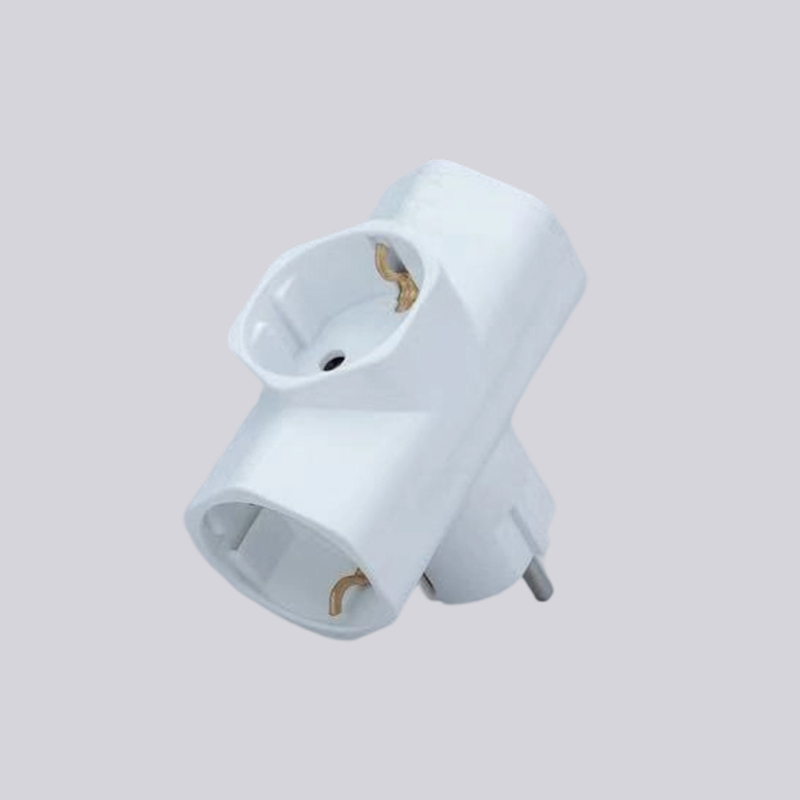
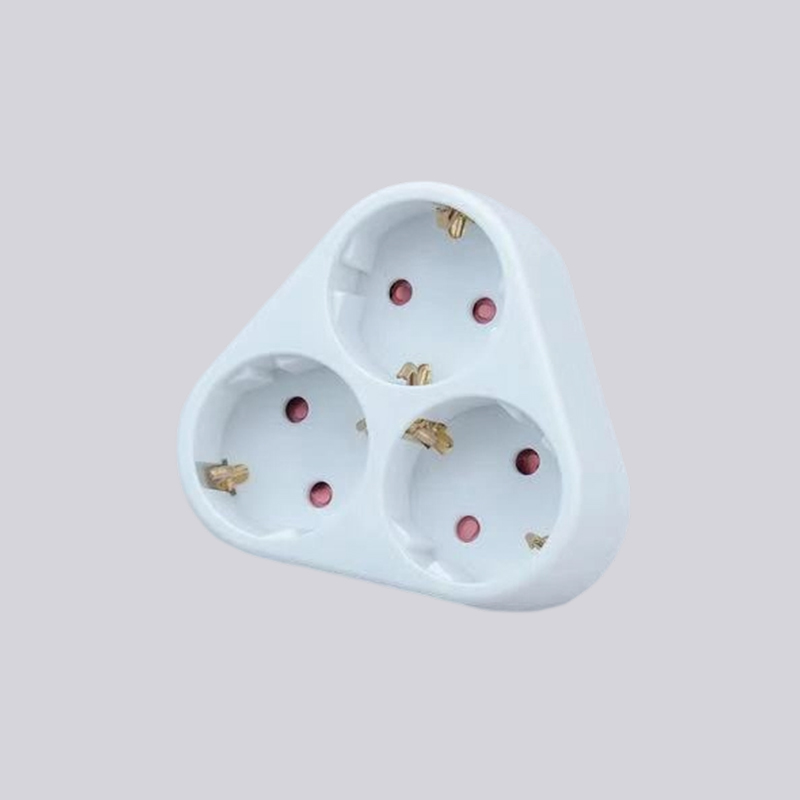
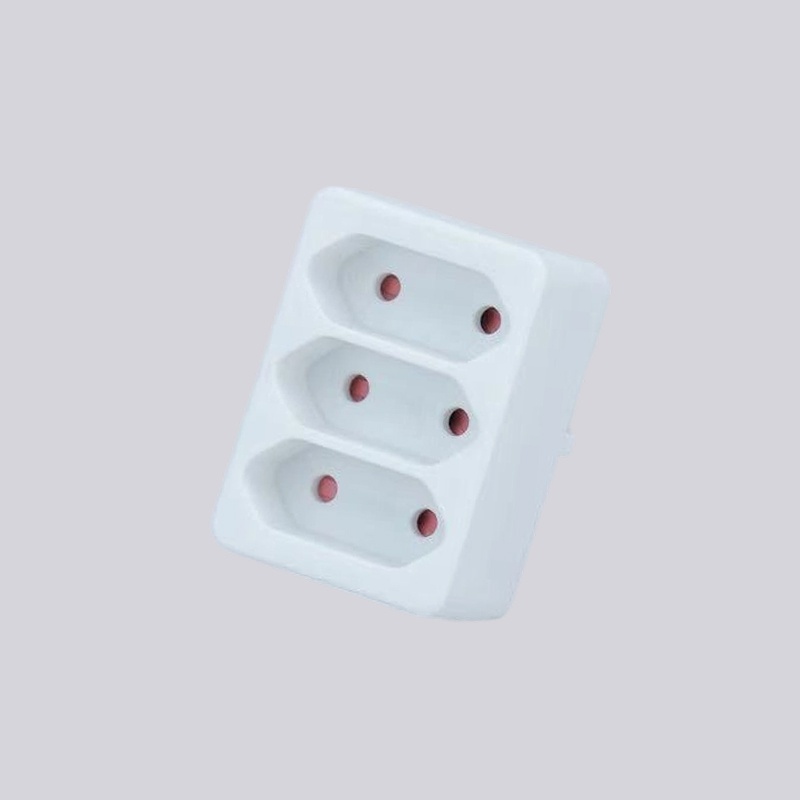
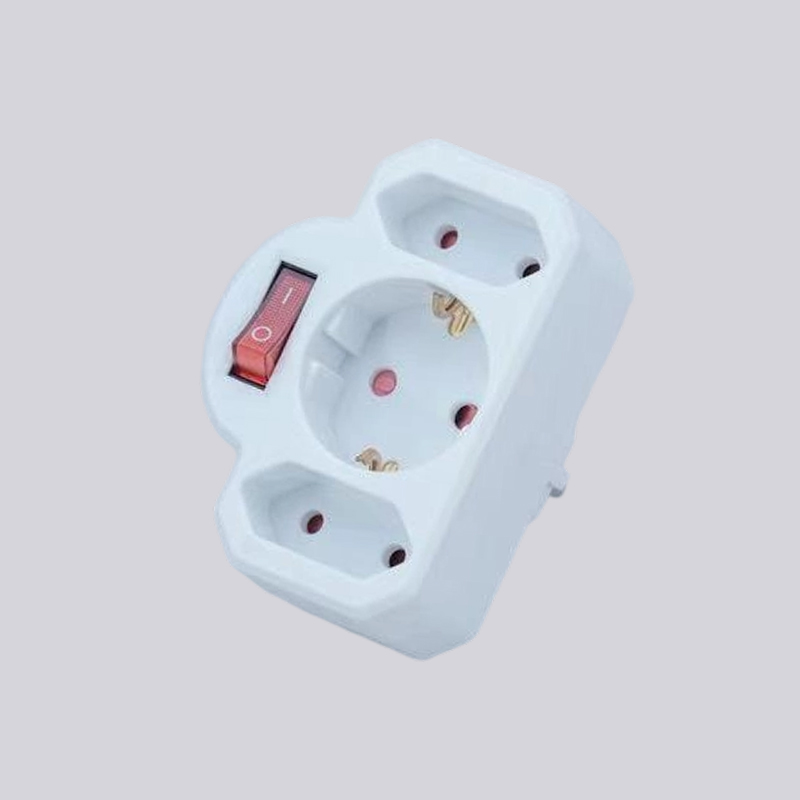
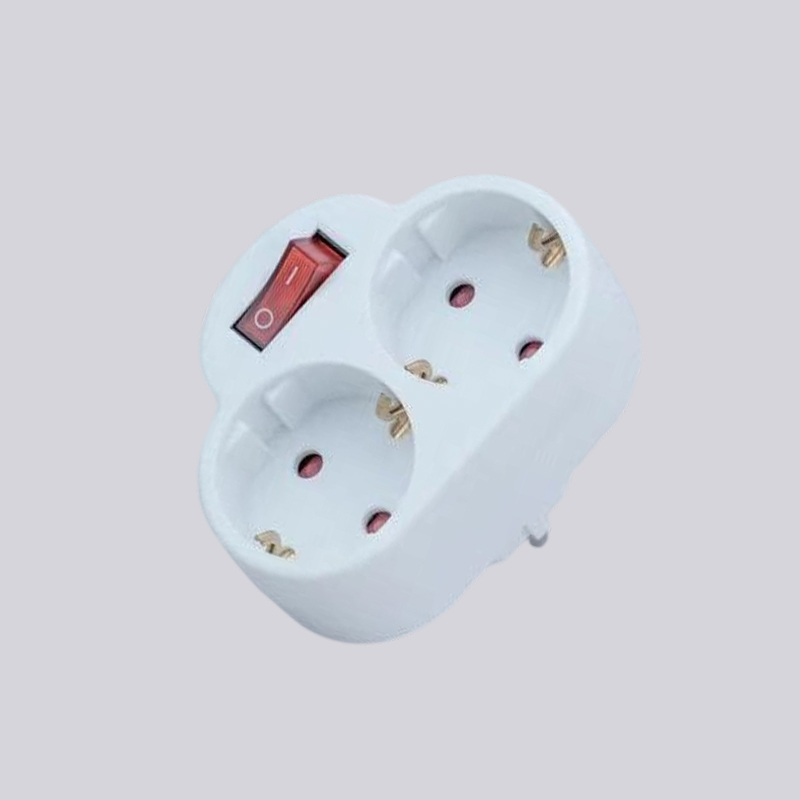
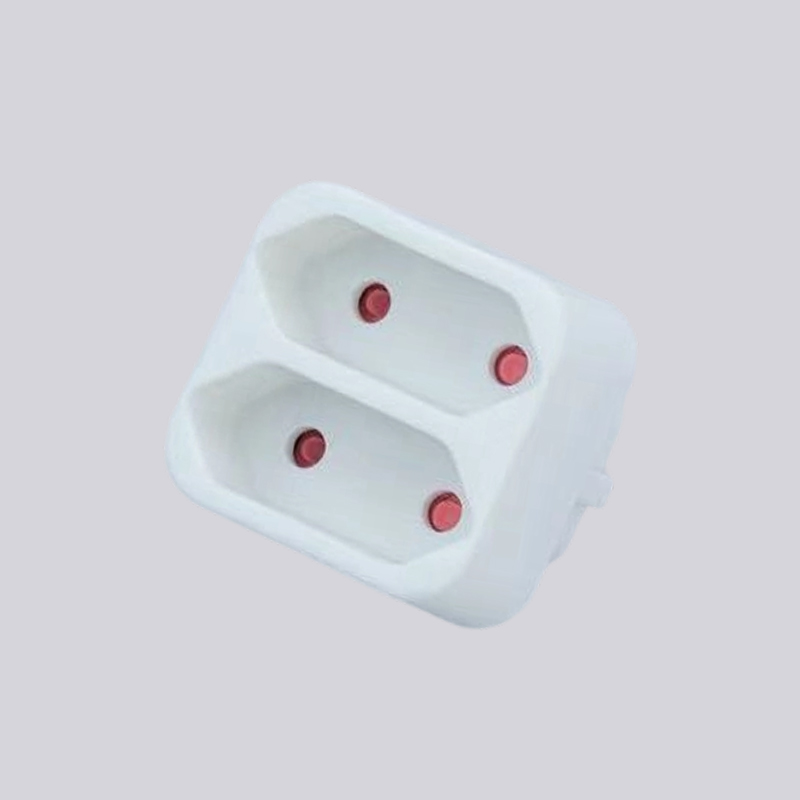
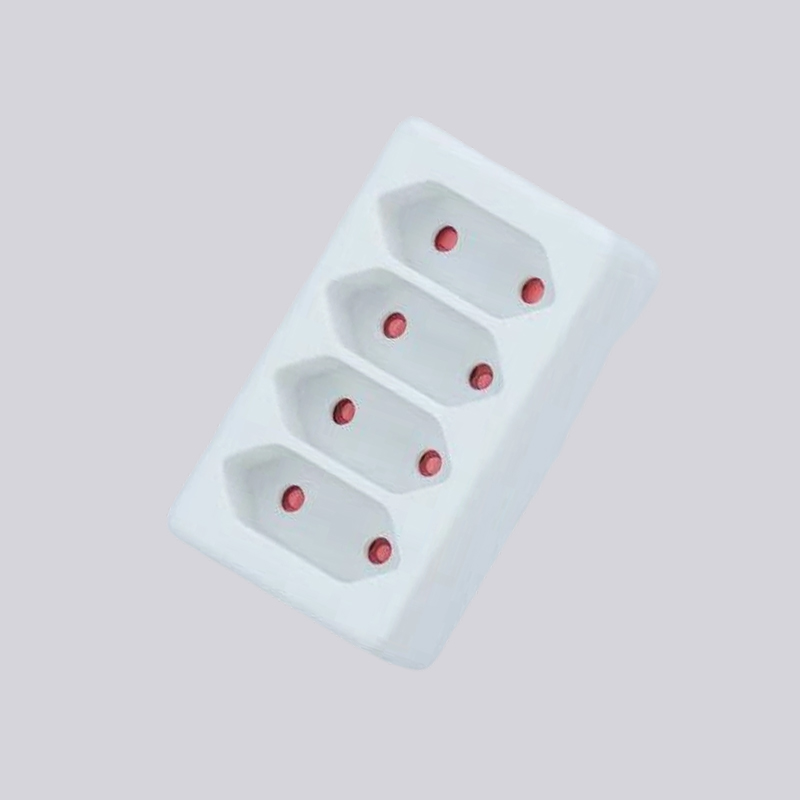
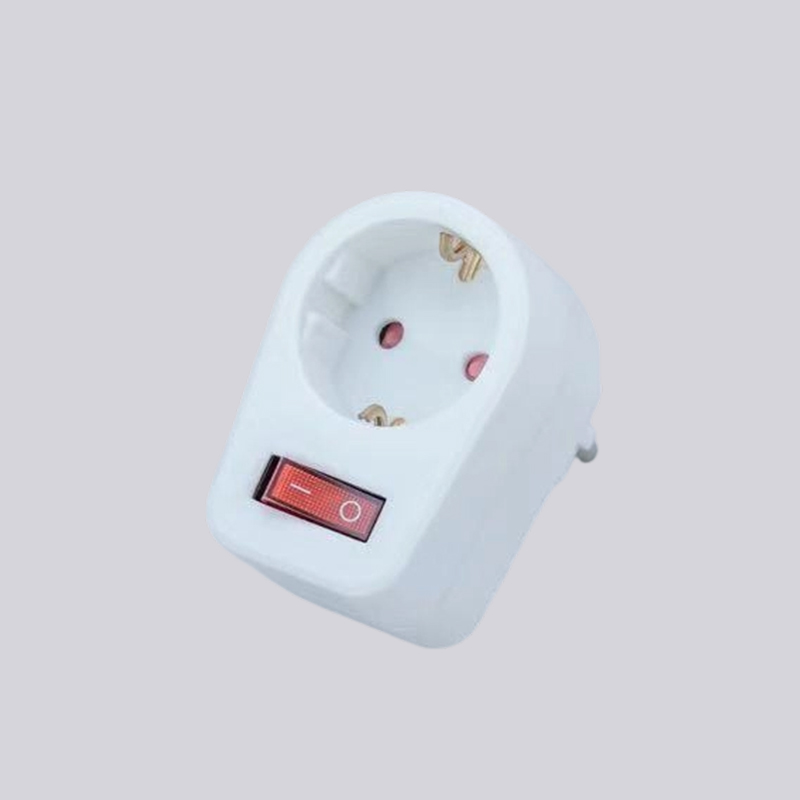
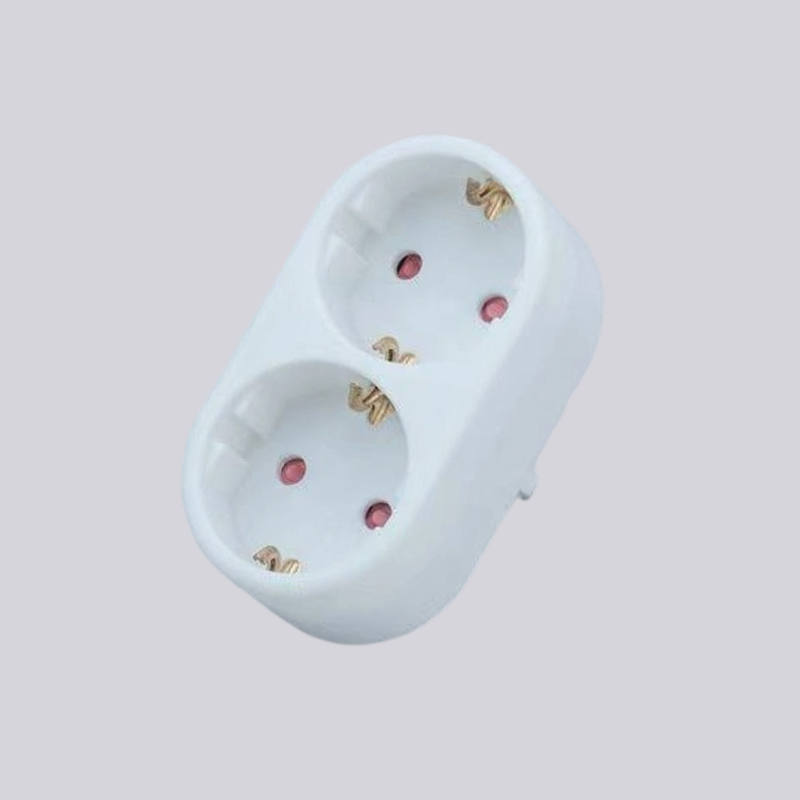
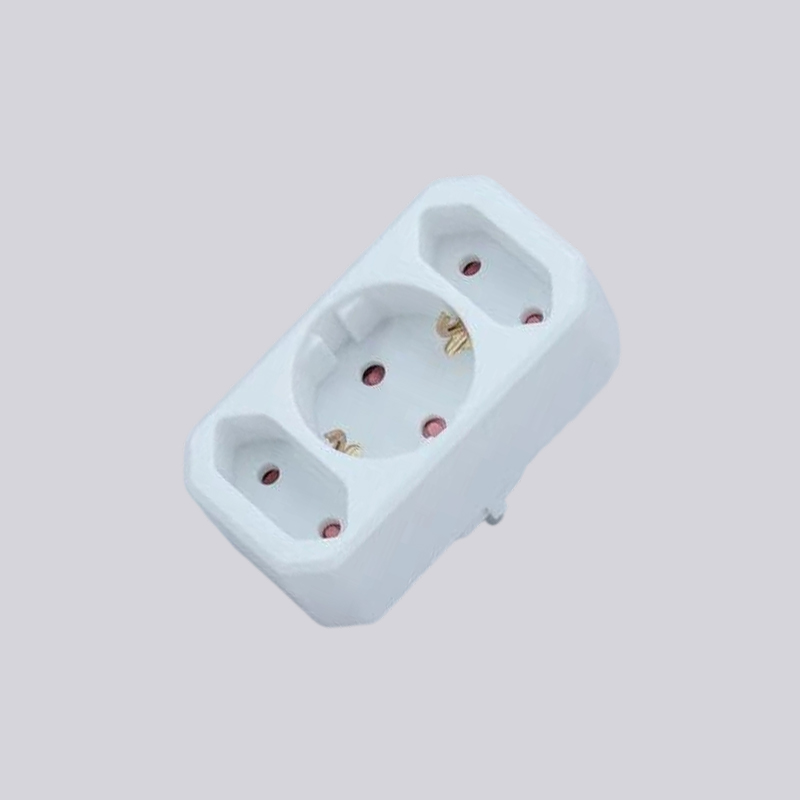
Safe French type extension cords for European use must align with regional socket and electrical standards to ensure compatibility and safety. The primary standard is IEC 60320, which defines connector types—French type extension cords typically feature Type E/F plugs (Schuko) or Type C (Europlug) adapters, compatible with the two-pole, round-pin outlets (4.8 mm diameter) widely used across Europe. Voltage and current ratings are critical: European electrical systems operate at 230V AC, so extension cords must support 230-250V to accommodate voltage fluctuations, with current ratings of 10A or 16A (matching common household circuit capacities). Additionally, compliance with EN 60884 (European standard for plugs and socket-outlets) ensures dimensional accuracy—plug pin spacing, insulation thickness, and contact pressure meet strict tolerances to prevent loose connections or electrical arcing.
What Core Safety Features Ensure Reliable Use of French Type Extension Cords?
The safety of French type extension cords relies on key design features that mitigate electrical hazards. Overload protection is essential: integrated circuit breakers or thermal fuses cut power when current exceeds the rated capacity (e.g., 16A), preventing overheating and fire risks. High-quality insulation materials (PVC or rubber with thickness ≥1.5 mm) resist wear, moisture, and temperature extremes (-20°C to 70°C), avoiding insulation breakdown that can cause short circuits. Copper conductors (1.5 mm² for 10A cords, 2.5 mm² for 16A cords) ensure low resistance and efficient power transmission, reducing heat buildup. Additionally, child safety shutters on female sockets block access to live contacts, preventing accidental insertion of foreign objects—a mandatory feature for European-compliant extension cords.
How Does Structural Design Enhance Safety and Compatibility?
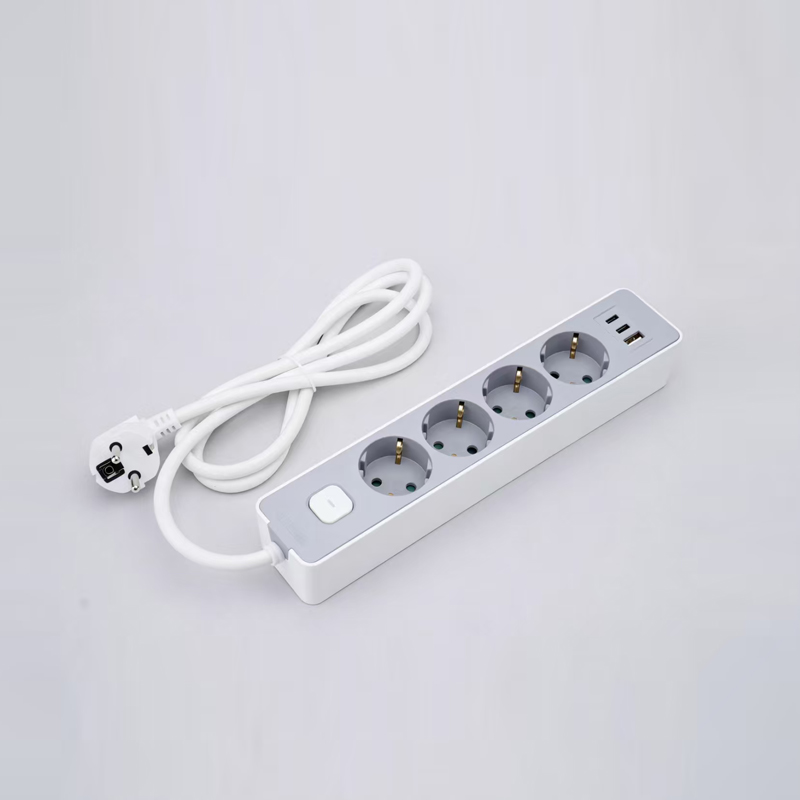
Structural optimization of French type extension cords balances safety, compatibility, and usability for European outlets. The plug design features robust pin construction with nickel plating to prevent corrosion and ensure secure contact with outlet terminals, reducing voltage drop and arcing. The cord’s strain relief (reinforced junction between plug/socket and cable) withstands repeated bending (≥10,000 cycles) without damaging internal wires—critical for preventing short circuits from wire breakage. Socket housings are made of flame-retardant materials (UL94 V0 rating) that resist ignition and self-extinguish if exposed to fire. For multi-socket extension cords, spaced outlets (≥5 cm apart) prevent overcrowding and overheating when multiple devices are connected, while a durable outer jacket (oil-resistant and abrasion-proof) protects the cord in both indoor and protected outdoor environments.
What Usage Scenarios and Environments Demand Specific Safety Adaptations?
Safe French type extension cords must be tailored to European usage scenarios and environmental conditions. For indoor home use (e.g., powering small appliances), lightweight PVC cords with 1-3 sockets and 10A rating offer flexibility and safety, with lengths (1-5 meters) balancing reach and portability. For outdoor use (e.g., garden tools), weatherproof cords with IP44 or higher ingress protection resist rain, dust, and UV radiation, featuring rubber jackets for flexibility in cold temperatures. Industrial or high-power applications (e.g., power tools, heating equipment) require 16A cords with thicker conductors and heavy-duty insulation to handle higher currents without overheating. For travel or multi-device use, compact extension cords with universal socket adapters (compatible with Type E/F, C, and other European types) provide versatility while maintaining safety standards, with built-in surge protection (≤6 kV) to shield sensitive electronics from voltage spikes.
What Compliance Certifications and Testing Standards Validate Safety?
French type extension cords for European outlets must meet rigorous certification and testing standards to ensure safety. The CE mark is mandatory, indicating compliance with European Union directives (2014/35/EU for low-voltage equipment). Additional certifications such as VDE (Germany), NF (France), or KEMA (Netherlands) verify adherence to regional safety requirements, including dielectric strength testing (withstanding 2.5 kV for 1 minute) and temperature rise testing (max 45°C above ambient during operation). Current leakage testing ensures leakage currents ≤3.5 mA for Class I cords (with earth connection) to prevent electric shock. Mechanical durability testing involves 5,000+ insertion/extraction cycles to ensure plug/socket integrity, while flame retardancy testing confirms the cord does not spread fire beyond the source. Regular third-party audits and traceability of materials further validate that extension cords maintain safety performance throughout their lifecycle.


If you are interested in our products, please consult us
- CONTACT DETAILS
- Address : Guanhaiwei East Industrial Zone,Cixi, Ningbo,315314 Zhejiang, P.R.China.
- TEL: helen:+86-15867389889 Young:+86-15958216886 +86-0574-63666678
- Email:[email protected] [email protected]
- Fax:86-0574-63668558
- PRODUCTS
- Power Strip
- Extension Cord
- Cable Reel
- Adapter
- Plug
- QUICK LINK
- Company Profile
- company culture
- Plant equipment
- FAQ
- NEWS CENTER
- Company News
- Industry News
- MOBILE TERMINAL
-