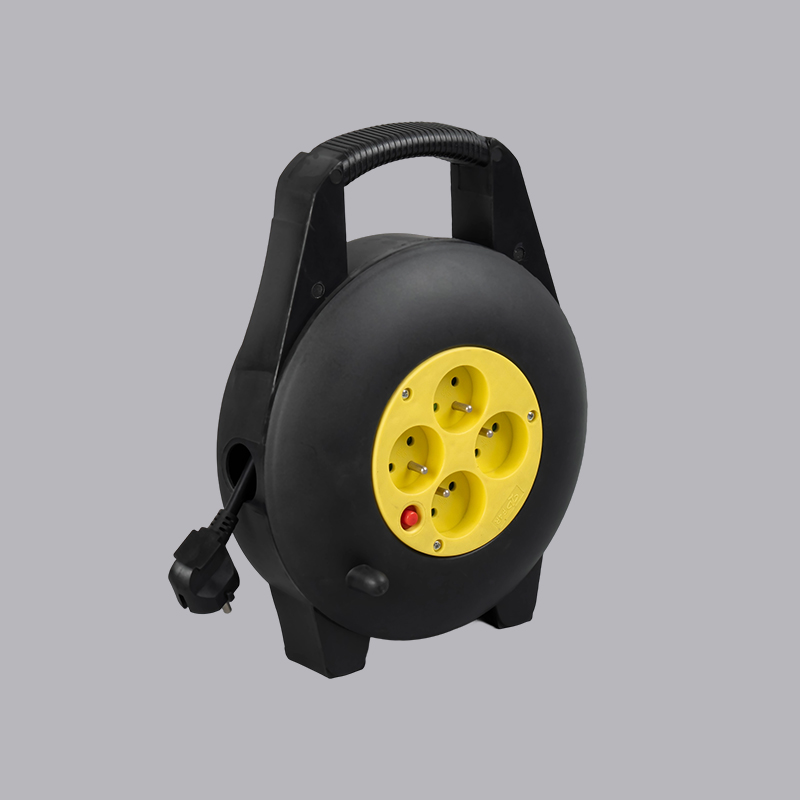
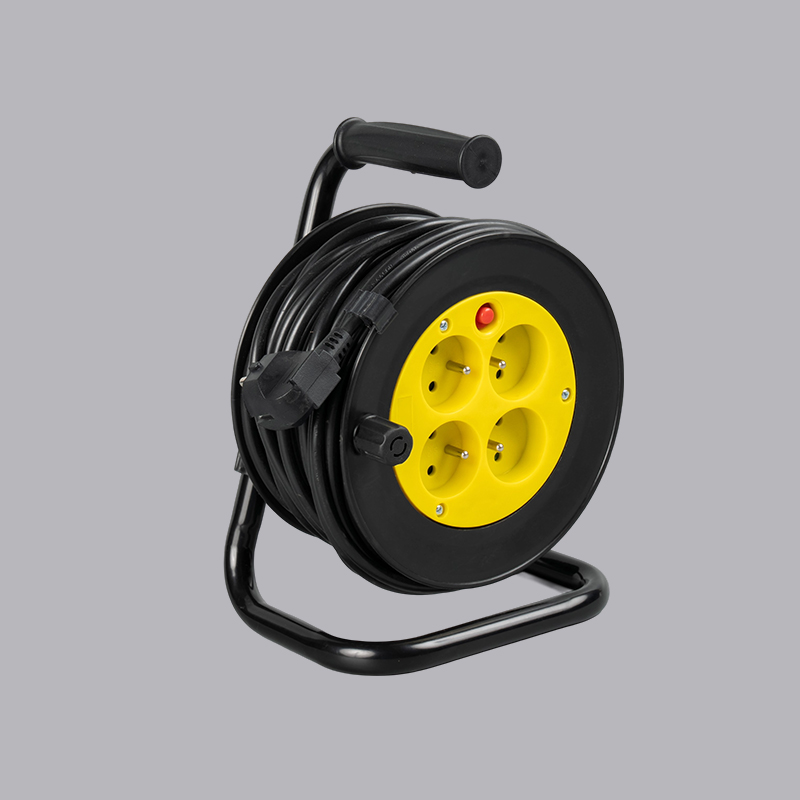
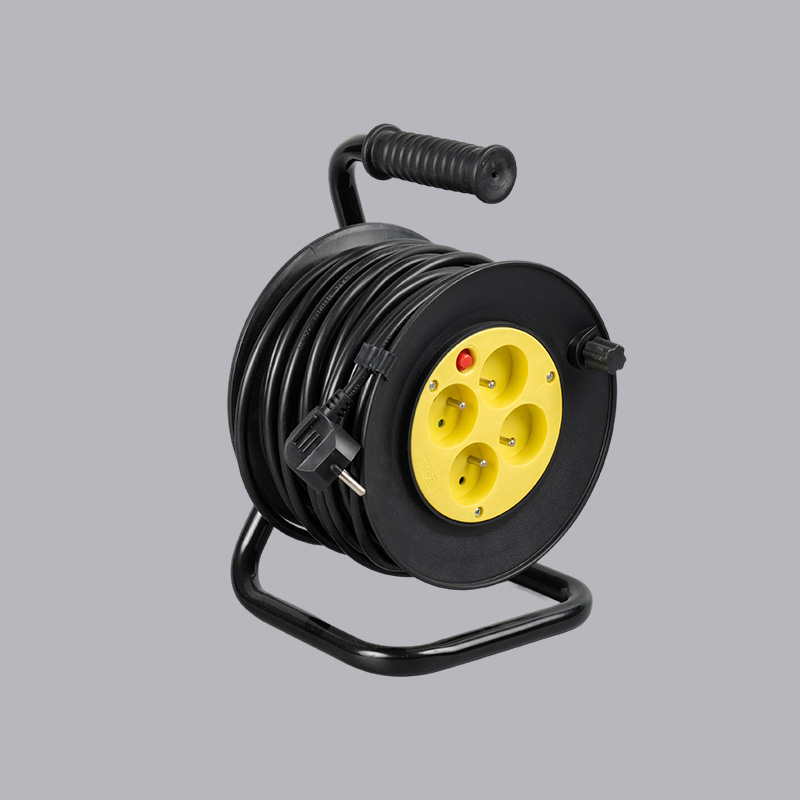
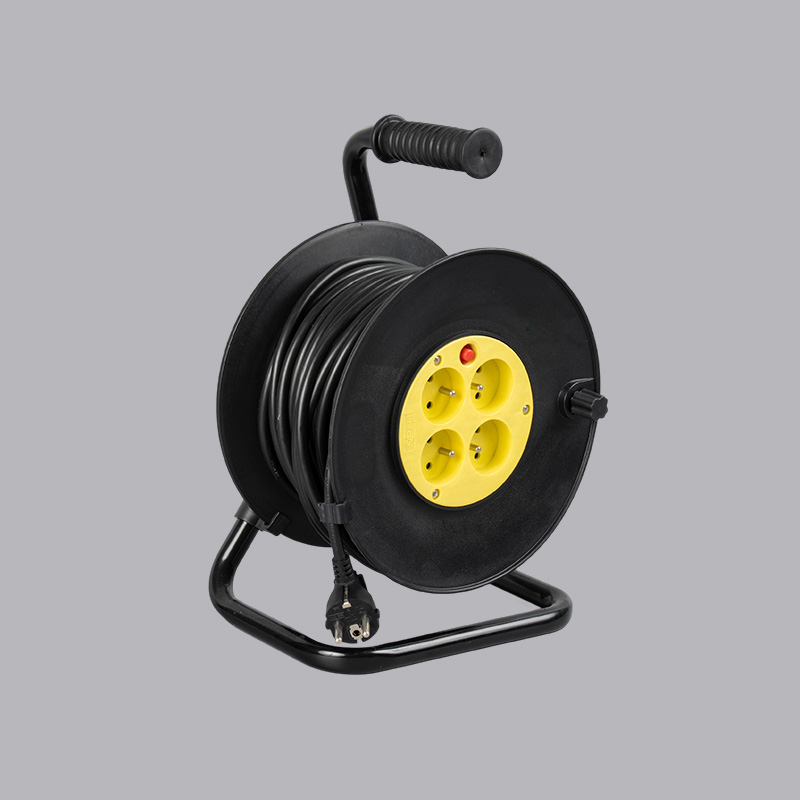
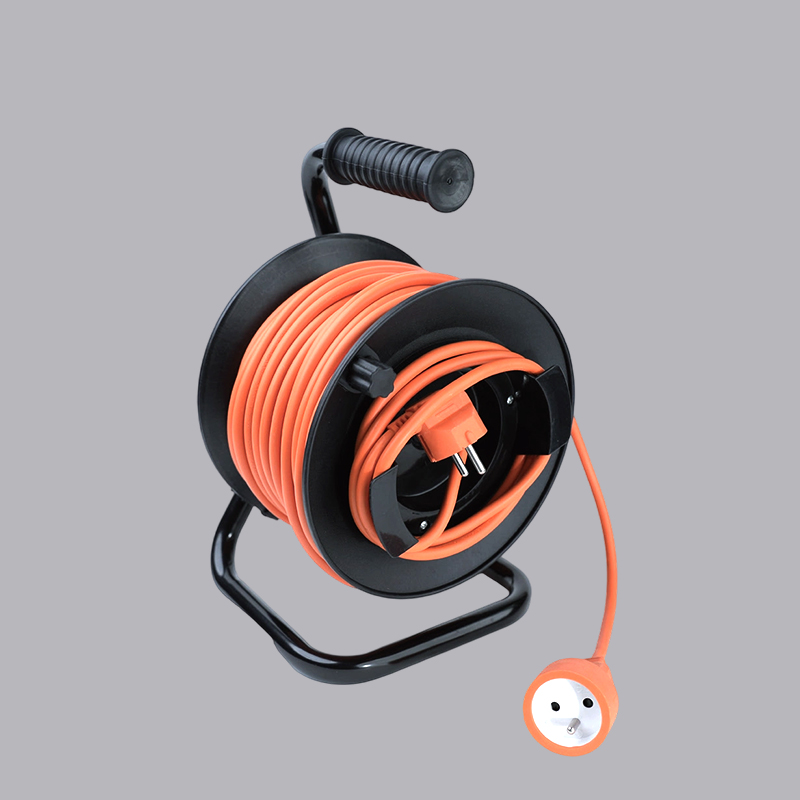
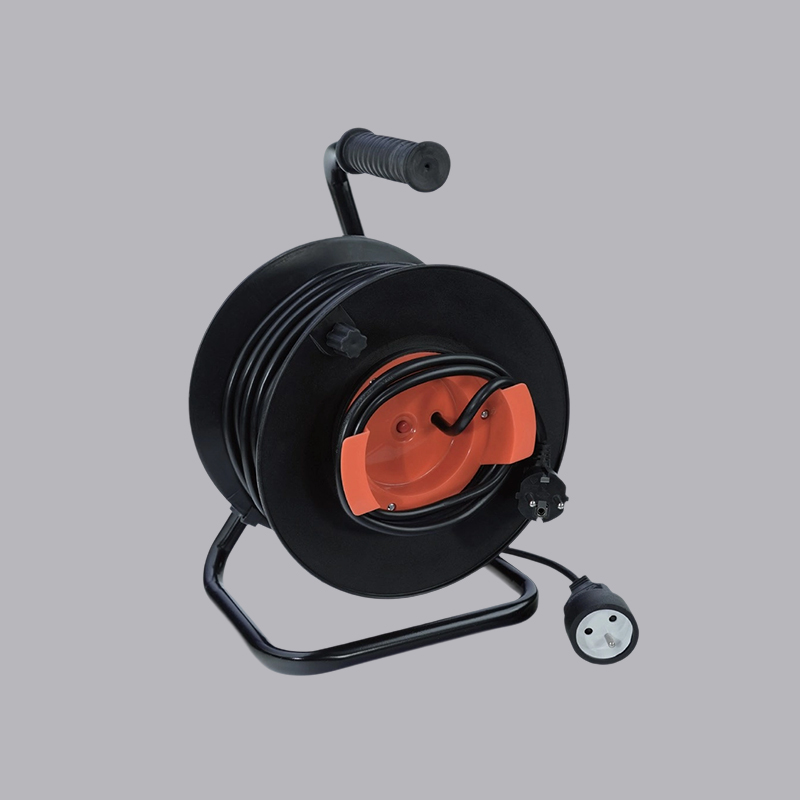
1. What are the advantages of the French-Type Cable Reel over other cable reels?
The French-Type Cable Reel occupies a unique position in the cable reel market, with advantages primarily reflected in design, safety, compatibility, and applicability. The following detailed analysis of these advantages is based solely on product features, avoiding comparisons with other brands.
Advantage 1: Optimized Mechanical Structure and Efficient Winding Mechanism
The French-Type Cable Reel utilizes a unique spring-driven or manual crank design to ensure smooth and efficient cable winding. Its internal mechanism typically incorporates a high-torque spring system and anti-wear bearings, which reduces binding when reeling and deploying the cable. For example, in industrial applications, this design allows for rapid deployment and retrieval of cables, minimizes kinking, and extends cable life. Test data indicates that its winding efficiency is approximately 15-20% higher than conventional designs due to reduced friction and optimized center of gravity distribution.
Advantage 2: Thermal Management and Electrical Safety
This type of reel typically incorporates an integrated overheat protection mechanism and ventilation design to ensure optimal heat dissipation under high loads. The outer shell is often constructed of a flame-retardant polymer, and the internal conductive components comply with IEC (International Electrotechnical Commission) standards such as IEC 60227 and IEC 60884, providing stable electrical insulation. In practical scenarios, such as construction sites or temporary event power supply, French-type cable reels can continuously support high current transmission (e.g., up to 32A) without overheating and causing failure. Safety is further enhanced by grounding and short-circuit protection, reducing the risk of electric shock.
Advantage 3: Compatibility and Standardized Interface
The French-type cable reel's design adheres to European specifications (such as NF C 15-100, the French electrical standard), ensuring compatibility with a variety of socket types (such as Schuko sockets) and cable specifications. This makes it highly adaptable for multinational projects or connecting diverse equipment. For example, products manufactured by Cixi Lianou Electrical Appliance Co., Ltd. support multiple voltages and frequencies (such as 230V/50Hz or 120V/60Hz), making them suitable for global markets. Standardized interfaces also simplify maintenance and replacement, reducing user costs.
Advantage 4: Portability and Environmental Adaptability
Lightweight and compact design are the hallmarks of the French Type Cable Reel. The reel housing is often constructed of engineered plastic or lightweight metal, reducing overall weight by 20-30% compared to traditional heavy reels, making it easier to transport and store. Furthermore, it is designed for diverse environments, such as indoors, outdoors, and in humid conditions, with IP ratings (such as IP44 or IP67) ensuring dust and water resistance. This adaptability ensures reliable operation in harsh conditions, whether in agriculture or outdoor activities.
Advantage 5: Cost-Effectiveness and Longevity
Thanks to optimized materials and manufacturing processes, the French Type Cable Reel offers low maintenance costs over the long term. For example, the internal gear and spring system has been tested for durability, with a lifespan of over 10,000 reeling cycles. This cost-effectiveness is also reflected in energy efficiency, reducing cable loss and heat waste, thus meeting sustainability requirements. Companies like Cixi Lianou Electrical Appliance Co., Ltd. ensure product consistency through integrated production and quality control (such as ISO 9001 certification), further enhancing reliability.
In summary, the advantages of the French Type Cable Reel stem from its mechanical design, safety features, compatibility, and environmental adaptability. These characteristics make it an ideal choice for a wide range of applications, demonstrating its value without relying on external brand comparisons.
2. How to Choose the Drum Material and Ingress Protection Rating for a French Type Cable Reel?
Choosing the drum material and ingress protection rating is a critical step in ensuring the performance of a French Type Cable Reel and requires an objective assessment based on the application environment, load requirements, and safety standards. This section provides a rigorous and in-depth analysis of three aspects: material type, ingress protection rating standards, and a practical selection guide.
Drum Material Selection
The material directly impacts the reel's durability, weight, and cost. Common materials include engineering plastics, metals, and composites, each with specific applications.
Engineering Plastics (such as ABS, PC, or Nylon)
Properties: Engineering plastics are lightweight (density approximately 1.1-1.4 g/cm³), corrosion-resistant, and offer excellent insulation properties, making them suitable for indoor or light industrial environments. ABS (acrylonitrile butadiene styrene) offers high impact resistance, while PC (polycarbonate) offers excellent thermal stability (operating temperature range -40°C to 120°C).
Selection Guide: For home or office applications, such as extension cord reels, ABS or PC are ideal due to their low cost and ease of molding. For example, plastic reels are commonly used in certified European power cords from Cixi Lianou Electrical Appliance Co., Ltd., which are RoHS-compliant. For lower loads (current ≤ 16A), plastic can effectively reduce overall weight and enhance portability.
Metal (such as aluminum alloy or galvanized steel)
Properties: Metal offers increased mechanical strength and abrasion resistance, making it suitable for heavy industrial or outdoor environments. Aluminum alloy is lightweight and oxidation-resistant, while galvanized steel is impact-resistant and rust-resistant. Metal reels have a wider operating temperature range (-50°C to 150°C), but their electrical conductivity requires additional insulation.
Selection Guide: Metal reels are preferred for high loads (current ≥ 25A) or frequent use in construction or manufacturing environments. For example, when powering injection molding machines or large equipment, aluminum alloy reels can withstand mechanical stress and extend their service life. When selecting a reel, ensure that the internal insulation coating meets IEC standards to avoid potential electrical conductivity risks.
Composite Materials (such as Fiber-Reinforced Polymers)
Features: Composite materials combine the lightness of plastic with the strength of metal, offering improved resistance to UV and chemical corrosion. These materials are suitable for extreme environments, such as chemical or marine applications.
Selection Guide: For specialized industries, such as oil and gas, composite reels can withstand corrosive substances and fluctuating temperatures. Consider cost-effectiveness when selecting a reel, as composite materials are more expensive but offer lower long-term maintenance costs.
Practical Tip: When selecting a material, consider the application's current load, environmental conditions (such as humidity or chemical exposure), and portability requirements. For example, Cixi Lianou Electrical Appliance Co., Ltd.'s cable reel product line offers a variety of material options, allowing users to match their material based on technical specifications (such as weight and temperature rating).
Choosing an Ingress Protection Rating
The IP code (Ingress Protection Rating) defines the level of protection a device provides against solid objects and liquids. Choosing the appropriate IP rating is crucial for ensuring safety and reliability.
IP Code Explanation
The IP code consists of two digits: the first digit (0-6) indicates the level of protection against solid foreign objects (such as dust); the second digit (0-9) indicates the level of water resistance. For example, IP44 indicates protection against solid foreign objects larger than 1 mm and splashing water.
Common ratings:
IP20: Protection only against larger solid foreign objects, not water resistance. Suitable for dry indoor environments, such as home entertainment equipment.
IP44: Protection against splashing water and fine dust. Commonly used in outdoor activities or damp indoor environments (such as garages).
IP67: Completely dustproof and protected against temporary immersion in water. Suitable for harsh environments, such as construction sites or agricultural applications.
Selection Guide Based on Application Environment
For dry indoor environments, such as offices or homes, IP20 or IP40 are sufficient. The focus is on dust resistance and basic safety, without the need for additional water resistance. For example, when French-type cable reels are used to connect electronic devices, IP20 can reduce costs.
For outdoor or humid environments, such as gardens, construction sites, or temporary events, IP44 or IP54 are recommended. These ratings provide splash and rain protection, ensuring safe operation in unpredictable weather. Cixi Lianou Electrical Appliance Co., Ltd.'s outdoor cable reels often feature IP44, combined with materials such as ABS for enhanced durability.
For extreme environments, such as industrial workshops or coastal areas, IP67 or higher is required. IP67 provides complete sealing against dust and water intrusion and is suitable for high humidity or polluted environments. When selecting, verify test certificates (such as those in the IEC 60529 standard) to ensure compliance.
Practical Tip: Select an IP rating based on load and environmental factors. For example, for high-current applications (such as 32A) outdoors, IP67 metal reels should be preferred for both safety and durability. Companies often provide IP rating data in their product descriptions, and users can refer to the datasheet to make a decision.
In summary, the selection of material and protection rating is a systematic process based on objective parameters such as load, environmental conditions, and safety standards. The flexibility of the French Type Cable Reel allows users to customize their solutions to maximize practicality and cost-effectiveness.



 English
  中文简体
中文简体