

 English
  中文简体
中文简体 


A standard US to European power strip connection is not safe when done directly, because American power strips are built for 120 volts while European outlets deliver 230 volts — nearly double the voltage. Plugging an ordinary US strip into a European wall socket, even with a simple plug adapter, can overheat the strip's internal wiring, trip breakers, or in rare cases start a fire. The safe solution is either a dual-voltage power strip rated for 100–240V, a properly sized voltage converter, or simply buying a European-made strip locally. This guide breaks down exactly why the mismatch happens, how to identify the right equipment, and how to avoid the most common — and most expensive — mistakes travelers and relocating professionals make.
Content
- The Core Problem: US and European Electrical Systems Are Fundamentally Different
- US to European Power Strip: Comparing Your Three Real Options
- European Plug Types You Will Actually Encounter
- How to Choose the Right US to European Power Strip Setup
- Common Mistakes to Avoid With US Power Strips in Europe
- Frequently Asked Questions
- Can I use a US power strip in Europe with just a plug adapter?
- Is it safer to buy a dual-voltage power strip before traveling?
- What happens if I plug a single-voltage device into 230V without a converter?
- Do laptop and phone chargers need a voltage converter in Europe?
- Which European plug type should I pack for a multi-country trip?
- Key Takeaway
The Core Problem: US and European Electrical Systems Are Fundamentally Different
The United States and Europe do not just use different plug shapes — they run on entirely different electrical standards. The US operates at 120 volts and 60 Hz, while most of Europe operates at 230 volts and 50 Hz. This split is formally defined by the International Electrotechnical Commission under the IEC 60038 standard, which harmonized European nominal voltage at 230/400V back in 1997. In North America, by contrast, 120V single-phase remains the residential norm, with 240V reserved for larger appliances like dryers and ovens.
Because a power strip is essentially just an extension of the wall circuit, it inherits whatever voltage rating its internal components — wiring gauge, switches, and surge protection circuitry — were designed for. A US strip's components are engineered to handle roughly 120V and the associated current load. Feed that same strip 230V, and the current path assumptions no longer hold.
Why a Plug Adapter Alone Does Not Fix the Voltage Problem
A plug adapter only changes the physical shape of the plug so it fits a European socket — it does not alter the electrical current flowing through it. This is the single most misunderstood point among travelers packing for Europe. According to travel-electronics guidance published by REI, a device only avoids voltage damage if its own power supply is rated for the destination's voltage range, not because an adapter is attached. In other words, snapping a Type C or Type F adapter onto a 120V-only power strip still delivers full 230V straight into components that were never built for it.
US to European Power Strip: Comparing Your Three Real Options
There are exactly three legitimate ways to get multi-outlet power in Europe when starting from US equipment, and they are not interchangeable. The table below compares them directly so you can pick the right one for your situation.
| Solution | Changes Plug Shape | Changes Voltage | Safe for US Power Strip? | Typical Cost |
|---|---|---|---|---|
| Simple Plug Adapter | Yes | No | No — unsafe alone | $6 – $15 |
| Voltage Converter | No (needs adapter too) | Yes, steps 230V down to 120V | Yes, if wattage-rated correctly | $25 – $90 |
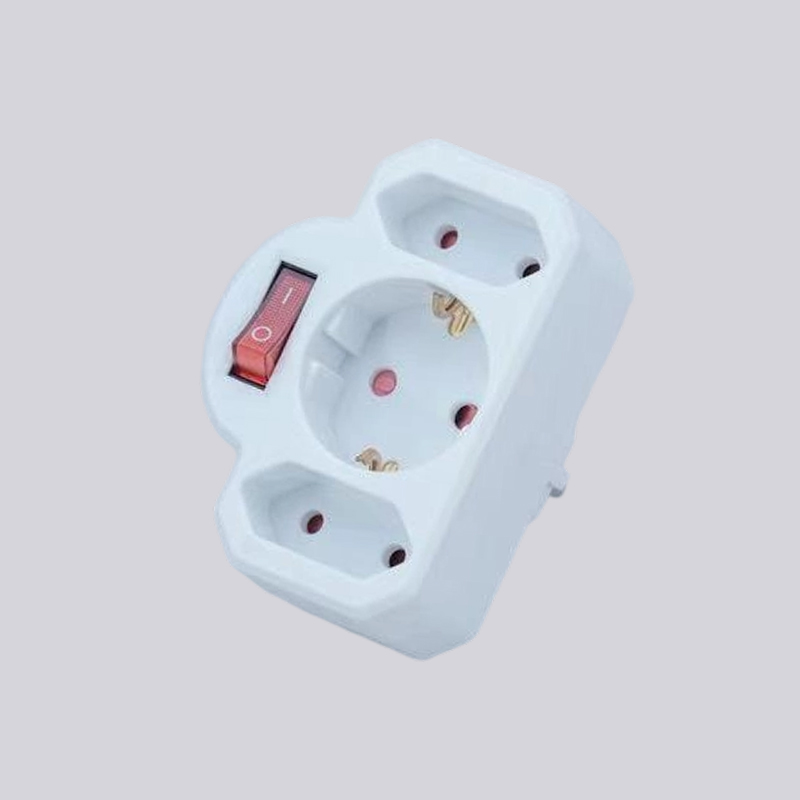
| Dual-Voltage Power Strip | Yes, with included adapter | Not needed — accepts both | Yes, by design | $20 – $45 |
Comparison of the three main approaches to using US power strips or equivalents in Europe, based on standard travel-electronics guidance and typical retail pricing.
When a Voltage Converter Is Worth the Extra Weight
A voltage converter is the right choice specifically when you must keep using a single-voltage American appliance that draws meaningful power, such as an older hair styling tool or a specialty kitchen gadget. Converters are rated in watts, and high-heat devices like hair dryers commonly draw 1500W to 2000W, while many compact travel converters cap out around 100W. Buying an undersized converter for a high-wattage device is one of the most frequent and costly mistakes travelers make, often resulting in a burned-out converter within minutes of use.
European Plug Types You Will Actually Encounter
Beyond voltage, plug shape is the second variable a US to European power strip setup must account for, and it is not uniform across the continent. The table below lists the plug types most relevant to American travelers and residents.
| Plug Type | Pin Configuration | Grounded? | Common Regions |
|---|---|---|---|
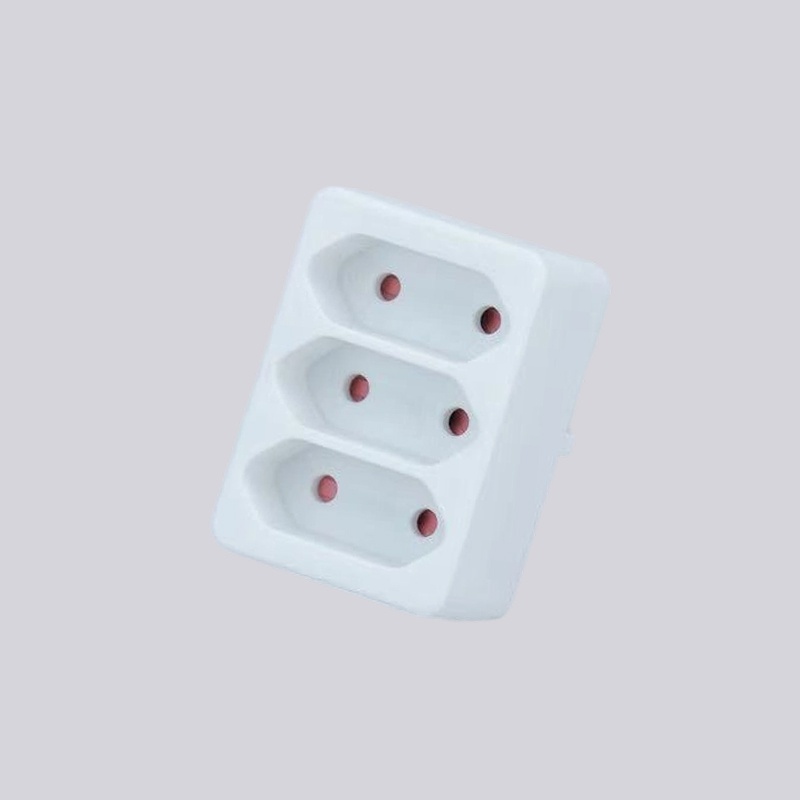
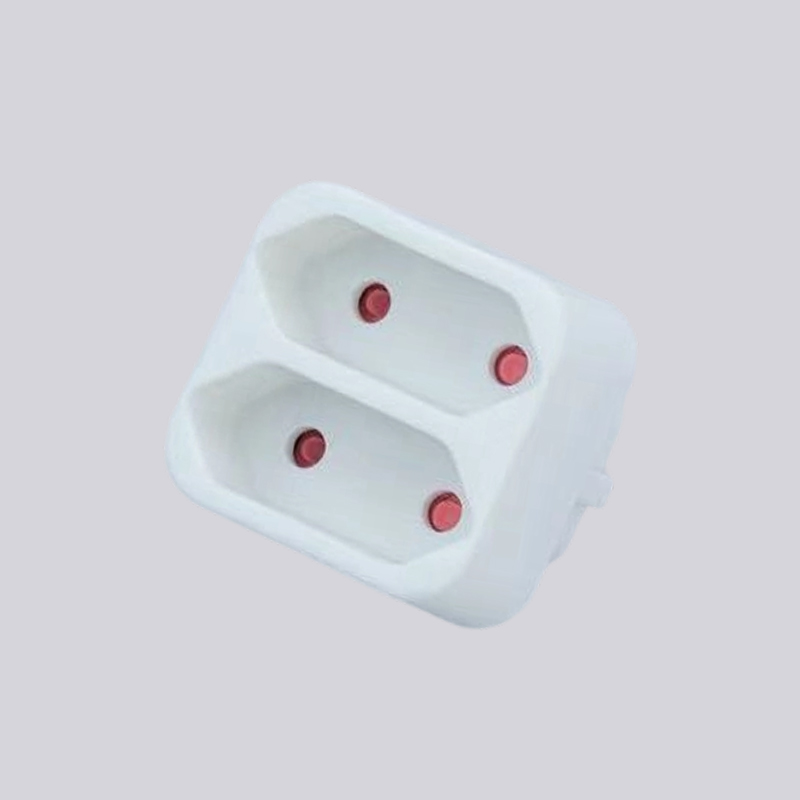
| Type C (Europlug) | 2 round pins | No | Most of continental Europe |
| Type E | 2 round pins + socket pin | Yes | France, Belgium, Poland |
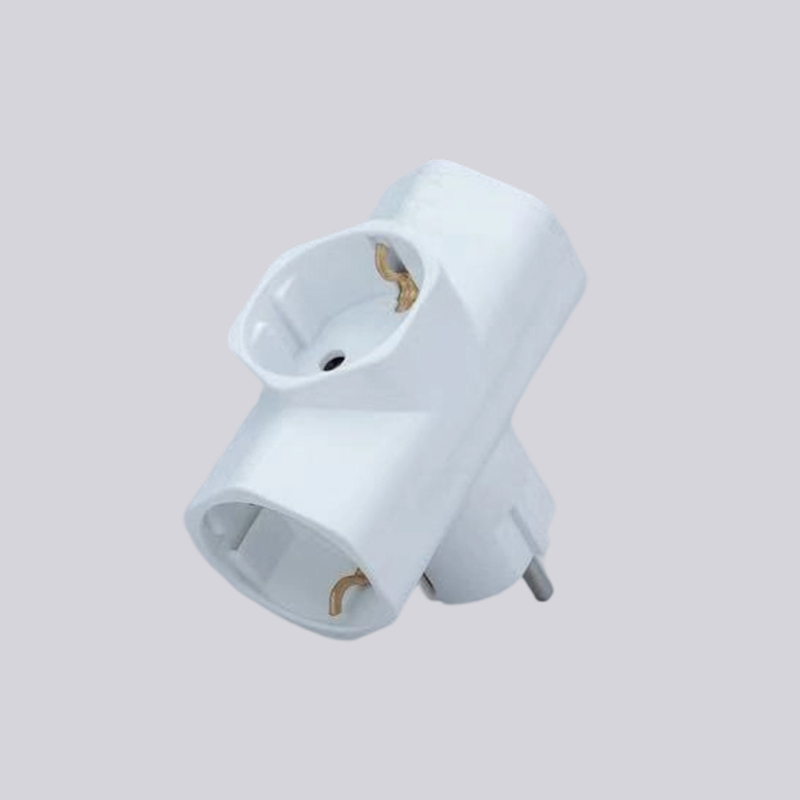
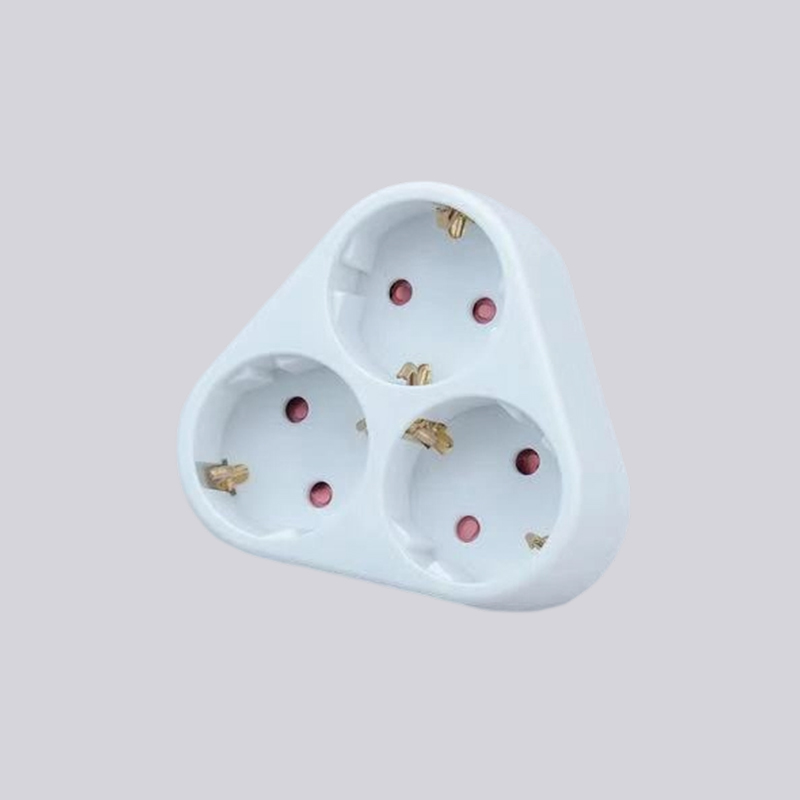
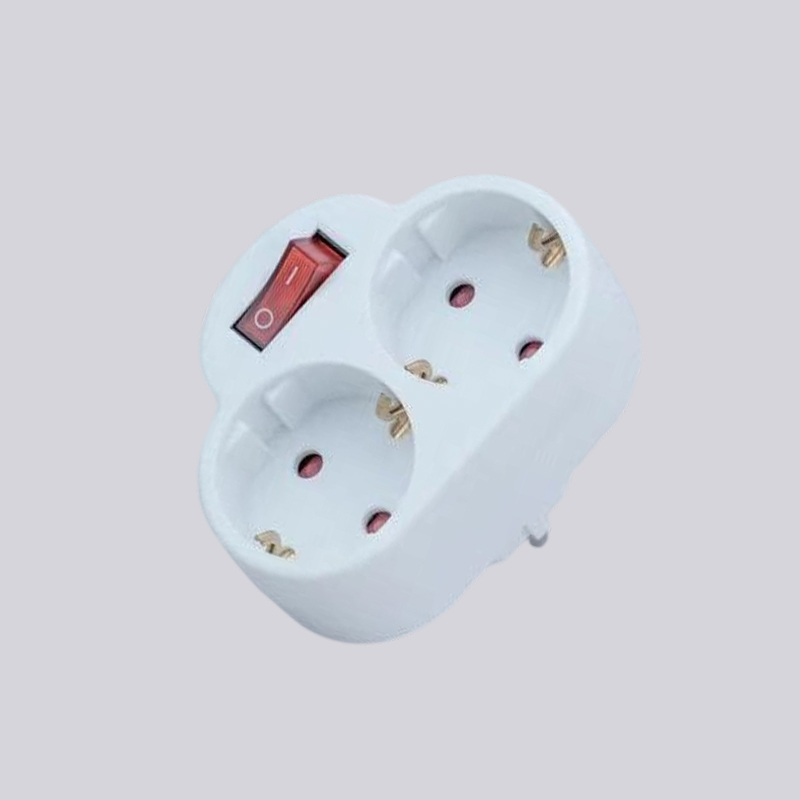
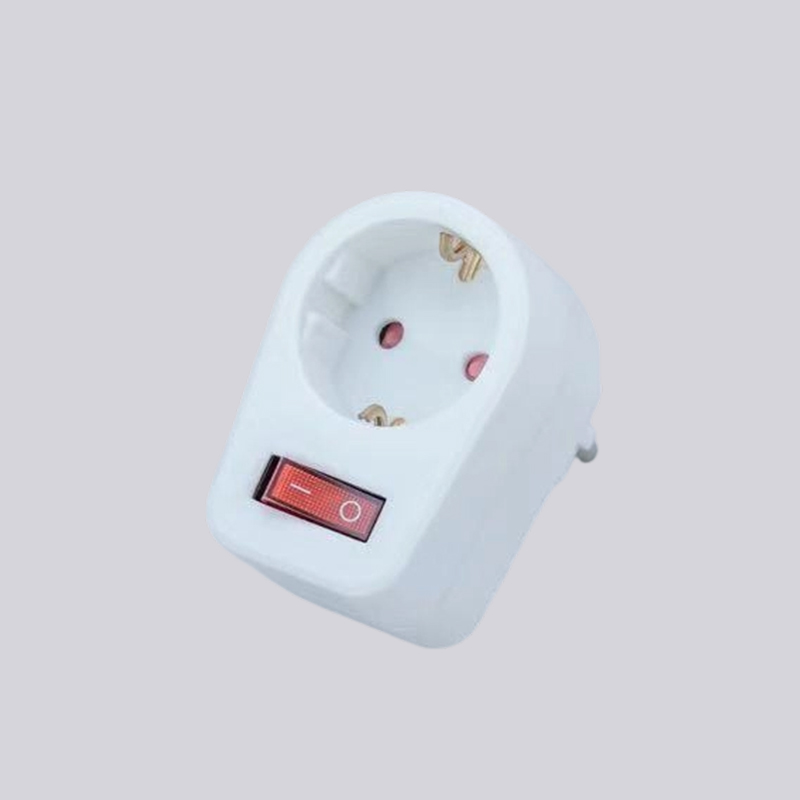
| Type F (Schuko) | 2 round pins + side clips | Yes | Germany, Spain, Netherlands |
| Type G | 3 rectangular pins | Yes | United Kingdom, Ireland, Malta |
Overview of the primary European plug types American travelers need to plan for, according to IEC World Plugs classifications.
Notably, Type F (Schuko) is generally considered the safer grounded option for higher-power devices, while Type C works fine for small ungrounded electronics such as phone chargers. If your itinerary spans multiple countries, a single universal adapter that covers Type C, E, F, and G in one unit is more practical than carrying several individual adapters.
How to Choose the Right US to European Power Strip Setup
The right choice depends on three factors: how many devices you need to power at once, whether those devices are dual-voltage, and how long you will be using European power. Walk through the following checklist before you pack or purchase anything.
- Check the "INPUT" label on every device's charger or power brick. A label reading "100–240V, 50/60Hz" means the device is dual-voltage and safe with an adapter alone.
- Separate your devices into two groups: dual-voltage electronics (laptops, phones, cameras) and single-voltage appliances (older hair tools, certain kitchen gadgets).
- For the dual-voltage group, buy a dual-voltage travel power strip rated 100–240V so all your chargers can share one outlet with a single plug adapter.
- For the single-voltage group, buy a voltage converter rated at least 20% above the device's wattage to leave a safety margin.
- Confirm the plug type for your specific destination country using the IEC World Plugs reference, since Type C, E, F, and G are not interchangeable everywhere.
- If you are relocating long-term rather than traveling short-term, it is usually more cost-effective to simply buy a locally made European power strip once you arrive.
Why Buying a European Strip Locally Often Beats Converting a US One
For anyone staying in Europe longer than a short vacation, purchasing a European-made power strip on arrival is usually the most reliable and lowest-risk approach, because it removes the voltage question entirely. A locally bought strip is already built to the 230V/50Hz standard, comes with the correct plug for that country, and typically costs less than a US-compatible voltage converter of similar outlet capacity.
Common Mistakes to Avoid With US Power Strips in Europe
Most electrical mishaps during international travel trace back to one of the following avoidable errors.
- Assuming a plug adapter changes voltage. It only changes the physical connection, never the current itself.
- Plugging a US-rated surge protector directly into a European outlet. Surge protection circuitry is calibrated for 120V and can fail or overheat at 230V.
- Underestimating wattage on high-heat devices. Hair dryers and curling irons routinely exceed the capacity of compact travel converters.
- Ignoring country-specific plug variations. A Type C adapter works across most of continental Europe but not in the UK, Ireland, or Malta, which use Type G.
- Overloading a single adapter with a multi-outlet strip. Running several high-draw devices through one adapter and strip combination can exceed the adapter's rated current.
Frequently Asked Questions
Can I use a US power strip in Europe with just a plug adapter?
No. A plug adapter changes only the physical shape of the connection, not the voltage. A US power strip built for 120V will receive full 230V through a European outlet regardless of the adapter attached, which can overheat its internal wiring.
Is it safer to buy a dual-voltage power strip before traveling?
Yes. A dual-voltage power strip rated for 100–240V is specifically engineered to handle both American and European current, making it the simplest and safest way to power multiple dual-voltage devices from one outlet.
What happens if I plug a single-voltage device into 230V without a converter?
The device can be damaged immediately, since too much current flows into components designed for half that voltage. This can cause overheating, permanent circuit failure, or in some cases a fire hazard.
Do laptop and phone chargers need a voltage converter in Europe?
Usually not. Most modern laptop, phone, and camera chargers are dual-voltage and list an input range such as "100–240V, 50/60Hz," meaning they only need a plug adapter, not a converter.
Which European plug type should I pack for a multi-country trip?
A universal travel adapter covering Type C, E, F, and G is the most practical option, since it handles continental Europe as well as the UK and Ireland without needing to swap adapters at each border.
Key Takeaway
The safest path from US to European power strip use comes down to matching the right tool to the right device: a dual-voltage strip for everyday electronics, a properly rated voltage converter for high-wattage single-voltage appliances, and a locally bought European strip for anyone staying long-term. Understanding that 120V and 230V systems are fundamentally incompatible — and that a plug adapter never bridges that gap — is the single most important fact standing between a smooth trip and a damaged device.