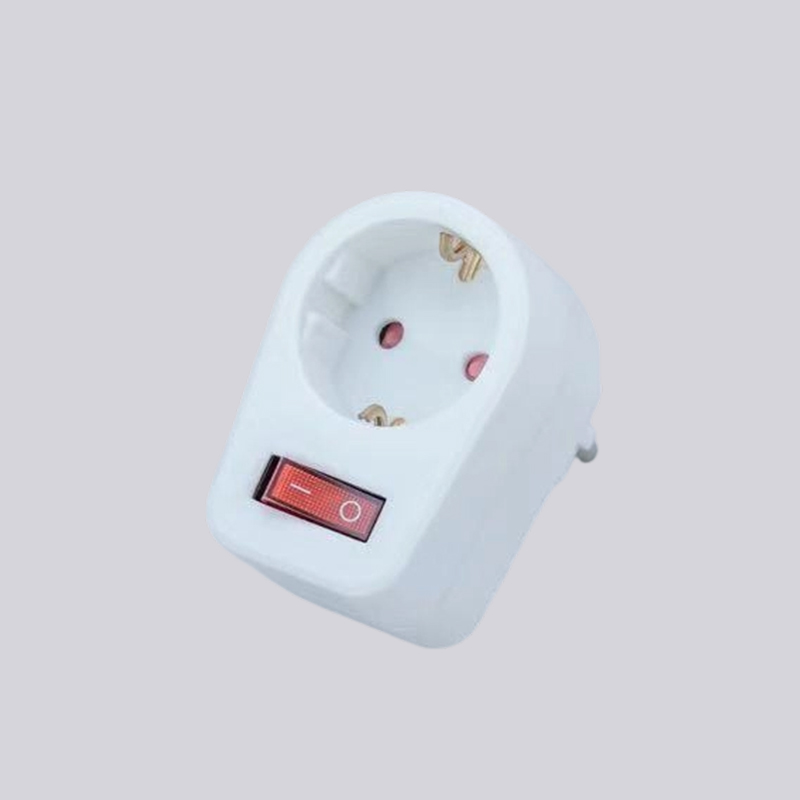
1. What are the differences between household and industrial power plugs?
Household and industrial power plugs differ fundamentally in design philosophy, performance requirements, and application environments. This difference isn't simply a matter of size; it stems from distinct usage scenarios and safety standards.
1.1 Design Standards and Certifications
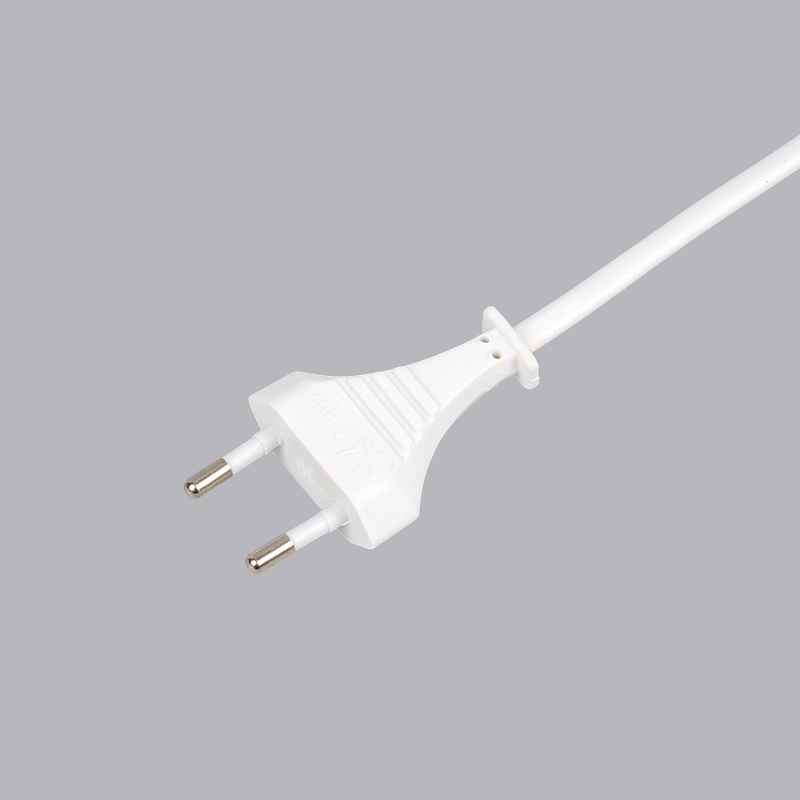
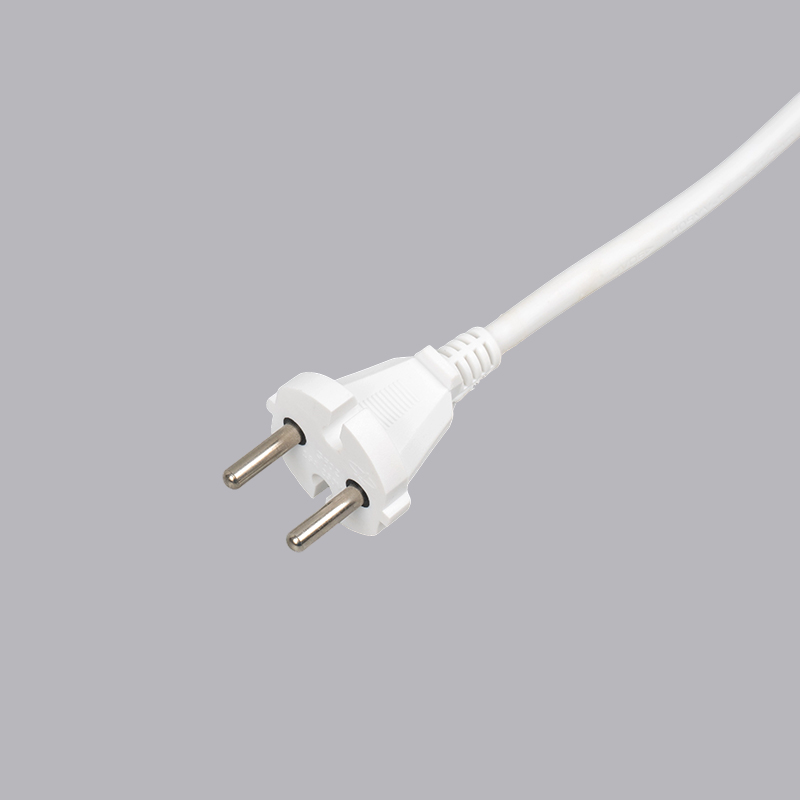
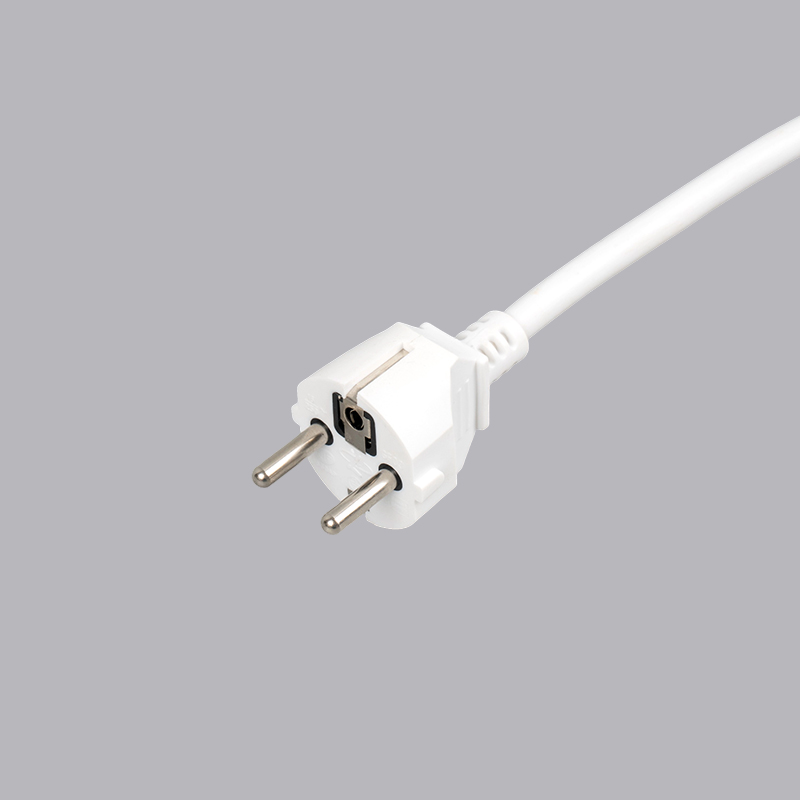
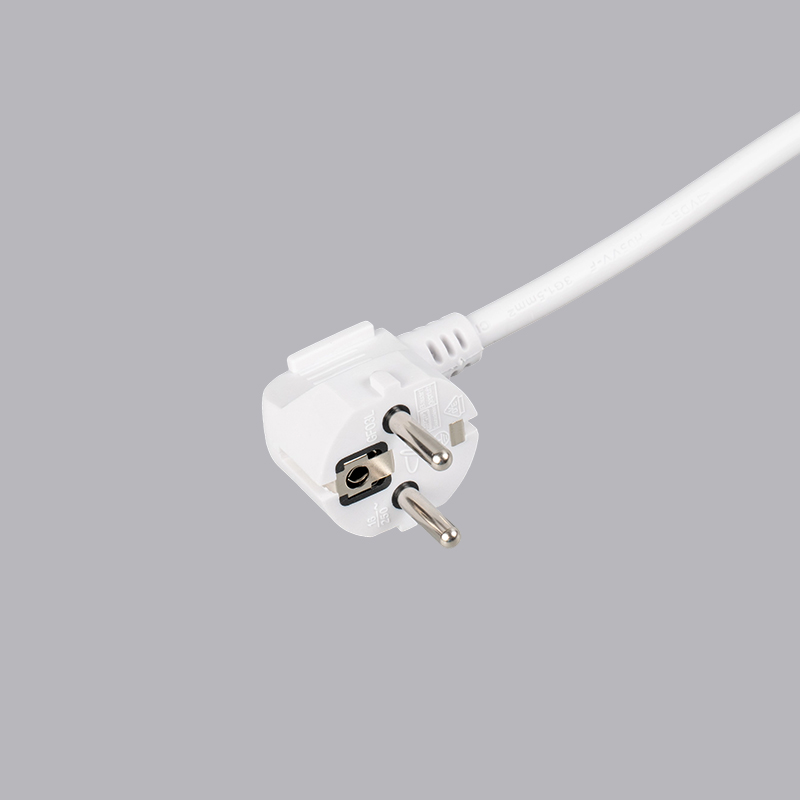
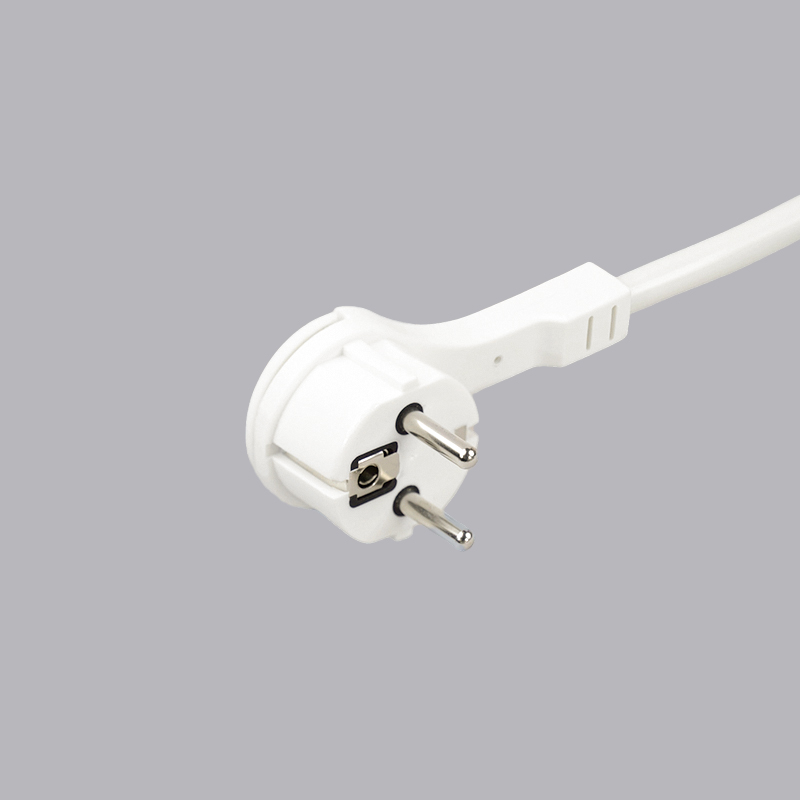
Household plugs typically adhere to regional standards, such as the North American NEMA series, the European CEE 7/Schuko series, the UK's BS 1363, and China's GB 2099.1. These standards focus on preventing users from accidentally touching live parts (through insulation around the prongs or safety doors), basic durability, and safe use in home environments.
Industrial plugs generally adhere to the internationally recognized IEC 60309 standard. This standard utilizes color coding (e.g., blue for 230V, red for 400V) and a keyway design to prevent mis-insertion (interlocking). This ensures that plugs and receptacles of different voltage and current ratings cannot be mixed, fundamentally preventing equipment damage or safety incidents caused by misconnection.
1.2 Materials and Structural Strength
Household plugs are typically made of general-purpose engineering plastics (such as ABS and PC) with flame retardancy ratings (e.g., UL94 V-0) sufficient for use in domestic environments. Pins are often made of phosphor bronze or nickel-plated brass to ensure good conductivity and a certain degree of corrosion resistance.
Industrial plugs have extremely stringent material requirements. The housing is typically constructed of high-strength engineering plastics (such as nylon PA66), offering exceptional resistance to impact, crushing, chemical corrosion, and high and low-temperature conditions (operating temperature range: -60°C to +120°C). Pins and connectors are typically made of high-conductivity copper alloys plated with silver or nickel to reduce contact resistance and prevent oxidation, ensuring a stable connection under high currents. For example, Cixi Lianou Electrical Appliance Co., Ltd. rigorously selects these high-performance materials when producing industrial connectors to meet the demands of extreme operating conditions.
1.3 Protection Rating (IP Code)
Household plugs are typically rated IP20 or IP22, which only protects against finger contact with live parts and slight vertical dripping of water. Industrial plugs must be highly resistant to dust and water. Common protection ratings include IP44 (splashproof), IP67 (temporary immersion), and even IP66/67 (powerful water jets and immersion). This is achieved through precise sealing rings, multi-layer sealing structures, and rugged housings, enabling their use in harsh, humid, dusty environments such as construction sites, food processing facilities, and ports.
1.4 Current Carrying and Connection Methods
Household plugs typically have a current rating between 10A and 16A, specifically designed to power small and medium-power appliances.
Industrial plugs offer a wide range of current ratings, from 16A to 800A or even higher, to meet the enormous power demands of large machinery, welding equipment, and data center server cabinets. Their connection is also more reliable. Many industrial plugs use threaded or bayonet-type locking mechanisms to ensure they remain intact even in vibration, a feature unmatched by the simple plug-in structure of household plugs.
In summary, industrial plugs are professional tools designed for reliability, durability, and safety, with every design detail optimized for harsh industrial environments. Household plugs, on the other hand, prioritize ease of use and cost-effectiveness while ensuring safety.
2. What are the safety hazards associated with poor contact in power plugs?
Poor contact is one of the most common and dangerous failure modes of power plugs. It's not simply a "lack of power"; it's a dynamic process involving a series of physical and chemical changes that can ultimately lead to serious consequences.
2.1 Causes and Manifestations of Safety Hazards
The core cause of poor contact is an abnormally high contact resistance. Causes include:
Oxidation or corrosion of plug pins: Especially in humid environments, an oxide layer (such as verdigris) forms on the metal surface of the plug pins, with a resistivity much higher than that of the metal itself.
Deformation or wear of plug pins: Repeated plugging and unplugging or mechanical impact can cause the pins to lose their elasticity and change shape, preventing them from forming a secure contact with the reed inside the socket.
Contaminant intrusion: Impurities such as dust and oil form an insulating layer between the plug pins and the socket.
Manufacturing Defects or Material Deterioration: Insufficient pressure on the reed inside the socket or substandard conductivity of the pin material.
2.2 Cascading Safety Risks
Abnormally high contact resistance generates significant Joule heating (P = I²R) when current flows, triggering a series of chain reactions:
Abnormal heating and high temperatures: This is the most immediate manifestation. The plug or socket will become hot to the touch. Long-term exposure to this heat will accelerate the aging of surrounding plastic materials, causing them to become brittle and lose mechanical strength and flame retardancy.
Electric Arc: During plugging and unplugging, or when vibration causes a momentary disconnection, current ionizes the air, generating an electric arc. Arc temperatures are extremely high, reaching thousands of degrees Celsius, high enough to directly ignite nearby flammable materials such as plastic, wood, or fabric.
Voltage Drop and Equipment Damage: Contact resistance divides the voltage, causing the actual voltage received by the device to be lower than the rated voltage. This unstable power supply can damage the device's internal power module or delicate electronic components, shortening their service life.
Fire Risk: This is the most serious consequence. Sustained abnormal heating can cause the plug itself or the insulation of the connected wires to melt, carbonize, and eventually burn. The entire connection point can become an ignition source, igniting the entire circuit and even the surrounding environment.
Electric shock risk: High temperatures can deform or melt the plug's insulation, exposing the live metal conductor inside and increasing the risk of electric shock.
Given these risks, regular inspection of plugs and sockets is crucial. If a plug becomes loose after insertion, overheats, emits a burning odor, or exhibits discoloration, it should be immediately discontinued and replaced.
3. How can I prevent a power plug from overheating and melting due to prolonged overload?
Overload refers to the current flowing through the plug exceeding its rated capacity. Preventing overload-related overheating and melting is a systematic process requiring correct selection, proper use, and regular maintenance.
3.1 Correct Selection: Matching Current and Power
This is the first and most important step in preventing overload. Each qualified plug is clearly marked with its rated voltage and current (e.g., 10A, 250V~).
Calculating Load Power: Users must calculate the total power (P) of the connected devices and calculate their maximum operating current (I) using the formula I = P / U. For example, a plug with a rated voltage of 250V and a rated current of 10A has a maximum allowable load power of 250V * 10A = 2500W. The total power of all connected devices should be lower than this value, and a 20% safety margin is recommended.
Use dedicated plugs for high-power devices: High-power appliances such as air conditioners, electric water heaters, and electric heaters must use separate, high-rated current plugs and dedicated wall sockets. Sharing power strips with other devices is strictly prohibited.
Identifying High-Quality Products: Choose products that comply with national or international standards (e.g., CCC, UL, VDE, CE). These products are guaranteed in terms of material selection (e.g., high-quality copper, highly flame-retardant PC), structural design (e.g., the strength of the riveting/welding between the pins and wires), and craftsmanship. Professional manufacturers such as Cixi Lianou Electrical Appliance Co., Ltd. perform rigorous high-voltage (Hi-Pot) testing, ground resistance testing, and glow-wire testing during their production processes to ensure product safety and reliability.
3.2 Standard Usage and Installation
Avoid "daisy-chaining": Connecting multiple power strips in series is strictly prohibited. Each level of connection increases contact resistance and the risk of overheating, and can easily lead to severe overloading of the first power strip.
Pay attention to heat dissipation: Plugs should be placed in a well-ventilated, dry area away from heat sources. Never bury them under clutter, carpets, or curtains, as heat buildup can accelerate overheating.
Ensure a secure connection: Fully insert the plug into the socket, ensuring proper contact. For industrial plugs, be sure to tighten the locking mechanism according to the instructions.
Use extension devices with overload protection: Choose high-quality power strips with built-in overcurrent protection (circuit breaker or fuse) that automatically cuts off power when the current exceeds the limit.
3.3 Regular Inspection and Maintenance
Sensory Inspection: Regularly check the surface temperature of the plug for softening, deformation, discoloration, cracks, or a burning odor.
Professional Inspection: In industrial or commercial settings, a professional electrician should regularly scan the power distribution system using a thermal imaging camera to identify abnormally hot spots and measure the contact resistance of key connection points using a micro-ohmmeter.
Timely Replacement: Any plugs, sockets, and cables that are aged, damaged, or suspected of problems should be removed from use immediately and replaced by a professional. Do not attempt to use them as a workaround, such as wrapping them with tape.



 English
  中文简体
中文简体