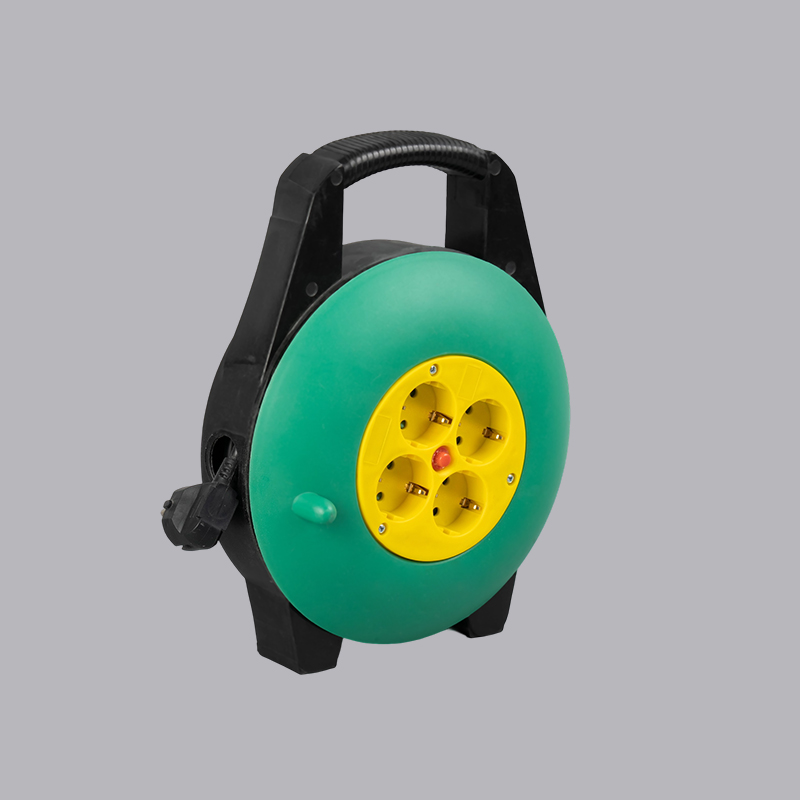
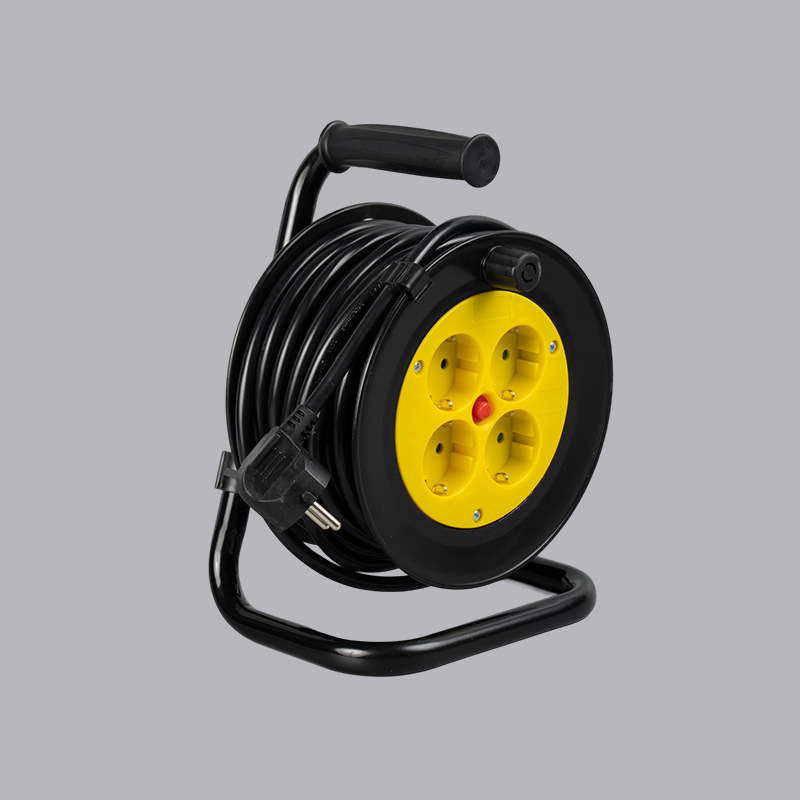
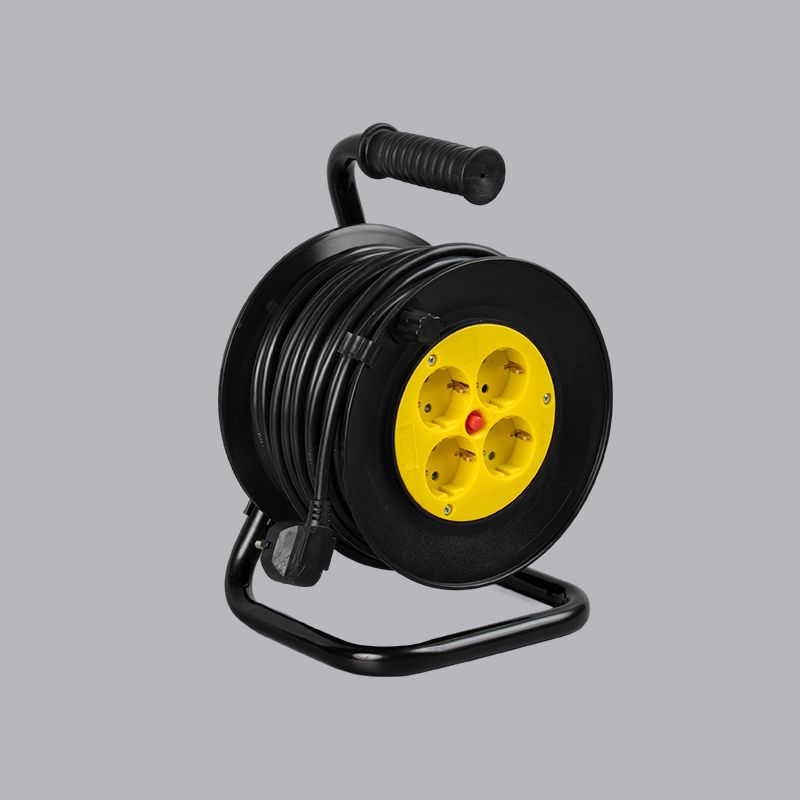
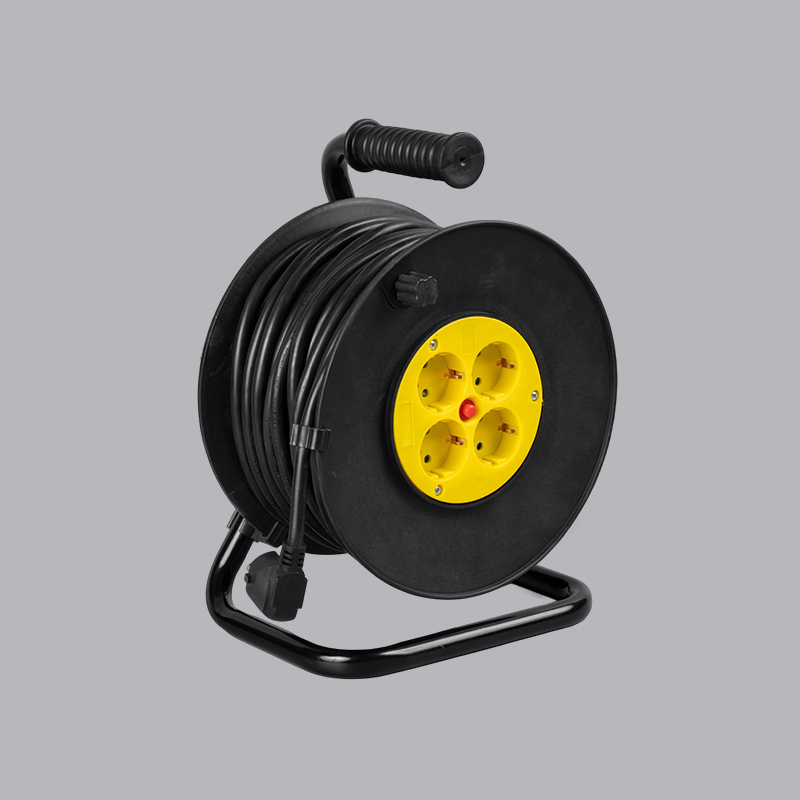
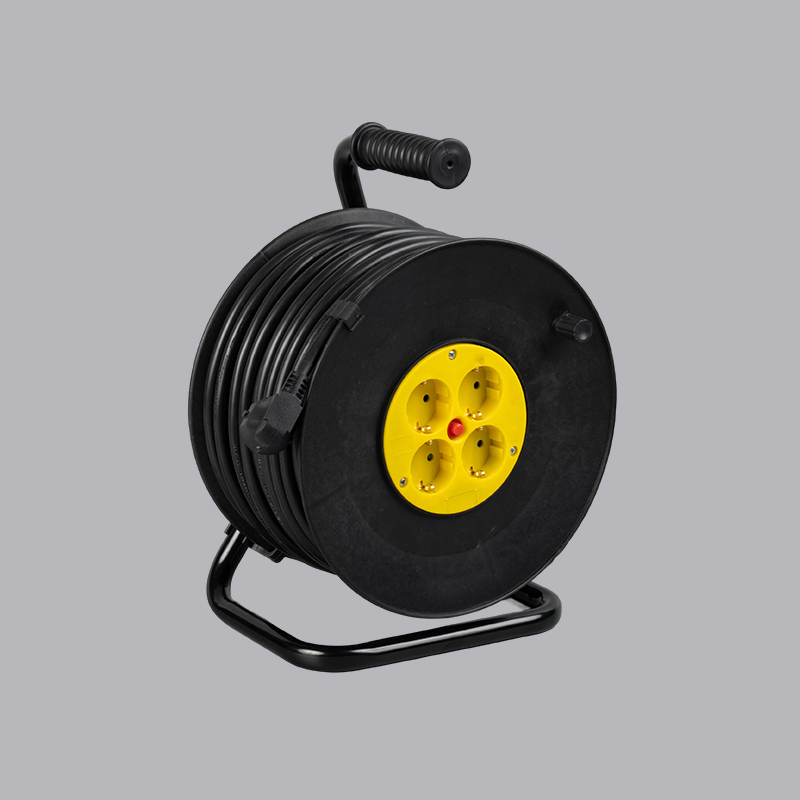
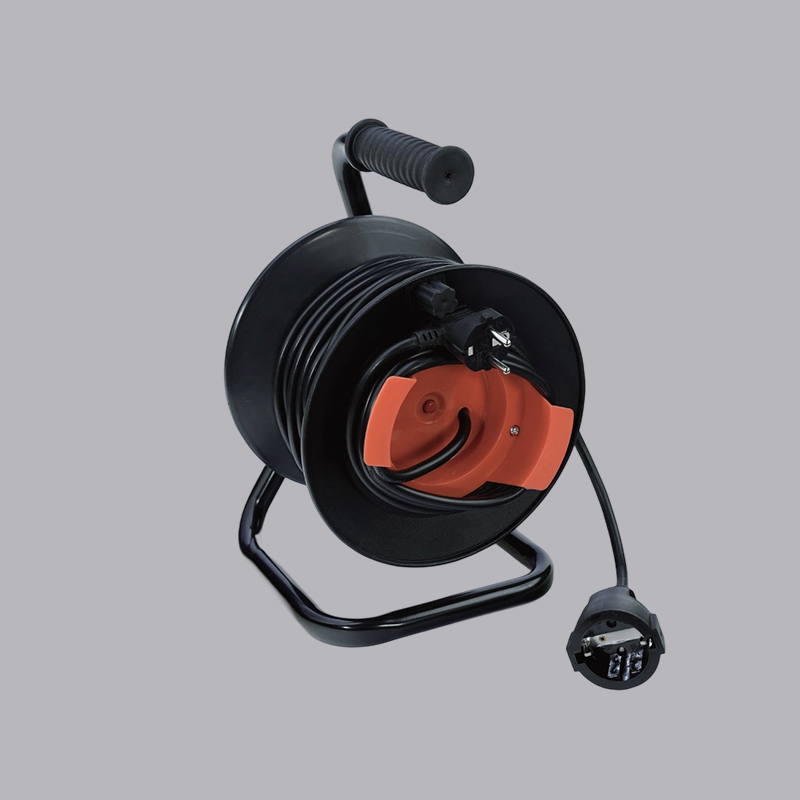
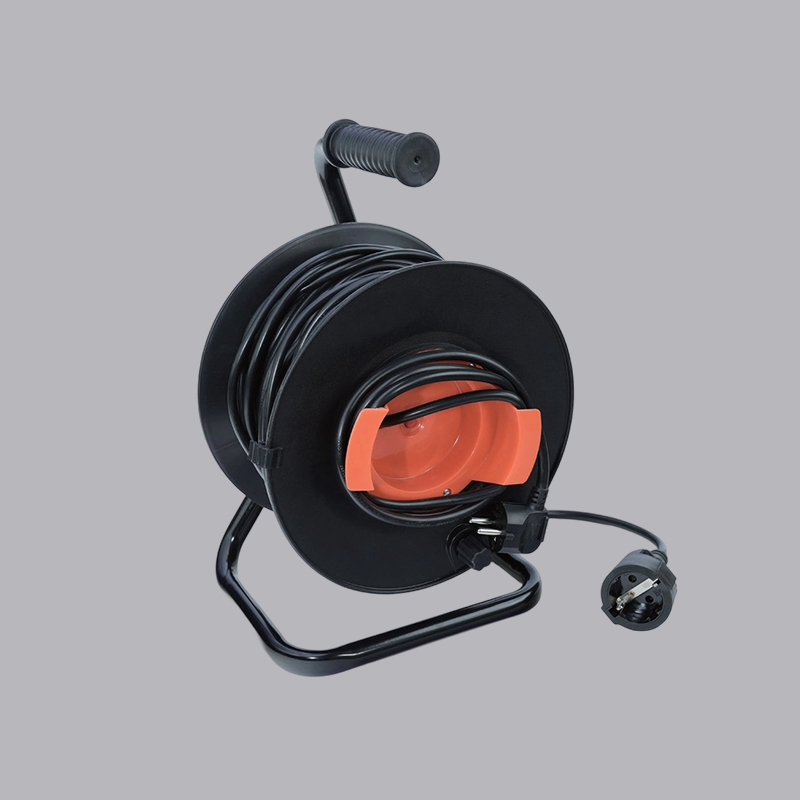
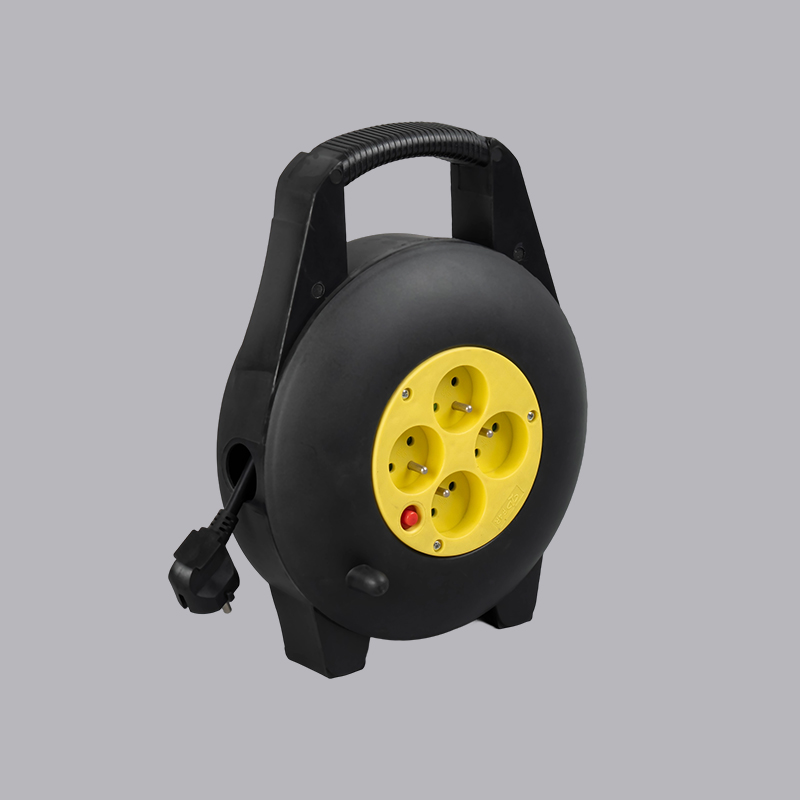
1. How to Choose a Cable Reel?
Choosing the right cable reel is a systematic process, requiring careful consideration based on the precise application scenario and stringent safety standards, not simply on appearance or price. Incorrect choices not only impact work efficiency but can also pose serious safety risks. The following key considerations should be considered during the selection process:
① Load Type and Power Capacity:
This is the most crucial and non-negotiable criterion. It's crucial to clearly define the type of equipment the reel will be used for: lighting fixtures, handheld power tools, high-power motors, welders, or industrial heaters. Starting and continuous operating currents vary significantly between devices.
Key Calculation: Determine the total power (in watts or kilowatts) and rated voltage (e.g., 220V) of all connected devices. Calculate the total current requirement using the formula: Current (A) = Power (W) / Voltage (V).
Selection Criteria: The rated current of the selected cable reel must be greater than the calculated total current, with a safety margin (typically 15%-20%). It's particularly important to note that fully extended cables dissipate heat effectively, while partially coiled cables reduce their current-carrying capacity. Therefore, they should never be overloaded.
② Cable Length:
The cable length directly impacts voltage drop. Excessively long cables can significantly reduce the voltage at the end, impacting equipment performance (e.g., motor weakness and dim lighting); while cables that are too short may not meet the required operating distance.
A practical guideline: Choose the shortest possible cable length while maintaining the maximum operating radius. For high-power equipment, if a long cable is necessary, choose a model with a thicker wire diameter (cross-sectional area) that can handle higher currents to compensate for voltage loss over long distances.
③ Safety Certification & IP Rating:
Safety certification provides hard evidence that a product complies with international safety standards. For example, the CE mark is required for the European market, and UL certification is required for the North American market. These certifications ensure that the product meets stringent standards for material flame retardancy, insulation rating, mechanical strength, and electrical clearances.
The IP (Ingress Protection) rating is also crucial. This defines the product's degree of dust and water resistance. For example, IP54 indicates a dustproof rating of 5 (protected against harmful dust accumulation) and a water-resistant rating of 4 (protected against intrusion of splashing water from all directions). A high IP rating is essential for any environment where exposure to moisture, oil, or dust is possible.
④ Core Functional Configuration:
Manual vs. Automatic Rewind: The automatic rewind feature greatly improves storage efficiency and convenience, but its internal spring mechanism has a limited lifespan. For applications that are infrequently moved or require extremely heavy equipment, a sturdy manual model may be more economical and durable.
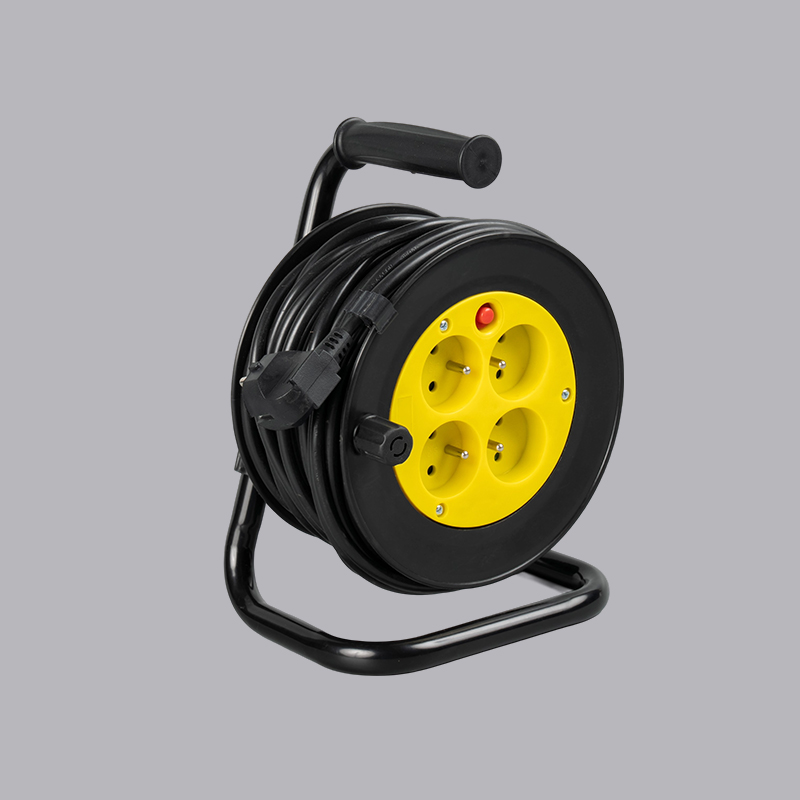
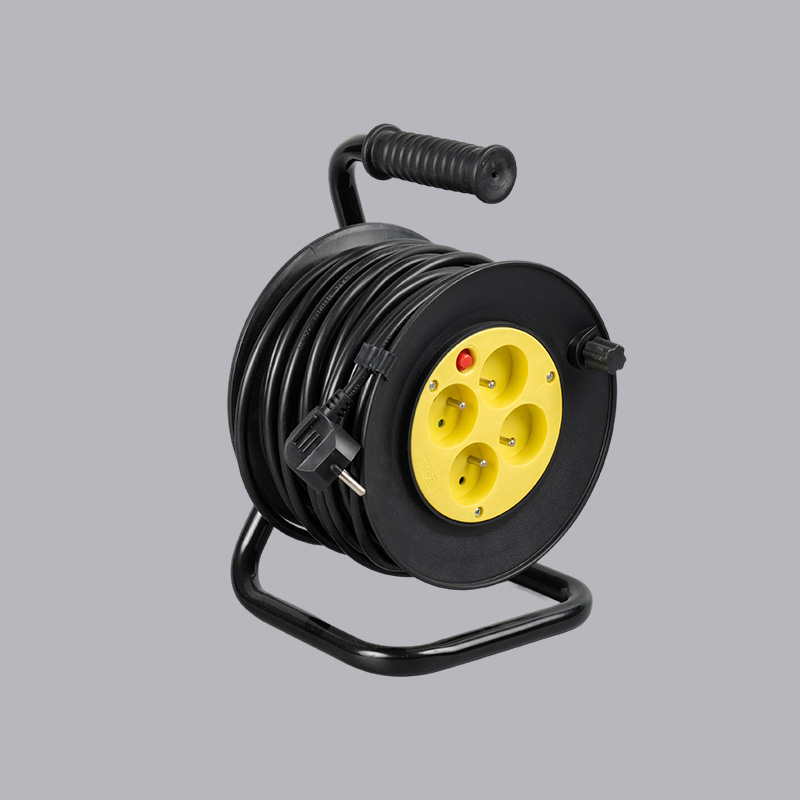
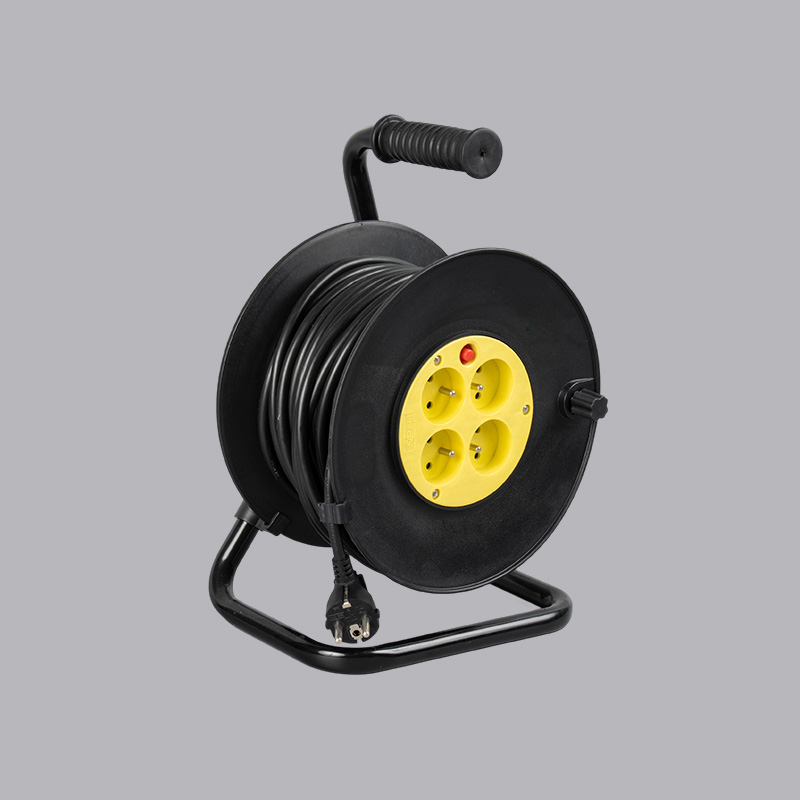
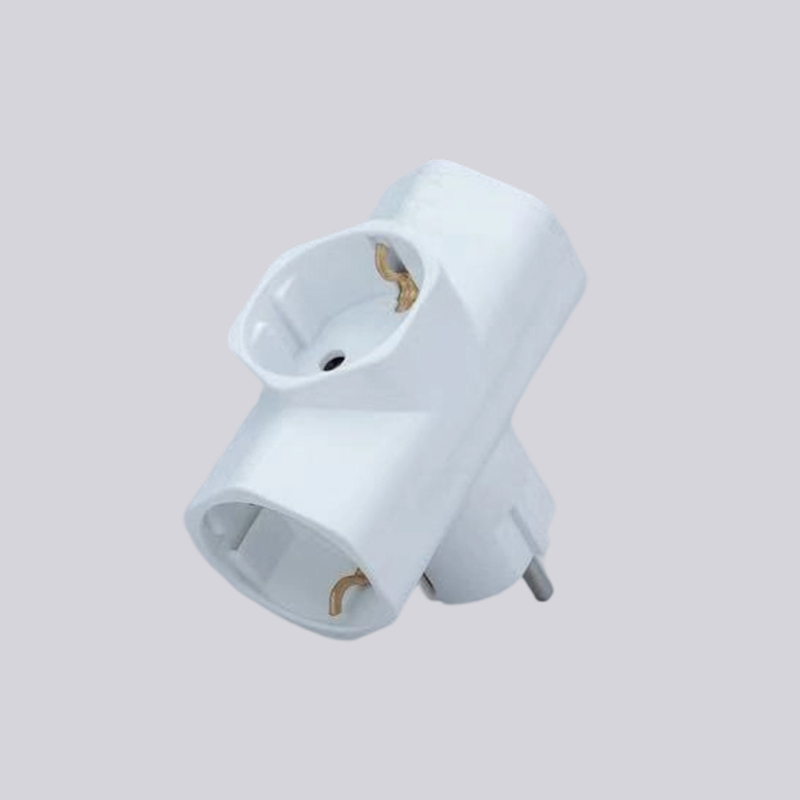
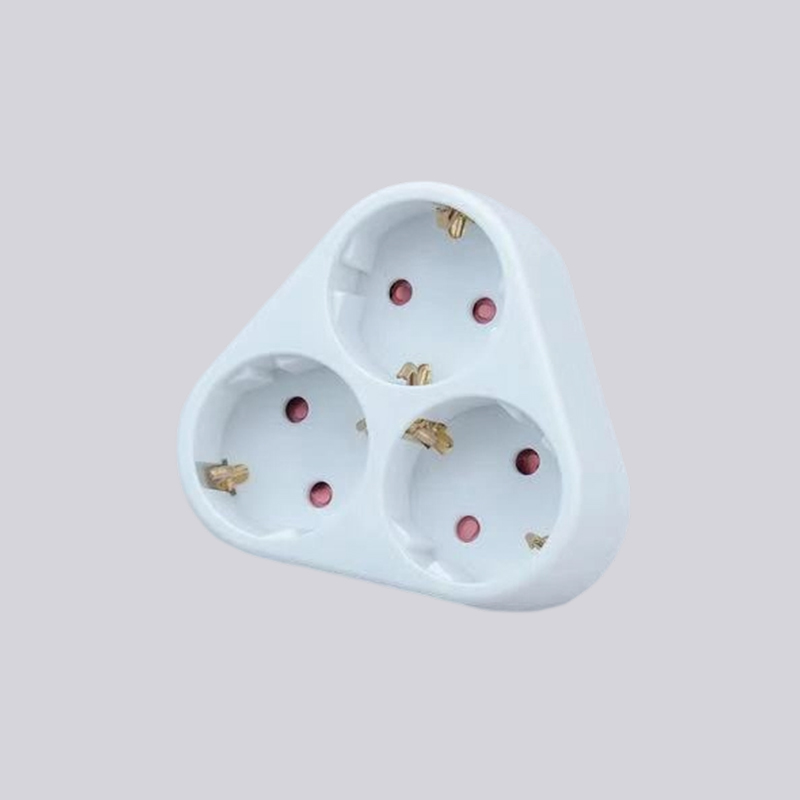
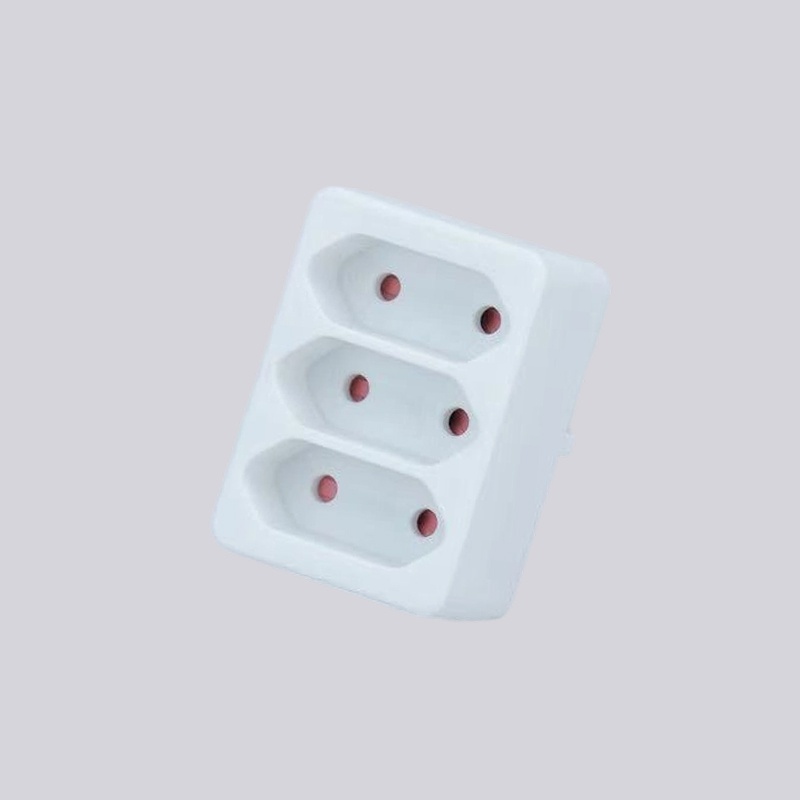
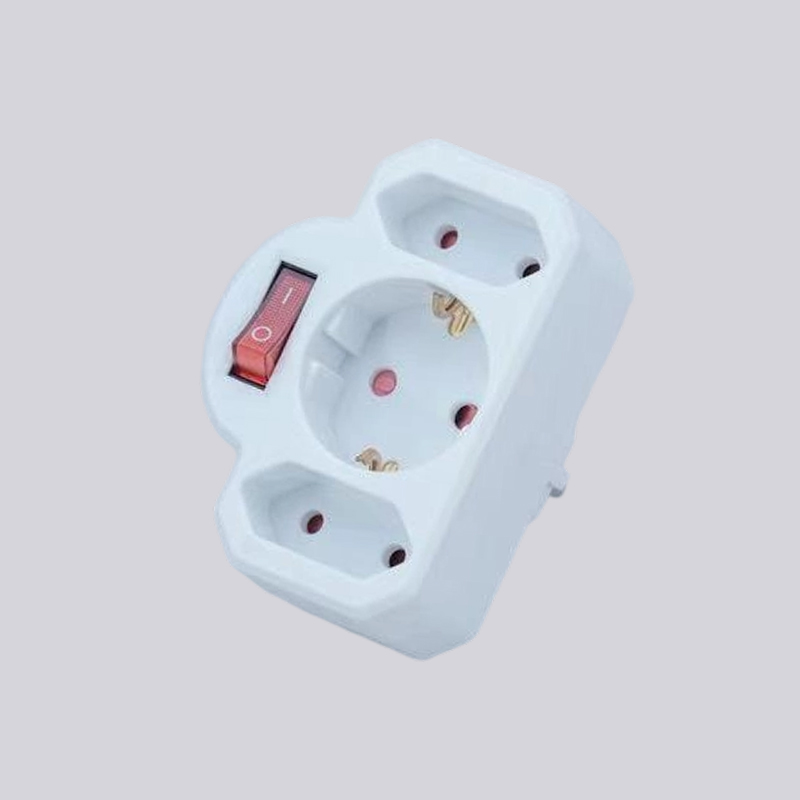
Integrated Sockets & Circuit Breakers: High-quality cable reels often integrate multiple outlets and feature built-in thermal and overload protectors and residual current devices (RCDs/GFCIs). These devices instantly trip and cut off power in the event of a short circuit, overload, or leakage, providing a critical barrier to personal and equipment safety.
In summary, selecting a cable reel is a balancing act between load, distance, environment, and safety requirements. Companies like Cixi Lianou Electrical Appliance Co., Ltd. typically offer a wide range of certified products, from home-grade to industrial-grade, providing users with safe options that comply with various international standards.
2. How does the material of a cable reel affect its performance?
The performance, durability, and safety of a cable reel are largely determined by the materials used. The choice of material directly impacts the product's mechanical strength, environmental adaptability, insulation properties, and lifecycle cost.
① Drum Core & Frame:
This is the core structural component that withstands mechanical stress.
Engineering Plastics: Such as ABS (acrylonitrile butadiene styrene) and PP (polypropylene). ABS is known for its excellent overall performance, including high strength, toughness, impact resistance, resistance to mild chemicals, and easy surface treatment for a pleasant feel. PP is lighter, has excellent fatigue resistance (suitable for frequent retraction), and is cost-effective. High-performance engineering plastics often carry UL94 V-0 flame retardancy certification, which is crucial for preventing the spread of fire.
Metal: Primarily steel or aluminum alloy. Metal frames offer unparalleled mechanical strength and compressive strength, making them suitable for use in extremely harsh industrial environments, heavy machinery, or large reels requiring extreme structural stability. However, their disadvantages include weight, high cost, and the need for surface treatment (such as galvanizing or plastic spraying) to prevent corrosion.
② Cable Insulation & Sheath:
Cables are the primary means of transmitting electrical energy, and their material directly impacts their efficiency and safety.
Conductor: Oxygen-free copper is the standard choice, offering high conductivity, low resistance, and excellent ductility.
Insulation & Sheath: Most cables are made of PVC (polyvinyl chloride) or rubber.
PVC: Low cost, with excellent abrasion resistance, weather resistance, and flame retardancy, making it suitable for most indoor and general outdoor environments. High-quality PVC formulations ensure that cables maintain a certain degree of flexibility at low temperatures without becoming brittle.
Rubber: Typically refers to synthetic rubber such as EPDM (ethylene propylene diene monomer) or NBR/PVC (nitrile butadiene rubber blend). Rubber cable's greatest advantages are its extreme flexibility and excellent low-temperature toughness, particularly in cold weather, allowing it to remain flexible and resist cracking. Its excellent resistance to oil, grease, chemicals, and physical abrasion makes it ideal for harsh environments such as construction sites, mines, and ports. Cixi Lianou Electrical Appliance Co., Ltd., a company that manufactures both PVC raw materials and finished cables, typically offers a wide range of material solutions.
③ Plugs & Sockets:
The material of the connector determines contact resistance, durability, and safety.
Casing: High-strength, highly flame-retardant engineering plastics (such as PC/ABS alloy) must be used to ensure impact resistance, drop resistance, and non-combustibility.
Internal current-carrying components (Contacts): Typically made of phosphor bronze for its excellent conductivity and elasticity, they are plated with nickel or silver to reduce contact resistance, prevent oxidation, and ensure long-term, stable electrical connections.
Material selection is a trade-off between performance and cost. Users should select the most balanced and reliable product based on the severity of their application environment, frequency of use, and budget.
3. What precautions should be taken when using cable reels outdoors?
Outdoor environments present multiple challenges to cable reels, including rain, UV rays, extreme temperatures, physical shock, and dust. When used in such environments, strict operating procedures must be followed to ensure safety and extend the life of the equipment.
① Prioritize products with a high IP rating:
Cable reels for outdoor use should have an IP rating of at least IP54 or higher (such as IP66 or IP67). IP54 effectively protects against splashing water and intrusion of dust, ensuring that internal electrical components are not affected. If the equipment will be exposed to strong water flow or temporary immersion, seek specialized products with an IP66/67 rating.
② Pay attention to the environmental adaptability of the cable material:
Temperature range: Outdoor temperatures vary widely. Ensure that the cable sheath material will not become brittle or harden at the lowest temperatures in the area (rubber cables have a clear advantage in this regard) and can also withstand high summer temperatures without softening or deforming.
UV resistance: Prolonged exposure to ultraviolet rays from sunlight can accelerate the aging of PVC materials, causing the sheath to crack and powder. It is safer to choose cables clearly marked as UV-resistant or rubber-made cables.
③ Proper handling and storage habits:
Fully unwound cable: This is the most crucial principle for outdoor use. When high current flows through a partially wound cable, the heat generated cannot be dissipated quickly and accumulates on the reel. This not only accelerates the aging of the cable insulation but can also cause overheating, melting, and even fire. Be sure to unwrap the cable to the required length before use.
Please store carefully: Store the reel on a flat, dry surface, away from puddles. Keep away from oil, sharp objects, and vehicles that could run over it.
Store after cleaning and drying: Before rewinding cables, remove any dirt, moisture, and debris. Storing damp cables can accelerate internal corrosion and insulation degradation. It's best to rewind cables after they are completely dry.
Regular Inspection: After outdoor use, regularly inspect the cable sheath for cuts, cracks, hardening, or deformation, and the plugs and sockets for signs of overheating (darkening or deformation). Immediately remove from service and replace or repair any damage.
④ Grounding and Leakage Current Protection:
Outdoor environments are humid, significantly increasing the risk of electric shock. Ensure that the cable reel plug has a complete grounding terminal (three-core) and is properly grounded to the power outlet it is connected to. A built-in residual current device (RCD) is a mandatory safety device for outdoor use. It can shut off power within milliseconds in the event of an electric shock.



 English
  中文简体
中文简体