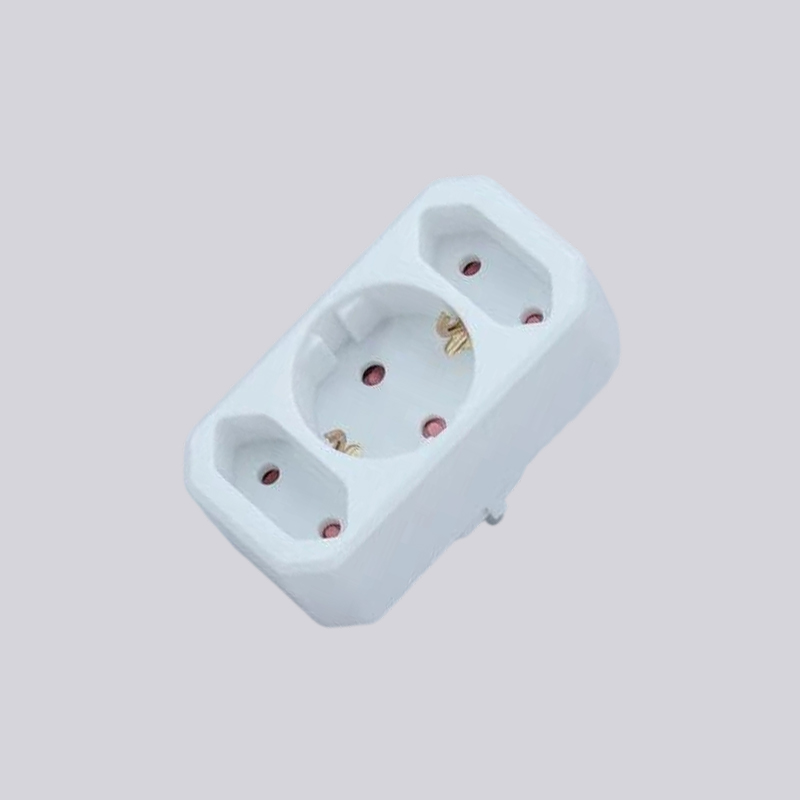
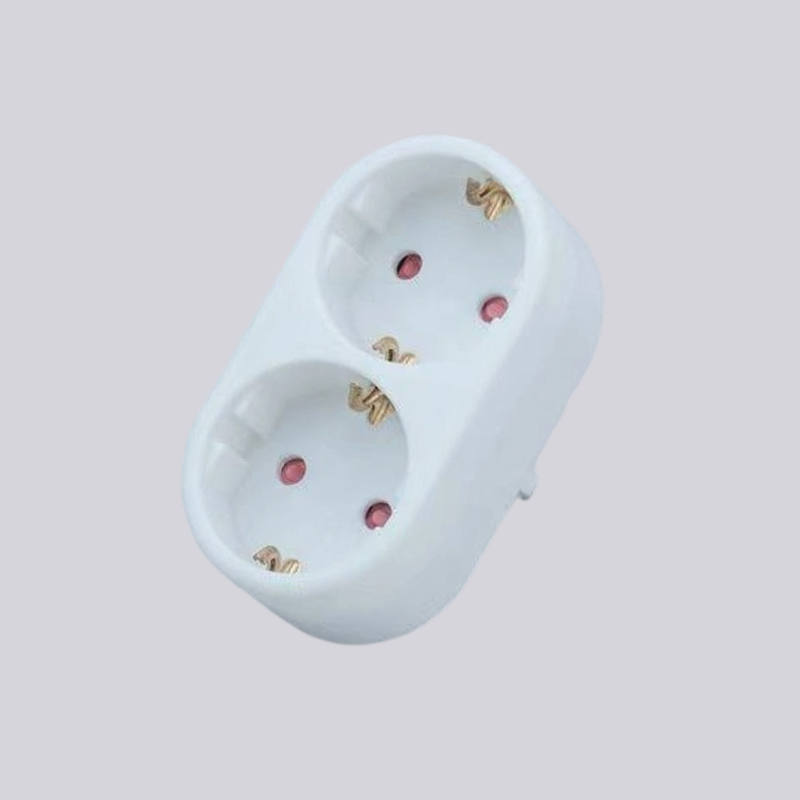
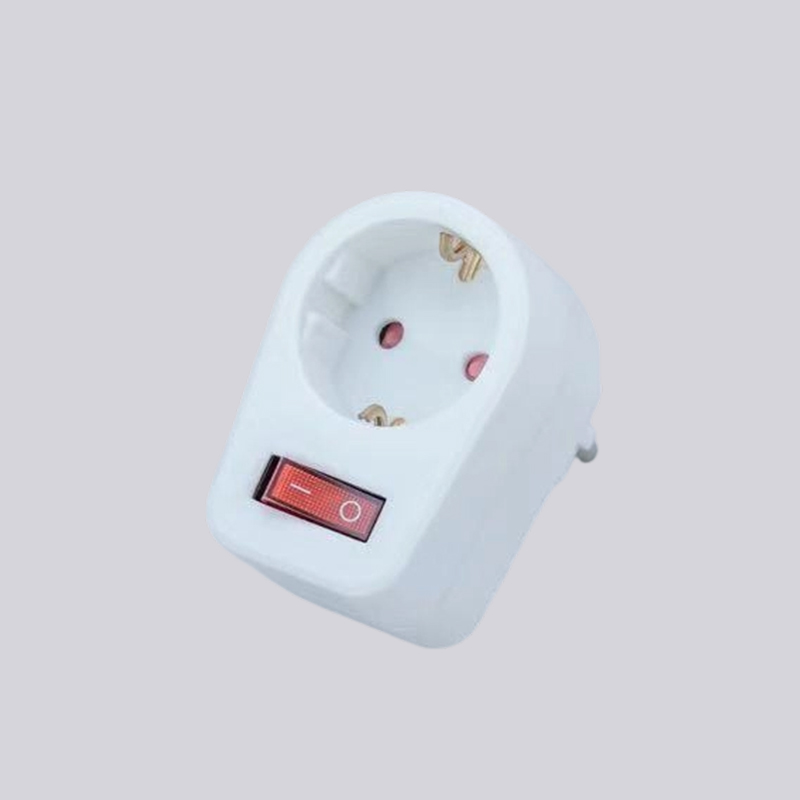
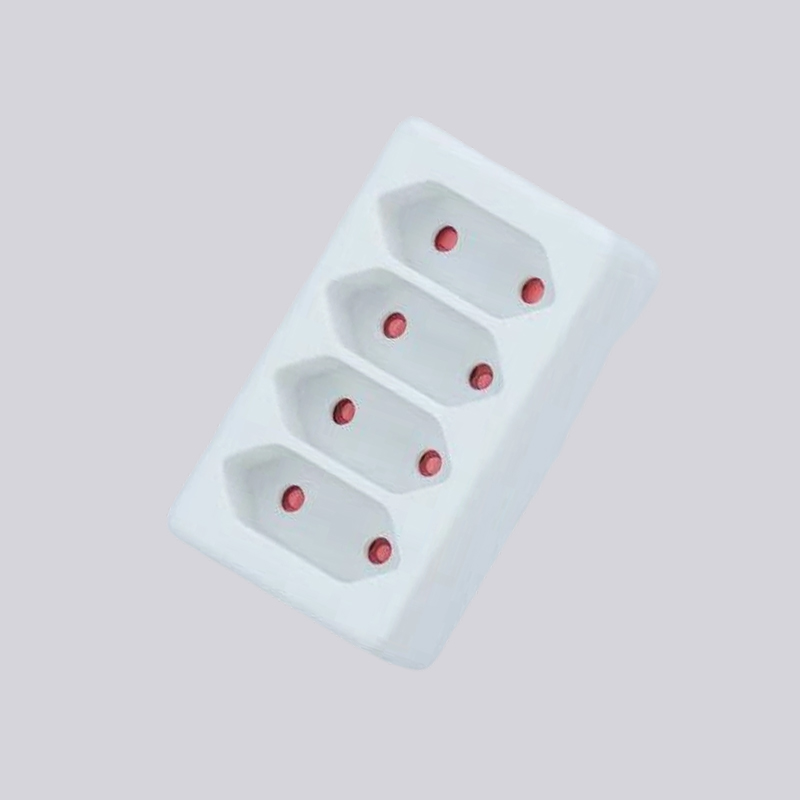
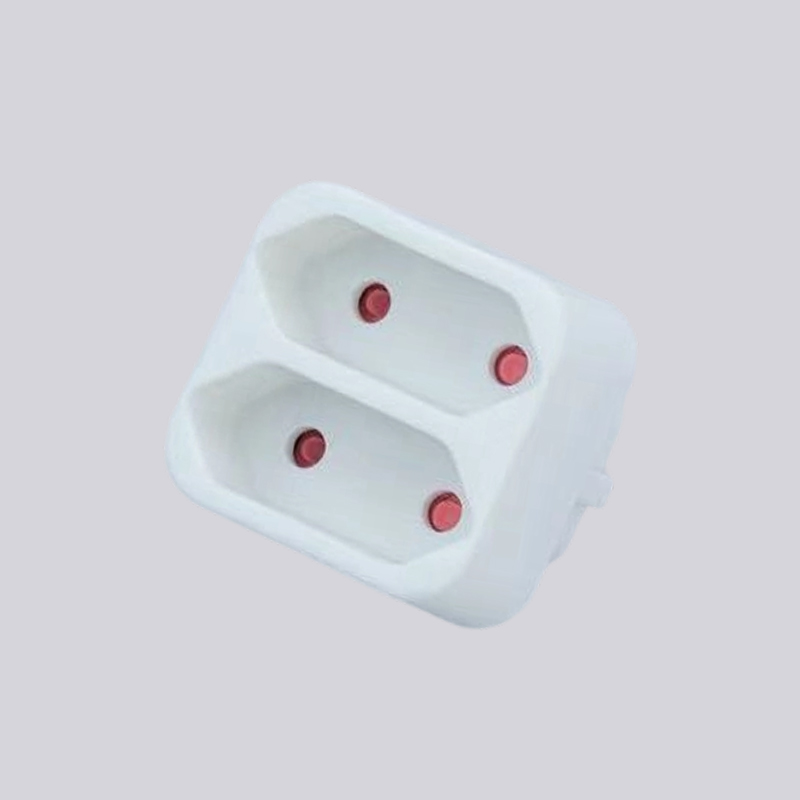
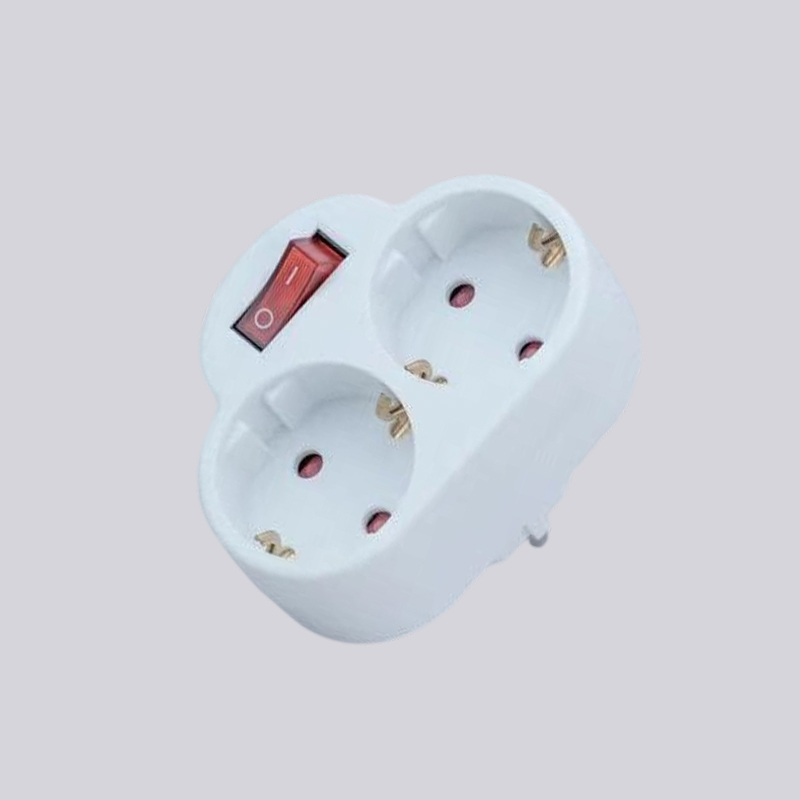
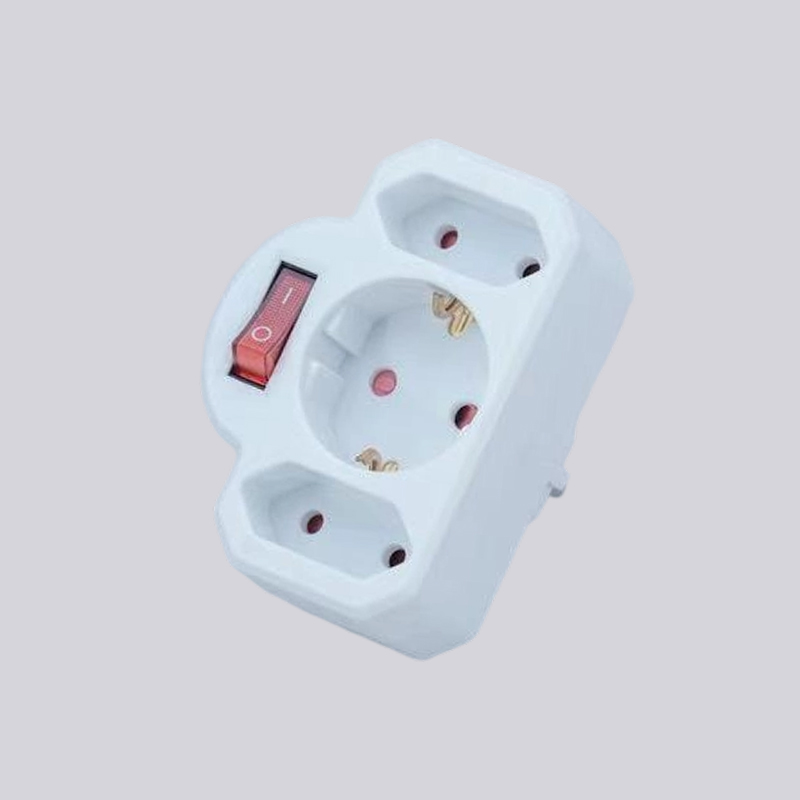
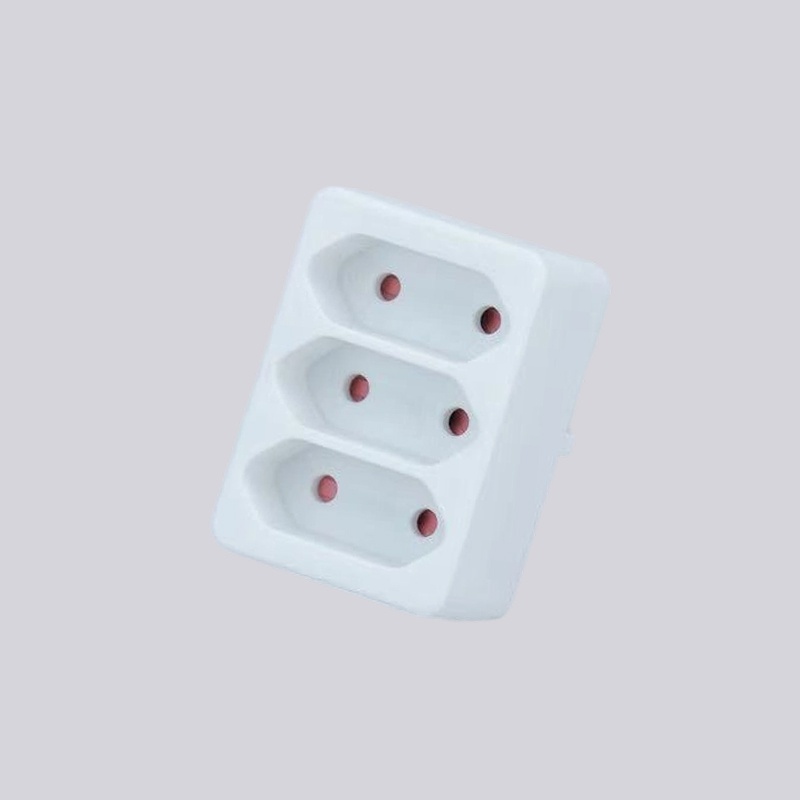
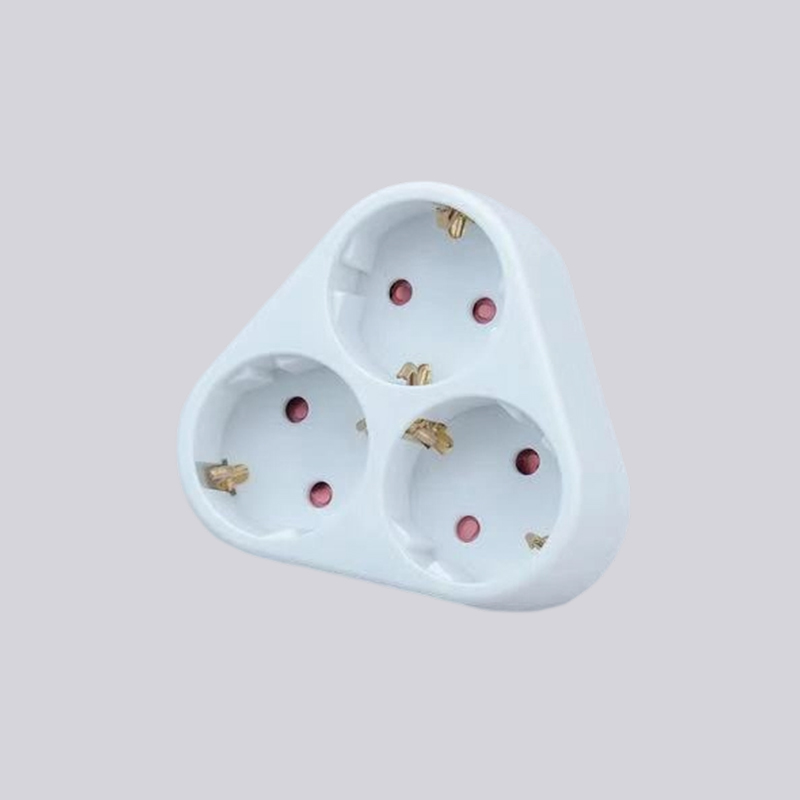
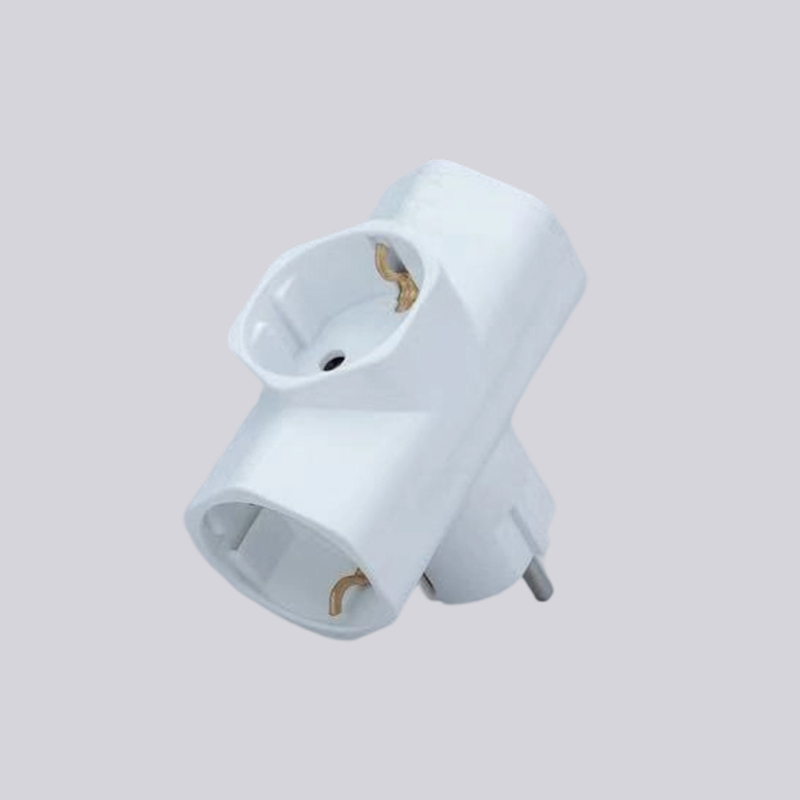
1. Which countries' sockets are compatible with the Germany Type Adapter?
The physical design of the Germany Type Adapter is based on the plug types specified in the German national standards DIN 49441 and DIN 49440. Due to its safety and popularity, this plug type has been widely adopted or used as a compatible standard in many countries and regions across Europe and around the world. Therefore, its applicability extends far beyond Germany.
Geographically, this plug type is compatible with most countries and regions in continental Europe. This includes, but is not limited to: Germany, France, the Netherlands, Austria, Sweden, Norway, Finland, Spain (with some exceptions, such as some older buildings using the Italian standard), Portugal, Denmark, Poland, the Czech Republic, Slovakia, Hungary, Romania, Bulgaria, Russia (current standard, but some older buildings may differ), Ukraine, and the three Baltic countries. The Germany Type Adapter is compatible with virtually all of continental Europe, with the exception of countries with unique standards, such as the UK (G type), Ireland (G type), Switzerland (J type), and Italy (L type, which is partially compatible).
It's worth noting that this plug standard is commonly referred to internationally as "Type C" and "Type F." Type C (CEE 7/16 Europlug) is a two-prong, ungrounded plug commonly used in low-power appliances such as mobile phone chargers. Type F (CEE 7/4 Schuko) is a two-prong, round plug with grounding clips on both sides, suitable for higher-power appliances that require grounding. Germany Type Adapters produced by manufacturers such as Cixi Lianou Electrical Appliance Co., Ltd. are generally compatible with both plug specifications and can be plugged into corresponding Type E (with a grounding hole, for example, in France, Belgium, Poland, etc.) and Type F outlets.
This standard is also used in some countries in Asia, Africa, and South America, such as South Korea, Turkey, Egypt, Argentina, and parts of Brazil. However, users traveling to these regions should confirm the specific local outlet standards in advance, as a mix of US (Type A/B), UK (Type G), and Australian (Type I) outlets may be used.
Key Points: The Germany Type Adapter is primarily compatible with most countries in continental Europe (Type C/F sockets) and also extends to some countries and regions in Asia, Africa, and Latin America. Before traveling, be sure to check the specific socket standards of your destination country to ensure compatibility.
2. Is the Germany Type Adapter compatible with all German appliances?
This is a crucial question that requires a clear distinction. The answer is no, but the reason lies not in the physical shape of the plug, but rather in differences in voltage and frequency.
First, from a physical compatibility perspective, the Germany Type Adapter is designed to allow appliances with non-German plugs to plug into German wall outlets. Therefore, as long as a Germany Type Adapter is manufactured in compliance with the specifications (for example, by a company like Cixi Lianou Electrical Appliance Co., Ltd.), it can physically adapt any plug shape (such as China's GB 2099.1 Type A/I or the United States' NEMA 1-15 Type A/B) to a German Type F socket. In this sense, it is "compatible" with all German sockets.
However, true compatibility means that the appliance can function safely and properly. This brings us to the core issue: the appliance's power supply parameters. Germany's residential electricity standard is 230 volts (V), 50 hertz (Hz). Other regions of the world, such as China (220V/50Hz), the United States (120V/60Hz), and Japan (100V/50/60Hz), have different power supply standards.
Case 1: Voltage and frequency compatibility. If an appliance (such as a laptop power adapter, high-end electric shaver, or drone charger) lists its input voltage range as "100-240V 50/60Hz," it is a wide-voltage design. In this case, simply using a Germany Type Adapter for physical conversion will allow the appliance to function properly in Germany. Most modern portable electronic device power adapters have this feature.
Case 2: Voltage incompatibility. If an appliance (such as many older rice cookers, electric kettles, hair dryers, and desk lamps) is labeled with only a single voltage, such as "220V" or "110V," plugging a US appliance that only supports 110V into a German 230V outlet via a Germany Type Adapter will cause the appliance to immediately burn out, posing a serious safety hazard. Conversely, if a German appliance that only supports 230V is brought back to China for use, even though the Chinese voltage is 220V (and generally works properly within the 230V tolerance), it will not function on the US 110V power grid.
The Germany Type Adapter only converts the voltage physically and does not alter the voltage or current. It does not function as a transformer or voltage converter. Before connecting an appliance, users must carefully check the "Input" voltage and frequency range indicated on the appliance's nameplate. For appliances that don't support wide voltage, a voltage converter (or transformer) is required, but this introduces additional power matching issues (the converter's power must be greater than the appliance's).
Key Points: The Germany Type Adapter addresses physical plug compatibility issues but does not change the voltage. Whether the appliance can be used depends on whether it supports wide voltage (100-240V). Always check the appliance's nameplate specifications and never blindly plug it in.
3. What safety certifications should I look for when purchasing a Germany Type Adapter?
Safety is paramount, especially when it comes to electrical connections. A poor-quality adapter plug can cause poor contact, overheating, short circuits, sparks, and even fire. Therefore, identifying reliable safety certifications when purchasing a Germany Type Adapter is the only way to ensure personal and property safety. These certifications indicate that the product has undergone rigorous testing by independent third-party organizations and meets relevant safety standards.
For the Germany Type Adapter, the most important certifications come from its target market: Europe. The following are several core safety certification marks:
GS certification (Geprüfte Sicherheit): This is one of Germany's most important product safety certification marks. It is tested and issued by third-party organizations authorized by the German Federal Institute for Occupational Safety and Health (BAuA), such as TÜV Rheinland, TÜV SÜD, and VDE. While not legally mandatory, GS certification is a highly trusted safety mark for consumers in Germany and across Europe, indicating compliance with the German Equipment and Product Safety Act (GPSG) and relevant European EN standards (such as EN 60884-1 and EN 50075). Choosing an adaptor with the GS mark indicates that its material meets extremely high standards for key performance indicators such as flame retardancy, mechanical strength, and clearance and creepage distances.
VDE certification: Issued by the testing institute under the German Association of Electrical Engineers (Verband der Elektrotechnik, Elektronik und Informationstechnik e.V.). VDE is a highly reputable certification body in Europe and globally, particularly in the field of electrical engineering. Products bearing the VDE mark indicate full compliance with VDE specifications and corresponding national and international standards. For plugs, sockets, and connectors, VDE certification is a high guarantee of professionalism and safety.
The CE mark (Conformité Européenne): This is a mandatory certification mark for products entering the European Economic Area (EEA) market. It signifies that the manufacturer declares that the product complies with the essential requirements of relevant EU directives, such as the Low Voltage Directive (LVD) and the Electromagnetic Compatibility Directive (EMC). However, the CE mark is a "self-declaration" and is not always issued by a third-party organization, resulting in a delayed oversight. Therefore, while CE serves as a barrier to entry, it cannot be solely relied upon as a guarantee of high quality. A responsible manufacturer, such as Cixi Lianou Electrical Appliance Co., Ltd., will affix the CE mark after ensuring that its products meet all standards.
Other European certifications, such as Austria's OVE and the Nordic countries' Nemko and Semko, are equally authoritative and demonstrate compliance with European harmonized standards.
When purchasing, users should prioritize looking for the GS or VDE mark clearly printed on the packaging or product itself. These marks are usually accompanied by the abbreviation of the issuing organization (e.g., TÜV, VDE). You can also observe the product's workmanship: high-quality adaptors are typically made of high-strength, flame-retardant PC engineering plastic for a sturdy feel. The internal metal sleeve is thick and made of high-quality materials such as phosphor bronze to ensure flexibility and conductivity. It also plugs tightly together, with no looseness.



 English
  中文简体
中文简体