I. Core Technologies and Specifications of Germany Type Extension Cords
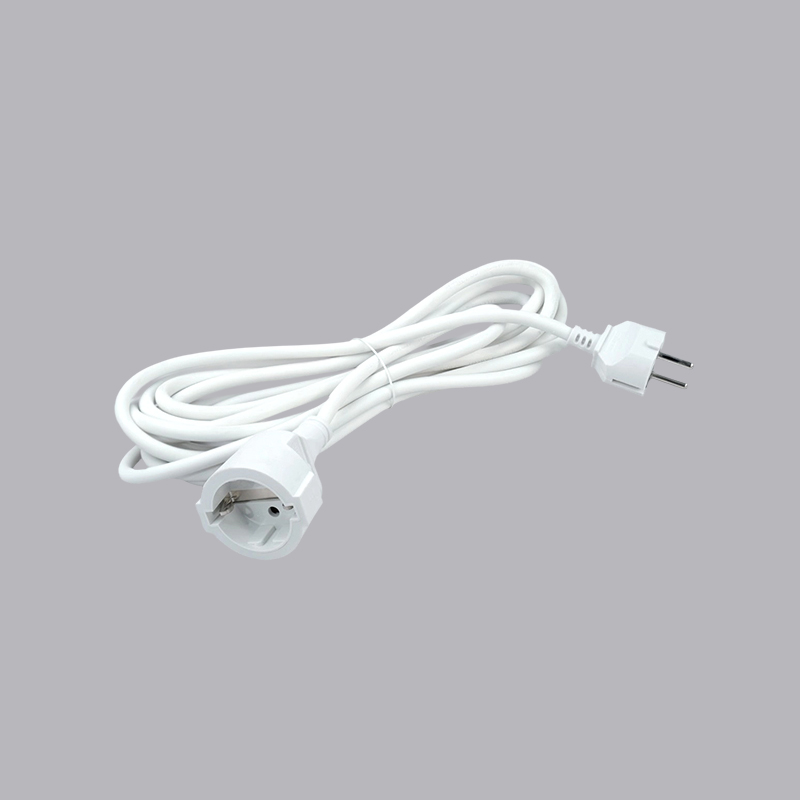
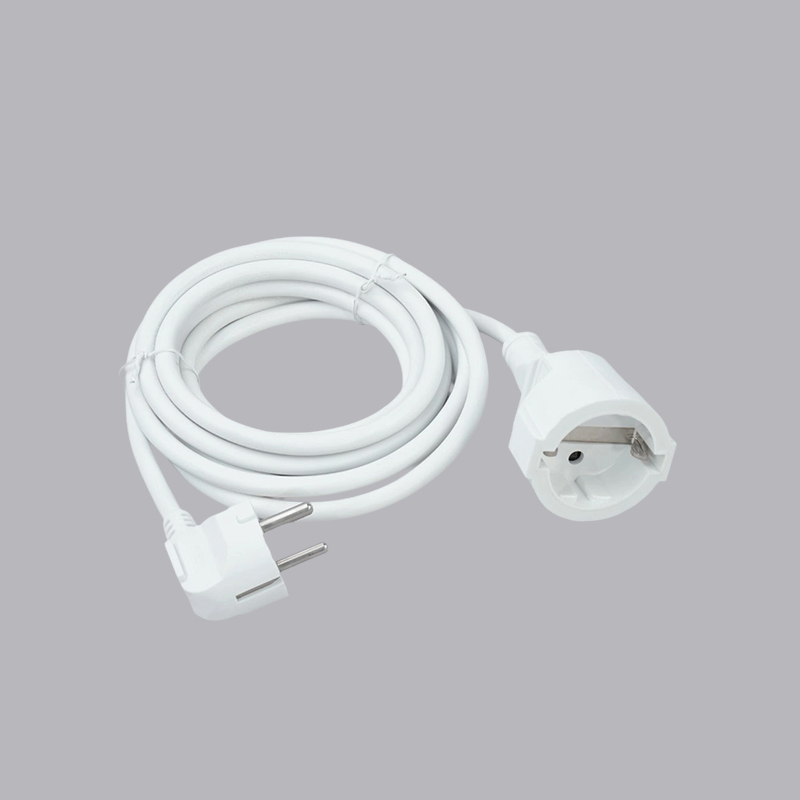
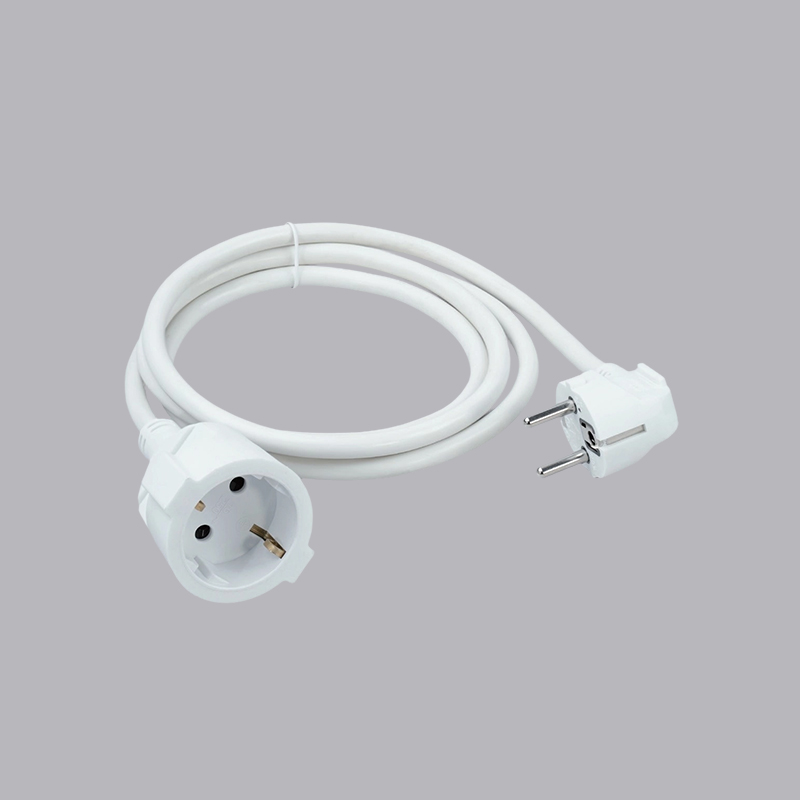
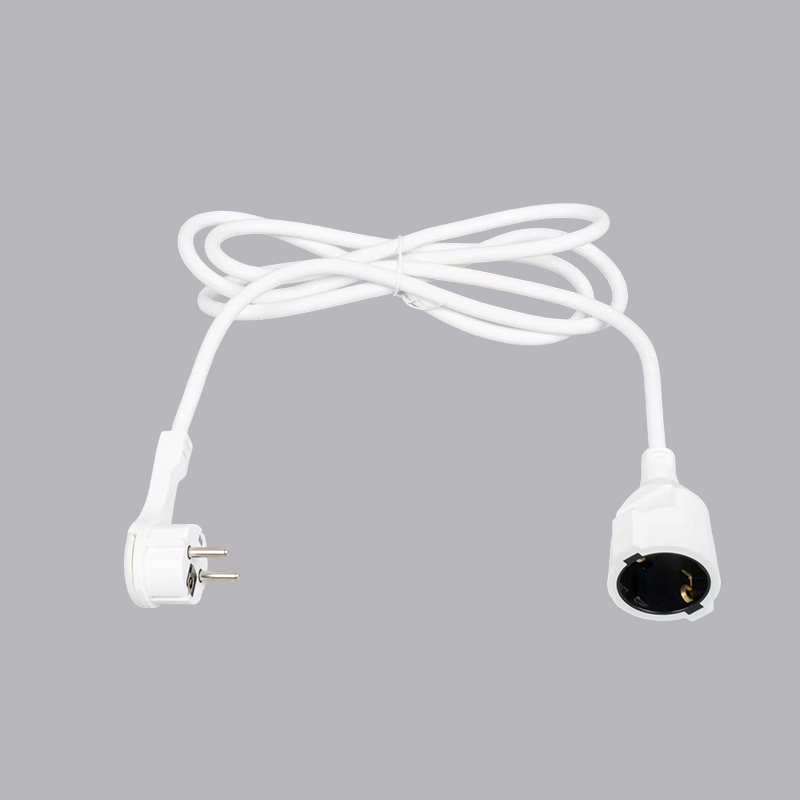
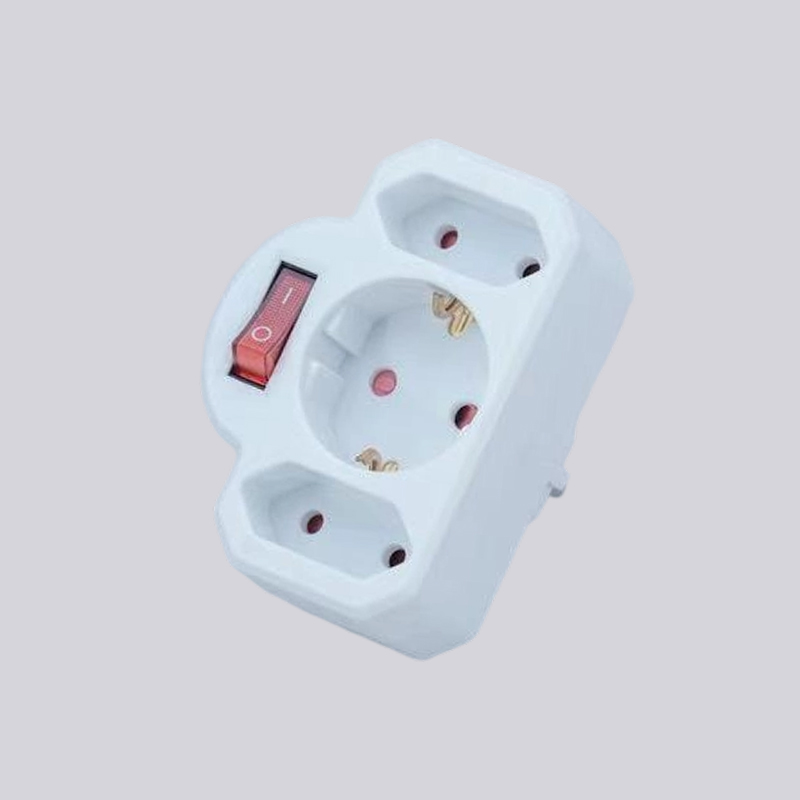
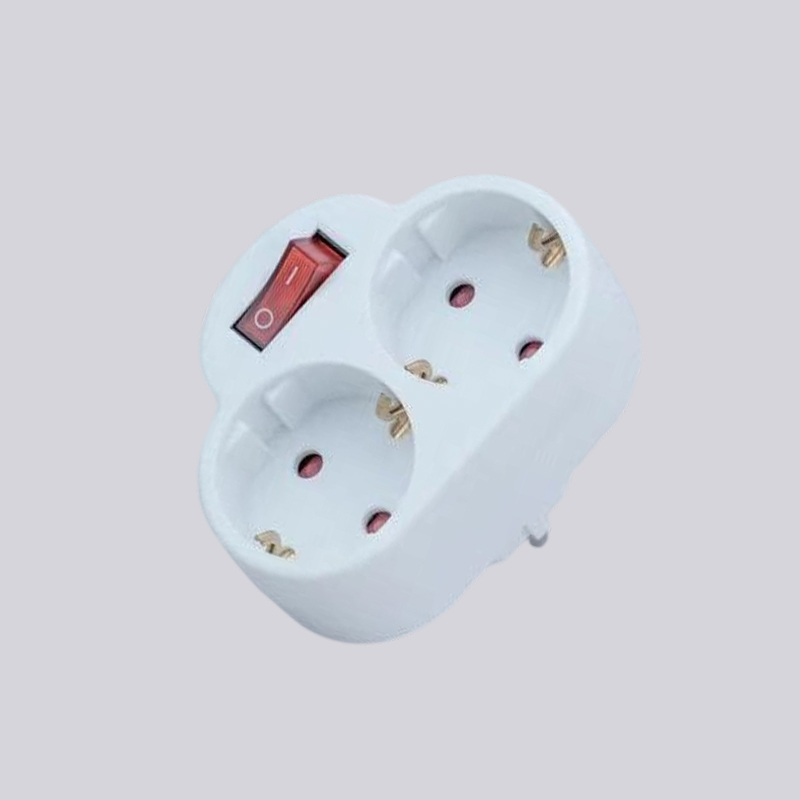
Germany Type Extension Cords generally refer to extension cords that comply with German national electrical safety regulations (such as the VDE standard) and use German standard plugs (such as the SCHUKO plug, which complies with the CEE 7/4 standard). Their core features are as follows:
Plug and Socket Specifications:
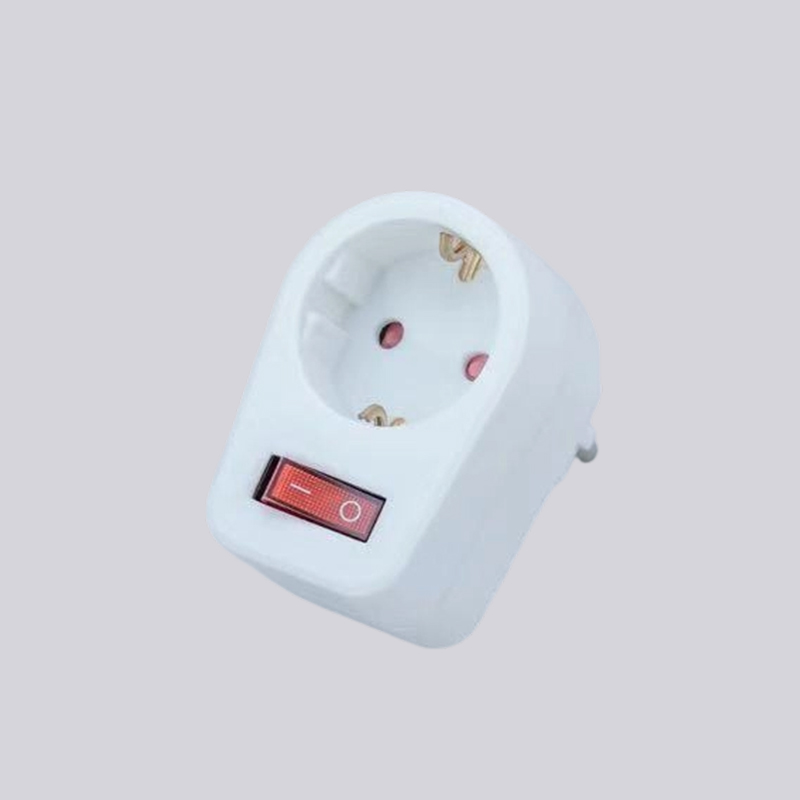
Plug Standard: The German standard plug (Type F) is a round design with two cylindrical pins, 4.8mm in diameter and 19mm in length, spaced 19mm apart. Its most critical feature is a grounding contact (commonly known as an "ear" or "SCHUKO ground") on each side for protective earthing. This design complies with DIN 49440 and VDE 0620-1.
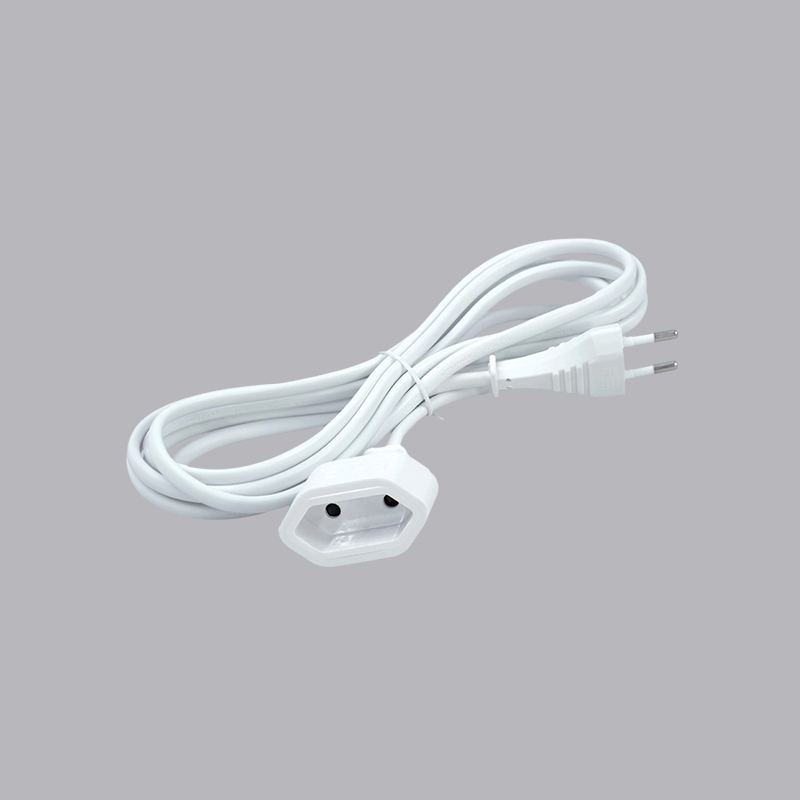
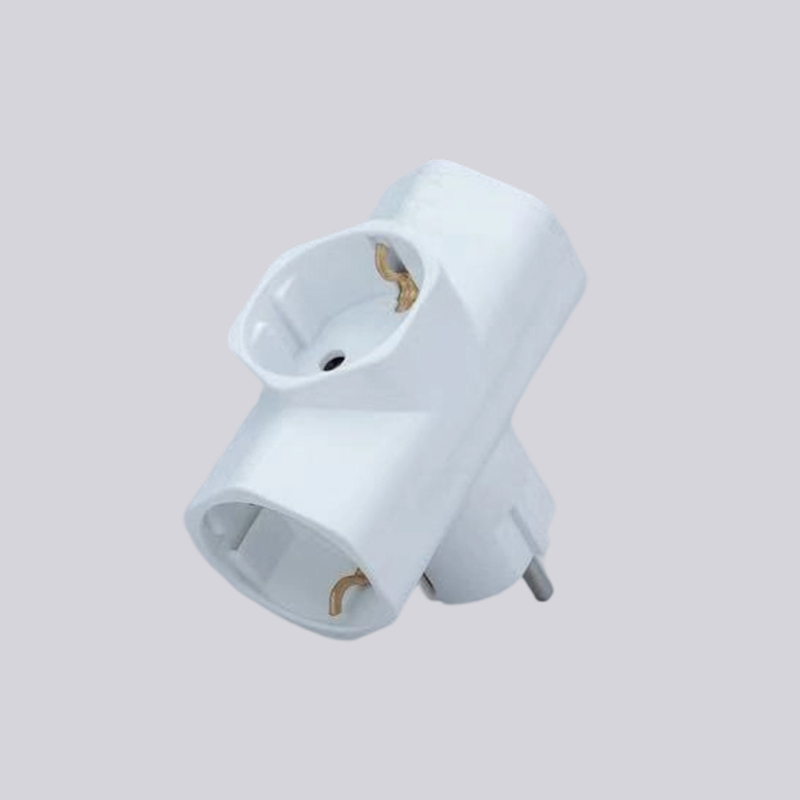
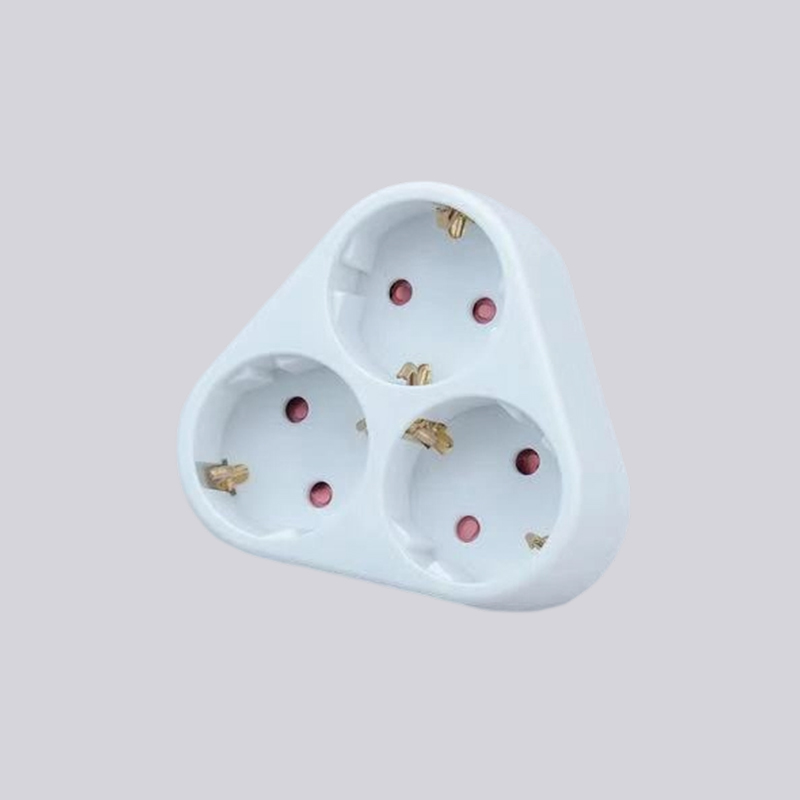
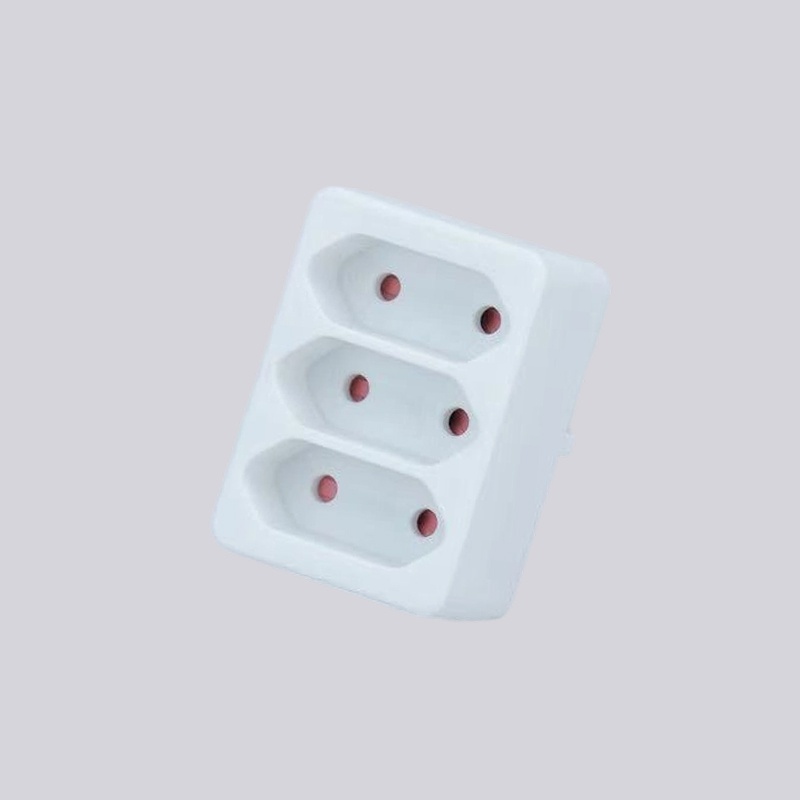
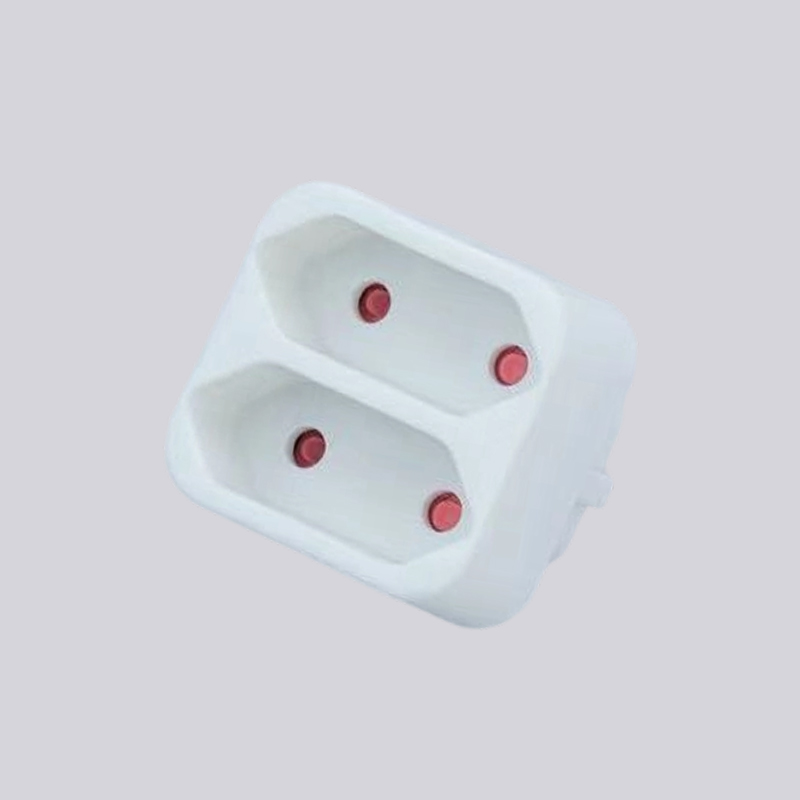
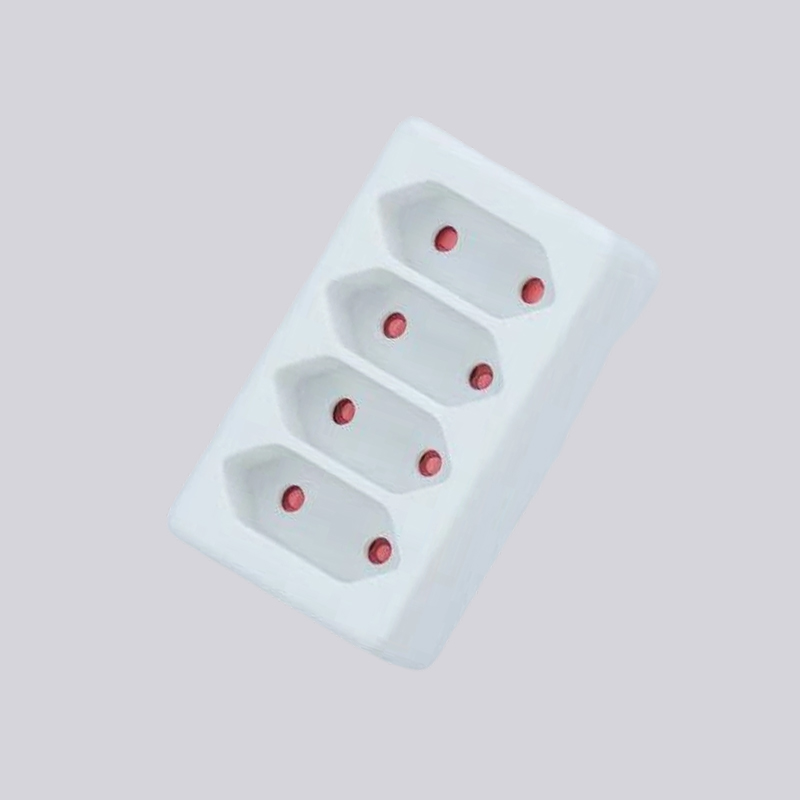
Socket Compatibility: German standard sockets (Type F) also feature a round, recessed design, with side grounding clips that securely connect to the plug's side contacts. This standard socket is also compatible with European plugs (Type C, CEE 7/16 and 7/17), but German plugs cannot be plugged into Type C sockets, which only support two pins, due to their grounding design.
Mechanical and Electrical Safety: VDE standards have extremely precise requirements for plug dimensions, strength, wear resistance, and insertion and removal forces. For example, insertion and removal force testing ensures that the plug is neither too tight, causing difficulty, nor too loose, causing poor contact and heat generation.
Cable Technical Parameters:
Conductor Material: High-purity oxygen-free copper (OFC) is typically used as the conductor, ensuring extremely low resistivity and excellent conductivity, reducing energy loss and heat generation.
Insulation and Jacket: The cable insulation and outer jacket are generally made of high-quality polyvinyl chloride (PVC). According to VDE standards, cables must exhibit good heat resistance (e.g., a maximum operating temperature of 70°C or 90°C), cold resistance (remaining flexible at -25°C or -40°C), flame retardancy (meeting the IEC 60332-1 flame retardancy rating), tensile strength, and chemical resistance.
Construction Design: Standard H03VV-F or H05VV-F cables are common configurations. Taking H05VV-F 3G1.5 as an example, "H" indicates harmonization, "05" denotes 300/500V voltage, "VV" designates PVC insulation and sheath, "F" indicates flexible conductor, "3G" indicates three cores (live, neutral, and ground), and "1.5" indicates a conductor cross-sectional area of 1.5 mm². The choice of cross-sectional area (e.g., 0.75mm², 1.0mm², 1.5mm², 2.5mm²) directly determines the rated current (typically 10A to 16A) and power handling capacity (~2300W to 3680W).
Safety Certification System:
VDE certification: Issued by the German Association of Electrical Engineers (Verband der Elektrotechnik, Elektronik und Informationstechnik e.V.), it is a mandatory or de facto certification for entering the high-end markets in Germany and Europe. The VDE mark indicates that the product has passed comprehensive testing, including electrical strength, insulation resistance, mechanical stress, temperature rise, heat and fire resistance, and more.
GS certification (Geprüfte Sicherheit): Meaning "tested safety," this is a voluntary certification based on the German Equipment and Product Safety Act (GPSG), but it is widely trusted by consumers due to its authoritativeness. It requires that the product comply with German safety standards and undergo factory inspection and product testing by certification bodies (such as VDE and TÜV).
The CE mark is a legal entry mark for products entering the EU market, indicating compliance with a range of safety, health, and environmental requirements, including the EU Low Voltage Directive (LVD 2014/35/EU). Manufacturers are required to submit a self-declaration of conformity and maintain technical documentation.
II. Manufacturing Process and Quality Control of Germany Type Extension Cords
Taking the example of professional manufacturer Cixi Lianou Electrical Appliance Co., Ltd., its production process demonstrates strict adherence to German standards.
Raw Material Control:
The company strictly controls quality from the source. Procured PVC pellets and copper materials must comply with ROHS, REACH, and VDE standards. All raw materials undergo rigorous chemical composition analysis and physical property testing before entering storage.
Cable Production:
Conductor Stranding: Precision stranding machines twist multiple fine copper wires in a specific direction to create a flexible and bend-resistant conductor, ensuring the extension cord resists breakage during daily use.
Extrusion: Using a high-temperature, high-pressure extruder, PVC plastic is evenly wrapped around the conductor, forming an insulation layer and jacket of precise thickness and high concentricity. The temperature and speed of the cooling water tank are precisely controlled to eliminate internal stress and prevent deformation.
Plug/Socket Injection Molding and Assembly:
Precision Injection Molding: High-precision injection molding machines and molds are used to produce the plug housing and internal pin module. The accuracy of the molds determines whether the plug dimensions meet the stringent VDE tolerances.
Crimping and Riveting: Fully or semi-automatic equipment is used to crimp or rivet the cable conductors to the plug pins and grounding lugs. This process is crucial for connection resistance and mechanical strength, and parameters such as pressure and displacement are monitored and recorded in real time.
Ultrasonic Welding: Some high-end processes use ultrasonic welding technology to connect the ground wire, creating a molecular-level fusion that far exceeds the reliability and stability of mechanical connections.
Full-Process Testing:
In-Line Testing: Multiple inspection points are set up along the production line to perform tests such as Hi-Pot tests, ground continuity tests, and polarity tests.
Final Inspection: Every finished extension cord must pass 100% comprehensive safety testing, including high-voltage testing (e.g., 3750V AC), insulation resistance testing, insertion and extraction force testing, and cable pull testing.
Regular Type Testing: The laboratory regularly conducts more comprehensive destructive testing on products, such as temperature rise testing (measuring the temperature of various components at rated current), ball pressure testing (testing the insulation material's resistance to heat deformation), and glow-wire testing (testing flame retardancy), to verify the ongoing compliance of the product design.
III. Application Areas and Market Positioning
Germany Type Extension Cords, with their impeccable safety record, are widely used in applications requiring the highest electrical safety standards.
Home and Office Applications: Connect to computers, printers, stereos, televisions, and kitchen appliances (e.g., coffee makers and microwave ovens). Features such as overload protection and child safety gates (available on some socket models) provide additional protection for daily home use.
Industrial and Laboratory Environments: Used in factory workshops and R&D labs, they connect precision instruments, CNC equipment, and testing equipment. Its stable electrical performance and robust mechanical structure enable it to adapt to complex environments.
Commercial and public facilities: Public places such as shopping malls, airports, conference centers, and schools generally use extension cords that meet German or similar high standards (such as IEC standards) to minimize the risk of fire and electric shock and fulfill their safety responsibilities.
Cixi Lianou Electrical Appliance Co., Ltd., a key enterprise in Zhejiang Province, specializes in producing cable assemblies that meet international certification standards at its 5,000-square-meter production facility. The company integrates design, development, production, sales, and service. Its European-standard power cords, PVC power cords, and multi-nationally certified plugs and sockets are widely used in a variety of small appliances, electronic products, and household appliances. By integrating a vertical supply chain, the company ensures strict control at every stage, from PVC raw materials to finished extension cords, enabling it to consistently deliver products that meet high standards such as the German VDE standard.
IV. Market Compliance and Development Trends
Regulatory Compliance: In the EU market, German-standard extension cords must continue to meet evolving regulatory requirements, such as the ErP Directive (Energy Performance), the RoHS 3 Directive (Restriction of Hazardous Substances), and the REACH Regulation (Registration, Evaluation, Authorization, and Restriction of Chemicals).
Technological Evolution:
Intelligent: Smart extension cords with integrated overload protection, residual current device (RCD), current and voltage display, USB charging ports, and even Wi-Fi remote control are beginning to appear on the market.
New Material Applications: Halogen-free flame retardant materials (Halogen-free) and thermoplastic elastomers (TPE), which offer more environmentally friendly and superior performance, are gradually replacing traditional PVC.
High-Power Applications: With the increasing popularity of electric vehicle home chargers and high-power smart home devices, demand for extension cords that support higher currents (e.g., 32A) and faster charging speeds is growing.



 English
  中文简体
中文简体