English
  中文简体
中文简体 
How Many Watts Can a European Extension Cord Handle Safely?
 2026.03.05
 Industry News
Whether you're powering a home office, running appliances in a kitchen, or setting up a workshop, understanding the wattage limits of a European extension cord is essential for safety. Overloading an extension cord can cause overheating, fire hazards, or irreversible damage to your devices — yet millions of households do it every day without realizing the risk.
This guide breaks down everything you need to know: standard wattage capacities, how to read cord ratings, what factors affect safe load limits, and how to choose the right European extension cord for your specific situation.
Content
- Understanding European Electrical Standards
- Standard Wattage Ratings for European Extension Cords
- How Cable Length Affects Safe Wattage
- European vs. US Extension Cord: Key Differences
- Common Appliances and Their Wattage: Can Your Extension Cord Handle It?
- How to Choose the Right European Extension Cord
- Safety Rules Every User Must Follow
- Frequently Asked Questions (FAQ)
- Final Thoughts
Understanding European Electrical Standards
Europe operates on a 230V / 50Hz electrical system, which differs significantly from North America's 120V standard. This higher voltage means European sockets and extension cords carry more power per ampere — which is both an advantage (more power delivered) and a responsibility (more energy if something goes wrong).
The formula you need to know is:
Wattage (W) = Voltage (V) × Current (A)
Example: 230V × 16A = 3,680 Watts
Example: 230V × 16A = 3,680 Watts
Most standard European homes are fitted with 16-ampere circuit breakers, meaning a single socket circuit is typically rated for up to 3,680W. However, the extension cord itself may be rated lower — and that's where the danger begins.
Standard Wattage Ratings for European Extension Cords
A European extension cord is typically rated by its amperage (A), from which you can calculate the maximum wattage. The most common ratings are:
| Amperage Rating | Max Wattage (230V) | Safe Working Load (80%) | Typical Use Case |
| 6A | 1,380W | 1,104W | Phone chargers, lamps, small electronics |
| 10A | 2,300W | 1,840W | Computers, TVs, fans, kitchen appliances |
| 13A | 2,990W | 2,392W | Microwaves, washing machines (small) |
| 16A | 3,680W | 2,944W | High-power tools, heaters, air conditioners |
Electricians recommend operating extension cords at no more than 80% of their rated maximum to prevent overheating and ensure long-term durability. This is known as the "safe working load" rule.
How Cable Length Affects Safe Wattage
One factor many people overlook is that cable length significantly affects safe wattage capacity. Longer cables have higher electrical resistance, which causes more energy to be lost as heat — reducing effective power delivery and increasing fire risk if overloaded.
| Cable Length | Recommended Max Load (1.5mm²) | Recommended Max Load (2.5mm²) |
| Up to 5m | 3,500W | 3,680W |
| 5m – 10m | 2,500W | 3,500W |
| 10m – 25m | 1,500W | 2,500W |
| 25m – 50m | Not recommended | 1,500W max |
For longer runs, always choose a European extension cord with a thicker cable cross-section (2.5mm² or higher). Thin cables (1.0mm²) used in long extensions are one of the leading causes of electrical fires in European households.
European vs. US Extension Cord: Key Differences
Travelers and expats are often confused about whether they can use cords interchangeably. The short answer is: no. Here's a side-by-side comparison:
| Feature | European Extension Cord | US Extension Cord |
| Voltage | 230V | 120V |
| Plug Type | Type C, E, F (Schuko) | Type A / B (NEMA) |
| Max Wattage (16A) | 3,680W | 1,920W |
| Safety Certification | CE, VDE, TÜV | UL, ETL |
| Grounding | Standard (3-pin Schuko) | Standard (3-prong) or 2-prong |
| Surge Protection | Often included in quality models | Common in power strips |
Common Appliances and Their Wattage: Can Your Extension Cord Handle It?
Before plugging in, always check whether your European extension cord can safely support the total wattage of all connected devices combined.
| Appliance | Typical Wattage | Safe on 10A Cord? | Safe on 16A Cord? |
| Phone Charger | 5–25W | Yes | Yes |
| Laptop | 45–100W | Yes | Yes |
| Microwave | 800–1,200W | Borderline | Yes |
| Electric Kettle | 1,500–3,000W | No | Yes (if under 3,000W) |
| Space Heater | 1,000–2,500W | Risky | Yes |
| Washing Machine | 2,000–2,500W | No | Use dedicated circuit |
| Air Conditioner | 1,000–3,500W | No | Dedicated line recommended |
How to Choose the Right European Extension Cord
1. Check the Amperage and Wattage Label
Every European extension cord should have a label stating its maximum amperage (e.g., 16A) and wattage (e.g., 3,680W). Never use a cord without visible ratings — it's a sign of poor manufacturing quality.
2. Choose the Right Cable Cross-Section
For low-power uses (electronics, lighting), 1.5mm² cable is sufficient. For high-power appliances or longer cords, always opt for 2.5mm². For workshop or industrial use, consider 4mm².
3. Look for Safety Certifications
Always buy a European extension cord with recognized certifications:
- CE Mark – Mandatory for products sold in the EU
- VDE – German electrical safety testing (highest standard)
- TÜV – Widely respected European certification
- KEMA-KEUR – Dutch electrical safety certification
4. Consider Surge Protection and Grounding
For sensitive electronics like computers and TVs, choose a European extension cord with surge protection. Ensure the cord has a grounded (3-pin Schuko) plug for added safety.
Safety Rules Every User Must Follow
- Never daisy-chain multiple extension cords — this multiplies resistance and dramatically increases fire risk.
- Always unroll the cord fully when in use; a coiled cord generates heat that can melt insulation.
- Do not run extension cords under carpets or rugs — trapped heat is a leading cause of electrical fires.
- Never use a damaged cord with frayed insulation, bent prongs, or visible burns.
- Use outdoor-rated cords outside — indoor cords are not weatherproof.
- High-wattage appliances like heaters and kettles should ideally be plugged directly into a wall socket.
Frequently Asked Questions (FAQ)
Final Thoughts
A quality European extension cord is a reliable and convenient tool — but only when used within its rated limits. Understanding wattage, amperage, cable length, and cross-section gives you the knowledge to use extension cords safely and effectively.
As a rule of thumb: always add up the total wattage of all devices you plan to connect, ensure the sum falls below 80% of your cord's rated maximum, and choose a cord with appropriate safety certifications. For high-demand appliances, dedicated wall sockets are always the safest option.
Investing in a high-quality, properly rated European extension cord is a small cost compared to the safety and peace of mind it provides for your home, devices, and family.
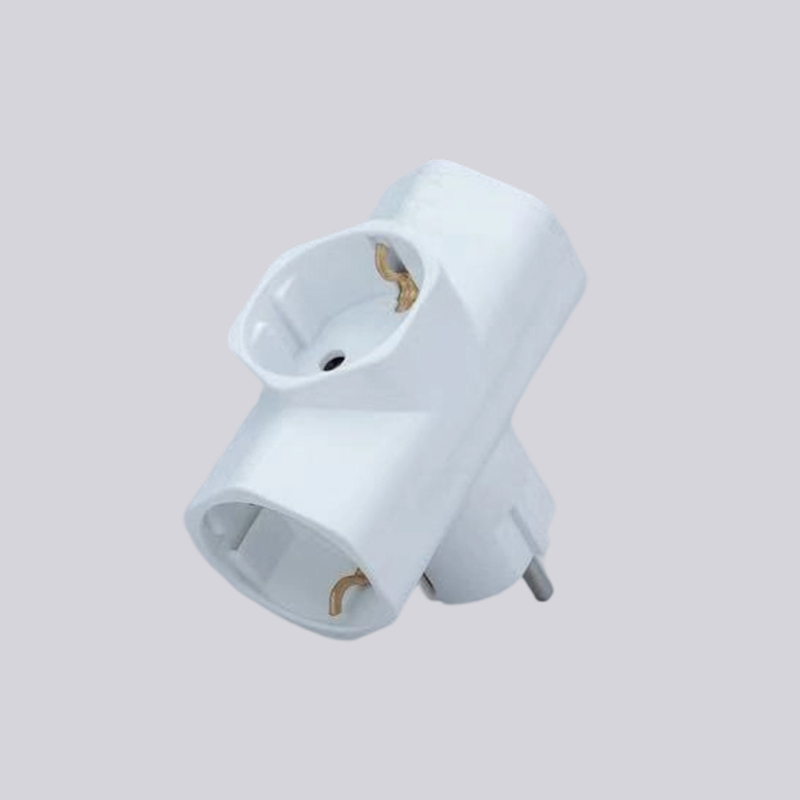
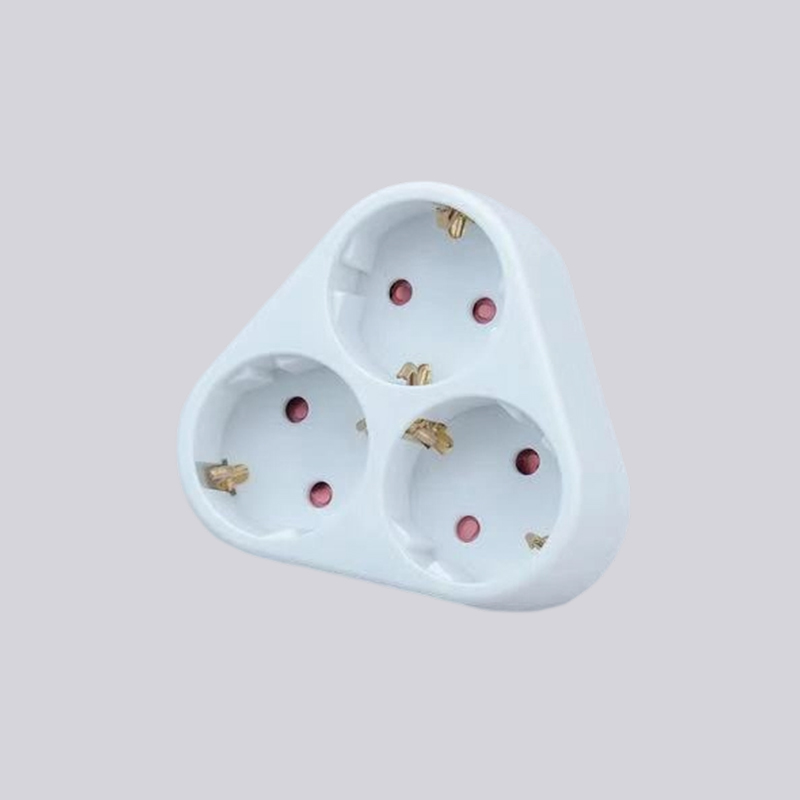
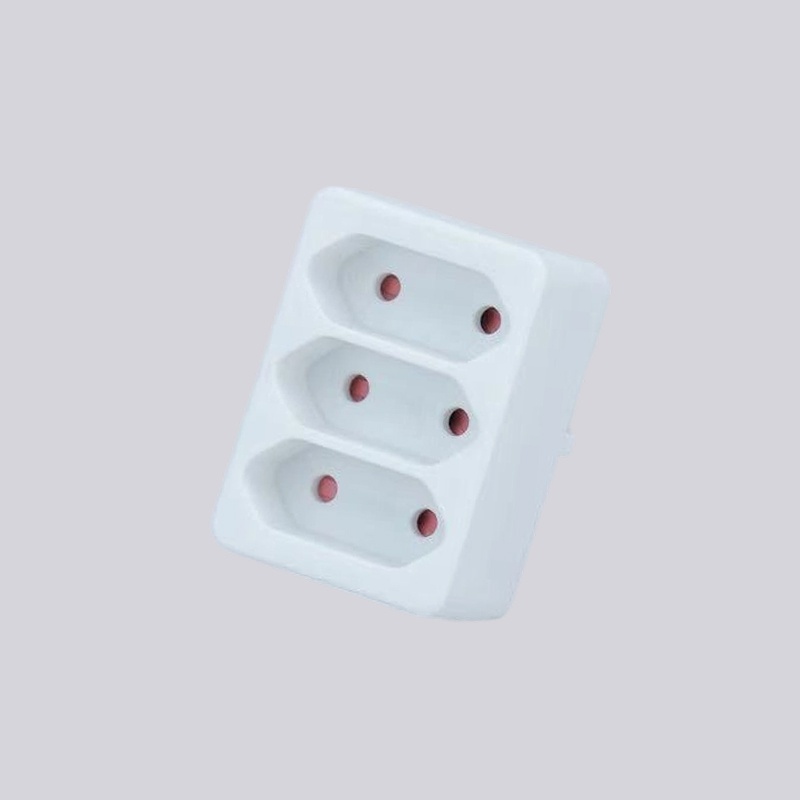
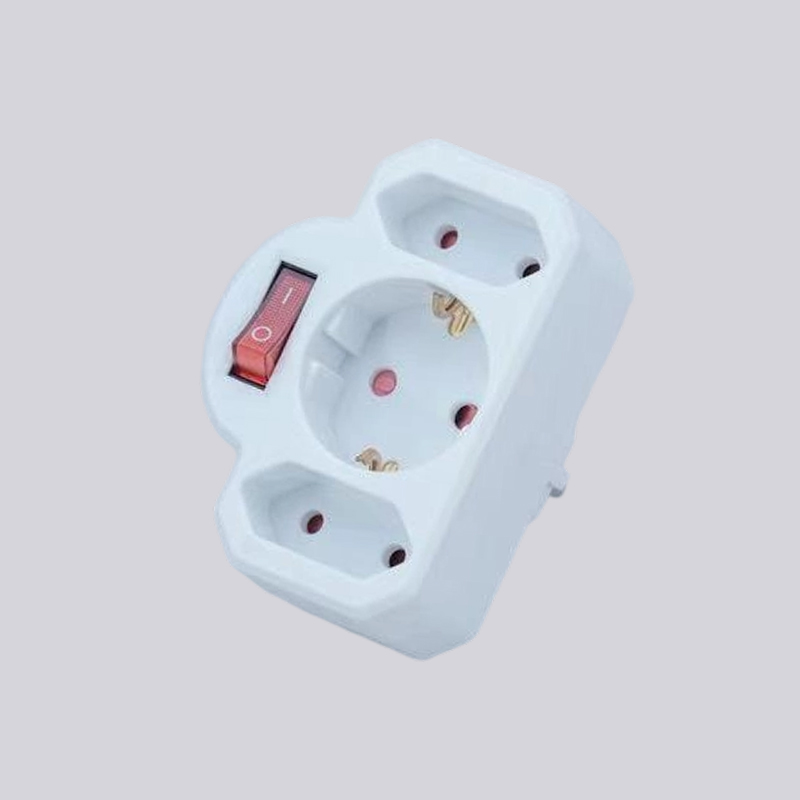
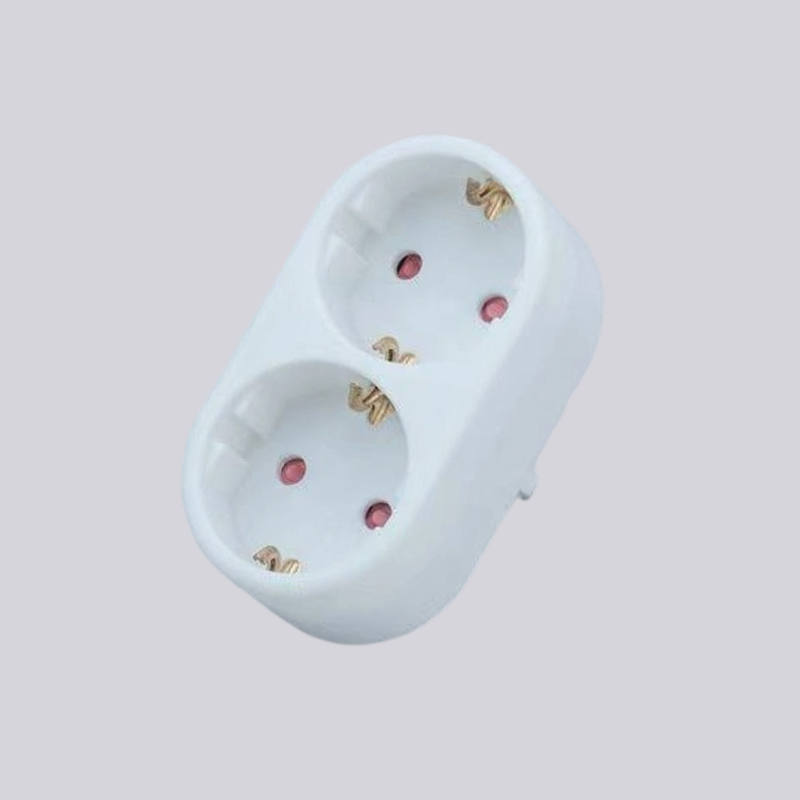
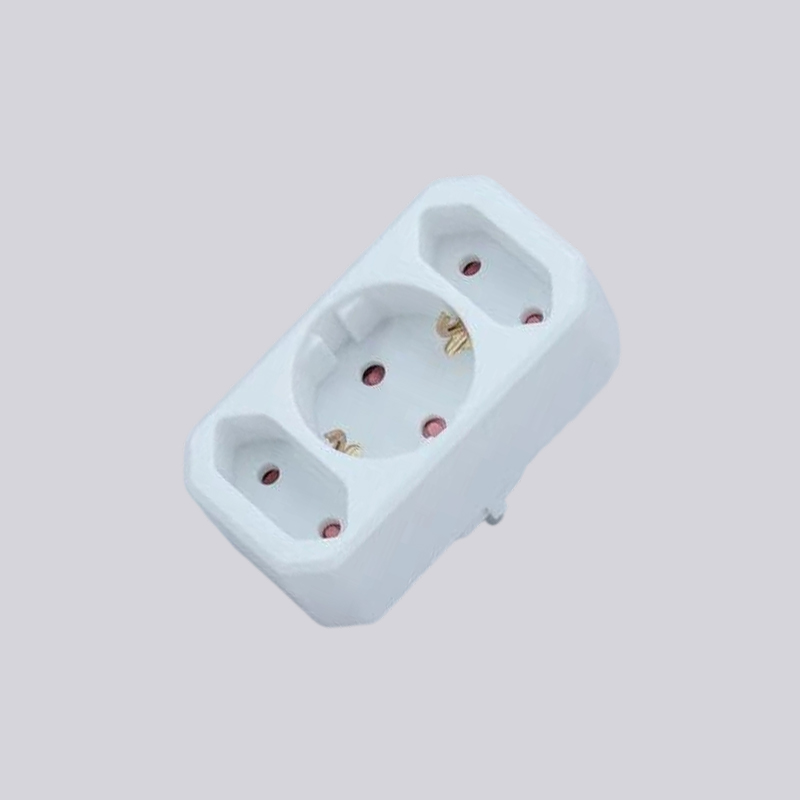

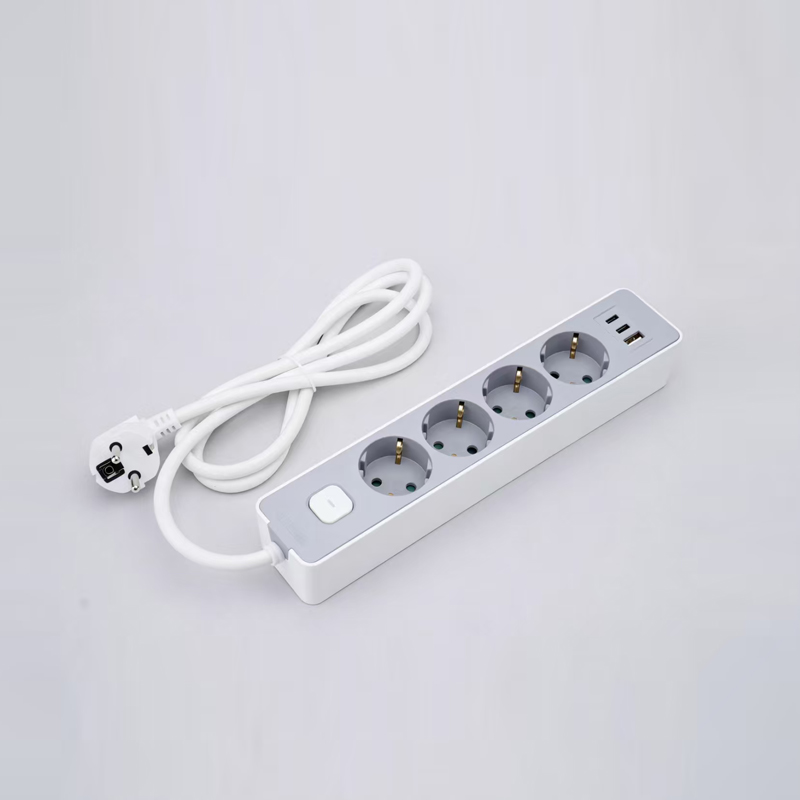

If you are interested in our products, please consult us
- CONTACT DETAILS
- Address : Guanhaiwei East Industrial Zone,Cixi, Ningbo,315314 Zhejiang, P.R.China.
- TEL: helen:+86-15867389889 Young:+86-15958216886 +86-0574-63666678
- Email:[email protected] [email protected]
- Fax:86-0574-63668558
- PRODUCTS
- Power Strip
- Extension Cord
- Cable Reel
- Adapter
- Plug
- QUICK LINK
- Company Profile
- company culture
- Plant equipment
- FAQ
- NEWS CENTER
- Company News
- Industry News
- MOBILE TERMINAL
-