English
  中文简体
中文简体 
What Safety Features Does German Type Power Strip Have?
 2025.11.07
 Industry News
Power strips are essential electrical accessories in both homes and offices, responsible for expanding power outlets and meeting the electricity needs of multiple devices. However, improper use or lack of safety design in power strips may lead to electrical fires, electric shocks, and other hazards. Among various types of power strips, German type power strips are widely recognized for their strict safety standards and comprehensive safety features. What specific safety designs do they have to effectively prevent electrical risks? How do these features protect users and electrical equipment? Let's explore this topic through a series of core questions.
Content
- 1. How Does the Overload Protection Feature of German Type Power Strip Prevent Electrical Hazards?
- 2. What Anti-Electric Shock Designs Are Adopted in German Type Power Strip to Protect Users?
- 3. How Does the Fire-Resistant Performance of German Type Power Strip Reduce the Risk of Electrical Fires?
- 4. What Grounding Protection Features Does German Type Power Strip Have to Enhance Safety?
- 5. How Does the Child Safety Design of German Type Power Strip Protect Children from Electrical Risks?
- 6. What Durability Designs of German Type Power Strip Contribute to Long-Term Safety?
1. How Does the Overload Protection Feature of German Type Power Strip Prevent Electrical Hazards?
Overload is one of the main causes of power strip failures—when the total power of connected devices exceeds the maximum load capacity of the power strip, the internal wires and components will overheat, which may melt the insulation layer and even ignite surrounding materials, causing electrical fires. How does the overload protection feature of German type power strips solve this problem?
German type power strips are usually equipped with automatic overload protectors (also known as overload circuit breakers), which are core components to prevent overload. The protector is composed of a bimetallic strip or a current-sensitive element, which can monitor the current passing through the power strip in real time. When the total current of the connected devices exceeds the rated current of the power strip (usually 10A or 16A, corresponding to a maximum load power of 2200W or 3520W for 220V circuits), the bimetallic strip will bend due to thermal expansion (different expansion coefficients of the two metals), or the current-sensitive element will trigger a mechanical switch, quickly cutting off the power supply of the power strip. This process usually takes only 0.1-0.5 seconds, which can effectively avoid overheating of internal components and wires.
Unlike some ordinary power strips that only rely on fuses (which need to be replaced after fusing), the overload protector of German type power strips has a reset function. After the overload fault is eliminated (such as unplugging some high-power devices), users only need to press the reset button on the protector to restore the power supply of the power strip, which is more convenient and can be reused for a long time. In addition, the rated current and maximum load power of German type power strips are clearly marked on the shell (usually in prominent positions such as the front or side), reminding users not to connect excessive high-power devices, further reducing the risk of overload.
2. What Anti-Electric Shock Designs Are Adopted in German Type Power Strip to Protect Users?
Electric shock is a direct threat to user safety—when fingers or metal objects accidentally touch the internal metal contacts of the socket, it may cause electric shock accidents, especially for children and the elderly with weak self-protection awareness. What anti-electric shock designs do German type power strips have to avoid this risk?
First, German type power strips adopt safety door sockets (also known as child-proof sockets), which is a mandatory safety design. Each socket hole is equipped with a built-in safety door made of insulating material (such as high-temperature resistant plastic). The safety door has a special mechanical structure: it can only be pushed open when the plug pins (live wire and neutral wire pins) are inserted at the same time and apply a certain force (usually 30-50N). If only a single metal rod (such as a screwdriver) or a child's finger is inserted into one socket hole, the safety door will not be opened due to the unbalanced force, and the internal metal contacts cannot be touched. This design can effectively prevent electric shock caused by accidental insertion of foreign objects, especially for families with children.
Second, the socket hole size and spacing of German type power strips are strictly in accordance with international safety standards. The diameter of the socket holes and the distance between the live wire, neutral wire, and ground wire holes are precisely designed to ensure that the plug can be tightly connected to the internal contacts after insertion, and there will be no loose contact (which may cause arcing and overheating). At the same time, the depth of the socket holes is sufficient (usually more than 15mm), which can prevent the plug from falling off easily and avoid the exposure of metal pins during use.
Third, the shell and internal wiring of German type power strips also have anti-electric shock considerations. The shell is made of high-quality insulating materials with high dielectric strength (such as PC plastic or ABS plastic), which can withstand high voltage (usually 2500V or more) without breakdown, ensuring that even if the internal wires are damaged, the shell will not conduct electricity. The internal live wire, neutral wire, and ground wire are separated by insulating partitions, and the connection points are fixed with screws or crimping terminals to prevent wire displacement and short circuit between wires, further reducing the risk of electric shock.
3. How Does the Fire-Resistant Performance of German Type Power Strip Reduce the Risk of Electrical Fires?
Electrical fires caused by power strips usually start from the overheating of internal components or wires, which ignites the shell or surrounding flammable materials. What fire-resistant designs do German type power strips have to delay or prevent the spread of fire?
First, the shell material of German type power strips has excellent fire-resistant performance. Most products use flame-retardant materials that meet the V0 level (the highest level of flame retardancy in the UL94 standard) or the equivalent European EN 60695 standard. This type of material has the characteristics of "self-extinguishing after leaving the fire": when exposed to high temperature or open flame, it will not burn continuously, and the flame will go out within 10 seconds after the fire source is removed. At the same time, the material does not produce dripping molten substances when burning (which may ignite other materials), and the smoke produced is low-toxic, reducing the harm caused by fire.
Second, the internal metal components of German type power strips are made of high-temperature resistant materials. For example, the socket contacts are usually made of copper alloy with high conductivity and high temperature resistance (such as brass or phosphor bronze), which can withstand high temperatures of 100-150°C without deformation or oxidation. The internal connecting wires use high-temperature resistant insulation sleeves (such as PVC sleeves or silicone sleeves), which can maintain the insulation performance even when the wire temperature rises due to overload or poor contact, avoiding insulation layer melting and short circuit.
Third, German type power strips are designed with heat dissipation structures to reduce internal temperature rise. Some products are equipped with heat dissipation holes on the shell (usually on the top or bottom), which can form air convection and accelerate the heat dissipation of internal components. For power strips with USB charging ports (a common design in modern products), the USB module is equipped with independent heat dissipation components (such as heat sinks) to prevent overheating caused by long-term charging of multiple devices. In addition, the internal layout of the power strip is reasonable, with sufficient spacing between components, avoiding local overheating caused by excessive component density.
4. What Grounding Protection Features Does German Type Power Strip Have to Enhance Safety?
Grounding protection is an important measure to prevent electric shock caused by equipment leakage—when electrical equipment (such as refrigerators, washing machines, and computers) leaks, the leakage current can be introduced into the ground through the grounding wire, avoiding the shell of the equipment from being charged and causing electric shock to users. How does the grounding protection feature of German type power strips work?
First, all sockets of German type power strips are equipped with independent grounding terminals (the third hole in the socket), and the internal grounding wire is made of thick copper wire (usually with a cross-sectional area of 1.5mm² or more, which is the same as the live wire and neutral wire). The grounding wire is directly connected to the grounding pin of the power plug of the power strip, and after the plug is inserted into the household socket, it is connected to the building's grounding system. When the connected equipment leaks, the leakage current will flow through the grounding wire of the power strip to the ground, and the leakage current can trigger the household leakage protector (if equipped) to cut off the power supply, further ensuring user safety.
Second, the grounding continuity of German type power strips is strictly tested during production. Each product must pass the grounding resistance test (the grounding resistance should be less than 0.1Ω) to ensure that the grounding wire is well connected and has low resistance, so that the leakage current can be quickly introduced into the ground. In contrast, some ordinary power strips may have thin grounding wires, loose connections, or even no real grounding function (only a symbolic grounding hole), which cannot play a protective role in case of equipment leakage.
Third, German type power strips with multiple sockets (such as 4-way, 6-way, or 8-way) ensure that each socket has an independent grounding path. The internal grounding wire adopts a "star connection" or "series-parallel connection" structure, so that the grounding of each socket is not affected by other sockets—even if one socket is damaged, the grounding function of other sockets remains normal. This design ensures that all connected devices can obtain reliable grounding protection, reducing the risk of electric shock caused by equipment leakage.
5. How Does the Child Safety Design of German Type Power Strip Protect Children from Electrical Risks?
Children are a high-risk group for electrical accidents—their curiosity may lead them to insert fingers, toys, or metal objects into socket holes, resulting in electric shock or short circuit. What targeted child safety designs do German type power strips have beyond the basic anti-electric shock measures?
First, as mentioned earlier, the safety door sockets of German type power strips are particularly effective for child protection. The force required to open the safety door (30-50N) is greater than the maximum force that a child under 6 years old can apply (usually less than 20N), so children cannot push open the safety door even if they try to insert fingers or small toys into the socket holes. Some advanced safety door designs also have a "double-lock" structure, which requires more precise force coordination to open, further improving the protection level.
Second, the shell design of German type power strips considers the safety of children. The edges and corners of the shell are rounded (the radius of the rounded corners is usually more than 2mm), which can prevent children from being scratched when touching the power strip. The surface of the shell is non-slip and has no small detachable parts (such as buttons or labels that are easy to fall off), avoiding the risk of children swallowing small parts. In addition, the color of the shell is usually neutral (such as white, gray, or black) rather than bright and eye-catching colors, which can reduce the attraction of the power strip to children and reduce the possibility of them playing with it.
Third, some German type power strips are equipped with power switches with child-proof designs. The power switch is usually designed to be small in size and requires a certain pressing force (or a special pressing method, such as pressing and sliding) to operate, which is difficult for children to trigger accidentally. In addition, the power switch has a clear "on/off" indicator light (usually red for on and green for off), which allows parents to easily check the power status of the power strip and turn off the power in time when not in use, further reducing the risk of accidents.
6. What Durability Designs of German Type Power Strip Contribute to Long-Term Safety?
The safety performance of power strips is not only related to the initial design but also to long-term durability—if the power strip is easily damaged (such as shell cracking, socket loosening, or wire aging) after a short period of use, its safety features will be lost, and the risk of electrical hazards will increase. What durability designs do German type power strips have to ensure long-term safe use?
First, the shell material of German type power strips has high mechanical strength and anti-aging performance. The PC plastic or ABS plastic used has good impact resistance (can withstand the impact of a 500g weight falling from a height of 1 meter without cracking) and wear resistance, which can avoid shell damage caused by accidental collision or friction during use. At the same time, the material has good anti-ultraviolet (UV) performance—even if used in places with direct sunlight (such as balconies or offices near windows), it will not become brittle, yellow, or crack due to UV irradiation, ensuring the insulation performance of the shell for a long time (usually the service life of the shell is more than 10 years).
Second, the socket contacts of German type power strips have strong anti-oxidation and anti-wear capabilities. The contacts are usually plated with a layer of precious metals (such as nickel or silver) on the surface of copper alloy, which can reduce the contact resistance (ensuring stable current transmission and avoiding overheating) and prevent oxidation and corrosion of the contacts (which may cause poor contact). The elasticity of the contacts is designed to be durable—after 10,000 times of plugging and unplugging (far more than the 5,000 times required by ordinary standards), the contact pressure can still be maintained within the safe range, and there will be no loose contact or poor conductivity.
Third, the power cord of German type power strips is thick and durable. The cross-sectional area of the internal copper wire is sufficient (usually 1.0mm² for 10A power strips and 1.5mm² for 16A power strips), which can withstand the rated current for a long time without overheating. The outer insulation layer of the power cord is made of wear-resistant and oil-resistant materials (such as rubber or PVC), which can resist the erosion of daily oil stains and water vapor and avoid insulation layer damage caused by friction with the ground or furniture. The connection between the power cord and the power strip shell is reinforced with a strain relief sleeve (a flexible plastic sleeve), which can prevent the wire from being pulled and broken at the connection point, a common failure point of ordinary power strips.
The safety features of German type power strips are reflected in multiple dimensions, including overload protection to prevent electrical fires, anti-electric shock designs to protect users, fire-resistant performance to delay fire spread, grounding protection to deal with equipment leakage, child safety designs to care for vulnerable groups, and durability designs to ensure long-term safety. These designs are not only based on strict international safety standards (such as IEC 61558 or DIN VDE standards) but also fully consider the actual use scenarios and potential risks of power strips. For users, choosing a German type power strip with comprehensive safety features can not only meet the needs of expanding power outlets but also provide a solid safety guarantee for the electricity use of families and offices. With the continuous development of electrical safety technology, it is believed that German type power strips will further optimize their safety designs, bringing more reliable and secure electrical accessories to users around the world.
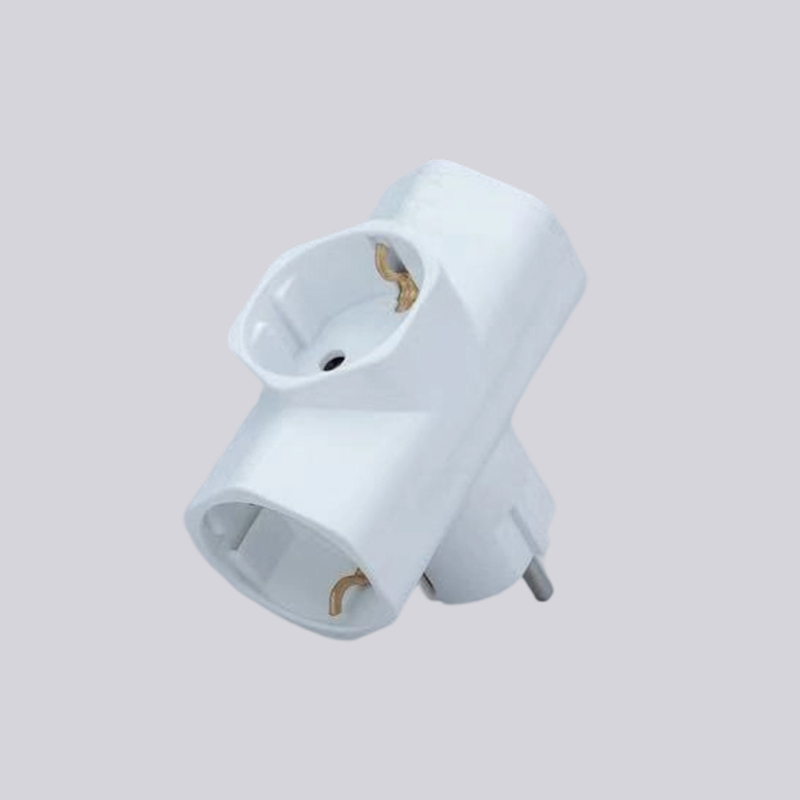
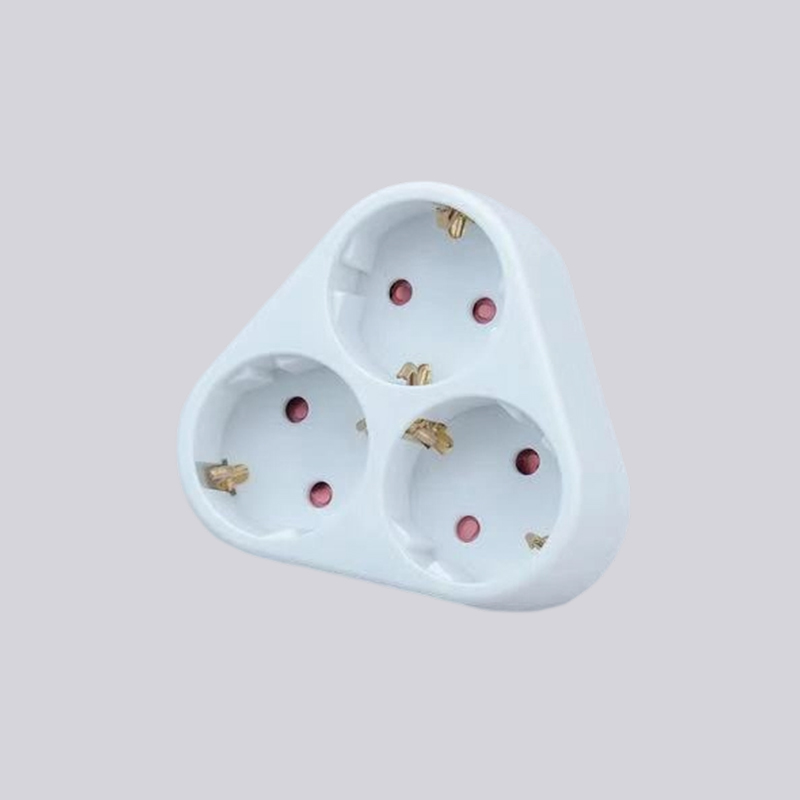
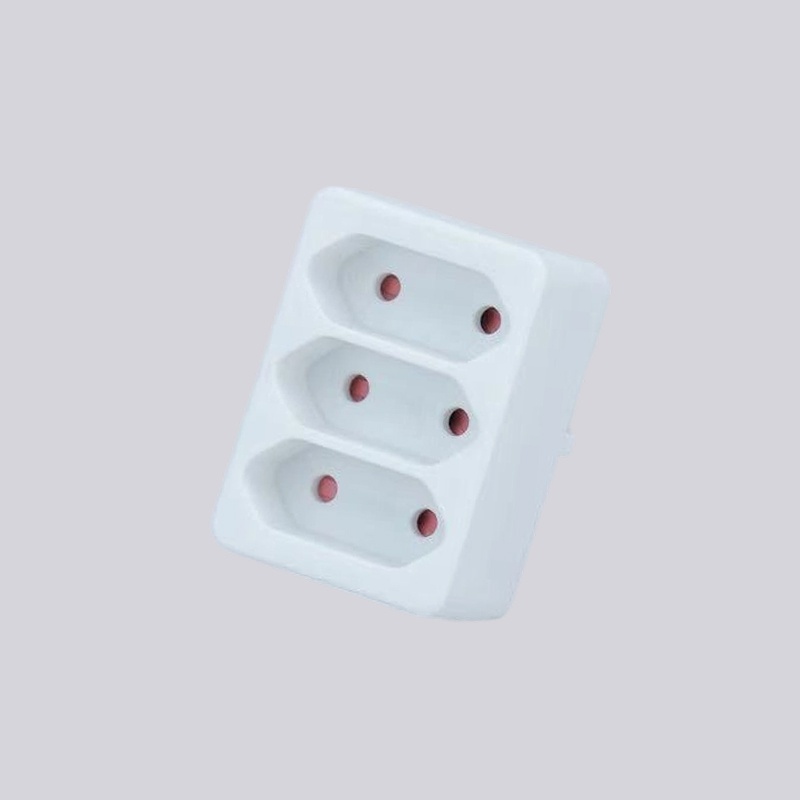
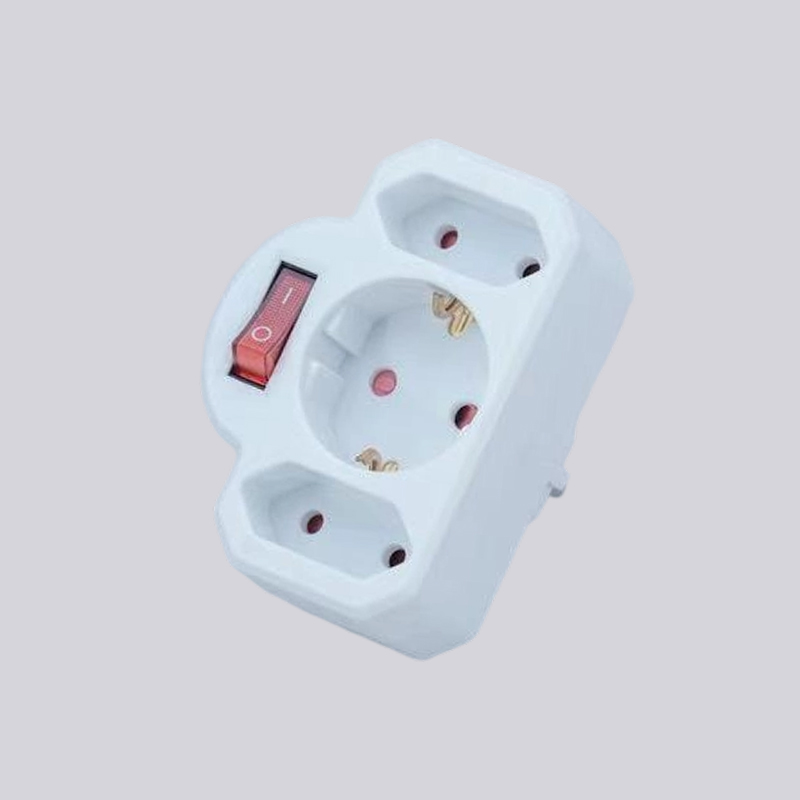
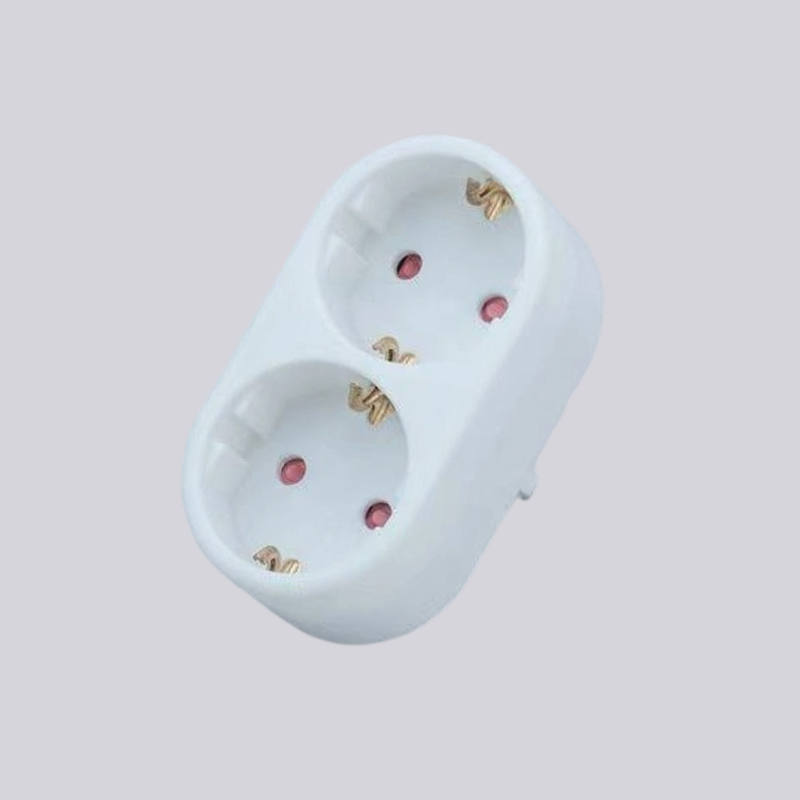
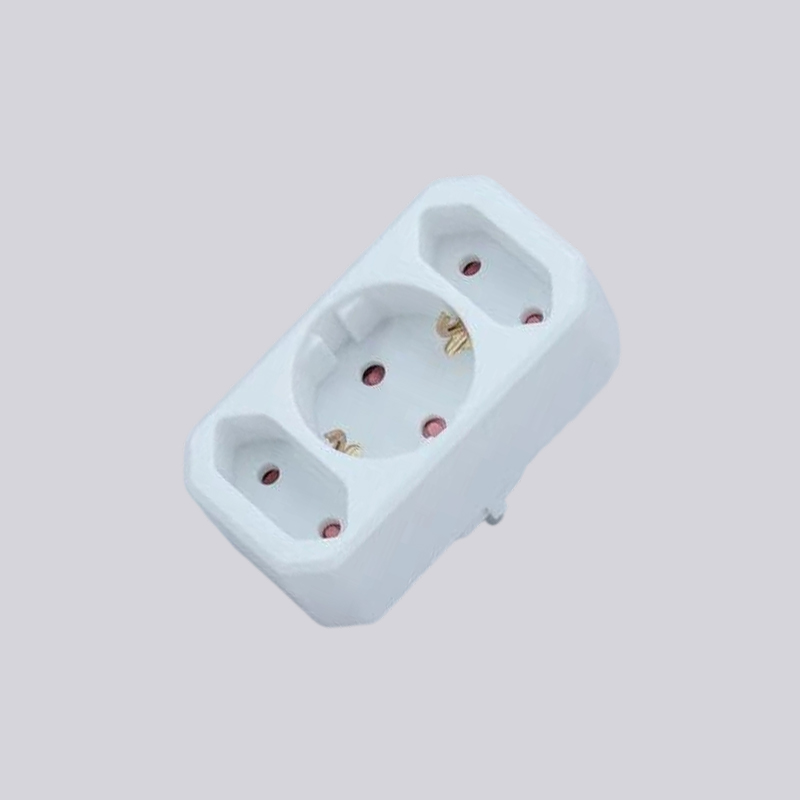

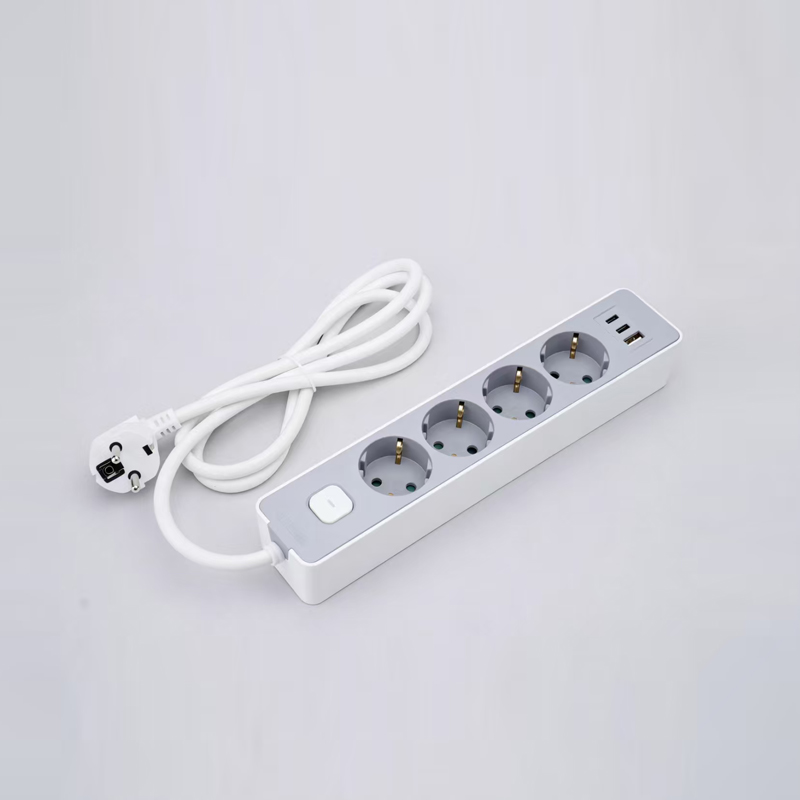

If you are interested in our products, please consult us
- CONTACT DETAILS
- Address : Guanhaiwei East Industrial Zone,Cixi, Ningbo,315314 Zhejiang, P.R.China.
- TEL: helen:+86-15867389889 Young:+86-15958216886 +86-0574-63666678
- Email:[email protected] [email protected]
- Fax:86-0574-63668558
- PRODUCTS
- Power Strip
- Extension Cord
- Cable Reel
- Adapter
- Plug
- QUICK LINK
- Company Profile
- company culture
- Plant equipment
- FAQ
- NEWS CENTER
- Company News
- Industry News
- MOBILE TERMINAL
-