English
  中文简体
中文简体 
European Plug Selection: Key Considerations and Safety Certification Verification
 2025.10.31
 Industry News
When using electrical equipment in Europe or exporting electrical products to the European market, the selection of European plugs directly relates to electrical safety and equipment usability. What details should be paid attention to when purchasing European plugs? And how to accurately confirm whether they meet EU safety certification standards? This article will provide a detailed guide around these two core questions.
Content
- What Basic Performance Indicators Should Be Focused on When Purchasing European Plugs?
- Are There Differences in Plug Types for Different European Countries, and How to Choose Appropriately?
- What Are the Core EU Safety Certification Standards for European Plugs, and How to Identify Them?
- What Additional Checks Are Needed to Ensure the Safety of European Plugs in Practical Use?
What Basic Performance Indicators Should Be Focused on When Purchasing European Plugs?
The basic performance of European plugs determines their safety and service life, and several key indicators must be strictly checked during purchase. First is the rated parameter matching. The EU's civil power supply is 230V and 50Hz , so the purchased plug must clearly mark the rated voltage (not lower than 230V) and rated current matching the connected equipment. For example, small household appliances usually use 10A plugs, while high-power equipment such as electric kettles need 16A plugs. Using plugs with mismatched parameters may cause overheating or even fire.
Second is the material quality inspection. The shell material should have good flame retardancy and insulation performance—qualified plugs usually use PC engineering plastics, which are smooth in texture, free of bubbles or scratches, and will not deform or burn when exposed to high temperatures . The internal conductive parts should be made of thick brass or phosphor bronze, which can be judged by weight: high-quality plugs feel heavier, while inferior products with thin copper sheets are obviously lighter. In addition, the plug pins need to have sufficient mechanical strength to avoid bending or breaking during insertion and removal, which is also clearly required in the EU's new household appliance safety standard EN IEC 60335-1:2023 .
Third is the structural safety design. For plugs with grounding function, the grounding pin should be longer than the live and neutral pins to ensure that the grounding is connected first during insertion and disconnected last during removal, which can effectively prevent electric shock accidents . At the same time, check whether the plug has a stable wiring structure: the internal wire fixing should be firm, and there should be no loose terminals, because poor contact may cause local overheating and pose a fire risk.
Are There Differences in Plug Types for Different European Countries, and How to Choose Appropriately?
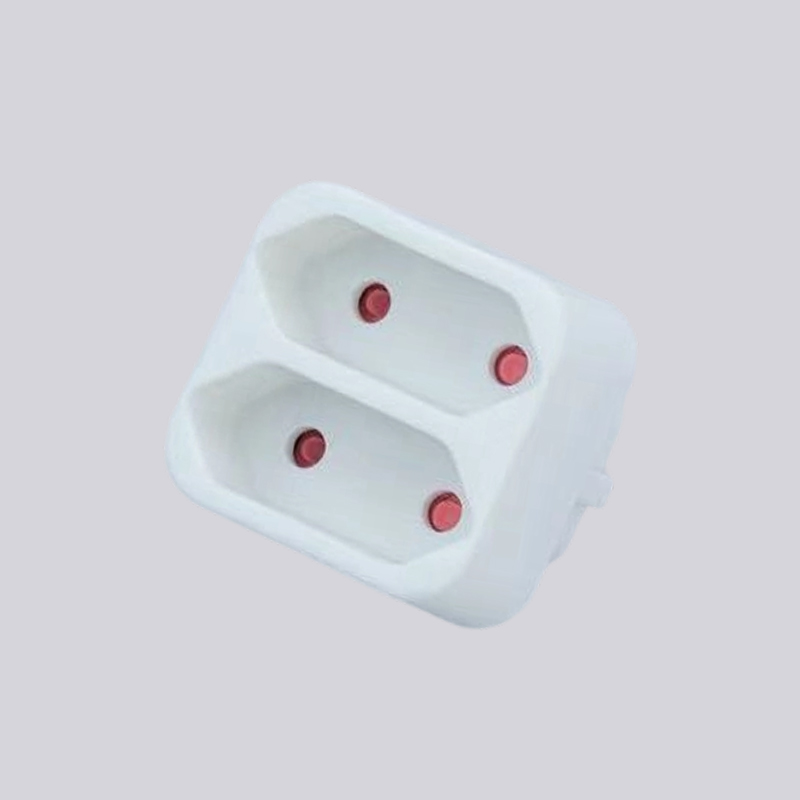
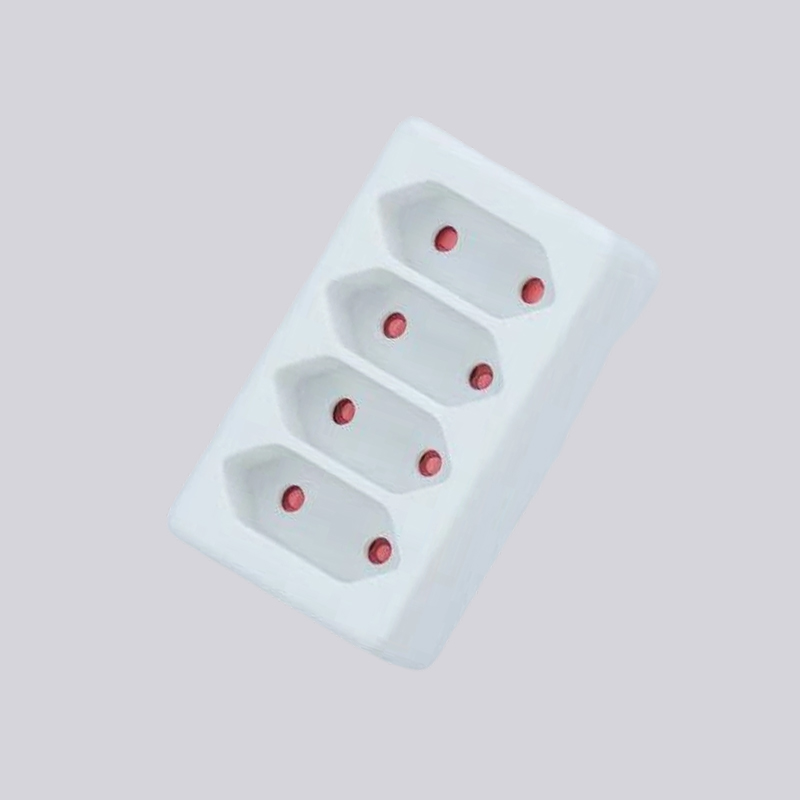
Although "European plug" is a general term, there are differences in plug types across European countries, and the correct selection according to the destination is crucial. The most common type is the Type C plug (two round pins), which is widely used in Germany, France, Italy and most other European countries, but it usually has no grounding pin and is only suitable for small appliances with low power and double insulation.
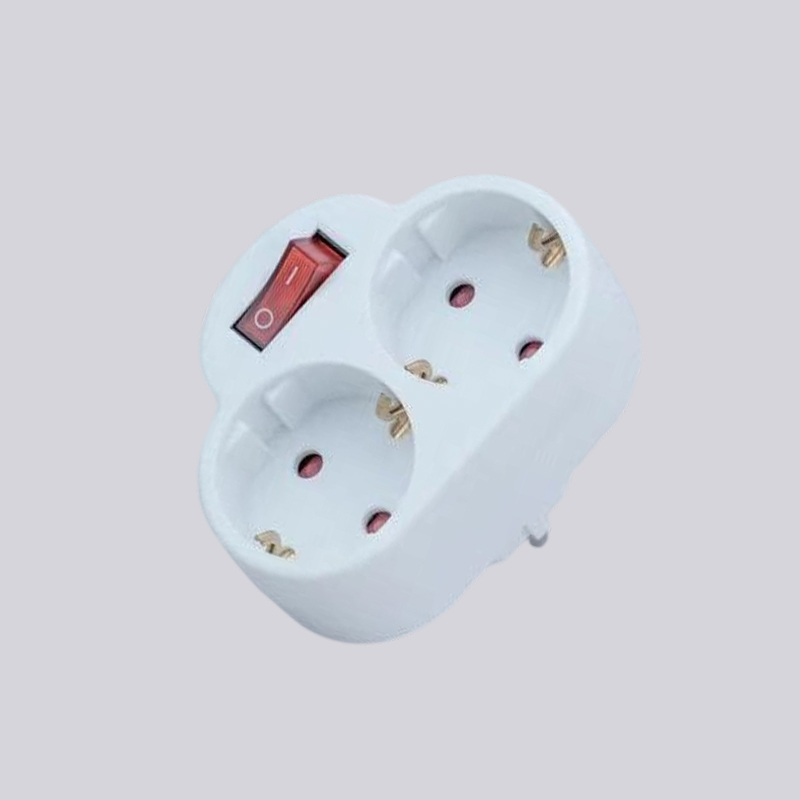
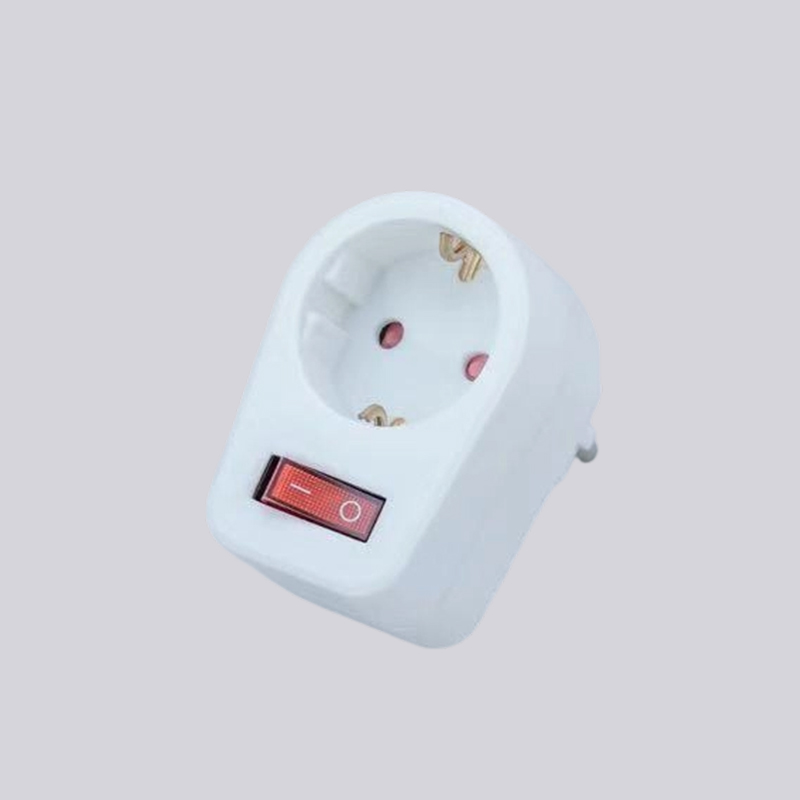
For equipment requiring grounding protection (such as refrigerators, washing machines), the Type F plug (with two round pins and two grounding clips, also known as the Schuko plug) should be selected, which is commonly used in Germany, Austria and the Netherlands . In the United Kingdom, Ireland and Malta, the Type G plug (three rectangular pins) is mandatory, and its grounding pin design is more robust, which can better adapt to the local 230V power grid.
It should be noted that some countries have special requirements: for example, Switzerland uses Type J plugs, and Denmark uses Type K plugs. When purchasing, it is necessary to confirm the local plug standard in advance. For frequent travelers or exporters, universal conversion plugs that meet multiple standards can be considered, but they must also comply with the safety certification requirements of the destination country.
What Are the Core EU Safety Certification Standards for European Plugs, and How to Identify Them?
Entering the EU market, European plugs must comply with mandatory safety certification standards, among which the CE mark is the most basic requirement . The CE mark indicates that the product meets the essential safety requirements of EU directives, including the Low Voltage Directive (LVD 2014/35/EU) and the Electromagnetic Compatibility Directive (EMC 2014/30/EU). For plugs, the LVD directive focuses on protection against electric shock, overheating and mechanical hazards, while the EMC directive ensures that the plug does not interfere with other electrical equipment during use .
In addition to the CE mark, plugs must also comply with the specific product standard EN 50075 , which specifies technical requirements for the dimensions, mechanical strength, electrical performance and flame retardancy of plugs. For example, the standard clearly stipulates the allowable range of plug pin spacing and the minimum insulation resistance value. Products meeting this standard can be directly presumed to comply with the LVD directive .
When identifying, first check whether the CE mark is printed on the plug shell— the mark should be clear and permanent, and cannot be easily erased. Second, check the accompanying technical documents (such as the EU Declaration of Conformity), which should clearly state that the product complies with the LVD directive and EN 50075 standard, and include the manufacturer's information and product model . For high-risk products, it may also be necessary to check whether they have passed the testing of a third-party notified body, and the list of notified bodies can be inquired on the official website of the European Commission .
What Additional Checks Are Needed to Ensure the Safety of European Plugs in Practical Use?
In addition to certification and performance indicators, practical use scenarios also require additional checks to ensure safety. First is the harmful substance limit check. Plugs must comply with the RoHS directive (2011/65/EU and its amendment EU 2015/863), which limits the content of lead, mercury, cadmium and other 10 hazardous substances . Although consumers cannot detect this by themselves, they can ask suppliers for RoHS test reports to avoid purchasing products that are harmful to the environment and human health.
Second is the adaptability to special environments. If the plug is used in humid places such as bathrooms or kitchens, it must have a corresponding IP protection rating. For example, plugs used near sinks should have at least IP44 protection to prevent water splashing from causing short circuits . For industrial environments with high mechanical vibration, plugs with enhanced structural strength should be selected to avoid poor contact caused by vibration.
Finally, post-purchase use inspection is essential. After purchasing, insert and remove the plug several times to check whether the insertion force is uniform—excessive force or looseness may indicate poor structural design. During use, pay attention to whether the plug heats up: normal plugs should remain at room temperature during operation, and any abnormal heating means there may be problems such as poor contact or mismatched parameters, which require immediate replacement .
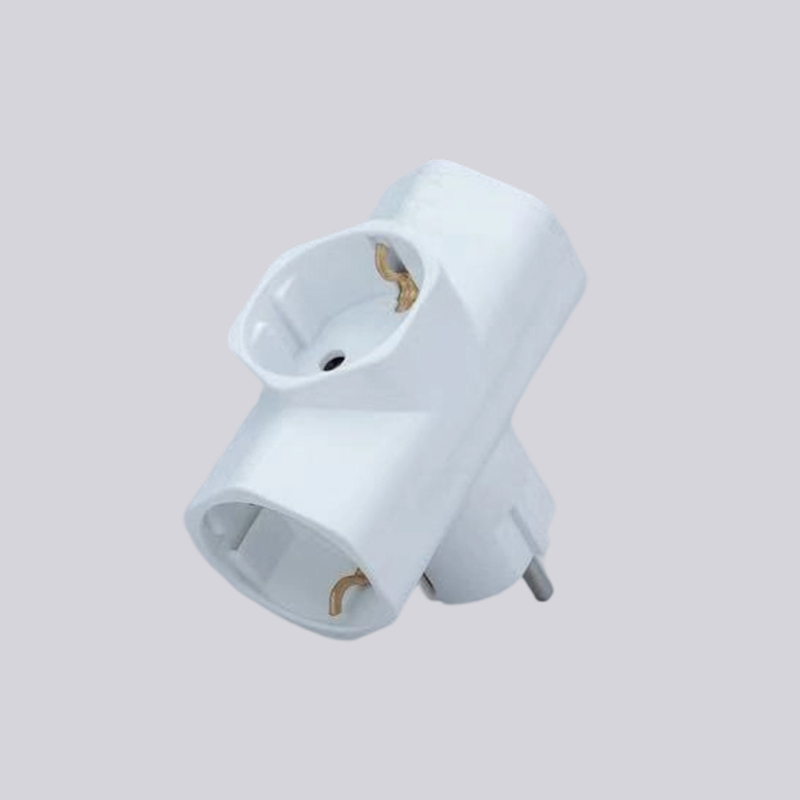
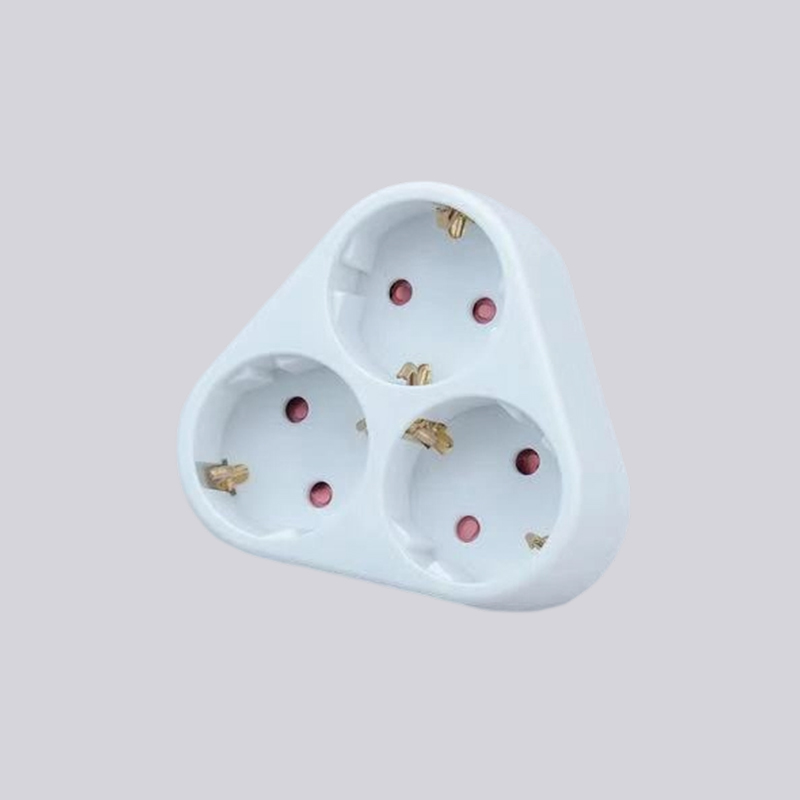
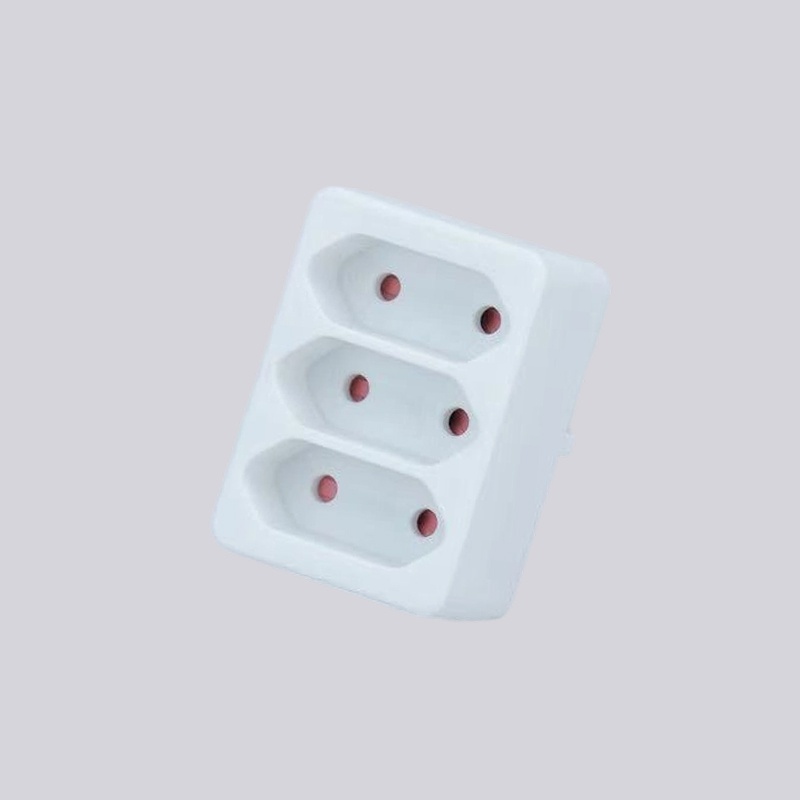
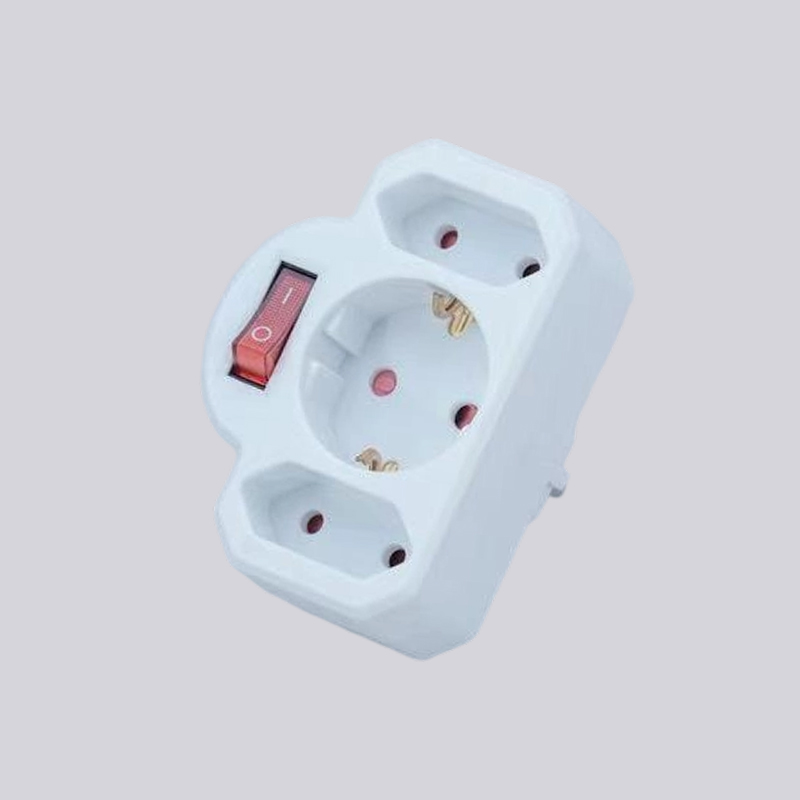
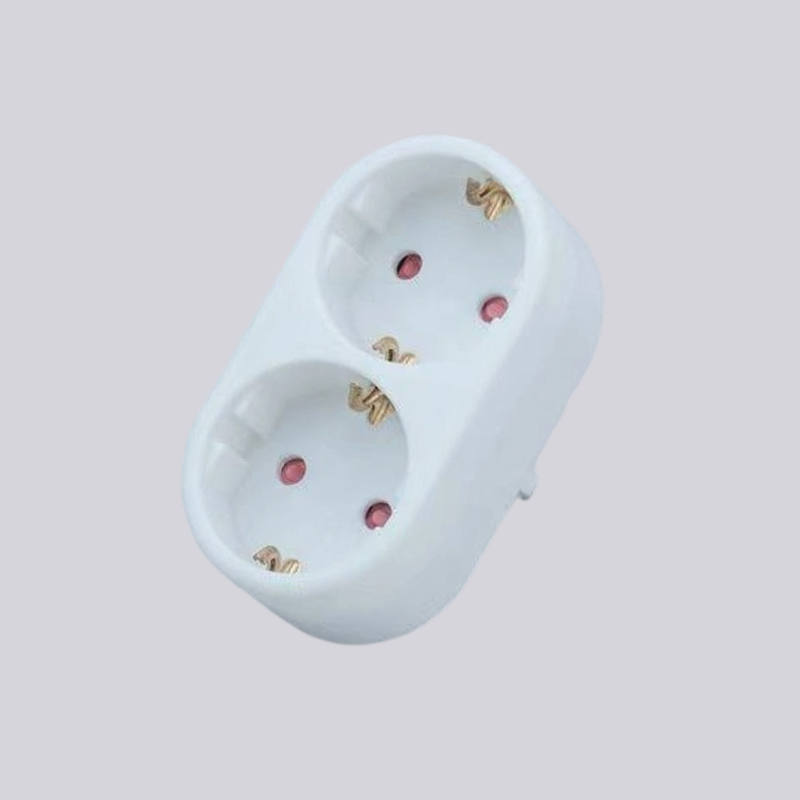
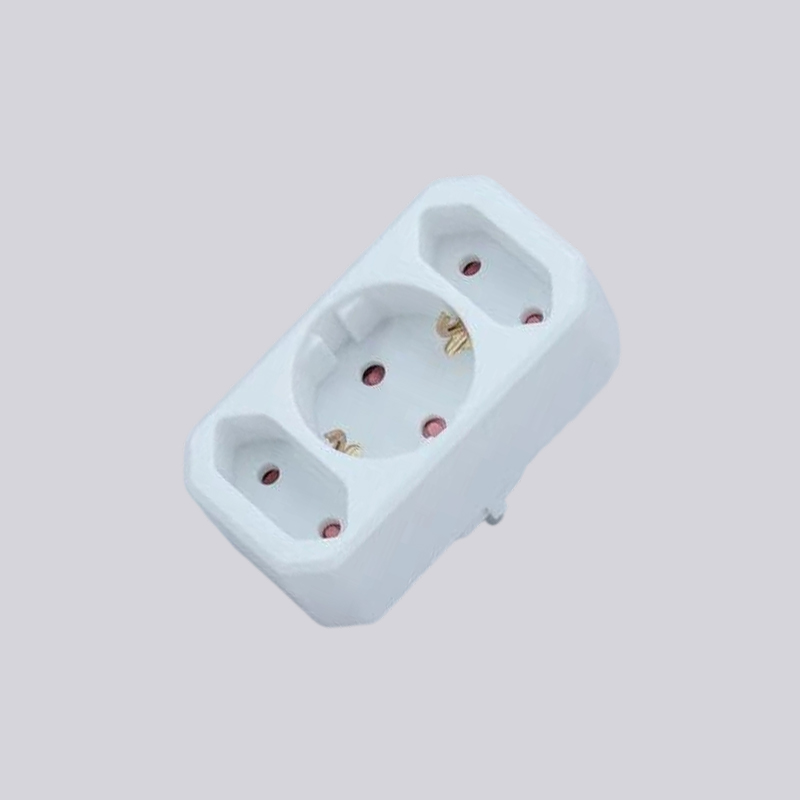

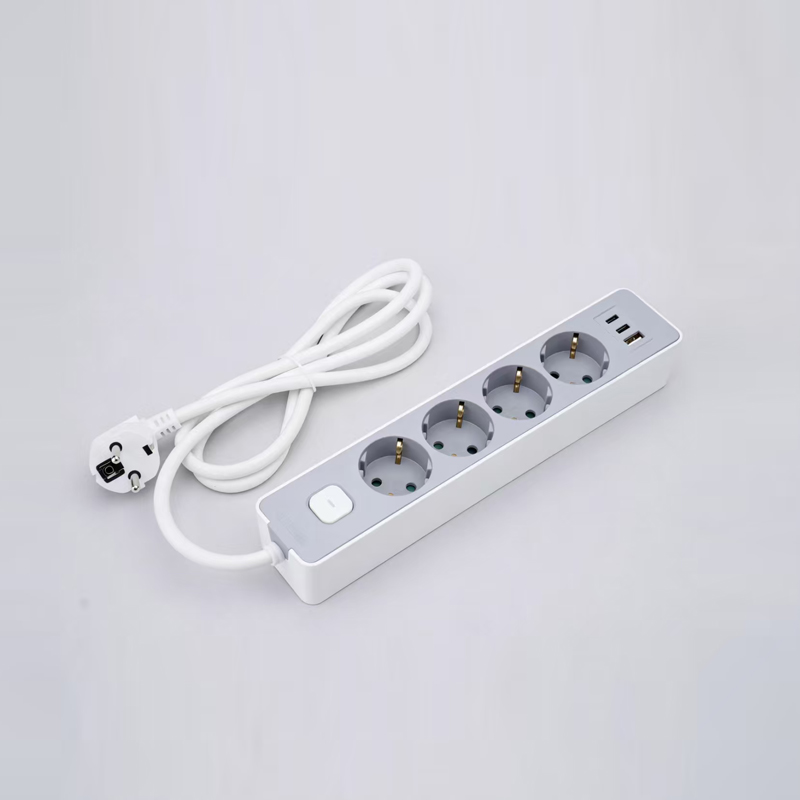

If you are interested in our products, please consult us
- CONTACT DETAILS
- Address : Guanhaiwei East Industrial Zone,Cixi, Ningbo,315314 Zhejiang, P.R.China.
- TEL: helen:+86-15867389889 Young:+86-15958216886 +86-0574-63666678
- Email:[email protected] [email protected]
- Fax:86-0574-63668558
- PRODUCTS
- Power Strip
- Extension Cord
- Cable Reel
- Adapter
- Plug
- QUICK LINK
- Company Profile
- company culture
- Plant equipment
- FAQ
- NEWS CENTER
- Company News
- Industry News
- MOBILE TERMINAL
-