English
  中文简体
中文简体 
Which Countries’ Power Sockets Are Compatible with a European Power Strip?
 2025.12.24
 Industry News
As international travel, cross-border trade, and global remote work continue to grow, understanding electrical standards has become increasingly important. One common question for businesses, travelers, and international households is: which countries’ power sockets are compatible with a European Power Strip? Selecting the right power strip is not only about convenience, but also about safety, device protection, and compliance with local electrical standards.
A European Power Strip is designed to work with European plug types and voltage systems, making it a popular choice for offices, hotels, exporters, and consumers who rely on European-standard electrical devices. Below is a detailed and structured overview of how European Power Strips work, which countries they are suitable for, how they compare with other regional power strips, and what users should consider before purchasing.
Content
- Understanding What a European Power Strip Is
- Main Plug Types Used by European Power Strips
- Countries Where a European Power Strip Is Commonly Used
- Compatibility Outside Europe
- European Power Strip vs Other Regional Power Strips
- Voltage and Safety Considerations
- Common Use Scenarios for European Power Strips
- Frequently Asked Questions (FAQ)
- Conclusion: Choosing the Right European Power Strip
Understanding What a European Power Strip Is
A European Power Strip is a multi-outlet electrical extension device designed primarily for European plug standards. It allows multiple electrical devices to be connected to a single wall socket while maintaining compatibility with European voltage and grounding systems.
Common Characteristics of a European Power Strip
- Designed for 220V–240V voltage systems
- Supports 50Hz frequency
- Compatible with common European plug types
- Often includes grounding (earthing) for safety
- May feature surge protection, overload protection, or USB ports
Because electrical standards vary globally, a European Power Strip is not universally compatible without adapters or voltage converters. Understanding the plug types is the first step.
Main Plug Types Used by European Power Strips
European Power Strips typically support one or more of the following plug standards:
Type C (Europlug)
- Two round pins
- No grounding
- Widely used across Europe
- Compatible with many low-power devices
Type E
- Two round pins with an earth pin
- Common in France, Belgium, Poland, and parts of Eastern Europe
Type F (Schuko)
- Two round pins with grounding clips
- Widely used in Germany, Spain, Netherlands, and many other countries
- One of the most common standards supported by European Power Strips
Many modern European Power Strips are designed to accept both Type C and Type F plugs, improving versatility.
Countries Where a European Power Strip Is Commonly Used
A European Power Strip is suitable for countries that use European plug standards and similar voltage systems. Below is a regional breakdown.
Western Europe
- Germany (Type F)
- France (Type E)
- Spain (Type F)
- Portugal (Type F)
- Netherlands (Type F)
- Belgium (Type E)
- Austria (Type F)
Southern Europe
- Italy (Type C, F, and L — compatibility depends on strip design)
- Greece (Type C and F)
- Turkey (Type F)
Northern Europe
- Sweden (Type F)
- Norway (Type F)
- Finland (Type F)
- Denmark (Type C and K — partial compatibility)
Eastern Europe
- Poland (Type E)
- Czech Republic (Type E)
- Slovakia (Type E)
- Hungary (Type F)
- Romania (Type C and F)
In these countries, a European Power Strip can usually be plugged directly into wall outlets without the need for adapters.
Compatibility Outside Europe
Although designed for Europe, a European Power Strip is also used in many non-European regions that follow similar electrical standards.
Middle East
- United Arab Emirates (Type C, D, G – adapters may be required)
- Saudi Arabia (Type C)
- Qatar (Type C)
Africa
- Morocco (Type C and E)
- Tunisia (Type C and E)
- Algeria (Type C and F)
Asia
- South Korea (Type C and F)
- Indonesia (Type C and F)
- Vietnam (Type C)
In these regions, voltage compatibility is usually not an issue, but plug shape and grounding standards should be carefully checked.
European Power Strip vs Other Regional Power Strips
European Power Strip vs US Power Strip
- European Power Strip: 220–240V, round pins
- US Power Strip: 110–120V, flat pins
- European strips are generally unsuitable for US outlets without adapters
European Power Strip vs UK Power Strip
- UK uses Type G plugs with rectangular pins
- European Power Strip does not fit UK sockets directly
- Adapters are required in most cases
European Power Strip vs Universal Power Strip
- European Power Strip focuses on EU standards
- Universal Power Strip supports multiple plug types
- European models often offer better grounding and stability for EU devices
For users primarily operating within Europe, a European Power Strip offers higher reliability and compliance than universal alternatives.
Voltage and Safety Considerations
Even when plug shapes match, electrical safety must not be overlooked.
Key Safety Factors
- Rated voltage and current capacity
- Grounding compatibility
- Surge protection and overload protection
- Compliance with CE or other regional certifications
Using a European Power Strip in a country with lower voltage (such as the US or Japan) may result in poor performance, while using it in higher-voltage systems without proper ratings can damage connected devices.
Common Use Scenarios for European Power Strips
- International offices using European-standard IT equipment
- Hotels and conference centers in Europe
- Exporters packaging electrical accessories for EU markets
- Travelers carrying European electronics
- Manufacturing and testing facilities using EU-certified devices
In these scenarios, a European Power Strip provides consistency and simplifies power management.
Frequently Asked Questions (FAQ)
Can a European Power Strip be used in the UK?
UK sockets use Type G plugs, which are not directly compatible. A plug adapter is required, and grounding compatibility should be confirmed.
Is a European Power Strip safe for high-power appliances?
Most European Power Strips are designed for standard household and office devices. High-power appliances such as heaters should only be connected if the strip’s rated current supports them.
Can US devices be plugged into a European Power Strip?
Physically, adapters may allow connection, but voltage differences can damage US devices unless they are rated for 220–240V.
Are all European Power Strips the same?
No. Differences exist in socket layout, grounding design, surge protection, and compliance standards. Choosing a certified model is strongly recommended.
Do European Power Strips support USB charging?
Many modern designs include USB-A or USB-C ports, allowing direct charging of phones and tablets without adapters.
Conclusion: Choosing the Right European Power Strip
A European Power Strip is best suited for countries that follow European plug standards and voltage systems, including most of continental Europe and several regions in Asia, Africa, and the Middle East. Its advantages lie in safety, stability, and compatibility with EU-certified electrical devices.
By understanding regional plug types, voltage requirements, and safety considerations, users can confidently select a European Power Strip that meets both practical needs and regulatory expectations. Whether for home, office, travel, or export applications, the right choice ensures reliable power distribution and long-term device protection.
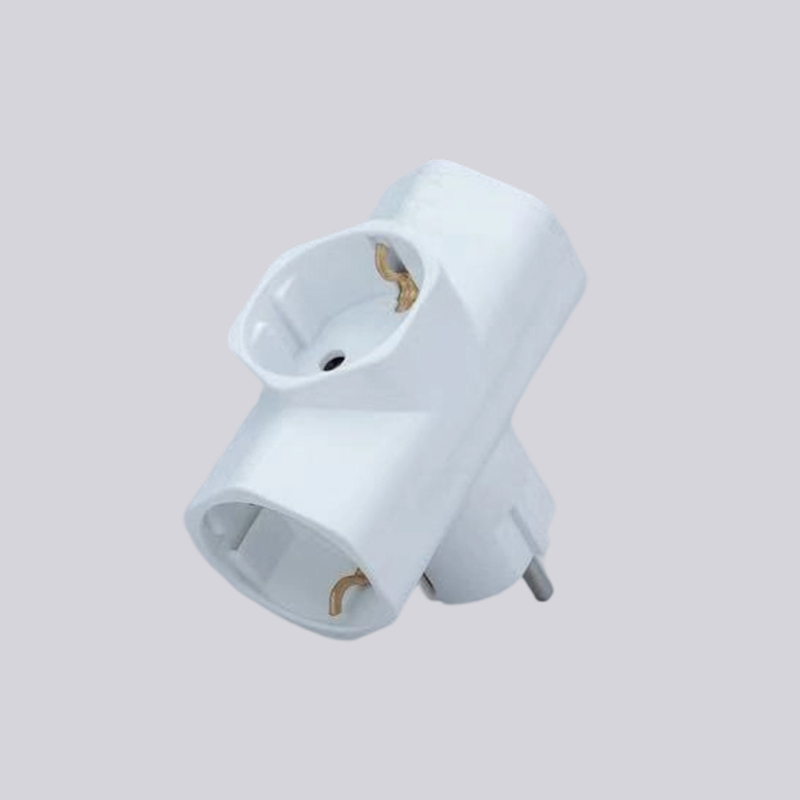
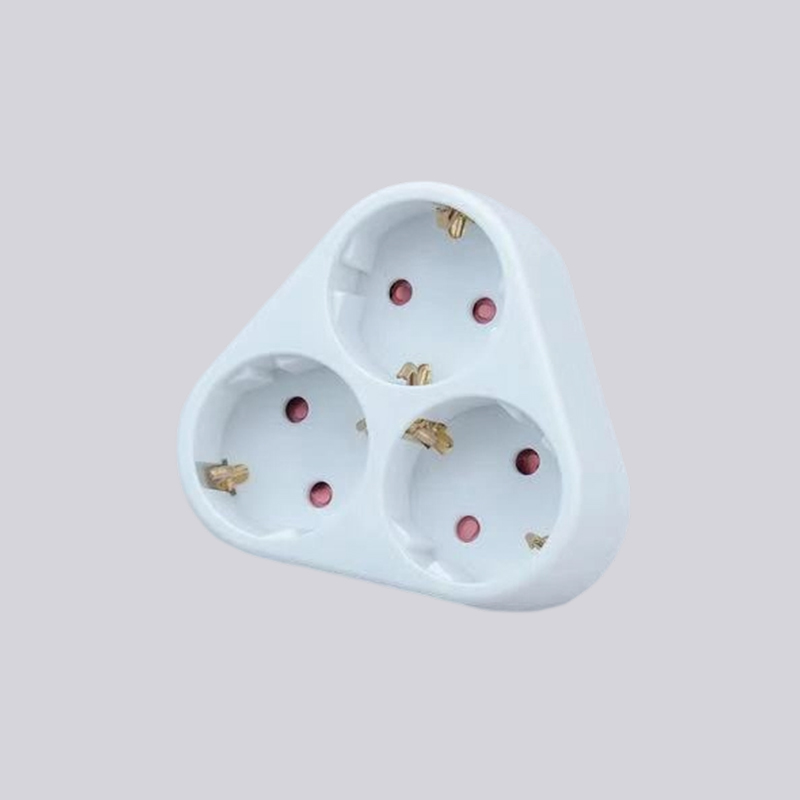
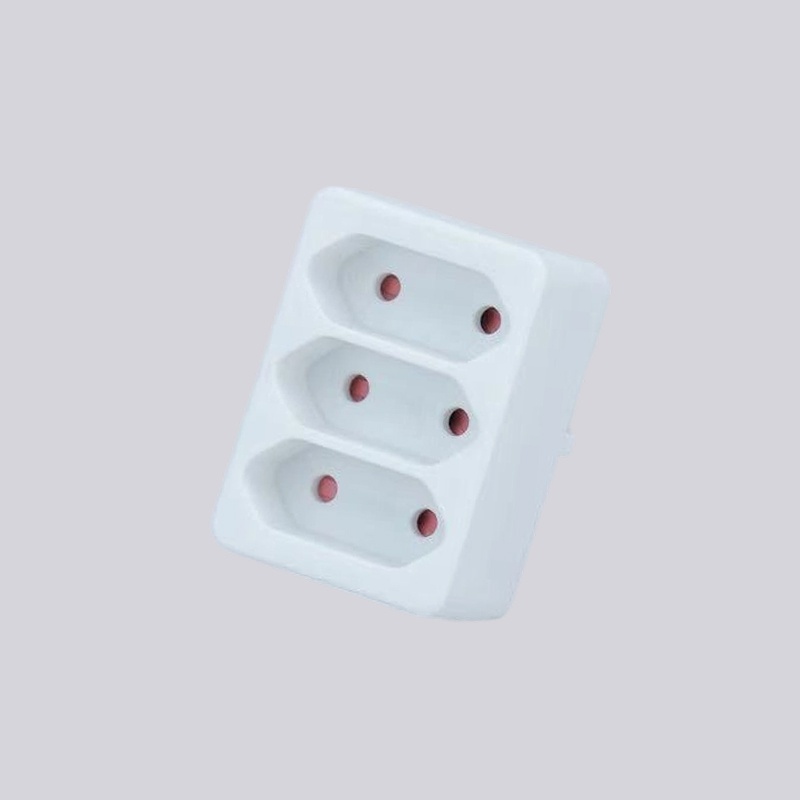
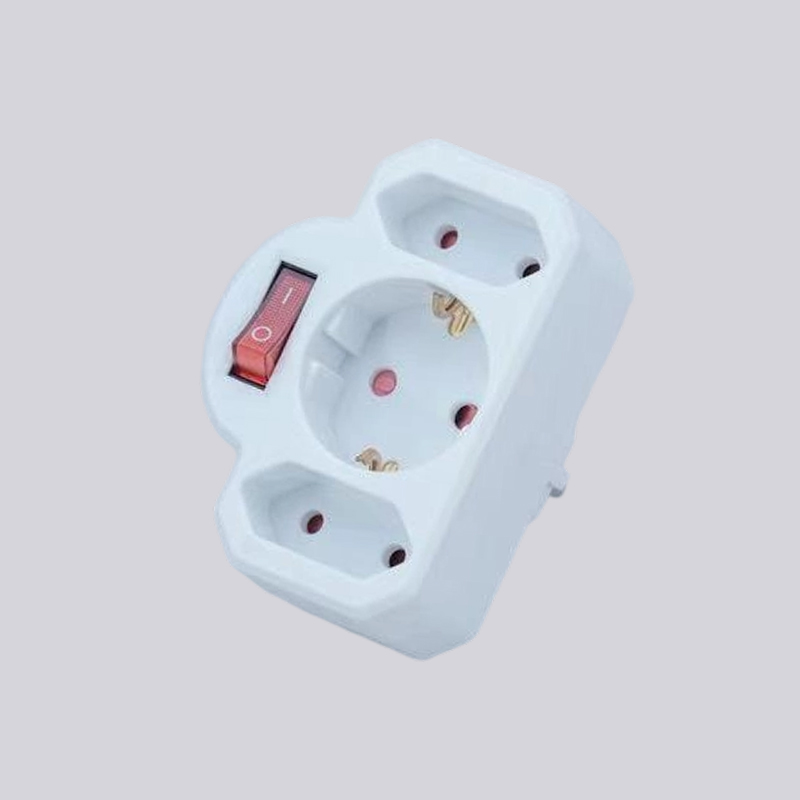
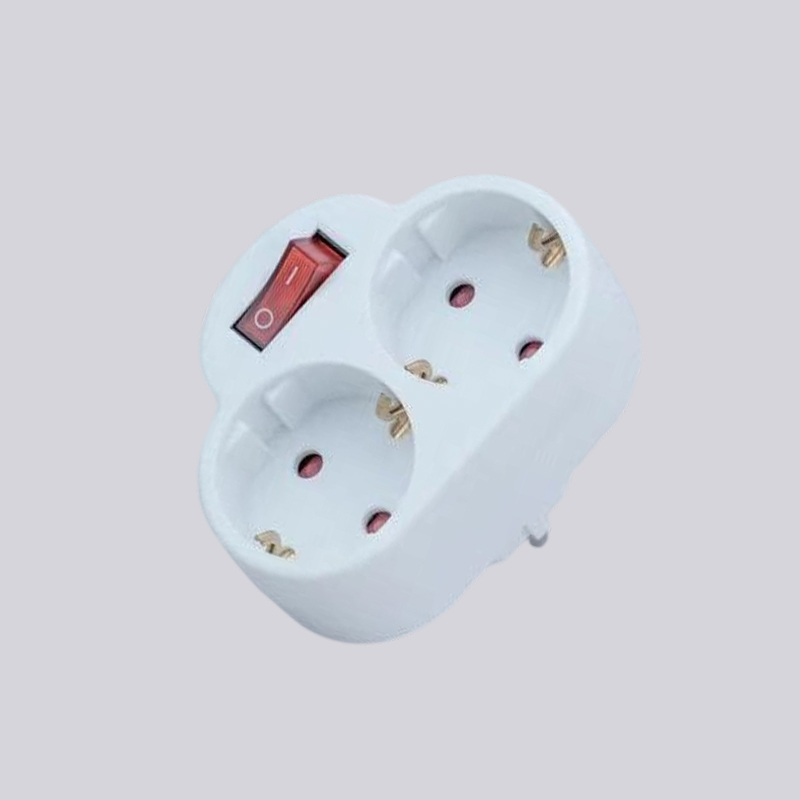
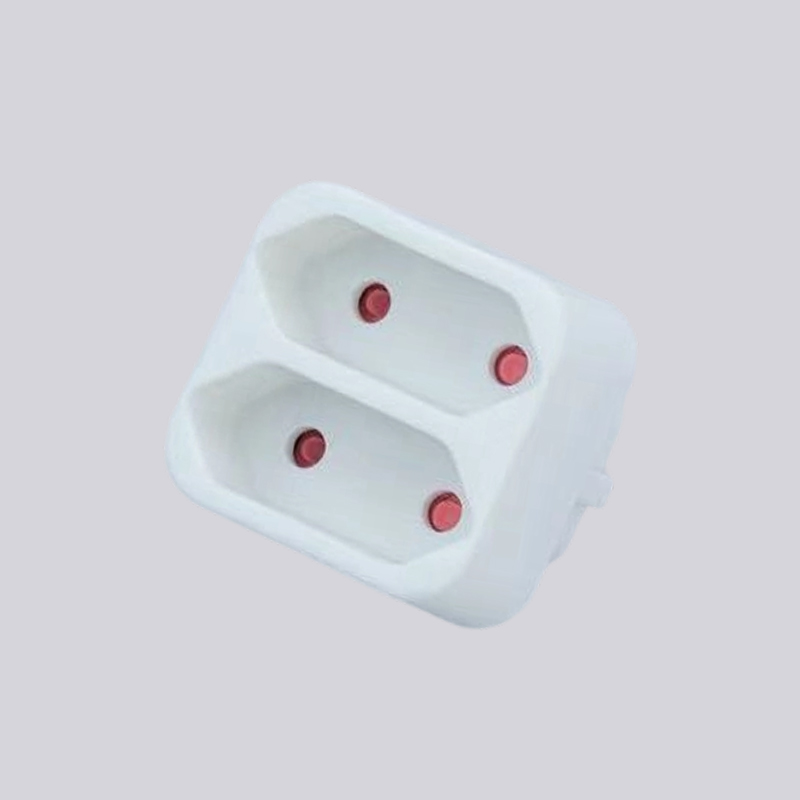
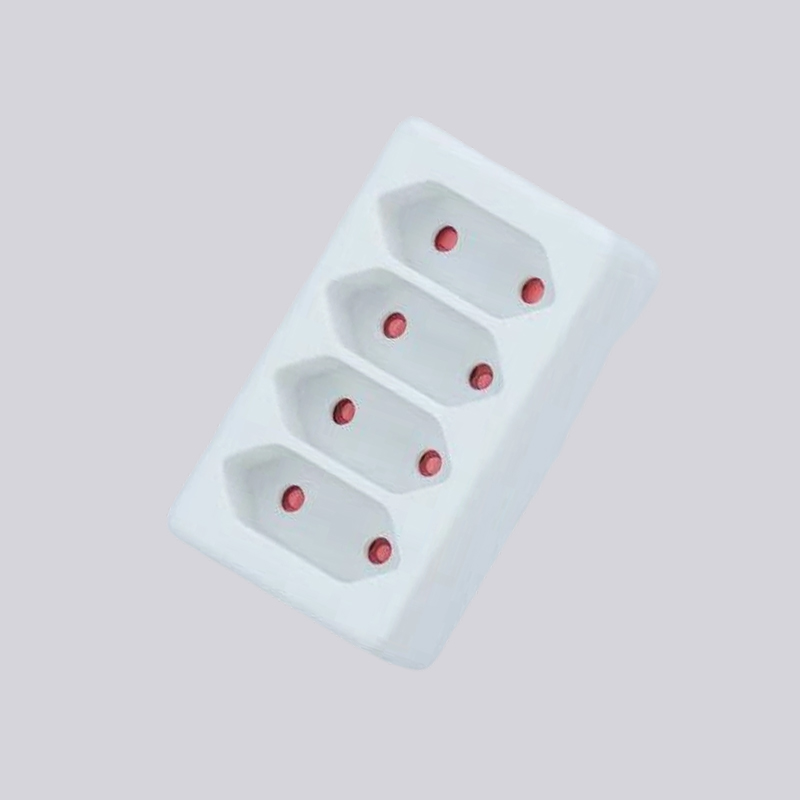
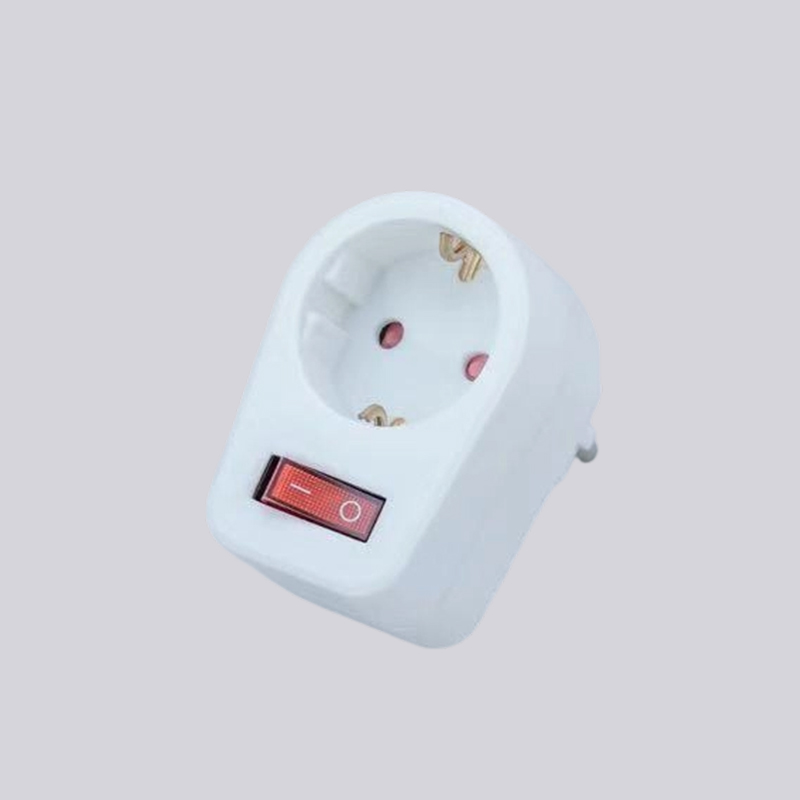
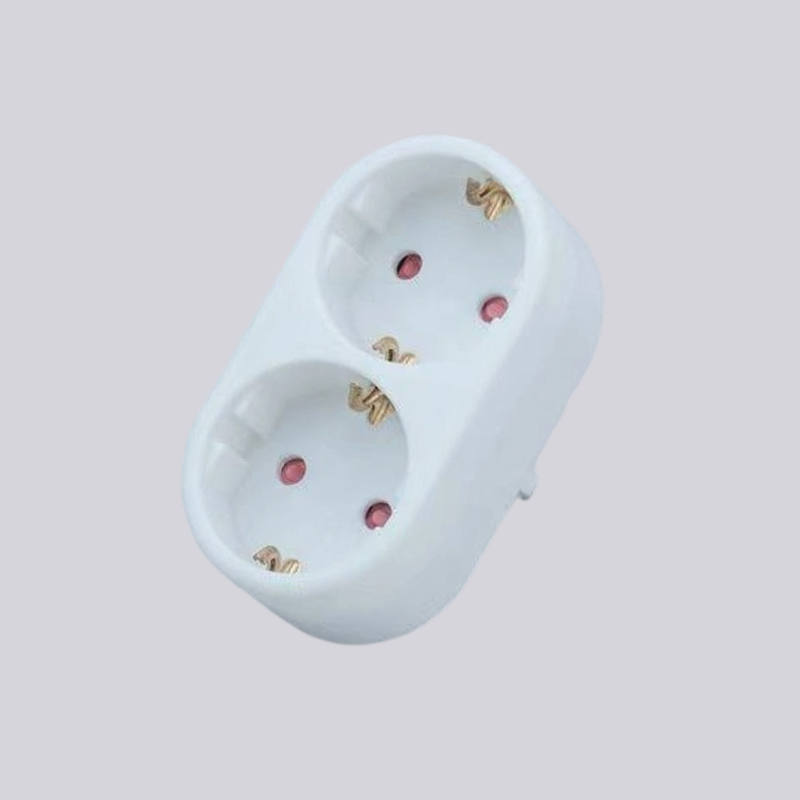
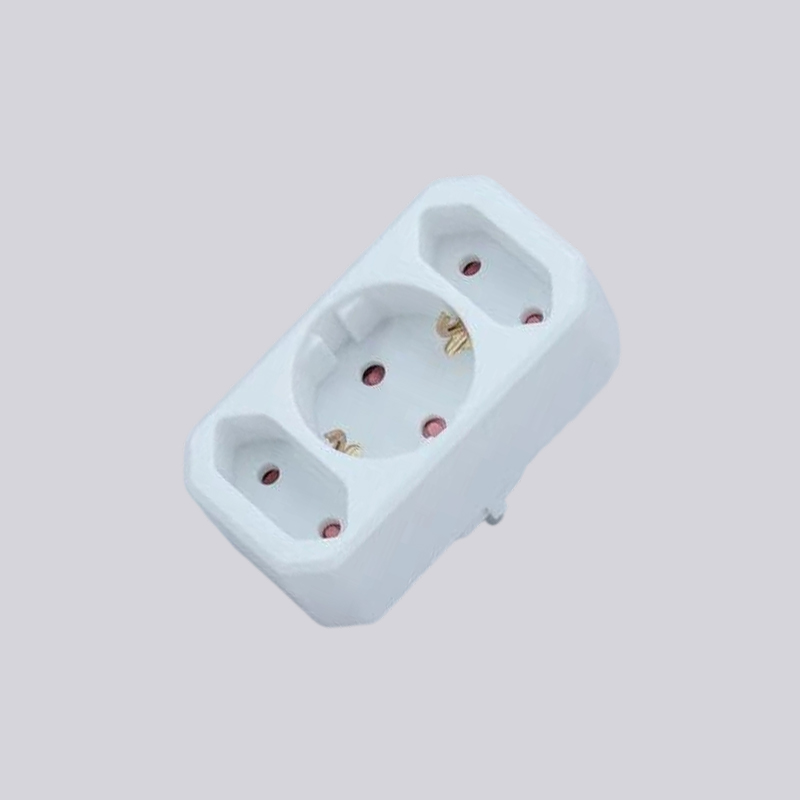

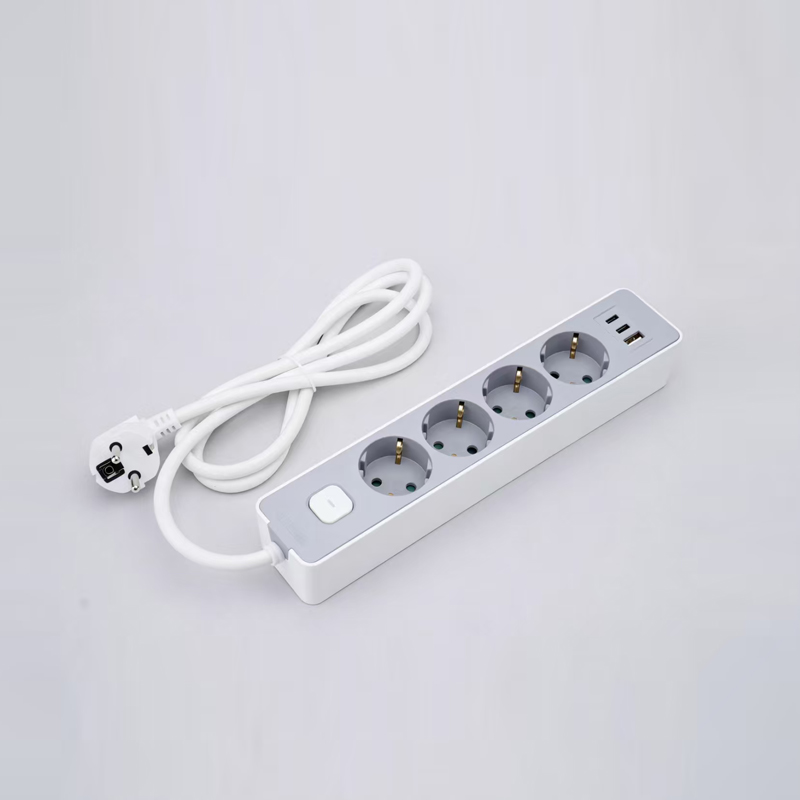

If you are interested in our products, please consult us
- CONTACT DETAILS
- Address : Guanhaiwei East Industrial Zone,Cixi, Ningbo,315314 Zhejiang, P.R.China.
- TEL: helen:+86-15867389889 Young:+86-15958216886 +86-0574-63666678
- Email:[email protected] [email protected]
- Fax:86-0574-63668558
- PRODUCTS
- Power Strip
- Extension Cord
- Cable Reel
- Adapter
- Plug
- QUICK LINK
- Company Profile
- company culture
- Plant equipment
- FAQ
- NEWS CENTER
- Company News
- Industry News
- MOBILE TERMINAL
-