English
  中文简体
中文简体 
What is the common number of interfaces on a European Power Strip?
 2026.01.04
 Industry News
The European Power Strip has become an essential device in homes, offices, and industrial settings, providing convenience for powering multiple devices simultaneously. Understanding the common socket numbers available on these power strips is crucial for users to make informed choices that match their energy requirements and space constraints.
Content
Introduction to European Power Strips
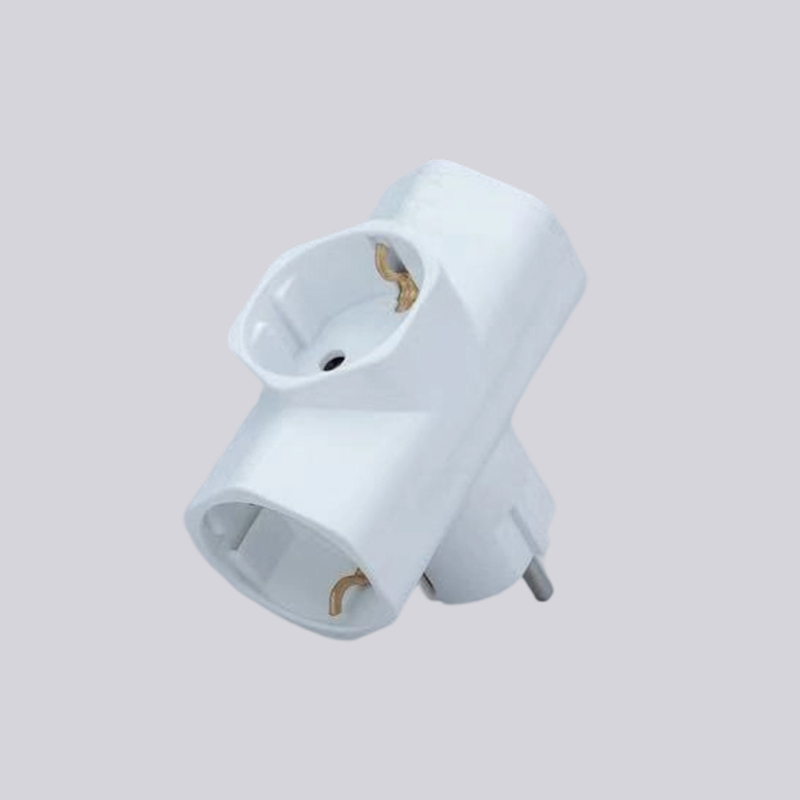
A European Power Strip is designed to accommodate the standard plug types used across Europe, including Type C, E, and F plugs. These power strips are engineered with multiple sockets, surge protection, and sometimes USB ports, offering versatility and safety for electronic devices. They are widely used in both residential and commercial environments due to the increasing number of electronic appliances that require simultaneous power sources.
Standard Socket Configurations
European power strips are available in various socket configurations, allowing users to choose according to their needs:
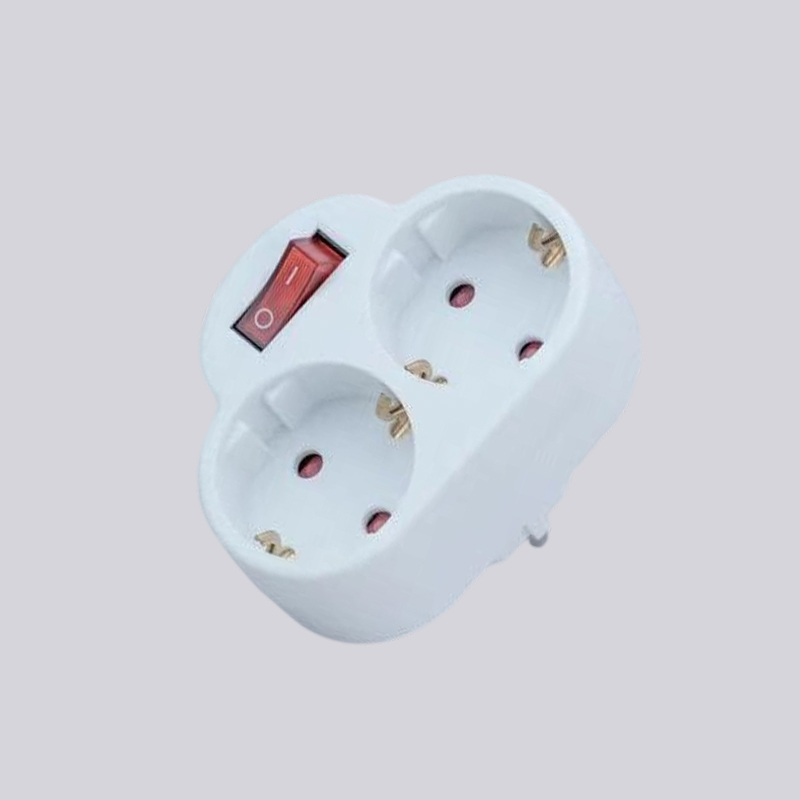
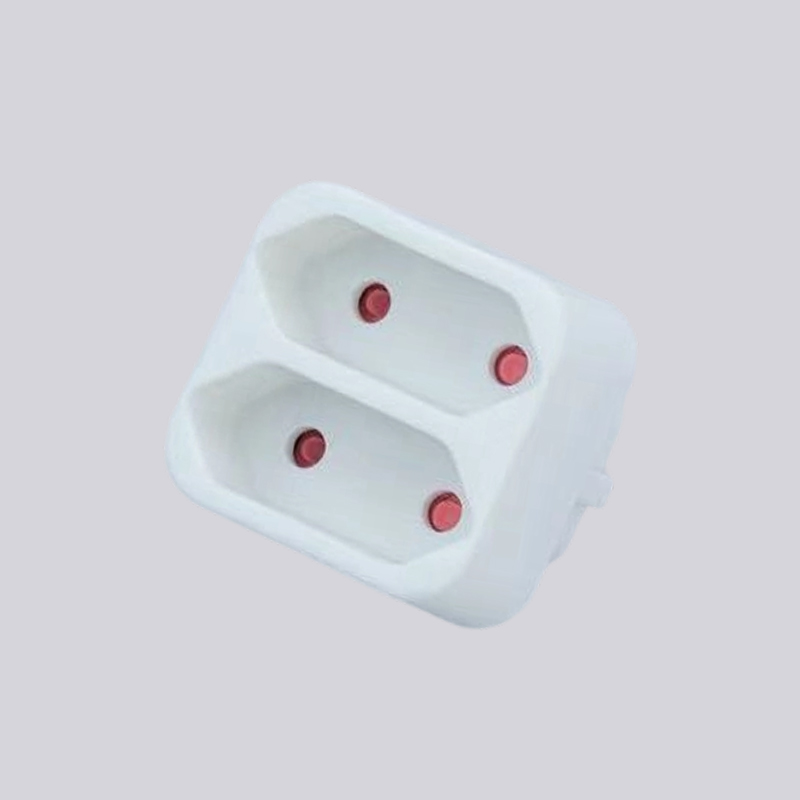
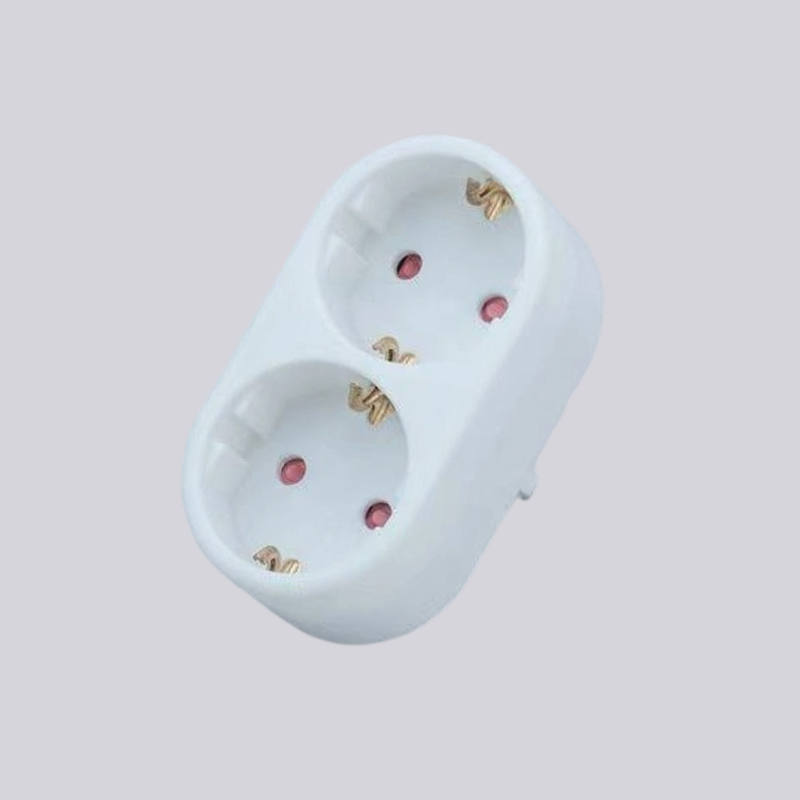
1. 2-Socket Power Strips
- Suitable for small setups with limited devices.
- Commonly used in bedrooms or home offices.
- Compact design, easy to carry and install.
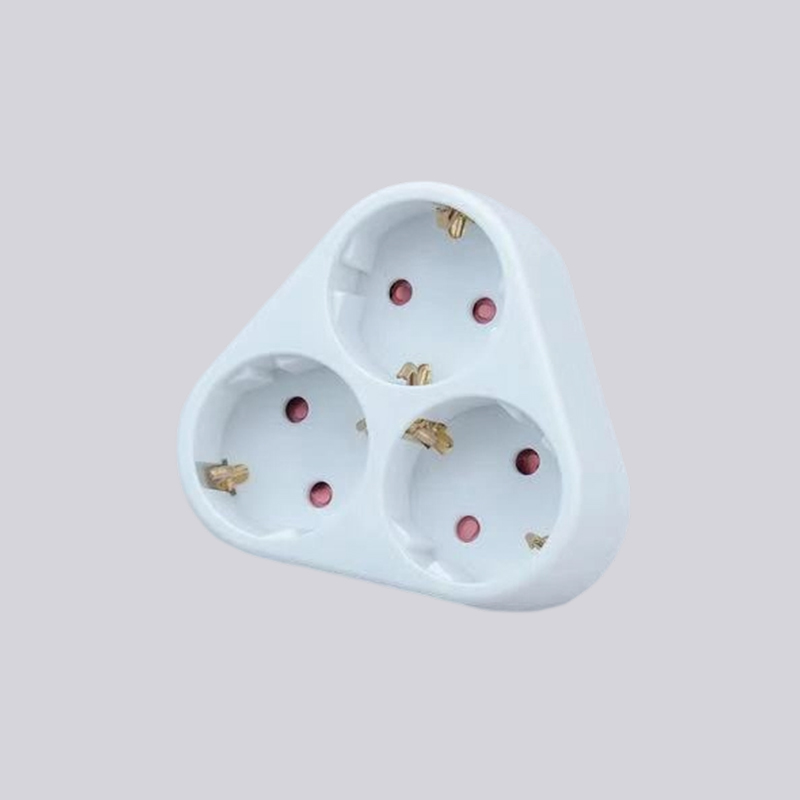
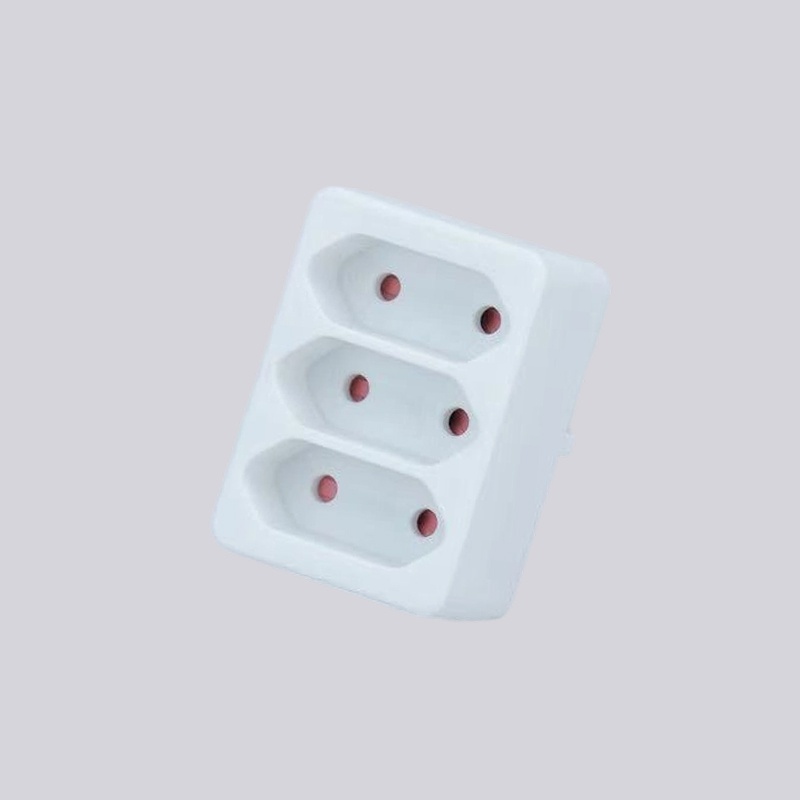
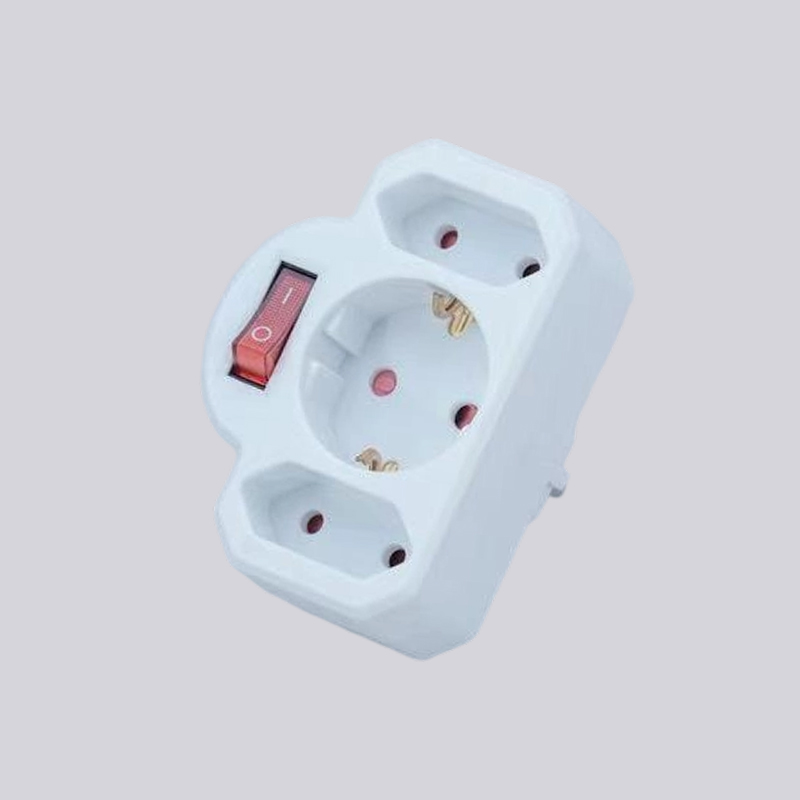
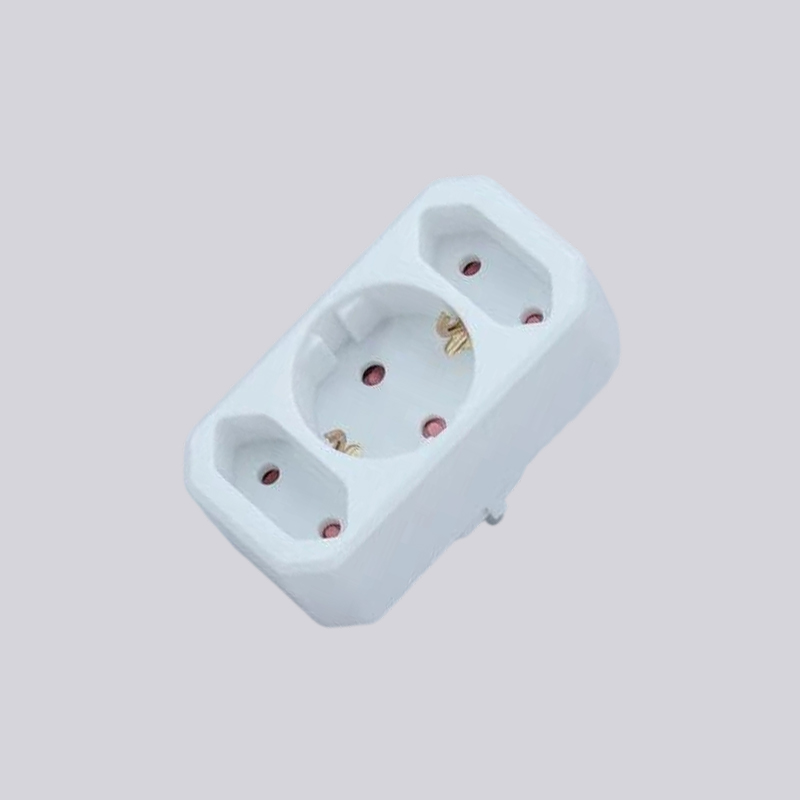
2. 3-Socket Power Strips
- Ideal for medium usage environments, such as living rooms or offices.
- Allows connection of a monitor, laptop, and lamp simultaneously.
- Often includes a small surge protector.
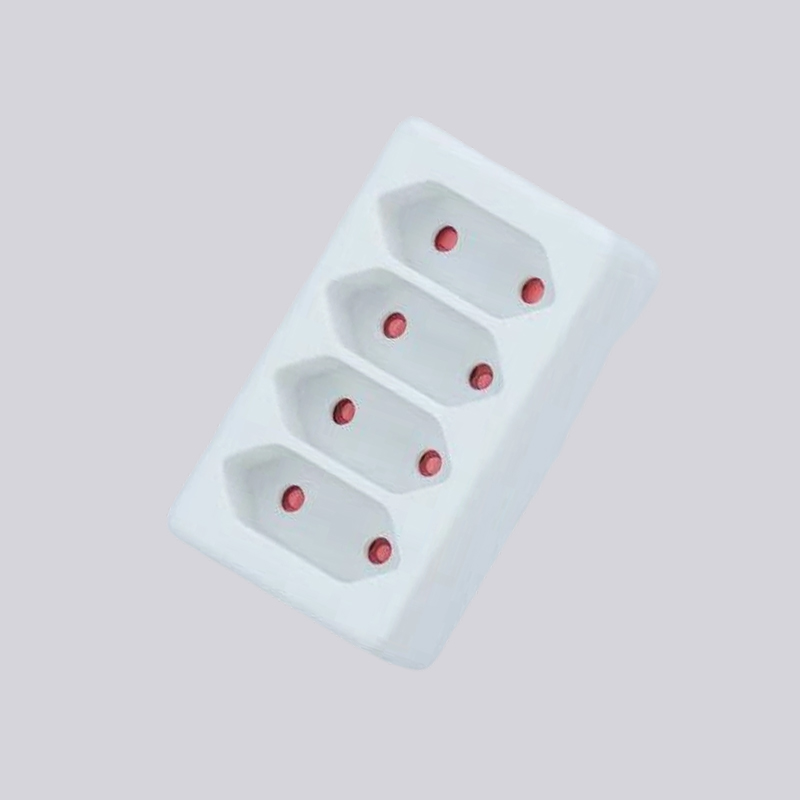
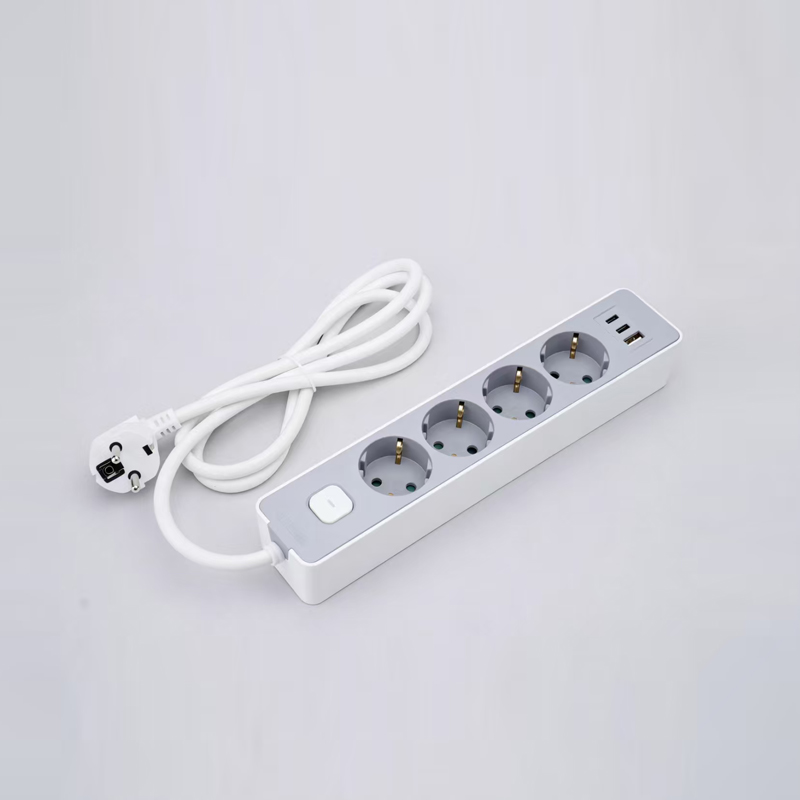
3. 4-6 Socket Power Strips
- Common in offices and shared workspaces where multiple devices need power.
- Provides flexibility for printers, computers, chargers, and other electronics.
- Some models include individual switches for each socket, improving energy efficiency.
4. 8-Socket or More Power Strips
- Designed for high-demand environments like server rooms, studios, or workshops.
- May include advanced surge protection, circuit breakers, and USB ports.
- Requires careful management to avoid overloading and overheating.
Factors Influencing Socket Number Selection
Choosing the right European Power Strip depends on several key factors:
Device Quantity and Type
Assess how many devices need to be connected at once. High-power devices like heaters or kitchen appliances may require dedicated circuits instead of sharing a multi-socket strip.
Space Availability
Compact power strips with 2-3 sockets are ideal for tight spaces, whereas 6-8 socket strips work well in areas with multiple electronics but more room for placement.
Safety Requirements
Higher socket numbers can increase the risk of overloading if multiple high-wattage devices are connected. Opt for power strips with built-in surge protection, circuit breakers, or overload indicators to enhance safety.
Additional Features
Many European power strips now include:
- USB charging ports for mobile devices
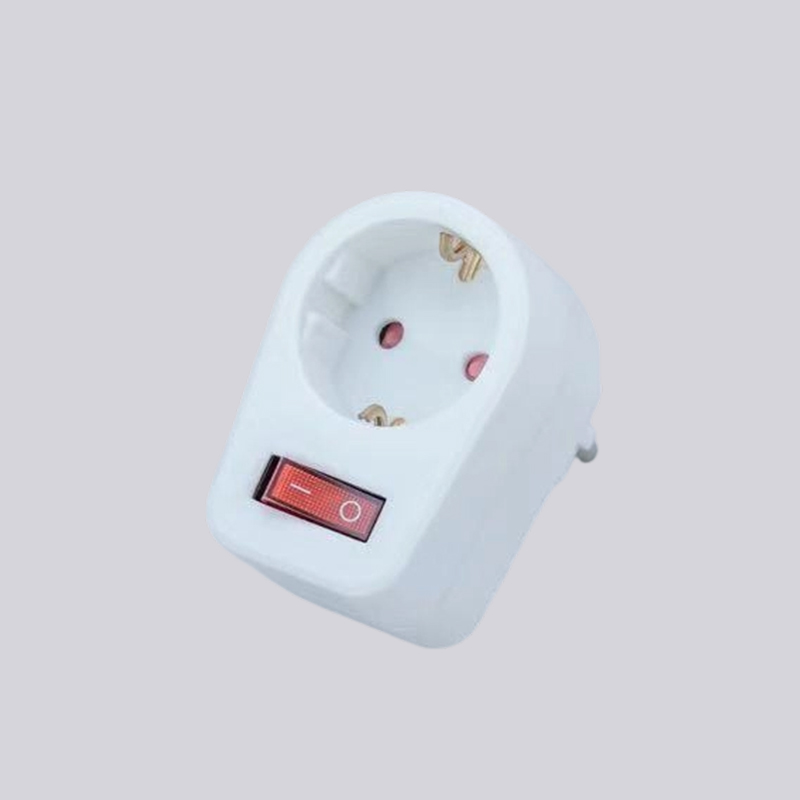
- Switchable sockets to control energy consumption
- Indicator lights to signal active power or faults
Comparison of Different Socket Numbers
| Socket Number | Typical Use | Advantages | Considerations |
|---|---|---|---|
| 2 | Small rooms, single workstations | Compact, portable, low cost | Limited capacity, less flexibility |
| 3 | Home offices, living rooms | Moderate flexibility, portable | May need additional strips for multiple devices |
| 4-6 | Offices, shared spaces | Multiple devices supported, optional switches | Moderate bulk, higher risk of overloading |
| 8+ | High-demand setups, studios, server rooms | Maximum capacity, advanced features available | Requires careful load management, larger size |
Tips for Safe Use of European Power Strips
- Never exceed the rated load of the power strip.
- Keep power strips away from heat sources and moisture.
- Use surge-protected strips for sensitive electronics.
- Do not daisy-chain multiple power strips.
- Regularly inspect for damage to cables and sockets.
Frequently Asked Questions (FAQ)
Q1: Can a European power strip handle high-power appliances?
European power strips are usually rated between 2500W and 3500W. High-power appliances like heaters or ovens may exceed this limit, so it's advisable to use dedicated outlets for such devices.
Q2: Are all sockets on a power strip identical?
Most European power strips have identical Type C, E, or F sockets, but some models include specialized sockets with switches or surge protection. Always check the specifications before use.
Q3: How many devices can I safely connect?
It depends on the total power consumption. Sum the wattage of all connected devices and ensure it does not exceed the strip’s rated capacity. Using a 6-socket strip for low-power devices is generally safe.
Q4: Are USB-equipped European power strips safe?
Yes, as long as the USB ports are certified and the strip is surge-protected. They provide convenience for charging mobile devices without occupying the main sockets.
Q5: Can I use a European power strip outside Europe?
Voltage and plug type differences must be considered. Using an adapter or voltage converter may be necessary, but always ensure compliance with local electrical standards.
Conclusion
The European Power Strip is a versatile and essential tool for managing multiple electronic devices efficiently. From compact 2-socket strips for small setups to advanced 8-socket options for high-demand environments, choosing the right configuration ensures convenience, safety, and optimal performance. By understanding socket numbers, power ratings, and additional features, users can select the most suitable power strip for their unique requirements.


If you are interested in our products, please consult us
- CONTACT DETAILS
- Address : Guanhaiwei East Industrial Zone,Cixi, Ningbo,315314 Zhejiang, P.R.China.
- TEL: helen:+86-15867389889 Young:+86-15958216886 +86-0574-63666678
- Email:[email protected] [email protected]
- Fax:86-0574-63668558
- PRODUCTS
- Power Strip
- Extension Cord
- Cable Reel
- Adapter
- Plug
- QUICK LINK
- Company Profile
- company culture
- Plant equipment
- FAQ
- NEWS CENTER
- Company News
- Industry News
- MOBILE TERMINAL
-