English
  中文简体
中文简体 
What safety precautions should be taken when using European Power Strip?
 2026.01.09
 Industry News
European Power Strips are widely used across homes and offices due to their versatility and convenience. They allow multiple devices to be powered from a single socket, making them indispensable for modern living and work environments. However, improper use of a European Power Strip can lead to electrical hazards, device damage, and even fire risks. Understanding the safety precautions is crucial for ensuring both personal safety and the longevity of electronic equipment.
Content
- Understanding European Power Strips
- Top Safety Precautions for Using European Power Strips
- Comparing European Power Strips with Other Power Strips
- Frequently Asked Questions (FAQ) About European Power Strips
- Q1: Can I plug high-wattage appliances like heaters into a European Power Strip?
- Q2: Are European Power Strips safe for children?
- Q3: How do I know if my European Power Strip has surge protection?
- Q4: Is it safe to use a European Power Strip outdoors?
- Q5: Can I leave my devices plugged in overnight using a European Power Strip?
- Conclusion
Understanding European Power Strips
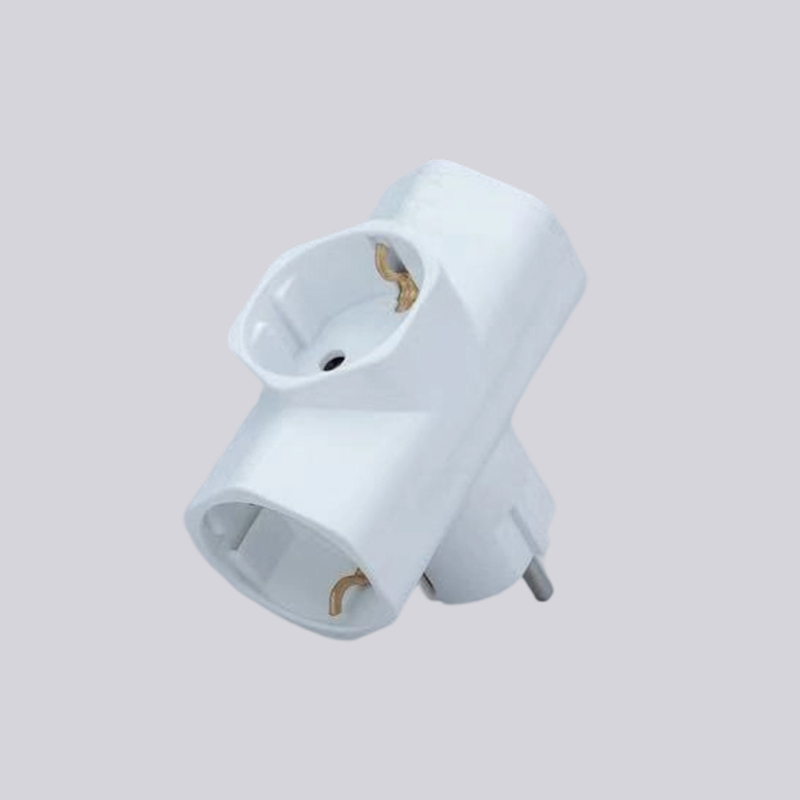
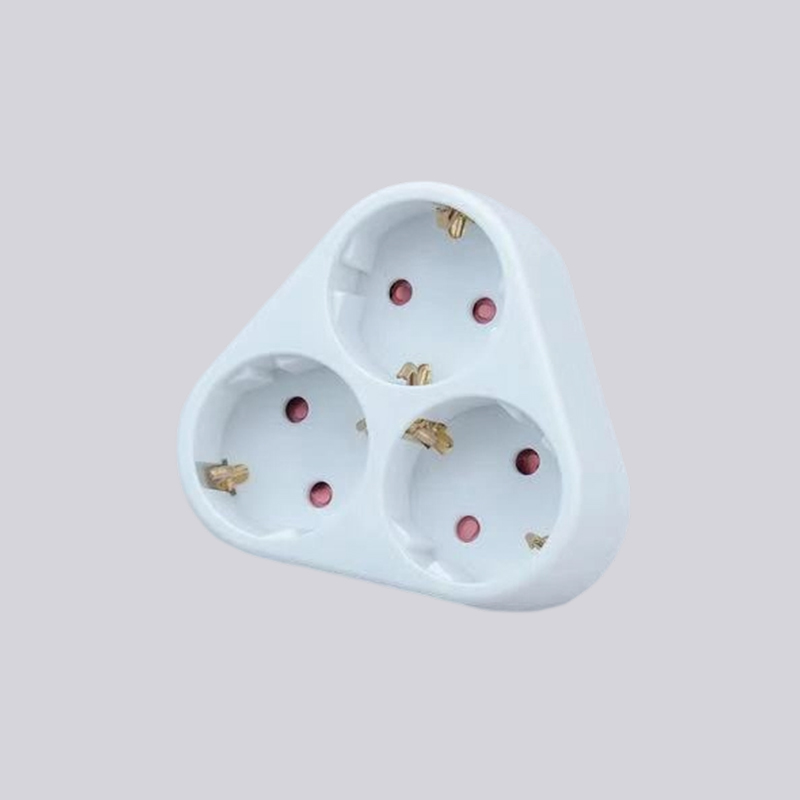
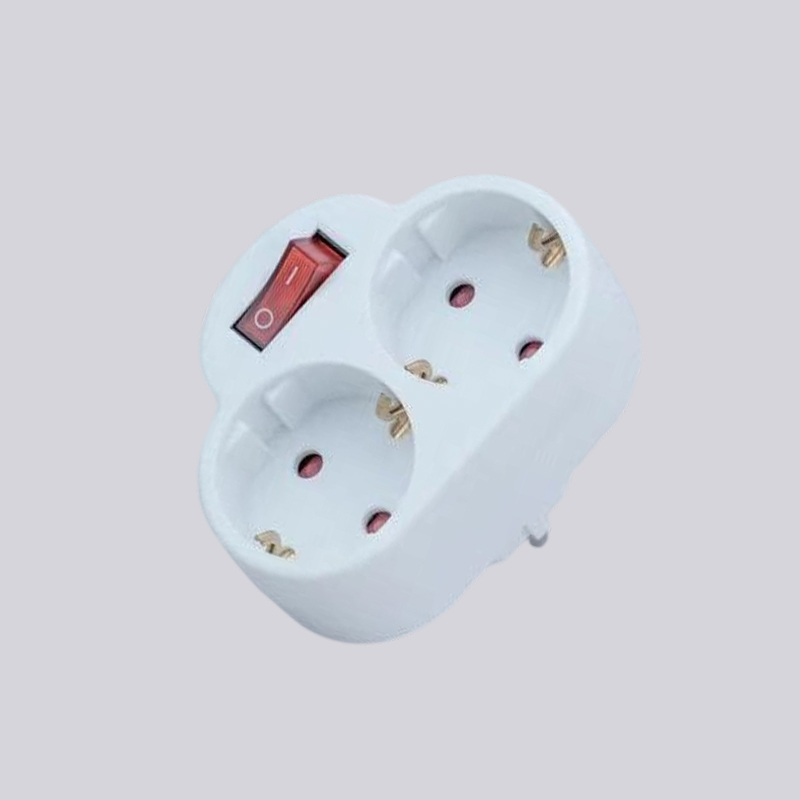
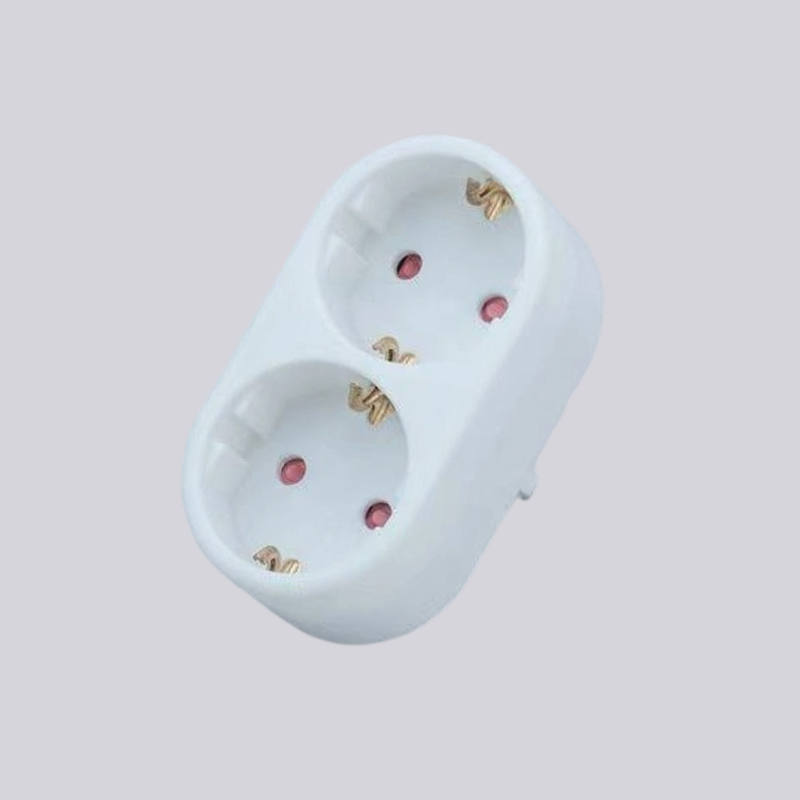
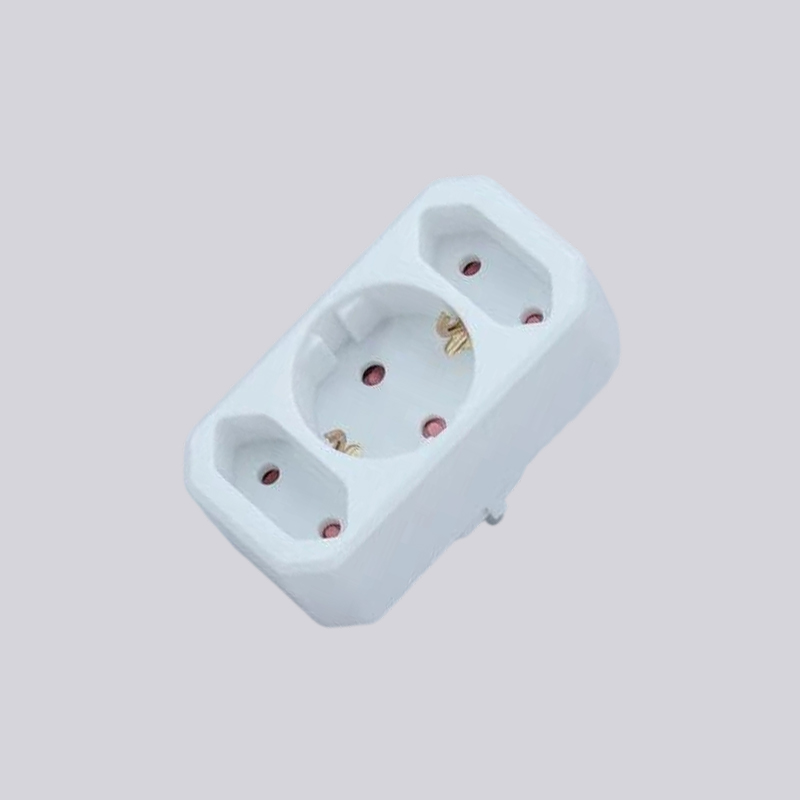
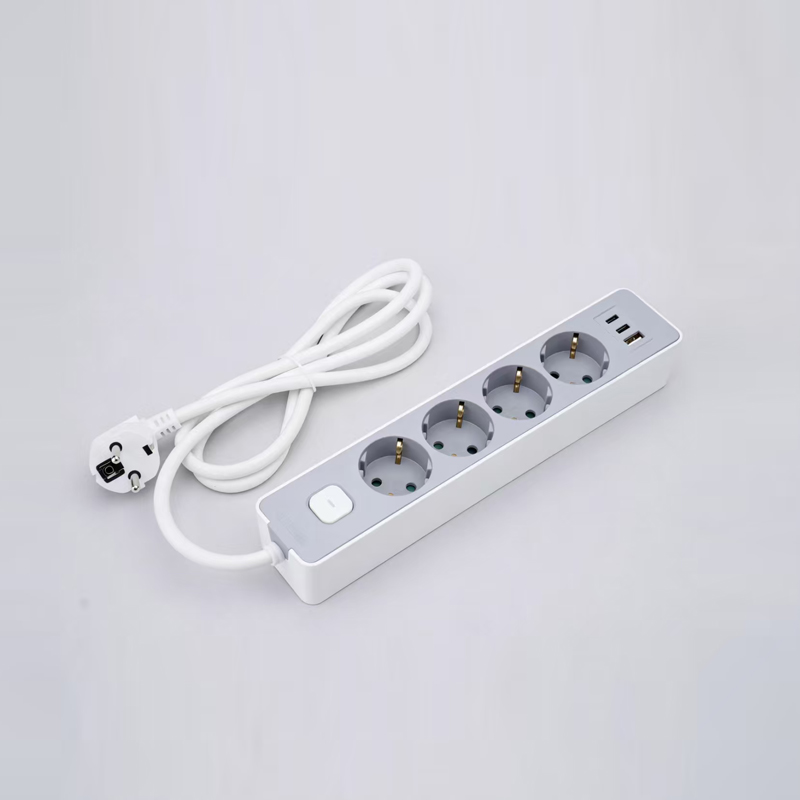
A European Power Strip is designed to accommodate the standard Schuko (Type F) plug used in most European countries. These devices often feature multiple outlets, surge protection, and sometimes USB charging ports. They are ideal for connecting computers, kitchen appliances, entertainment systems, and other electrical devices simultaneously.
While European Power Strips provide convenience, they are limited by their maximum current and voltage ratings, typically 16A and 250V. Exceeding these limits can lead to overheating, electrical short circuits, and potential fires.
Top Safety Precautions for Using European Power Strips
1. Avoid Overloading
One of the most common dangers associated with European Power Strips is overloading. Plugging too many high-power devices, such as heaters, microwaves, or air conditioners, can exceed the strip’s rated capacity. Overloading can cause the strip to overheat and potentially start a fire.
- Check the total wattage of all connected devices.
- Ensure the sum does not exceed the strip’s rated maximum current (usually 16A).
2. Inspect for Damage Regularly
Before using a European Power Strip, always check for visible signs of damage. Worn cords, exposed wires, or burn marks can indicate that the strip is unsafe for use. Damaged strips should be replaced immediately to prevent electrical hazards.
3. Use Surge Protection
Modern European Power Strips often include built-in surge protection to shield devices from voltage spikes. This is particularly important in areas prone to lightning or power fluctuations. Using a strip without surge protection increases the risk of damaging sensitive electronics like computers and home entertainment systems.
4. Avoid Daisy-Chaining
Daisy-chaining, or connecting multiple power strips together, is a dangerous practice. It can easily lead to overloading and pose a fire hazard. Each European Power Strip should be plugged directly into a wall socket for maximum safety.
5. Keep Away from Moisture
European Power Strips are not designed for wet environments. Avoid placing them near sinks, aquariums, or areas with high humidity. Water contact can cause short circuits or electric shocks. If outdoor or bathroom use is necessary, choose a power strip with IP-rated water resistance.
6. Proper Ventilation
Power strips generate some heat during use. Ensure they are placed in well-ventilated areas, away from carpets, curtains, or other flammable materials. Overheating due to poor ventilation is a common cause of electrical fires.
7. Switch Off When Not in Use
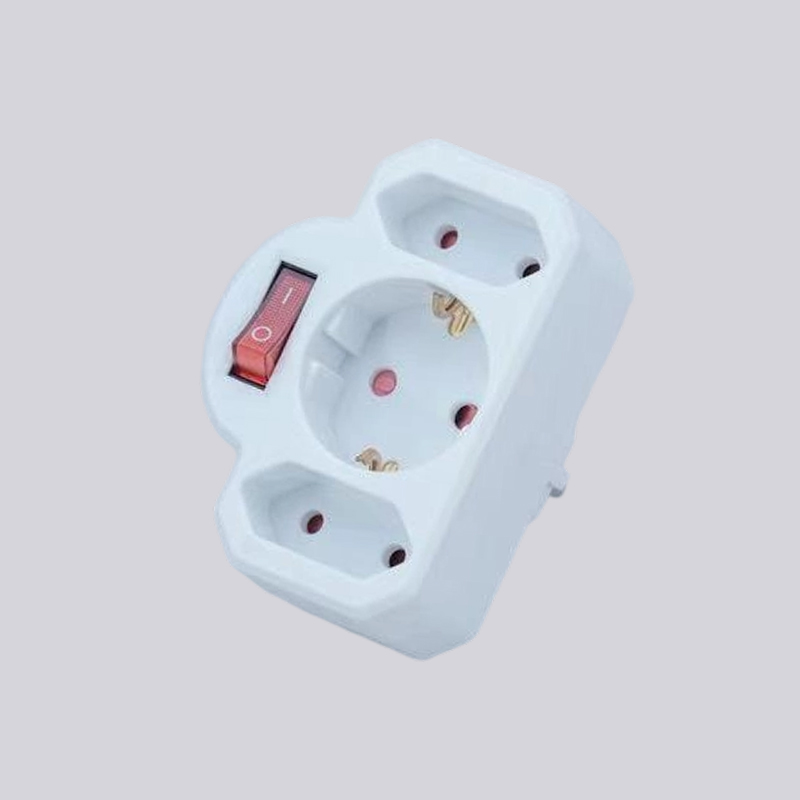
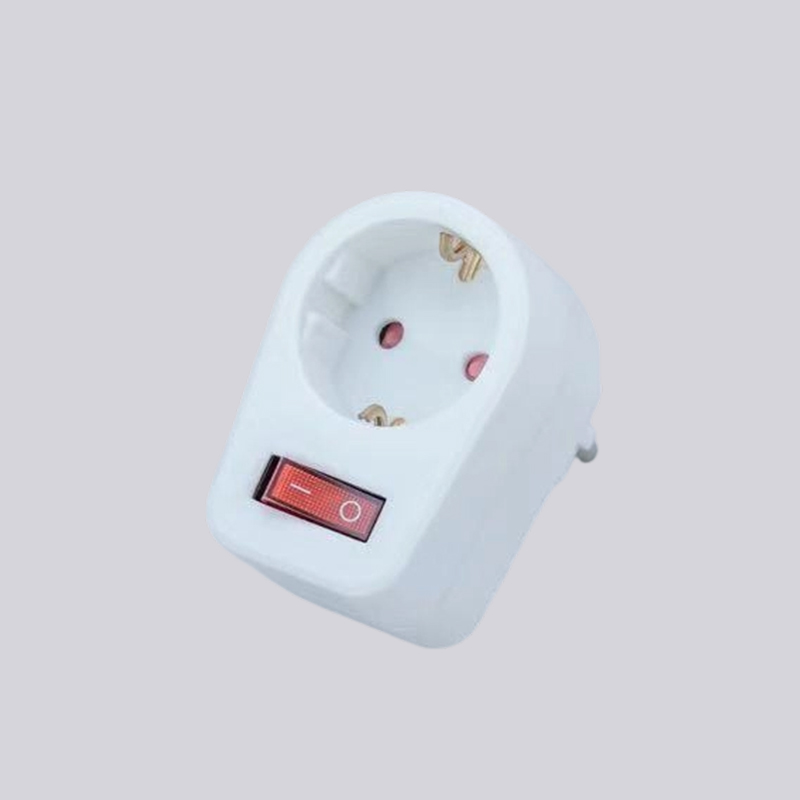
Many European Power Strips feature a master switch. Turning off the strip when devices are not in use saves energy and reduces the risk of overheating or electrical accidents.
Comparing European Power Strips with Other Power Strips
European Power Strips differ from North American (Type B) or UK (Type G) power strips in terms of plug design, voltage, and safety standards:
- Voltage: European strips typically operate at 220-240V, while North American strips use 110-120V.
- Current Capacity: European strips usually support up to 16A, while some North American models may have lower capacity.
- Plug Design: European plugs are round and recessed (Schuko), offering better grounding and safety against electric shocks compared to flat-blade plugs.
- Safety Features: Many European strips include child protection shutters, surge protection, and circuit breakers.
Understanding these differences ensures proper selection of power strips based on regional voltage and device requirements. Using a European Power Strip in non-European regions may require adapters and careful attention to voltage compatibility.
Frequently Asked Questions (FAQ) About European Power Strips
Q1: Can I plug high-wattage appliances like heaters into a European Power Strip?
A: It is not recommended. High-wattage appliances can easily exceed the rated current of the strip, causing overheating. Always check the wattage rating of your strip and consider plugging heavy appliances directly into a wall socket.
Q2: Are European Power Strips safe for children?
A: Many European Power Strips come with child-proof shutters to prevent accidental contact with live outlets. However, supervision is still advised, especially for younger children.
Q3: How do I know if my European Power Strip has surge protection?
A: Surge-protected strips usually include an indicator light or are labeled “surge protected.” These strips help protect connected devices from voltage spikes and are highly recommended for sensitive electronics.
Q4: Is it safe to use a European Power Strip outdoors?
A: Standard European Power Strips are not designed for outdoor use. For outdoor applications, choose an IP-rated strip specifically designed to withstand moisture and environmental conditions.
Q5: Can I leave my devices plugged in overnight using a European Power Strip?
A: While it is generally safe, it is recommended to turn off the strip when not in use to reduce risk of overheating, save energy, and extend device lifespan.
Conclusion
European Power Strips offer convenience and functionality for powering multiple devices, but their safe use requires attention to detail. Avoid overloading, inspect regularly for damage, use surge protection, and maintain proper ventilation. Understanding regional differences, such as voltage and plug design, ensures compatibility and safety. By following these precautions, users can enjoy the benefits of European Power Strips while minimizing the risk of accidents or device damage.
Implementing these safety measures not only protects your electronic devices but also enhances personal safety in both residential and commercial settings. Proper use of a European Power Strip ensures a secure, efficient, and reliable electrical environment for all your connected devices.


If you are interested in our products, please consult us
- CONTACT DETAILS
- Address : Guanhaiwei East Industrial Zone,Cixi, Ningbo,315314 Zhejiang, P.R.China.
- TEL: helen:+86-15867389889 Young:+86-15958216886 +86-0574-63666678
- Email:[email protected] [email protected]
- Fax:86-0574-63668558
- PRODUCTS
- Power Strip
- Extension Cord
- Cable Reel
- Adapter
- Plug
- QUICK LINK
- Company Profile
- company culture
- Plant equipment
- FAQ
- NEWS CENTER
- Company News
- Industry News
- MOBILE TERMINAL
-