English
  中文简体
中文简体 
What are the rated voltage and current of the European Power Strip?
 2026.01.16
 Industry News
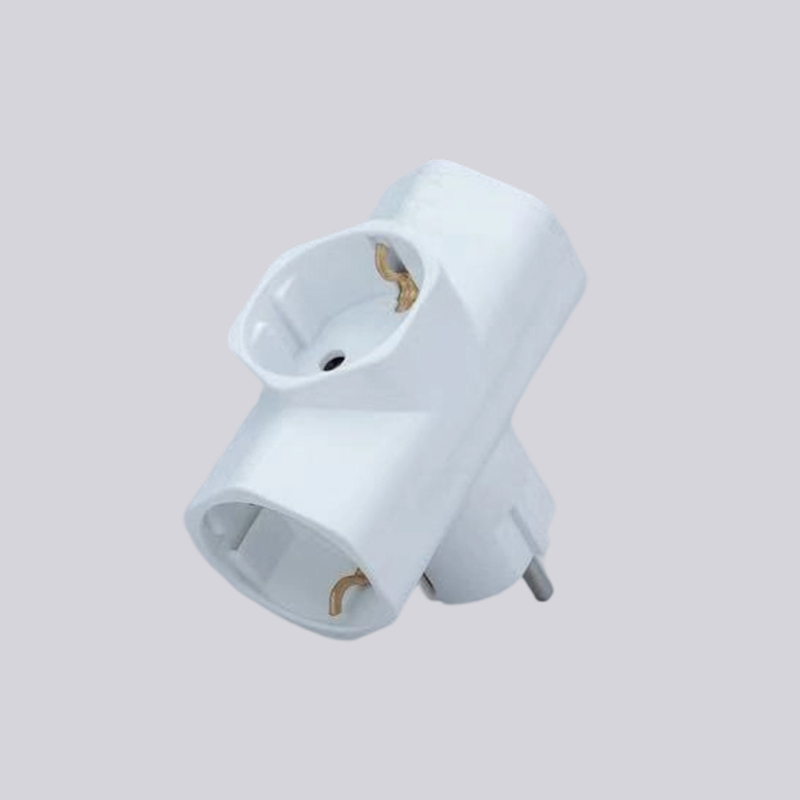
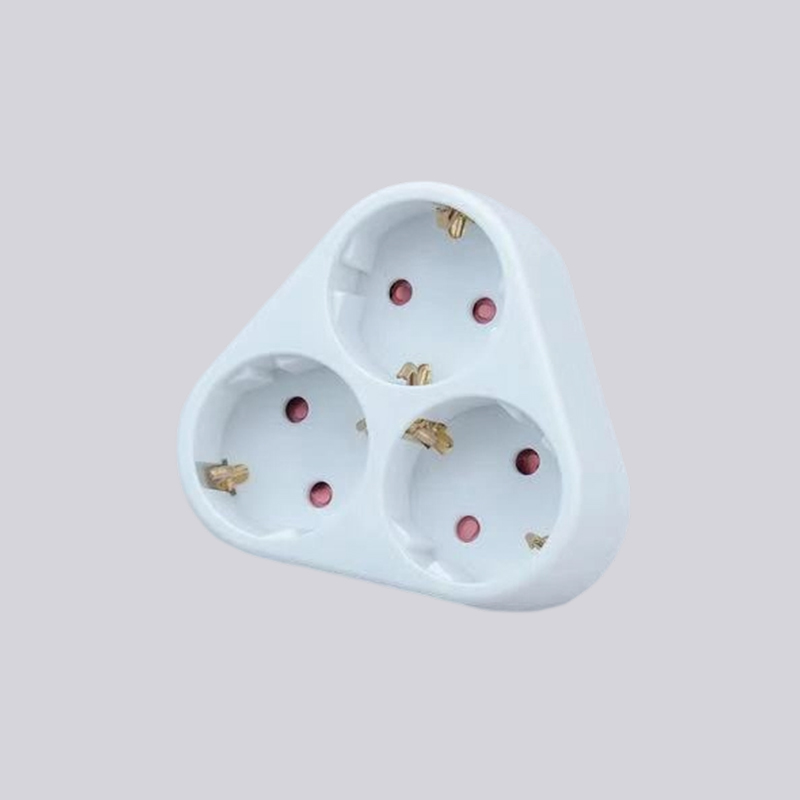
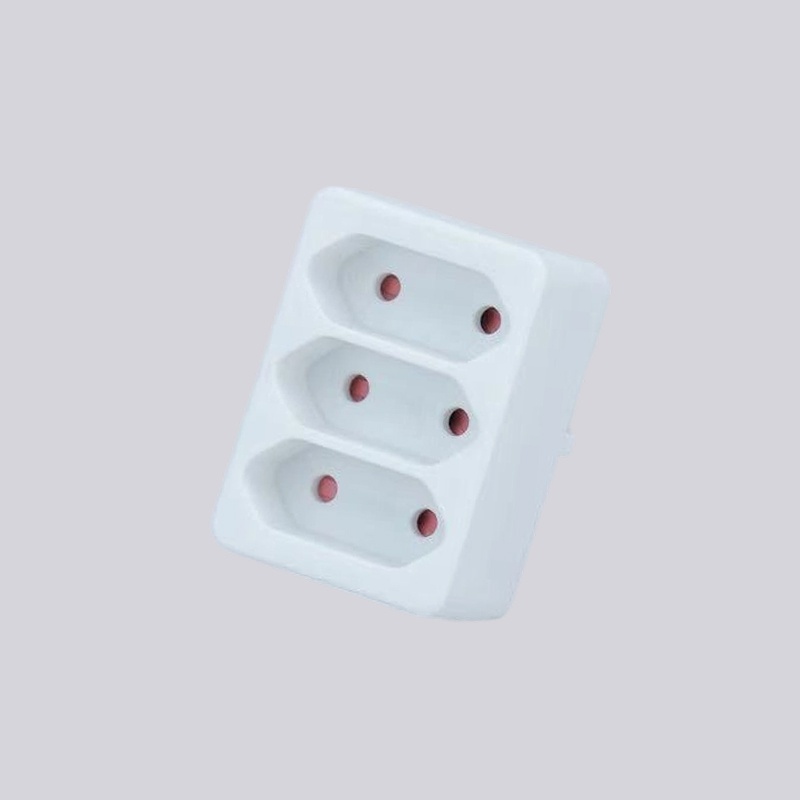
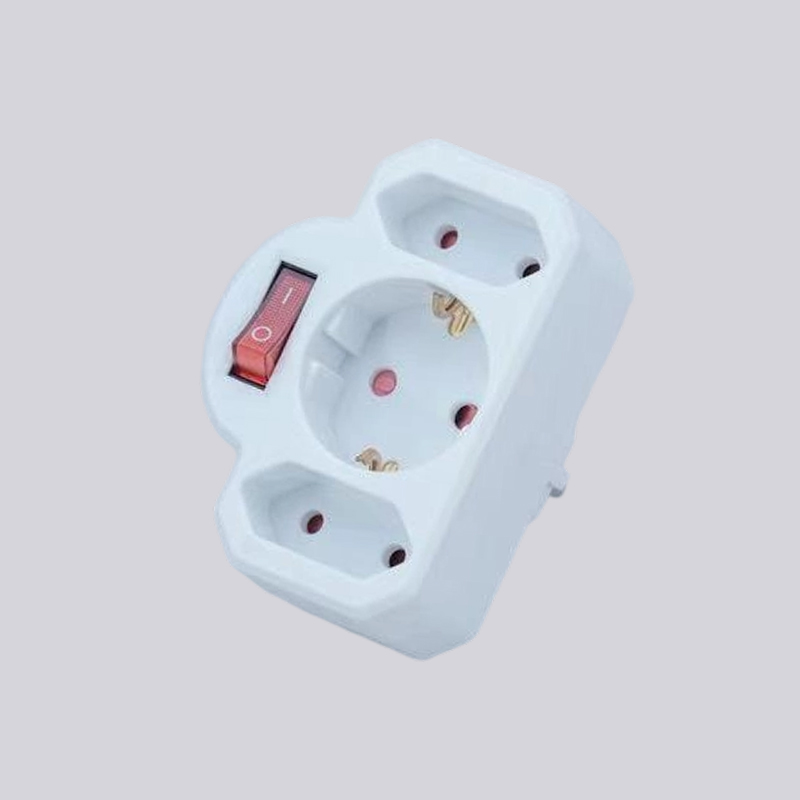
The European Power Strip is a staple in homes, offices, and commercial settings across Europe. Known for its compatibility with European electrical systems, safety features, and convenience, understanding its rated voltage and current is essential for safe and effective usage. This article explores these specifications in detail, compares them with power strips from other regions, and provides practical advice for consumers.
Content
What is a European Power Strip?
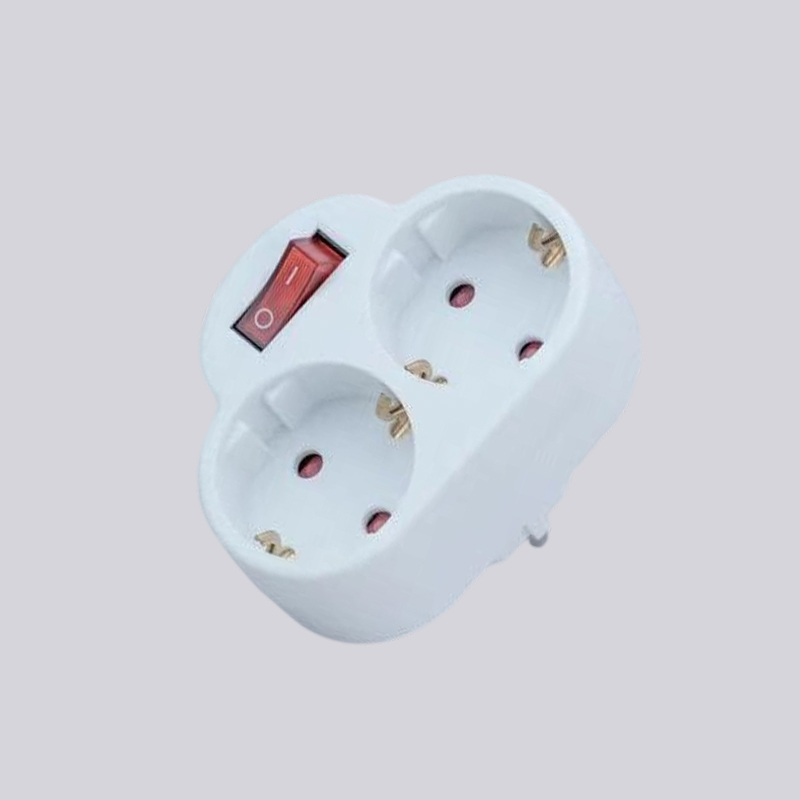
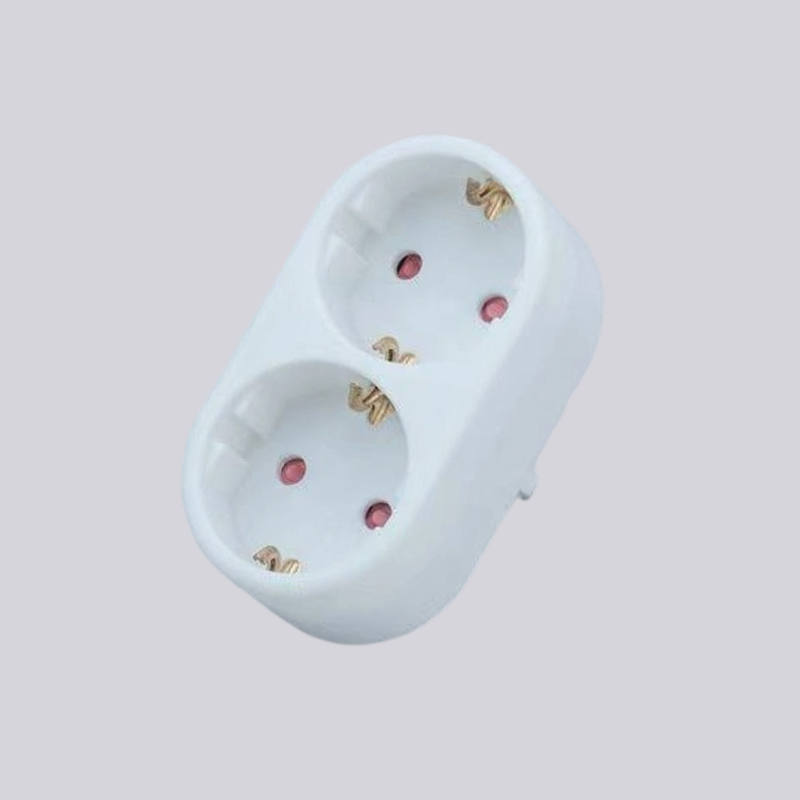
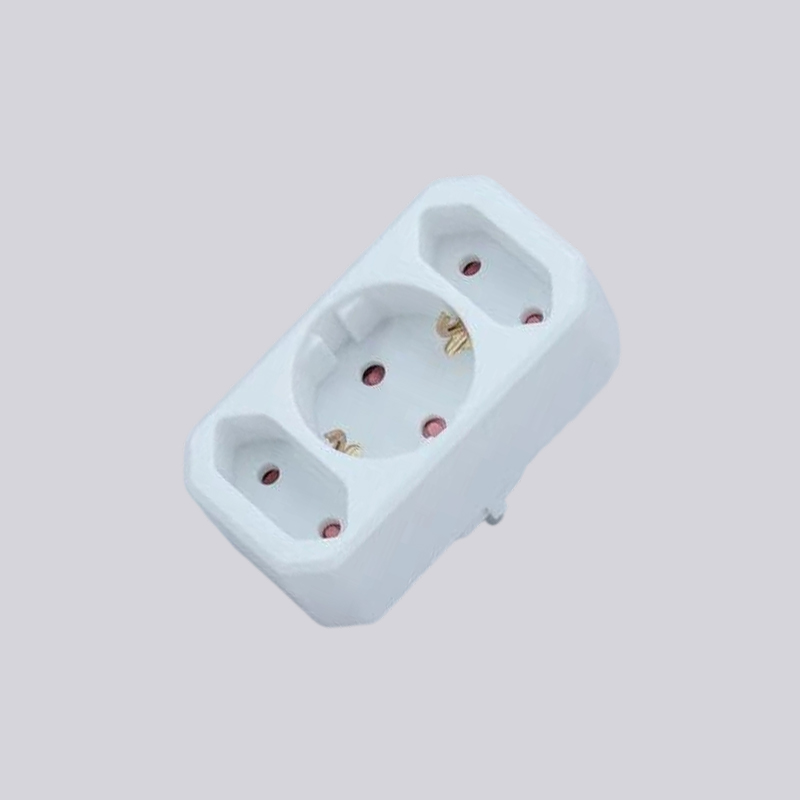
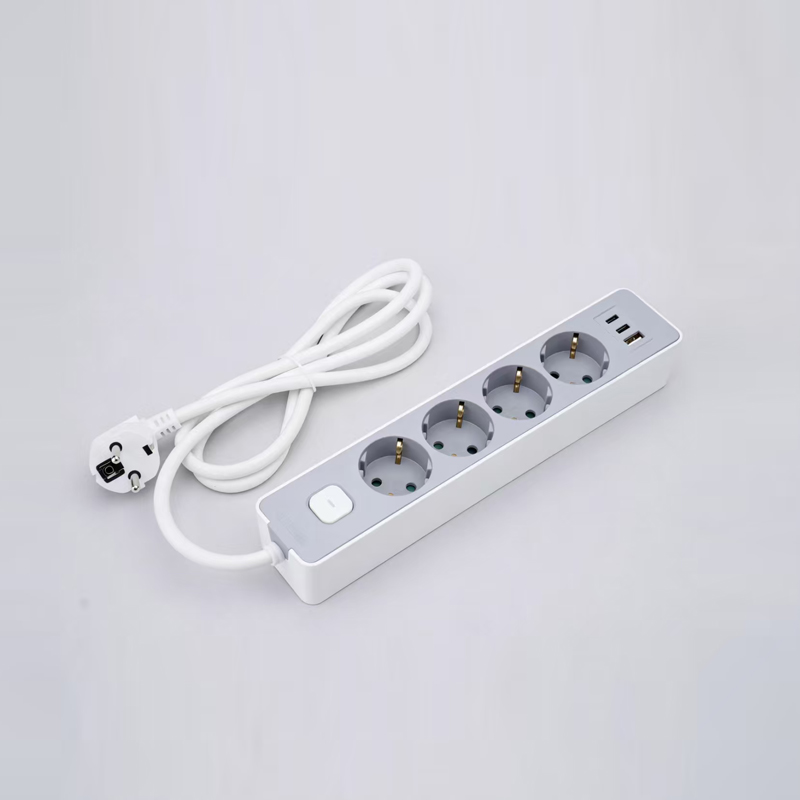
A European Power Strip is an electrical device that allows multiple appliances or devices to be powered from a single electrical socket. Unlike simple extension cords, modern European power strips often include built-in surge protection, switches, and USB charging ports. They are designed to comply with the electrical standards used across European countries, ensuring both safety and performance.
Key Features of European Power Strips
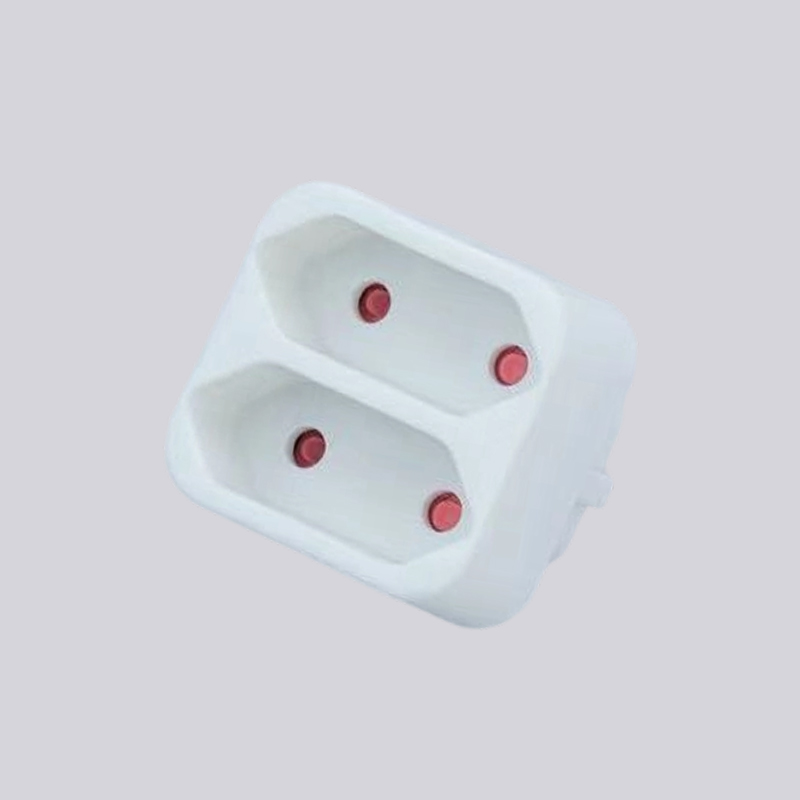
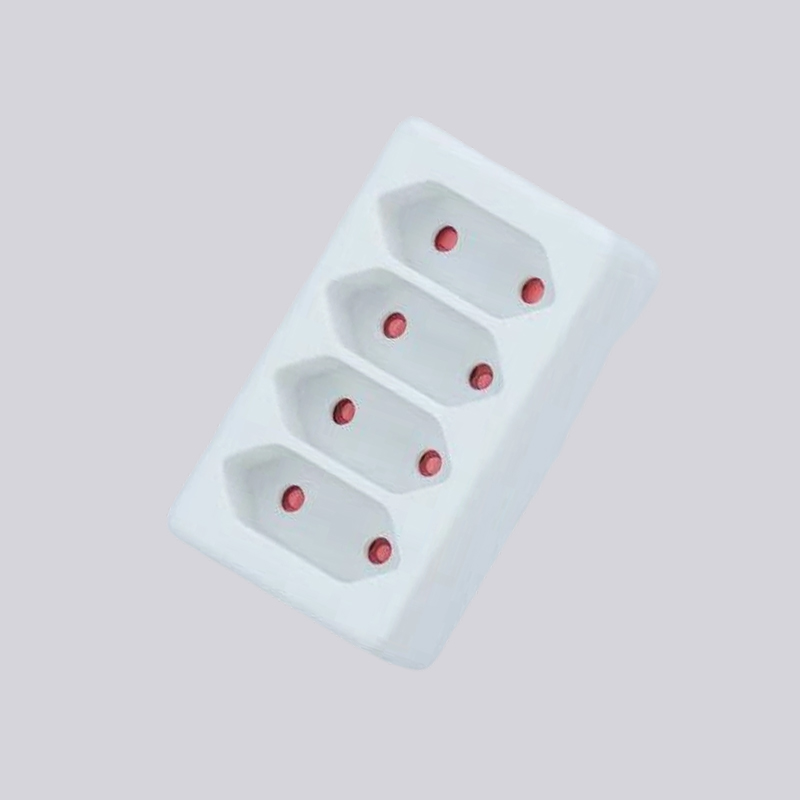
- Multiple Outlets: Most European power strips provide 3–6 sockets for connecting multiple devices simultaneously.
- Surge Protection: Many models feature surge protectors that safeguard electronic devices against voltage spikes.
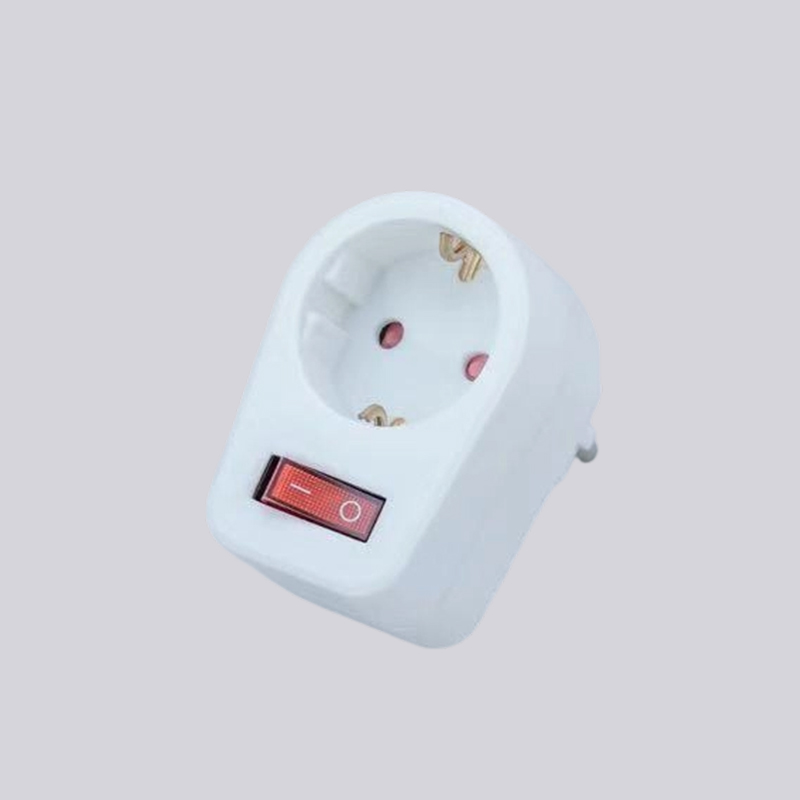
- Built-in Switches: Individual socket switches or a master switch allow users to control power supply efficiently.
- Compact Design: Designed for home or office use, European power strips are often lightweight and portable.
Rated Voltage of a European Power Strip
The standard rated voltage of a European Power Strip is 230 volts (V), which aligns with the common mains electricity in European countries. This voltage rating ensures compatibility with household appliances, laptops, chargers, and other devices typically used in Europe. Operating a power strip at its rated voltage prevents overheating and reduces the risk of electrical hazards.
Voltage Comparison with Other Regions
- United States: Power strips in the US are typically rated for 120V, almost half of European standards.
- Japan: Japanese power strips are generally rated for 100V.
- United Kingdom: Despite using 230V mains power, UK power strips may differ in plug shape (Type G) and socket design.
Understanding the voltage differences is crucial for travelers or for using imported appliances. Using a European power strip in countries with different voltages without proper converters can damage devices or cause electrical hazards.
Rated Current of a European Power Strip
The rated current of a typical European Power Strip ranges between 10 and 16 amperes (A). This rating indicates the maximum current that can safely flow through the strip without overheating or causing damage. Devices connected to a power strip should not exceed its rated current to maintain safety and performance.
Current Comparison and Considerations
- High-Power Devices: Appliances such as heaters, coffee machines, or air fryers draw significant current. Using multiple high-current devices on a single power strip can exceed its rated current and trigger safety mechanisms.
- USB Ports: Many modern European power strips include USB ports with 2.1–3A ratings, suitable for charging smartphones and tablets without overloading the strip.
- Current vs Voltage: While the voltage rating ensures device compatibility, the current rating is crucial for safety and load management.
Safety Standards and Certifications
European power strips must meet strict safety standards, including:
- CE Certification: Ensures compliance with EU safety regulations.
- RoHS Compliance: Restricts hazardous substances in electrical products.
- Overload Protection: Built-in circuit breakers or fuses prevent excessive current flow.
- Child Safety Shutters: Some models include shuttered sockets to prevent accidental contact with live parts.
These safety features are essential for both residential and commercial applications, making European power strips among the safest options for everyday use.
Practical Tips for Using a European Power Strip
- Check the Ratings: Always verify the rated voltage and current before plugging in devices.
- Do Not Overload: Avoid connecting too many high-power devices simultaneously.
- Use Surge Protection: For sensitive electronics, choose a strip with surge protection to prevent damage from voltage spikes.
- Proper Placement: Keep power strips away from heat sources, moisture, and heavy foot traffic to reduce risk of accidents.
- Travel Caution: When traveling outside Europe, use a voltage converter or adapter compatible with the local electrical system.
European Power Strip vs Other International Power Strips
| Region | Rated Voltage | Rated Current | Plug Type |
|---|---|---|---|
| Europe | 230V | 10–16A | Type C, E, F |
| United States | 120V | 10–15A | Type A, B |
| Japan | 100V | 10A | Type A |
| United Kingdom | 230V | 13A | Type G |
From this comparison, it is evident that European power strips offer high compatibility with regional devices while ensuring adequate safety and power capacity for everyday electronics.
Frequently Asked Questions (FAQ)
Q1: Can I use a European Power Strip in the US?
No, because the voltage in the US is 120V, which is lower than the 230V rating of European power strips. Using it without a step-up voltage converter may damage the strip or connected devices.
Q2: How many devices can I safely plug into a European Power Strip?
It depends on the total current draw. Ensure the sum of all devices does not exceed the strip's rated current (usually 10–16A). High-power appliances should be plugged individually to prevent overload.
Q3: Are all European Power Strips surge-protected?
No, not all. Basic models provide multiple sockets without surge protection. For sensitive electronics, choose models with built-in surge protectors rated for your devices.
Q4: What plug types are compatible with European Power Strips?
Common plug types include Type C (Europlug), Type E, and Type F (Schuko). Ensure your appliance plug matches the socket type or use a proper adapter.
Q5: Can I use a European Power Strip for USB charging?
Yes, many modern European power strips include USB ports with output ratings suitable for smartphones, tablets, and small electronic devices. Check the amperage to ensure safe charging.
Conclusion
The European Power Strip is designed for reliability, safety, and convenience in European households and workplaces. With a rated voltage of 230V and a rated current of 10–16A, it supports a wide range of devices while minimizing electrical hazards. Understanding these ratings, comparing them with international standards, and following practical usage tips ensures that users maximize both safety and functionality.
Whether for home offices, entertainment systems, or travel preparation, selecting the right European power strip with the correct voltage and current ratings is crucial for both device longevity and user safety.


If you are interested in our products, please consult us
- CONTACT DETAILS
- Address : Guanhaiwei East Industrial Zone,Cixi, Ningbo,315314 Zhejiang, P.R.China.
- TEL: helen:+86-15867389889 Young:+86-15958216886 +86-0574-63666678
- Email:[email protected] [email protected]
- Fax:86-0574-63668558
- PRODUCTS
- Power Strip
- Extension Cord
- Cable Reel
- Adapter
- Plug
- QUICK LINK
- Company Profile
- company culture
- Plant equipment
- FAQ
- NEWS CENTER
- Company News
- Industry News
- MOBILE TERMINAL
-