English
  中文简体
中文简体 
What Are the Key Features of a European Extension Cord?
 2026.01.23
 Industry News
European extension cords are essential accessories for homes and workplaces across the continent. These versatile power solutions allow users to extend their electrical reach, ensuring that electronic devices can be powered efficiently and safely. The key features of a European extension cord make it a reliable tool for various applications, from office setups to home entertainment systems. Understanding these features is crucial for selecting the right extension cord for your needs. Let’s explore what makes European extension cords stand out in terms of design, functionality, and safety.
Content
What is a European Extension Cord?
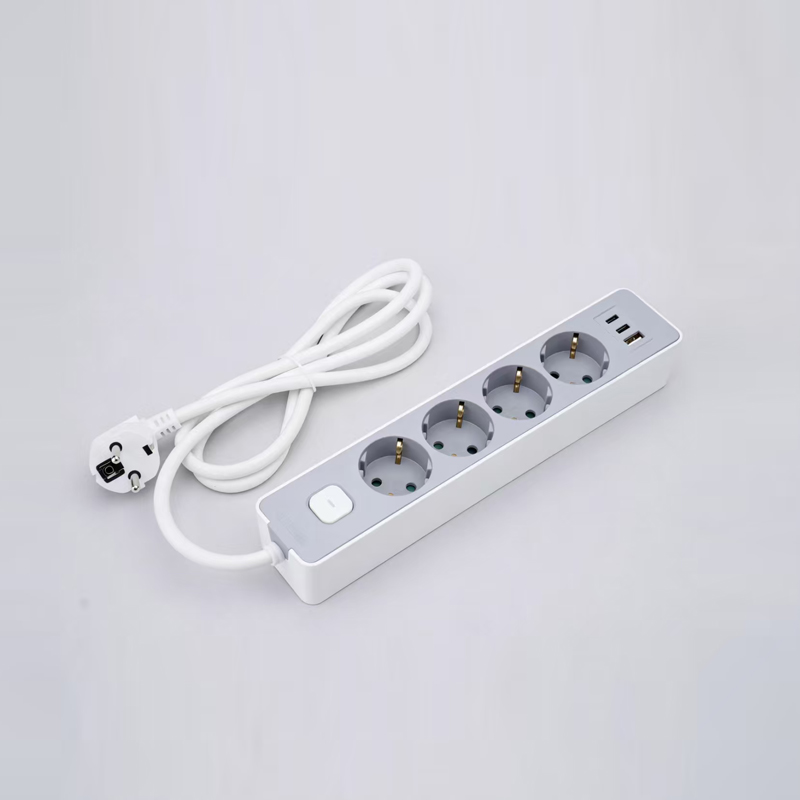
A European extension cord is a type of power cable designed to provide additional outlets for electrical devices. Typically, these cords are used to extend the reach of a power source, enabling users to connect multiple devices at once. European extension cords are characterized by their compliance with European electrical standards, which include specific voltage and current ratings, plug and socket configurations, and safety features.
Unlike their counterparts in other regions, European extension cords are designed to accommodate the 220-240V electrical systems commonly used across the continent. This is in contrast to the 110-120V systems found in North America, which affects the design and performance of extension cords in each region.
Key Features of a European Extension Cord
1. Voltage and Current Rating
The voltage and current rating of an extension cord are crucial for ensuring safe operation. European extension cords are designed to handle the higher voltages typical of European electrical systems, which range from 220V to 240V, depending on the country. The most common rating for residential use is 230V, with some cords being rated for 16A (amps), which is ideal for powering household appliances like televisions, lamps, and small kitchen appliances.
Why is Voltage Rating Important?
Using an extension cord with the correct voltage rating ensures that electrical devices receive the proper power supply, preventing overloading and potential damage to appliances. Extension cords with a higher voltage rating than needed offer a margin of safety, but it's essential to match the voltage rating with the device requirements.
2. Plug and Socket Configuration
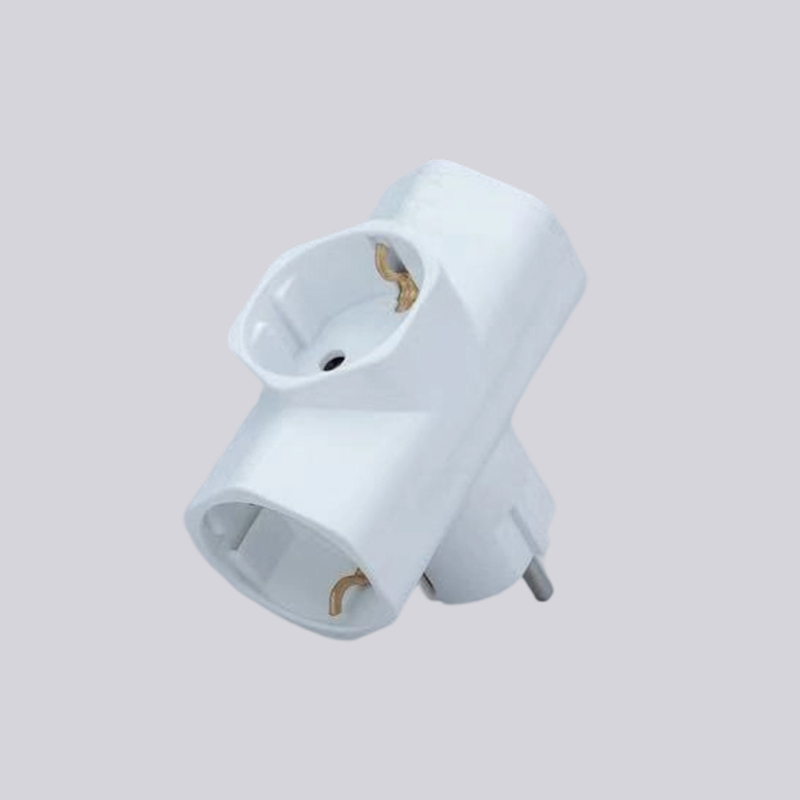
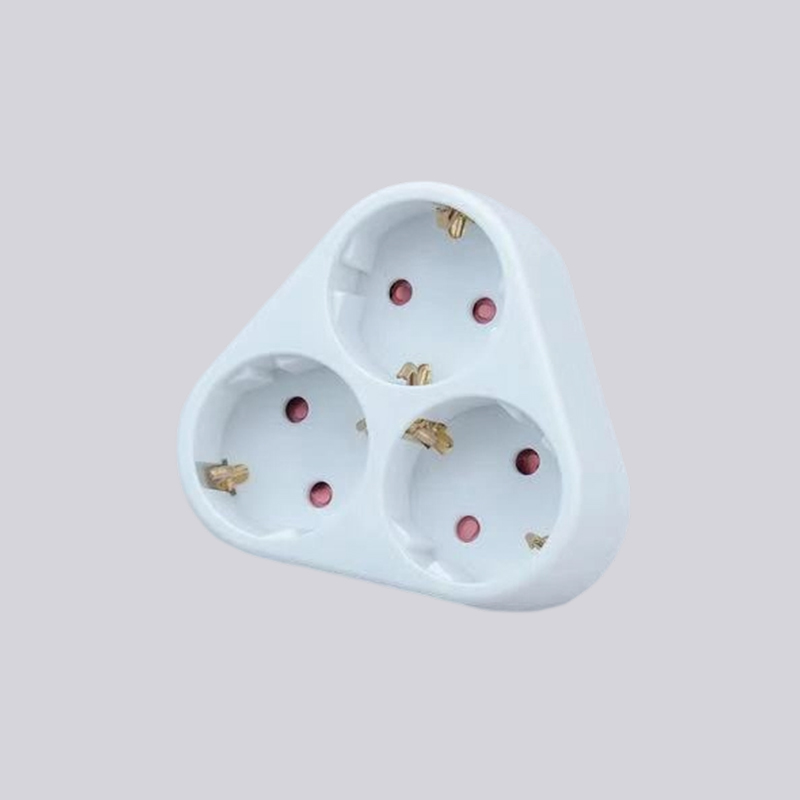
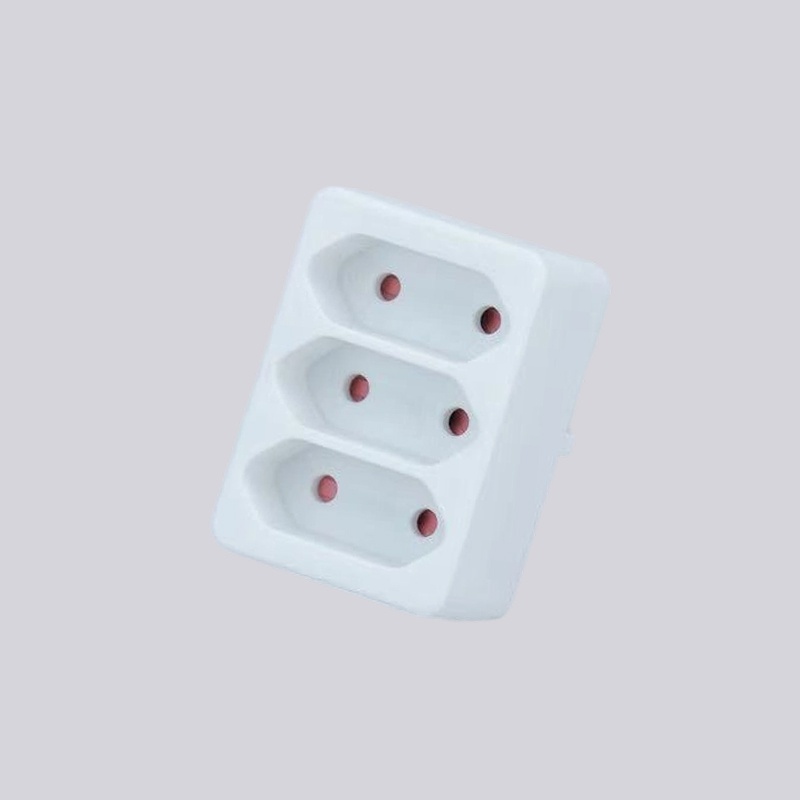
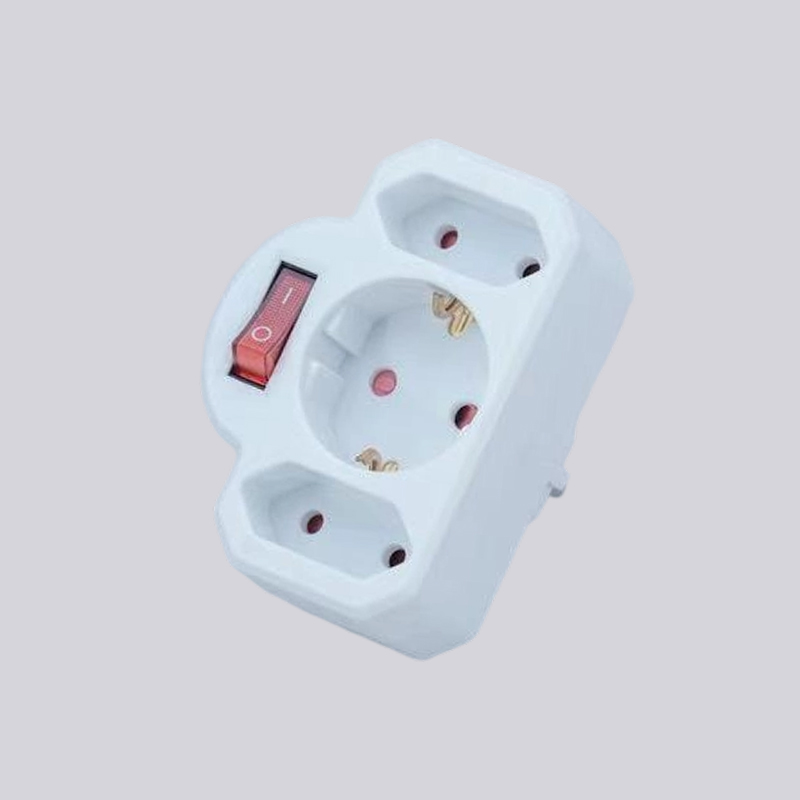
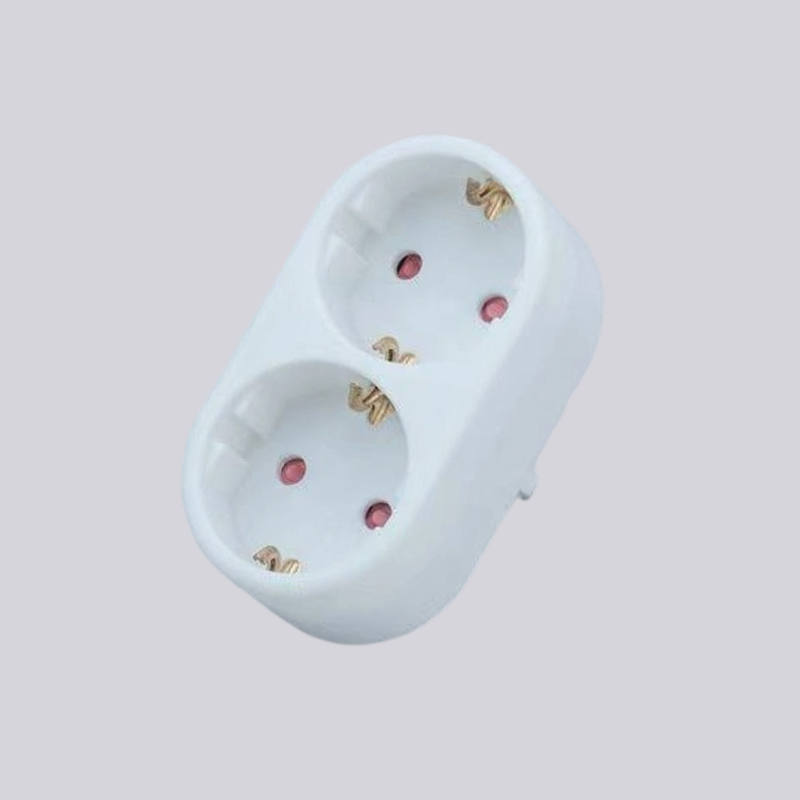
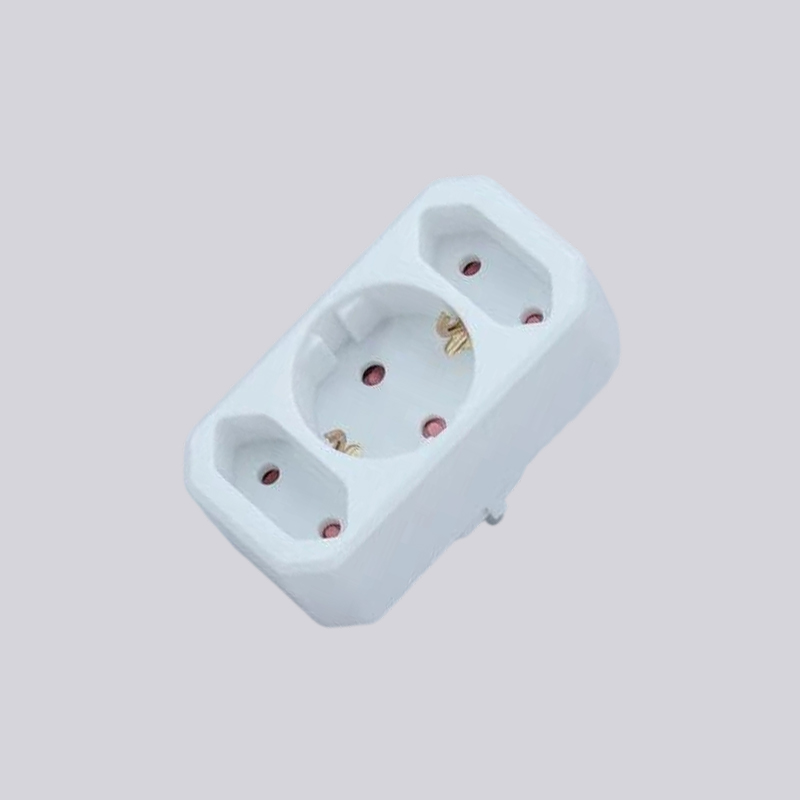
One of the most distinctive features of European extension cords is their plug and socket configuration. European countries use different types of plugs and sockets than other regions, with the most common being the Type C, Type E, and Type F plugs. These plugs are designed to meet the safety standards set by the European Union (EU) and are compatible with the standard European outlets.
Types of European Plugs:
- Type C: The two-round pin plug is widely used in most European countries, except for the UK and Ireland. It is often used for low-power devices.
- Type E: Used in France, Belgium, and Poland, this plug has two round pins and a hole for grounding. It’s commonly used for larger appliances.
- Type F: Known as the "Schuko" plug, it is widely used in Germany, Austria, and other parts of Europe. It has two round pins and grounding clips, offering higher safety for high-powered devices.
The correct configuration of the plug and socket is essential for ensuring compatibility with the power grid and maintaining safety standards. Many European extension cords are designed with multiple socket types, making them more versatile and usable across different regions.
3. Cable Length
The length of the extension cord is a key consideration when choosing the right one for your needs. European extension cords come in various lengths, ranging from short 1-meter cords to longer 10-meter or more cords. The cable length determines how far you can extend the reach from the power source to your devices.
Choosing the Right Length:
When selecting the right cable length, it is important to consider the distance between the power outlet and the device. A longer extension cord allows for greater flexibility in device placement, but it also comes with a higher risk of power loss over longer distances. For everyday use, a cord length of around 3 to 5 meters is typically sufficient.
4. Safety Features
Safety is a paramount concern when using extension cords. European extension cords are designed with built-in safety features to prevent electrical hazards. These include:
- Overload Protection: Many European extension cords come with built-in circuit breakers or overload protection to prevent damage from excessive current flow. This feature is especially useful when powering multiple devices at once.
- Child-Safe Features: Many extension cords feature safety shutters on the sockets, preventing children from inserting objects into the outlets and reducing the risk of electric shock.
- Earth Leakage Protection: Some models come with additional earth leakage protection, which helps protect against electrical faults that could cause fires or electrocution.
Importance of Safety Compliance:
European extension cords must comply with various safety standards, including CE certification, which ensures that the cord meets EU safety, health, and environmental protection requirements. Users should always check for this certification to ensure they are purchasing a reliable and safe product.
5. Material Quality and Durability
The materials used in the construction of European extension cords play a significant role in their durability and safety. Most extension cords are made from durable PVC (Polyvinyl Chloride) or rubber, which provides flexibility and resistance to wear and tear. High-quality extension cords also feature a braided or reinforced outer layer to prevent damage from sharp objects or abrasion.
Durability in Various Environments:
For outdoor use, extension cords with additional protection against moisture, sunlight, and temperature extremes are available. These cords are designed with waterproof coatings or reinforced insulation, making them suitable for powering outdoor equipment like garden tools and power washers.
Comparing European Extension Cords
Not all European extension cords are the same, and choosing the right one requires considering your specific needs. Below is a comparison of key features to help you make an informed choice:
| Feature | Standard Extension Cord | Heavy-Duty Extension Cord | Outdoor Extension Cord |
|---|---|---|---|
| Length | 1m to 5m | 5m to 10m | 5m to 15m |
| Safety Features | Basic overload protection | Advanced overload and earth leakage protection | Waterproof and UV-resistant |
| Voltage Rating | 230V | 230V to 400V | 230V |
| Applications | Home and office use | Industrial and high-powered appliances | Outdoor tools and equipment |
Frequently Asked Questions (FAQs)
1. What is the maximum length of a European extension cord?
The maximum length of a European extension cord can vary, but typical lengths range from 1 meter to 15 meters. For longer distances, it is essential to consider the voltage drop and power loss, as longer cords may result in reduced efficiency for high-power devices.
2. Are European extension cords safe for outdoor use?
Yes, some European extension cords are designed specifically for outdoor use. These cords are made with weather-resistant materials, providing protection against rain, sunlight, and extreme temperatures. Always check the product description for outdoor suitability and waterproof ratings.
3. Can I use a European extension cord in other regions?
European extension cords are designed for use with European electrical systems (230V). If you plan to use them in other regions, such as the United States or Asia, you will need a voltage converter or an adapter for compatibility. Ensure that the cord’s voltage rating matches the local electrical system to prevent damage or electrical hazards.
4. How do I know if my European extension cord is safe to use?
Check for CE certification on the extension cord, which indicates that it complies with European safety standards. Additionally, ensure that the cord is made from high-quality materials, and check for features such as overload protection and grounding for extra safety.
European extension cords are indispensable for both residential and commercial use, providing an essential link between devices and power outlets. With features like proper voltage ratings, safety certifications, and durable materials, they ensure safe and efficient operation. By considering factors such as cable length, plug configuration, and intended use, you can select the right European extension cord for your needs. Always prioritize safety and quality to ensure the longevity and functionality of your extension cord, making it a reliable tool for years to come.
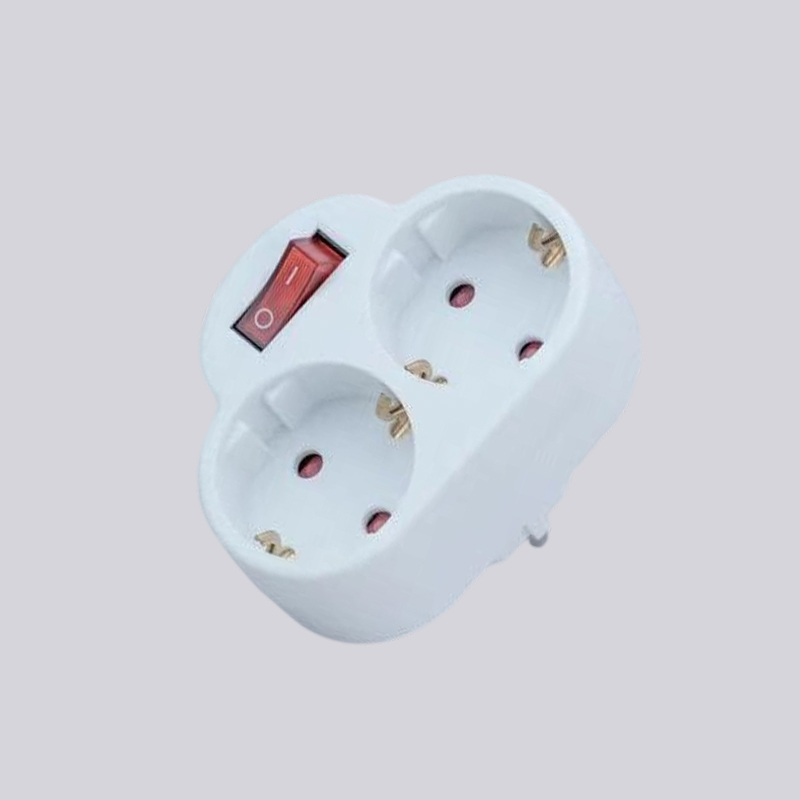
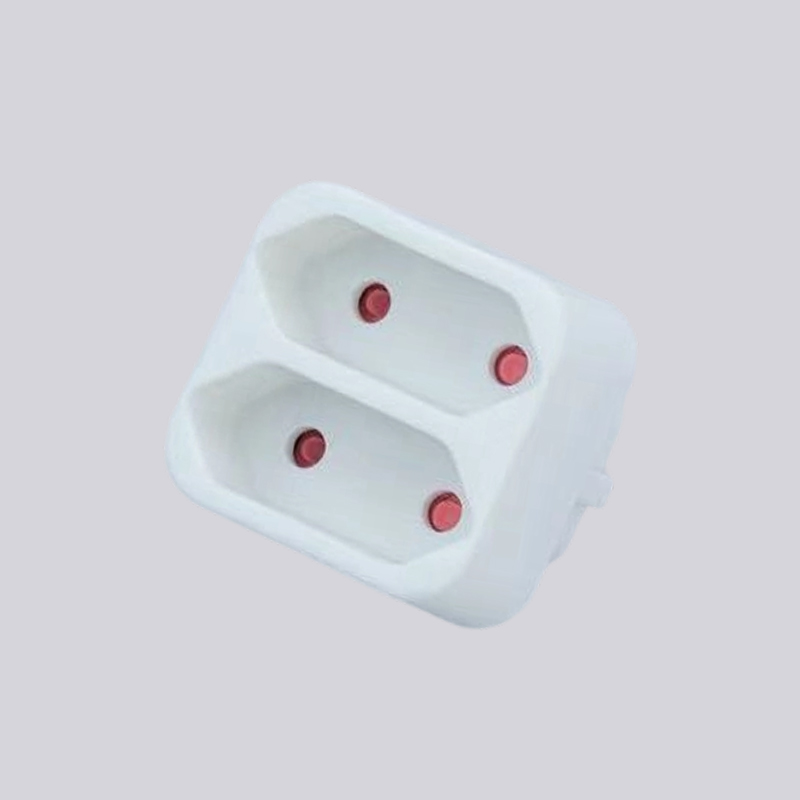
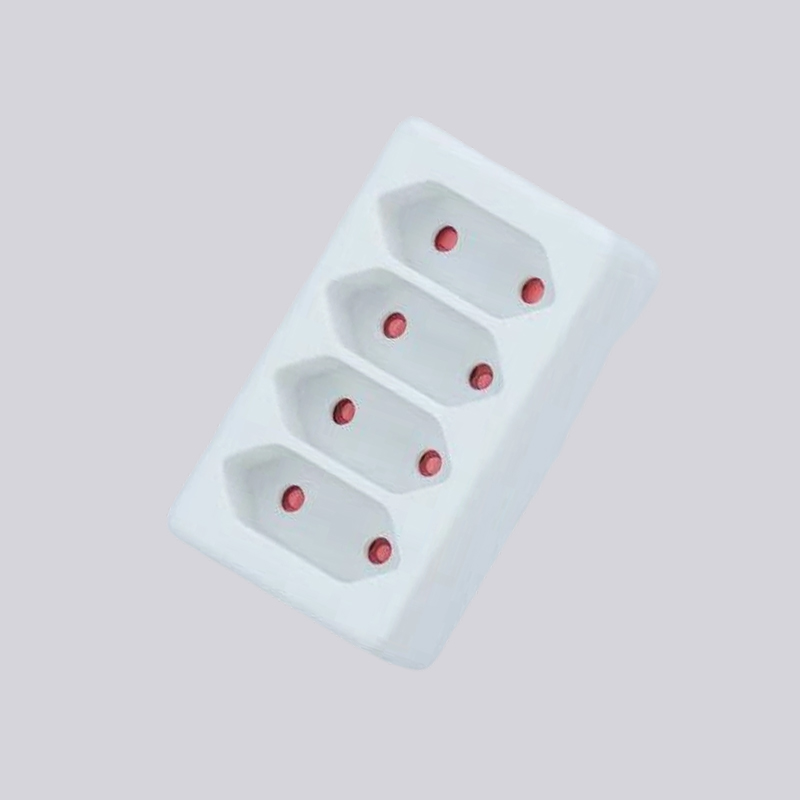
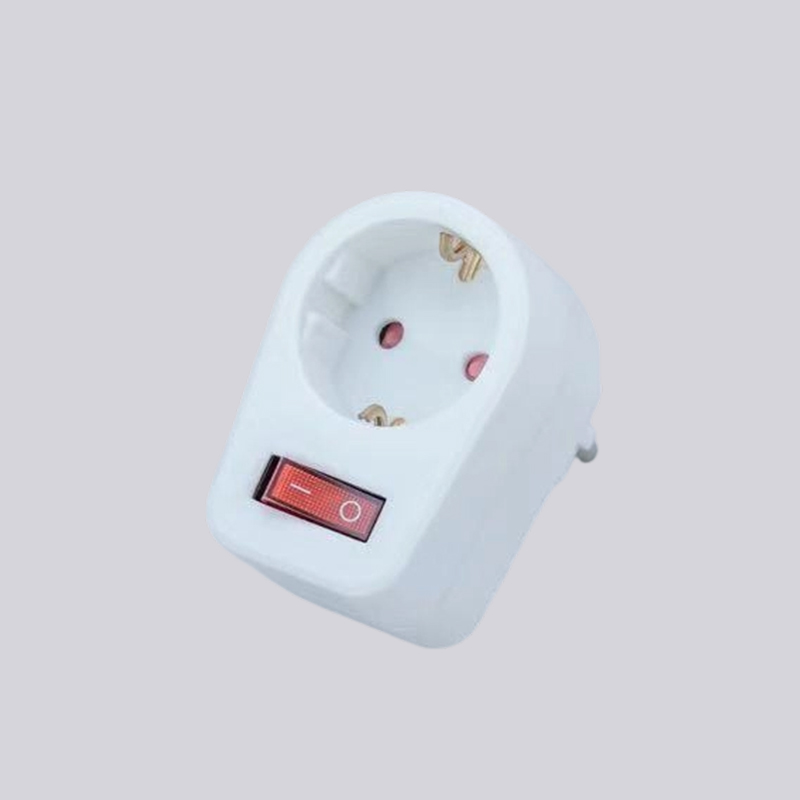


If you are interested in our products, please consult us
- CONTACT DETAILS
- Address : Guanhaiwei East Industrial Zone,Cixi, Ningbo,315314 Zhejiang, P.R.China.
- TEL: helen:+86-15867389889 Young:+86-15958216886 +86-0574-63666678
- Email:[email protected] [email protected]
- Fax:86-0574-63668558
- PRODUCTS
- Power Strip
- Extension Cord
- Cable Reel
- Adapter
- Plug
- QUICK LINK
- Company Profile
- company culture
- Plant equipment
- FAQ
- NEWS CENTER
- Company News
- Industry News
- MOBILE TERMINAL
-