English
  中文简体
中文简体 
How Do European Extension Cords Differ from Other Types of Extension Cords?
 2026.01.31
 Industry News
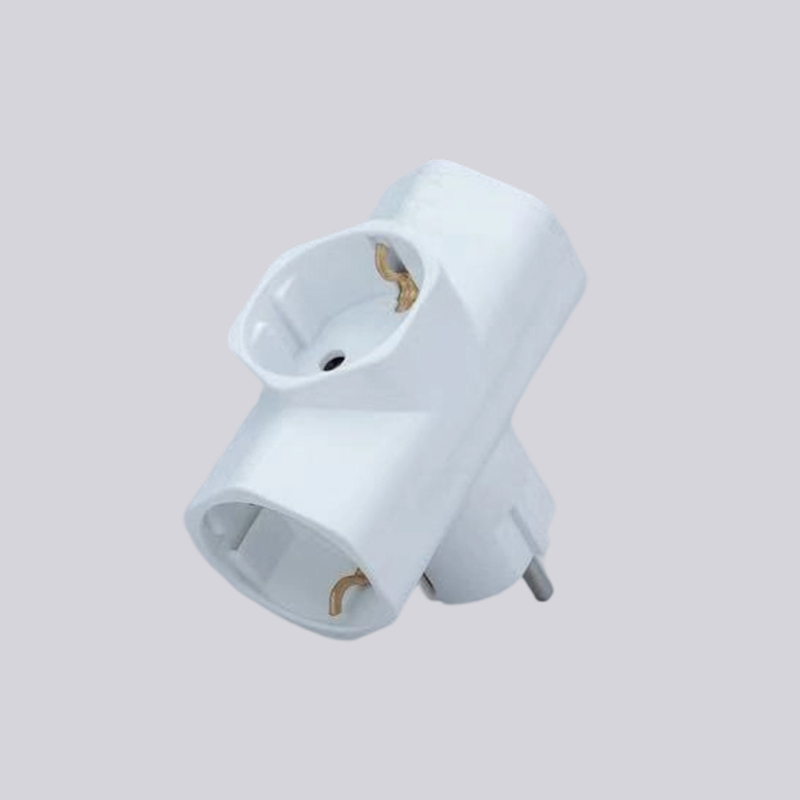
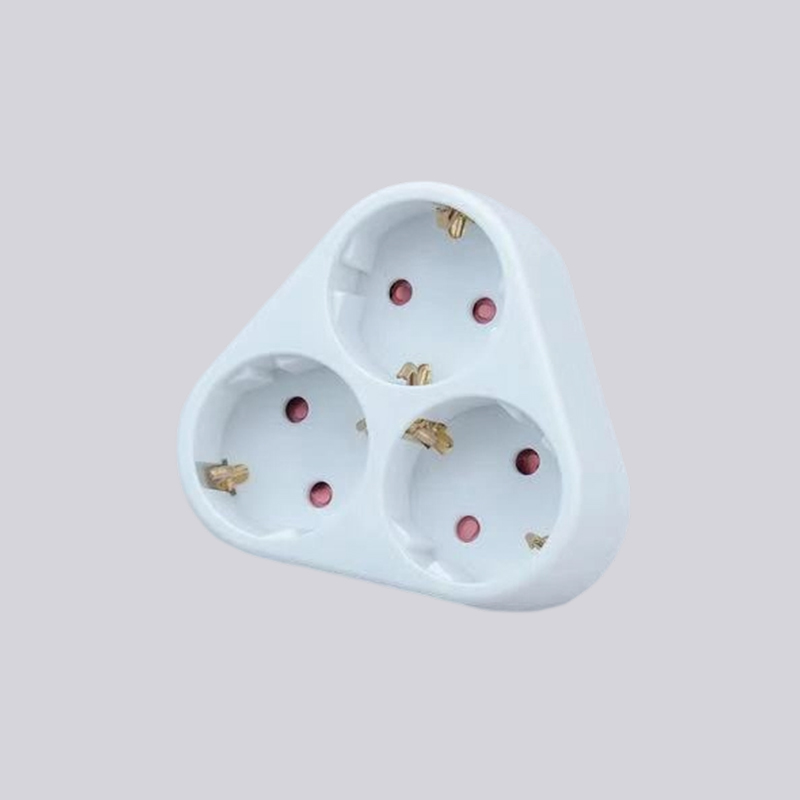
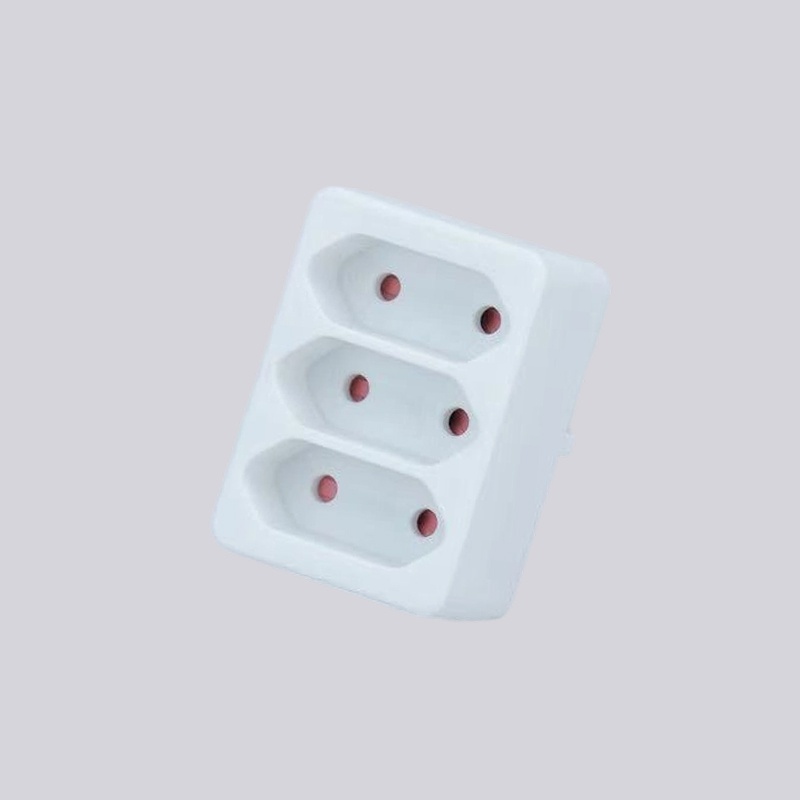
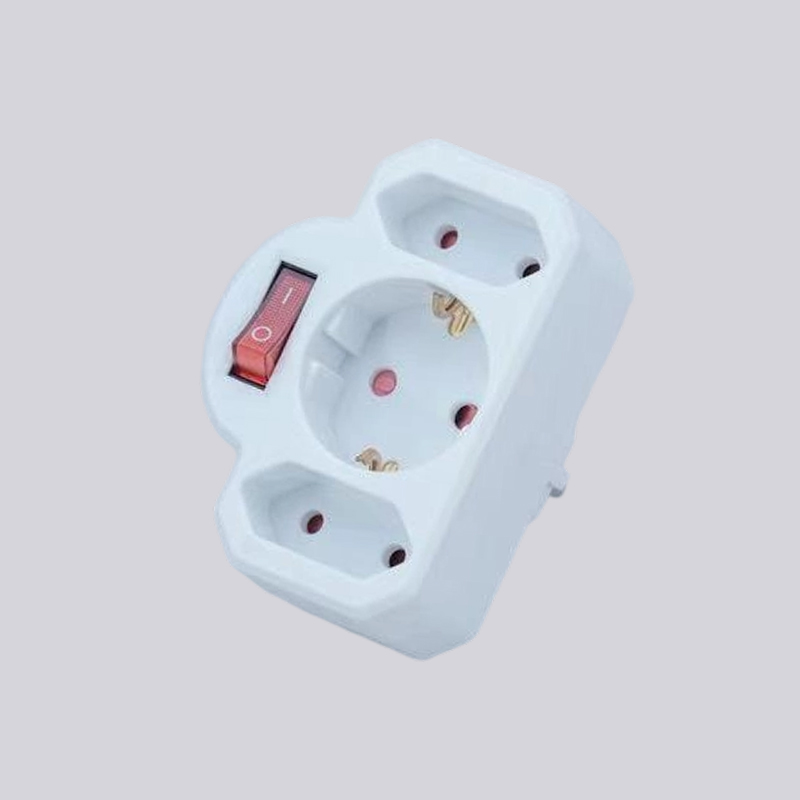
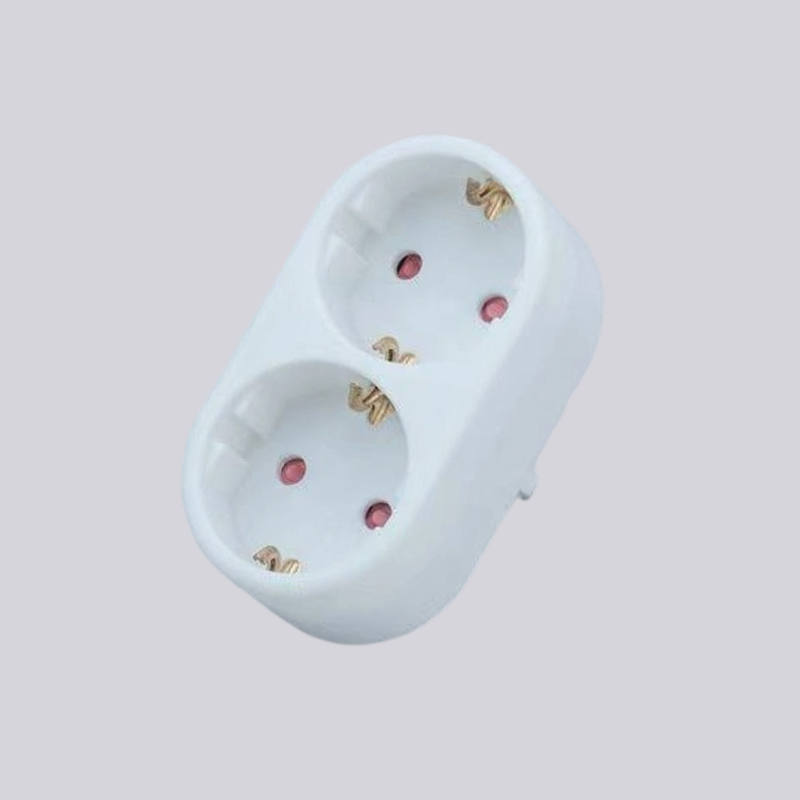
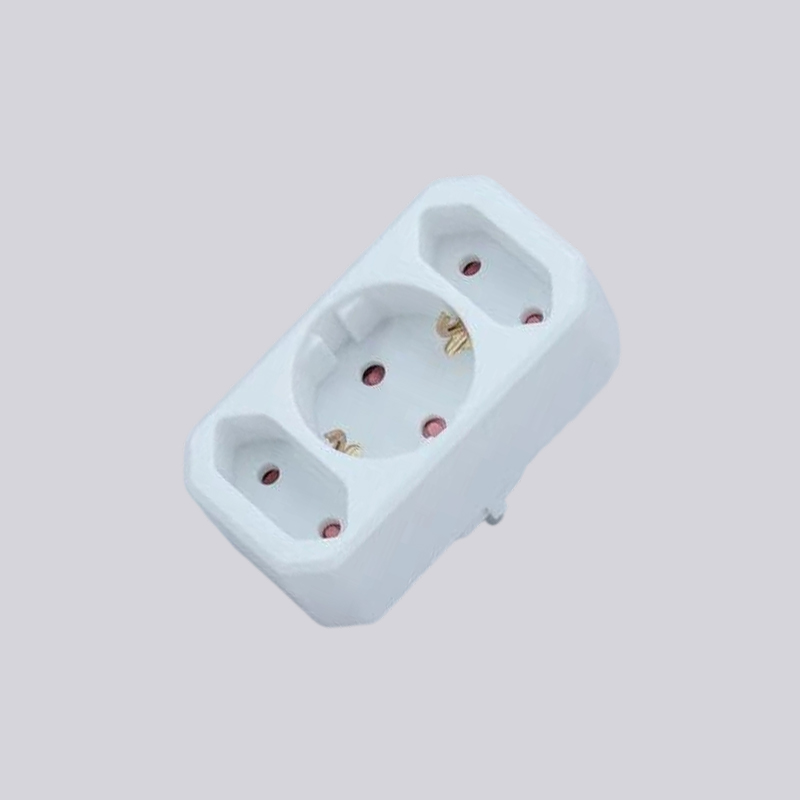
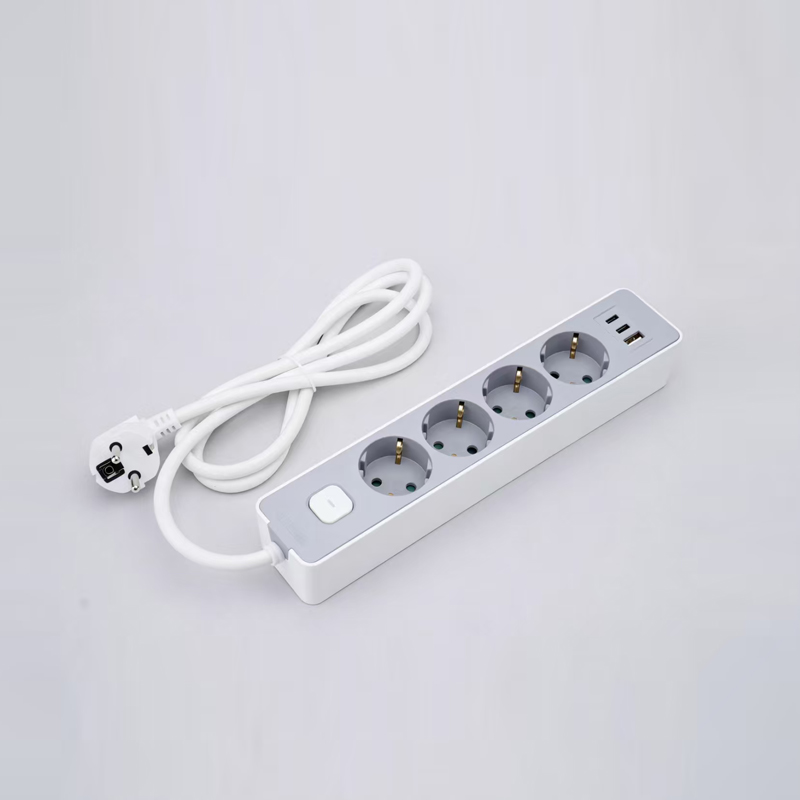
European Extension Cords are specially designed power cords that comply with European electrical standards, ensuring safety, efficiency, and compatibility with various devices. Unlike extension cords in other regions, European versions follow strict regulations regarding voltage, plug types, and insulation materials. These cords are commonly used in homes, offices, and industrial settings across Europe and are recognized for their reliability and durability.
Content
Key Features of European Extension Cords
The defining characteristics of European Extension Cords set them apart from other types of extension cords around the world. Key features include:
- Voltage Compatibility: Designed for 220-240V electrical systems, typical in Europe.
- Plug Types: Conforms to European plug types such as Type C, E, and F.
- Safety Standards: Must meet CE certification and comply with IEC safety regulations.
- Durable Insulation: High-quality materials such as PVC or rubber ensure heat resistance and flexibility.
- Built-in Safety Mechanisms: Many cords include surge protection, child-proof sockets, and overload protection.
Comparison with Other Types of Extension Cords
Extension cords differ worldwide due to varying electrical standards, plug shapes, and safety requirements. The table below highlights the main differences:
| Feature | European Extension Cords | North American Extension Cords | Asian Extension Cords |
| Voltage | 220-240V | 110-120V | 100-240V depending on country |
| Plug Type | Type C, E, F | Type A, B | Varies: Type A, C, G, I |
| Certification | CE, IEC | UL, CSA | CCC, PSE, BIS depending on region |
| Safety Features | Overload protection, surge protection, child-proof design | Limited, mostly surge protection | Varies widely, often basic insulation |
| Cord Material | PVC, rubber | PVC, sometimes lighter plastic | PVC, rubber, or composite materials |
Applications of European Extension Cords
European Extension Cords are used in various settings due to their safety and compliance with electrical standards. Common applications include:
- Residential Use: Powering home appliances, computers, and entertainment systems.
- Office Use: Extending power to office equipment, printers, and lighting.
- Industrial Applications: Heavy-duty cords for machinery, workshops, and construction sites.
- Outdoor Use: Weatherproof versions for gardens, patios, and outdoor events.
Advantages of European Extension Cords
Compared to other types of extension cords, European Extension Cords offer several benefits:
- Enhanced Safety: Compliance with CE and IEC standards reduces the risk of electrical hazards.
- Durability: High-quality materials and reinforced insulation extend the lifespan of the cords.
- Versatility: Suitable for various devices and adaptable to different environments.
- Energy Efficiency: Designed for optimal voltage usage, reducing power loss and overheating.
- Global Compatibility: Some models support dual voltage, making them useful for travel within Europe.
Installation Tips for European Extension Cords
Proper installation is essential for safety and performance:
- Check the voltage and plug type of both the cord and connected devices.
- Avoid overloading the cord beyond its rated amperage.
- Use cords with proper grounding for sensitive electronics.
- Keep cords away from heat sources, moisture, and sharp edges.
- Regularly inspect cords for wear, cracks, or exposed wires.
Common Misconceptions
There are several myths about European Extension Cords that need clarification:
- Myth 1: European cords are only compatible in Europe.
Fact: With plug adapters and voltage converters, they can be used globally. - Myth 2: All European cords are heavy-duty.
Fact: Cords come in various sizes and ratings, suitable for both light and heavy use. - Myth 3: Safety standards are uniform across Europe.
Fact: While CE compliance is mandatory, some countries may have additional national regulations.
Frequently Asked Questions (FAQ)
Q1: Can European Extension Cords be used in the United States?
European Extension Cords operate on 220-240V, whereas most US outlets provide 110-120V. Using them directly without a voltage converter may damage devices. However, with the correct adapter and converter, they can be used safely.
Q2: Are European Extension Cords safer than other types?
European Extension Cords often have enhanced safety features, including overload protection and compliance with CE and IEC standards, making them generally safer than cords that do not meet these standards.
Q3: How do I choose the right European Extension Cord?
Consider the following factors:
- Voltage and plug type compatibility with your devices.
- Amperage rating based on the power requirements.
- Length of the cord needed for your setup.
- Safety certifications (CE, IEC).
- Special features such as surge protection or outdoor resistance.
Q4: Can European Extension Cords be used outdoors?
Yes, but only those specifically rated for outdoor use. Outdoor cords have reinforced insulation and weatherproof casings to withstand moisture, sunlight, and temperature variations.
Q5: What maintenance is required for European Extension Cords?
Regular inspection for wear, cleaning dust from sockets, avoiding tangles, and storing them properly will extend the lifespan of your extension cord and ensure safe operation.
Conclusion
European Extension Cords are distinguished by their compliance with strict European electrical standards, advanced safety features, and robust design. Compared to other types of extension cords worldwide, they provide better durability, versatility, and safety. Whether for residential, office, or industrial use, choosing the right European extension cord ensures reliable power delivery and peace of mind. Understanding their unique features and applications helps consumers make informed choices and reduces risks associated with improper usage.
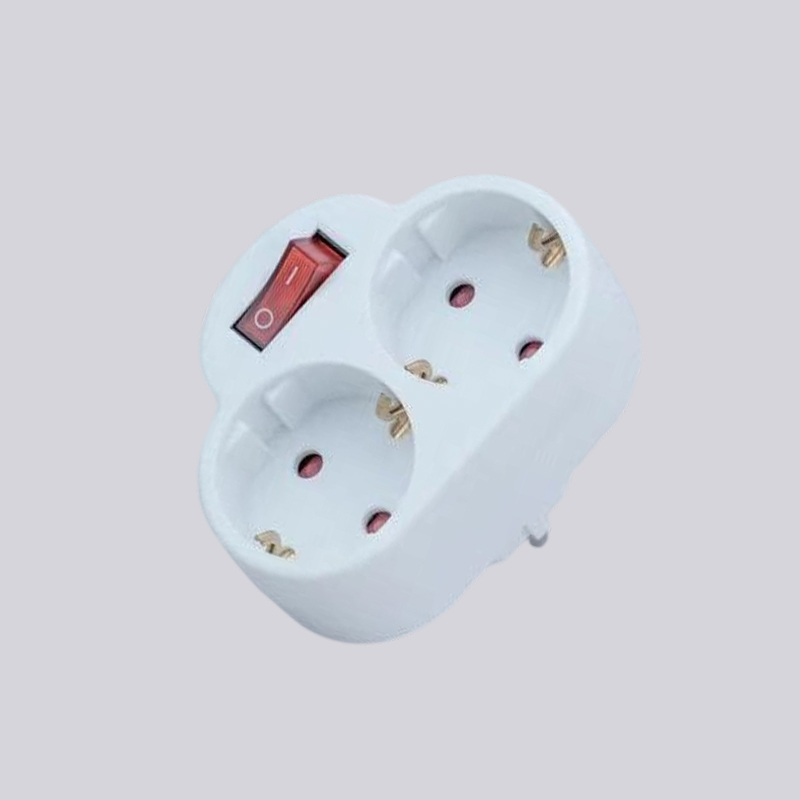
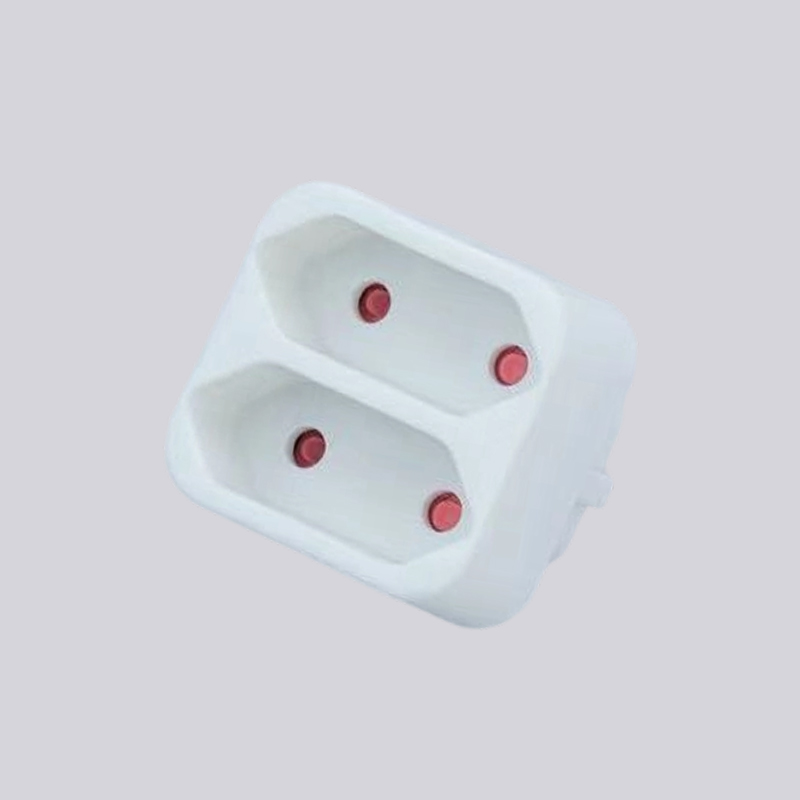
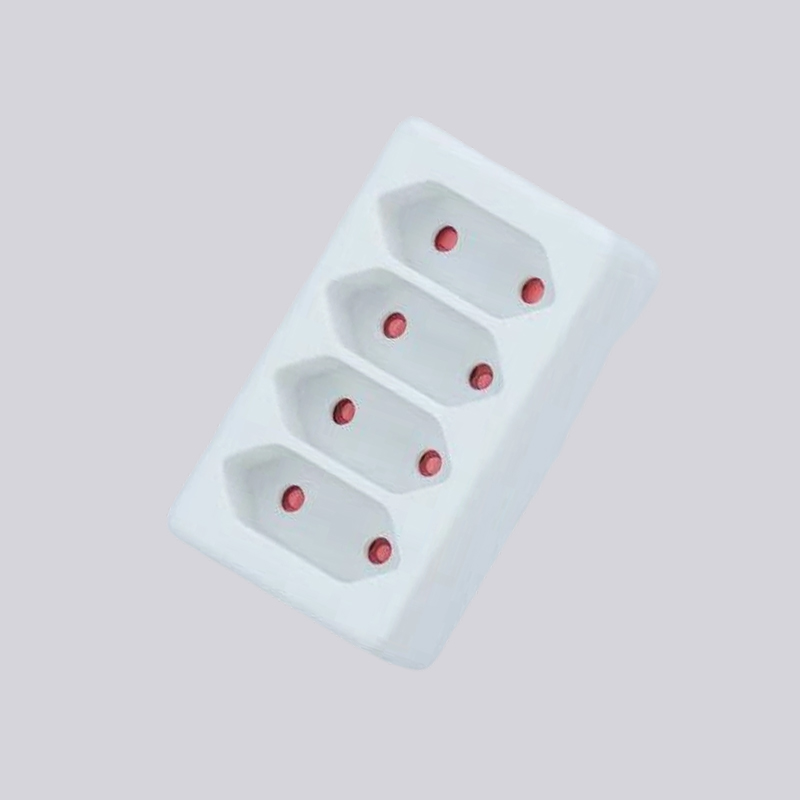
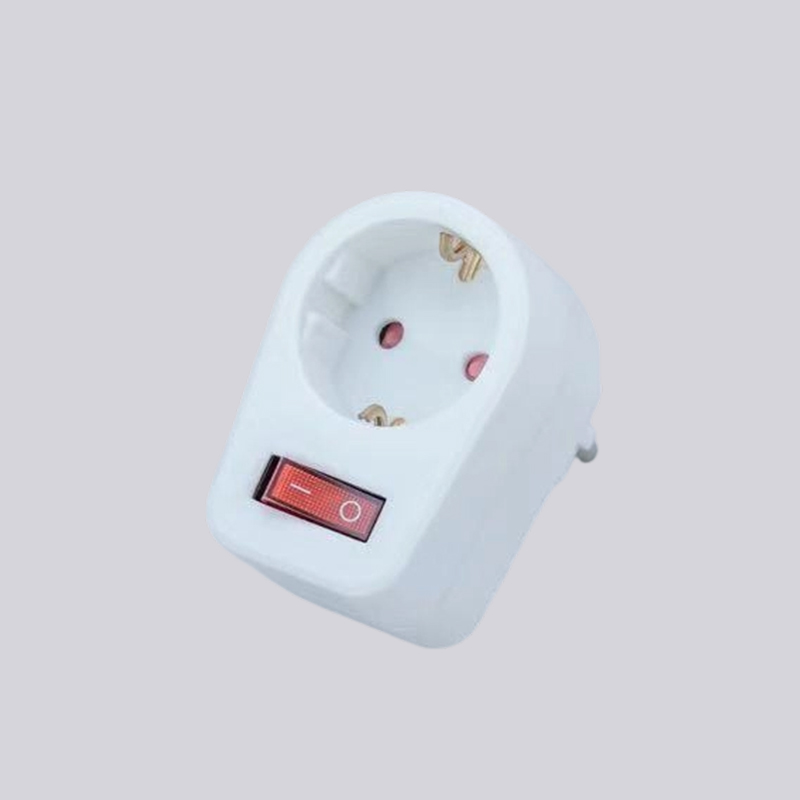


If you are interested in our products, please consult us
- CONTACT DETAILS
- Address : Guanhaiwei East Industrial Zone,Cixi, Ningbo,315314 Zhejiang, P.R.China.
- TEL: helen:+86-15867389889 Young:+86-15958216886 +86-0574-63666678
- Email:[email protected] [email protected]
- Fax:86-0574-63668558
- PRODUCTS
- Power Strip
- Extension Cord
- Cable Reel
- Adapter
- Plug
- QUICK LINK
- Company Profile
- company culture
- Plant equipment
- FAQ
- NEWS CENTER
- Company News
- Industry News
- MOBILE TERMINAL
-