English
  中文简体
中文简体 
Can European Extension Cords Handle High-Power Appliances?
 2026.02.07
 Industry News
When it comes to using high-power appliances, the reliability of your extension cord becomes crucial. European extension cords, commonly used across the continent, are designed with specific standards and safety features. But can they handle the demands of power-hungry devices like space heaters, air conditioners, or large kitchen appliances?
Content
Understanding European Extension Cords
European extension cords are typically built to comply with regional electrical standards, such as the IEC 60320 and BS 1363. They are designed to safely handle power loads within the constraints of European power systems. European outlets typically supply electricity at 220-240 volts, and the extension cords are made to accommodate this voltage and the associated power levels.
These extension cords are often fitted with two or three-prong plugs, depending on the country and the specific type of appliance being connected. The wires used are insulated to prevent short circuits and ensure safe operation, and their capacity is measured in amperes (A) or watts (W). However, it's important to understand the limitations of these cords and how they can be used effectively in high-power applications.
Key Features of European Extension Cords
- Voltage Rating: European extension cords are rated for 220-240V operation, making them compatible with most household and industrial appliances.
- Amperage Capacity: Depending on the gauge of the wire, these cords are typically rated for 10A to 16A, allowing them to handle a wide range of appliances.
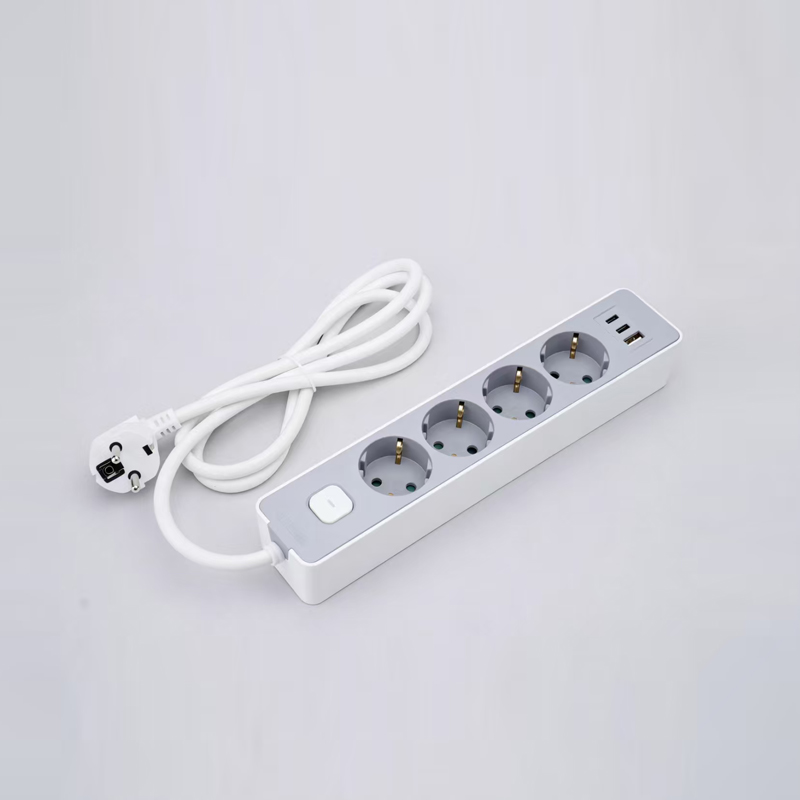
- Safety Features: European cords often include safety mechanisms like overload protection and grounding, which are critical when powering high-demand devices.
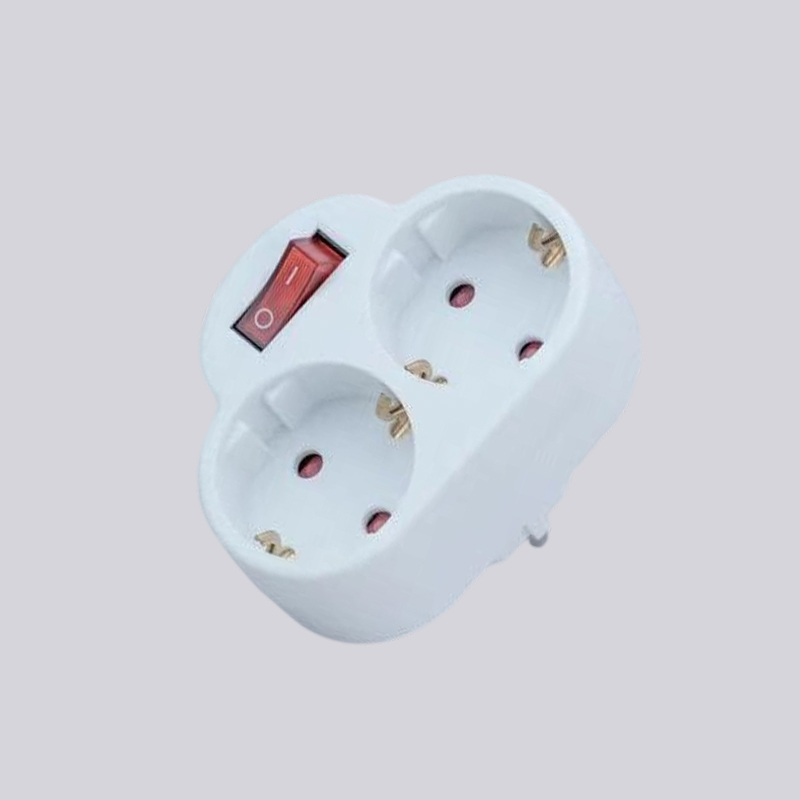
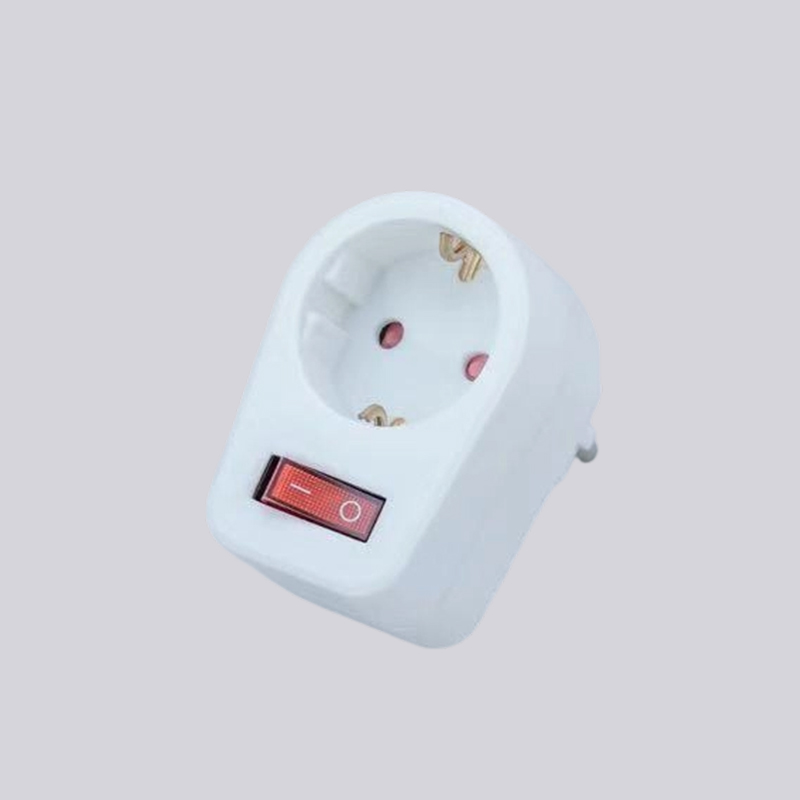
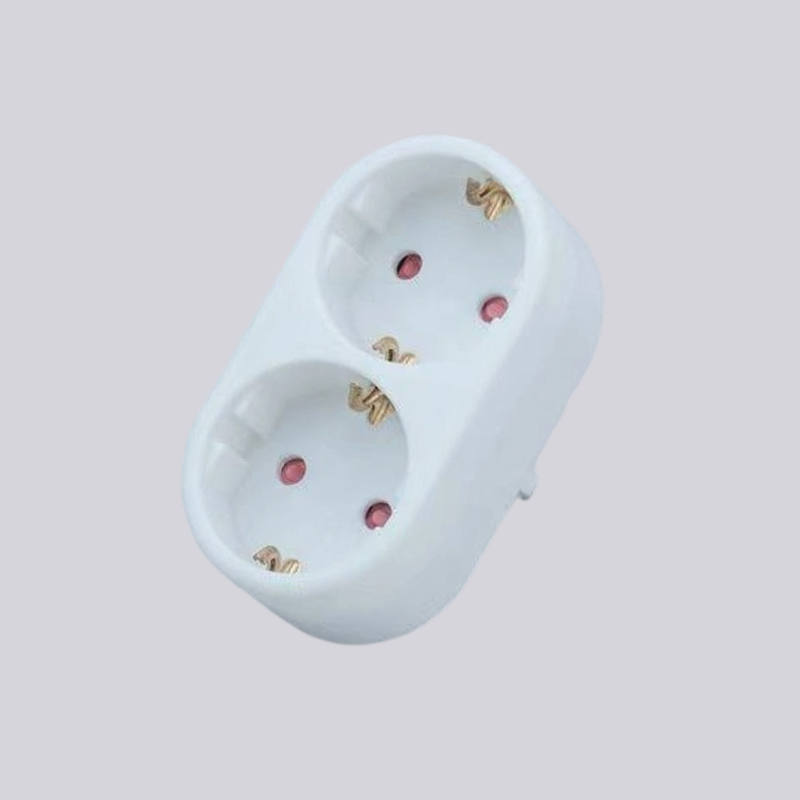
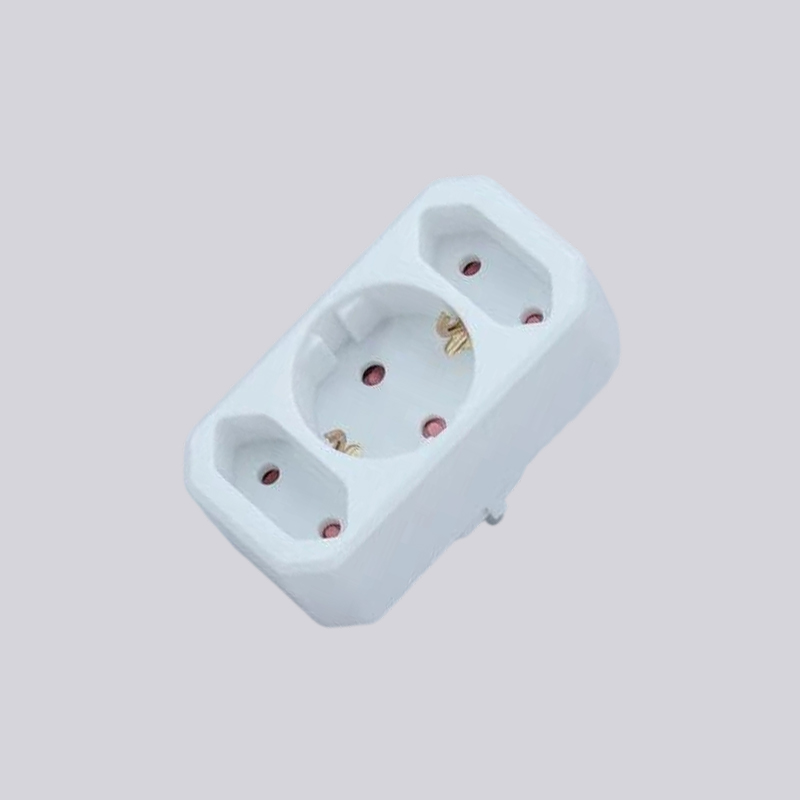
- Plug Type: Common plug types include the Schuko plug (Type F), which has grounding capabilities, providing an extra layer of safety for appliances that require grounding.
Can European Extension Cords Handle High-Power Appliances?
European extension cords are built to handle the typical power requirements of everyday household appliances. However, when it comes to high-power appliances, there are several factors to consider:
- Wattage and Amperage: High-power appliances like air conditioners and space heaters can draw significant current. For example, a 2000W heater at 230V would require about 8.7A, which is within the range of most European extension cords. However, appliances with a higher wattage may require thicker gauge cords or dedicated circuits.
- Continuous Load: If a high-power appliance is left on for extended periods, the cord must be able to withstand the continuous load without overheating. For example, many high-power cords come with thermal protection to prevent overheating when used with power-hungry devices.
- Surge Protection: Some high-power appliances, like refrigerators and air conditioners, can create power surges. European extension cords that include surge protection can prevent damage to both the appliance and the extension cord.
Comparing European Extension Cords with Other Extension Cords
When considering the best extension cord for high-power appliances, it’s important to compare European extension cords with others such as American or UK extension cords. Here's a comparison of their key features:
| Feature | European Extension Cords | American Extension Cords | UK Extension Cords |
|---|---|---|---|
| Voltage | 220-240V | 110-120V | 220-240V |
| Amperage | 10-16A | 10-15A | 13A |
| Plug Type | Schuko (Type F) | Type A, B | Type G |
| Safety Features | Overload protection, Grounding | Overload protection | Fused for added protection |
| Surge Protection | Often included | Not always included | Available in some models |
Common FAQs About European Extension Cords
1. Can European extension cords be used for heavy-duty appliances like power tools?
Yes, European extension cords can handle many high-power tools, but it is important to choose a cord with a sufficient amperage rating to match the tool’s requirements. For heavy-duty use, cords rated at 16A are recommended.
2. Are there any risks to using European extension cords with high-power appliances?
If the extension cord is not rated for the required load or is of insufficient quality, it could overheat or cause electrical fires. Always check the power rating of the appliance and the cord before use. Using cords with built-in surge protection can minimize the risks.
3. Can European extension cords be used outdoors?
Many European extension cords are designed for indoor use only, but outdoor-rated cords are available with additional protection against water and weather. For high-power appliances used outdoors, be sure to select a cord specifically designed for outdoor conditions.
4. How do I choose the right extension cord for my appliance?
To choose the right extension cord, check the appliance's wattage and amperage rating and select a cord that exceeds these requirements. For high-power devices, a cord with a 16A rating and proper grounding is typically ideal.
Conclusion
European extension cords are designed to safely handle a wide range of household appliances, including high-power devices. However, when using them for high-power appliances, ensure the cord is rated for the required load and is equipped with necessary safety features like surge protection and grounding. By following these guidelines, you can ensure that your extension cord will safely and efficiently support high-power appliances, helping you get the most out of your electrical setup.
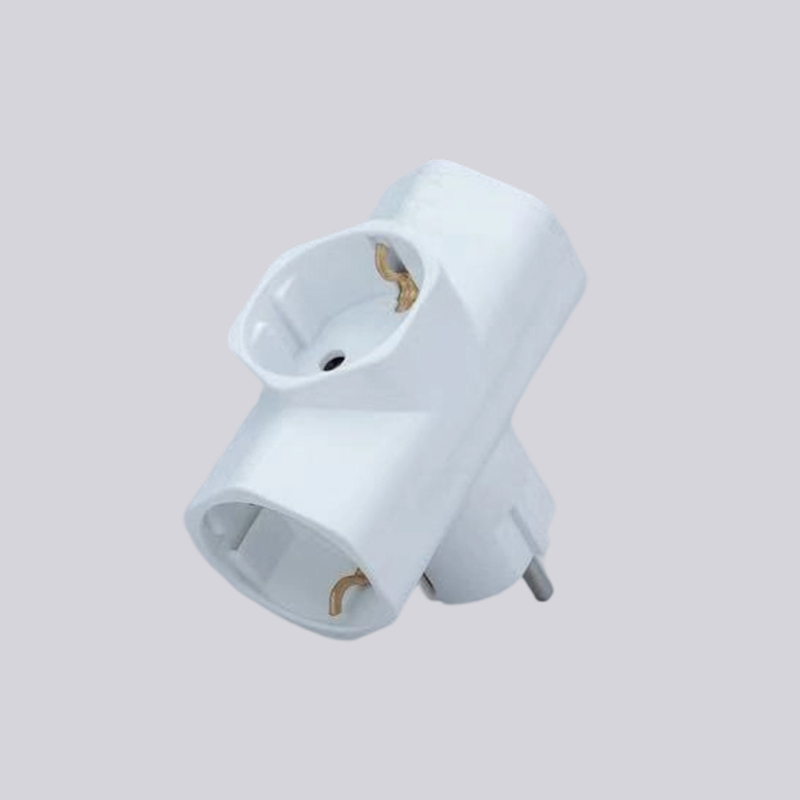
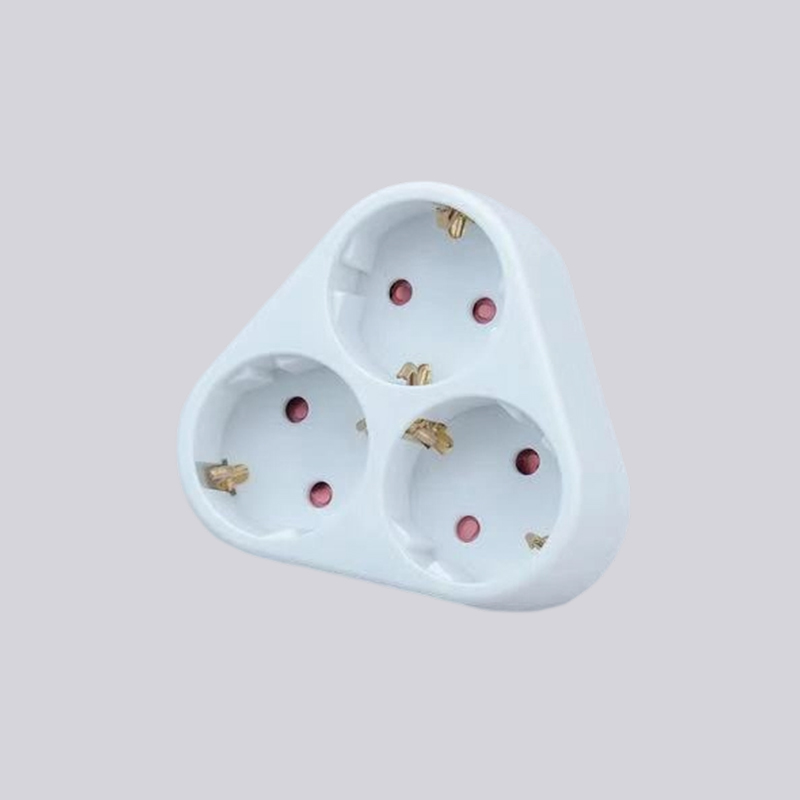
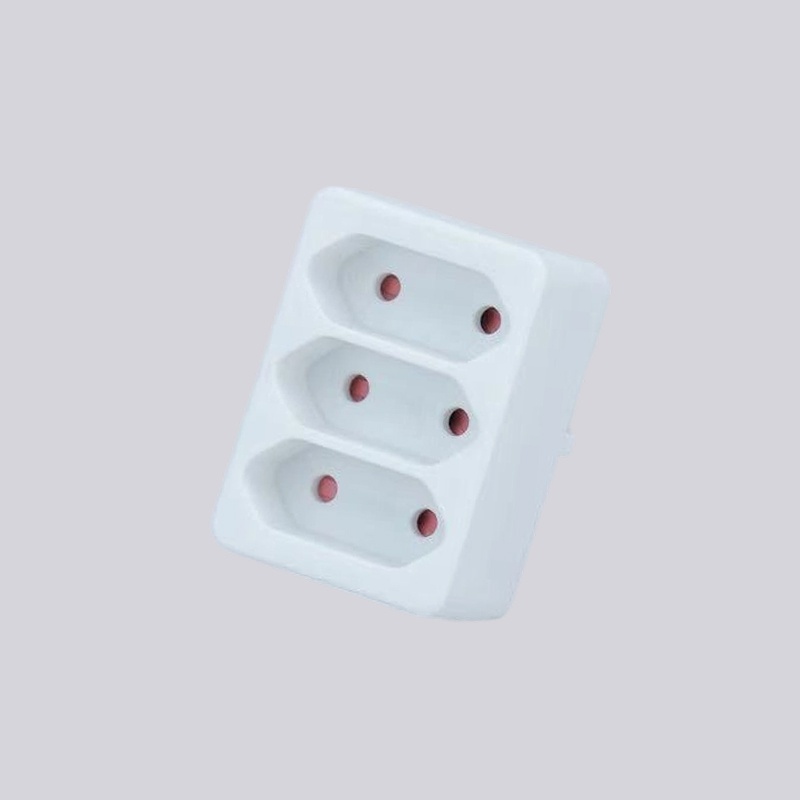
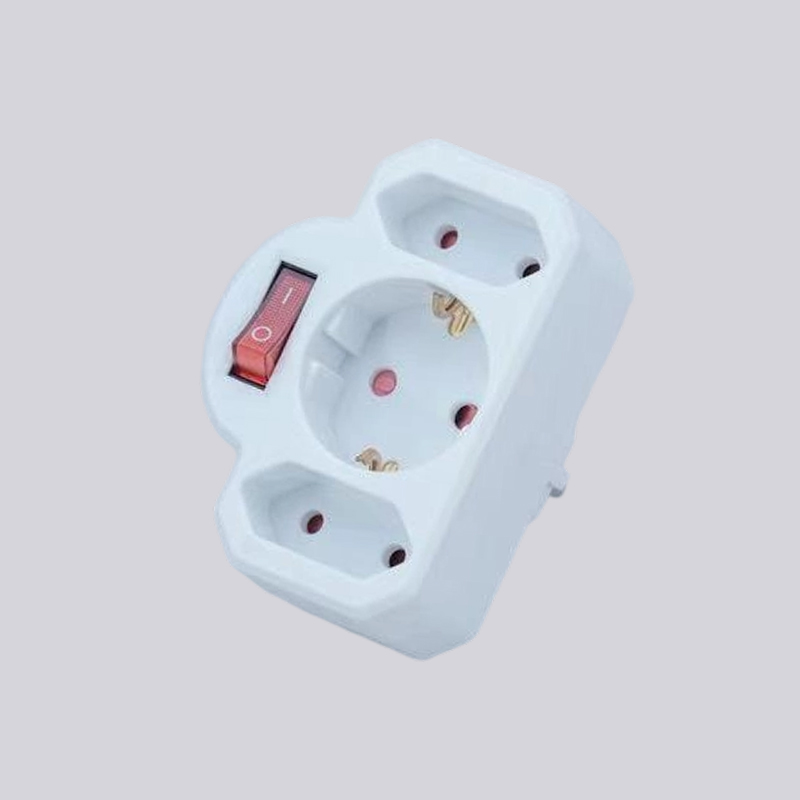


If you are interested in our products, please consult us
- CONTACT DETAILS
- Address : Guanhaiwei East Industrial Zone,Cixi, Ningbo,315314 Zhejiang, P.R.China.
- TEL: helen:+86-15867389889 Young:+86-15958216886 +86-0574-63666678
- Email:[email protected] [email protected]
- Fax:86-0574-63668558
- PRODUCTS
- Power Strip
- Extension Cord
- Cable Reel
- Adapter
- Plug
- QUICK LINK
- Company Profile
- company culture
- Plant equipment
- FAQ
- NEWS CENTER
- Company News
- Industry News
- MOBILE TERMINAL
-