English
  中文简体
中文简体 
How to Choose the Right European Extension Cord for Your Needs?
 2026.02.13
 Industry News
Choosing the right European Extension Cord is essential to ensure safety and performance when extending your electrical connections in European countries. These cords are versatile and widely used for home, office, and industrial purposes, but selecting the right one requires understanding various factors such as voltage, current, safety standards, and cord length.
Content
Key Considerations for Choosing a European Extension Cord
When purchasing an extension cord, there are several important aspects to consider. Below are the most critical factors to help you make an informed decision:
- Voltage and Current Rating: Ensure that the extension cord supports the voltage (usually 230V in most European countries) and the current rating required for your devices. An under-rated extension cord may lead to overheating and potential fire hazards.
- Length: Choose an extension cord that is long enough to reach your devices comfortably. Avoid purchasing unnecessarily long cords as they can cause energy losses and be more difficult to store.
- Safety Features: Look for cords with safety features such as overload protection, grounding, and flame retardant materials.
- Type of Plug and Socket: Ensure that the plug type is compatible with your device and the socket type of the European region where you plan to use the extension cord.
Types of European Extension Cords
European extension cords are available in various configurations and materials to suit different needs. Here are the most common types:
- Standard Extension Cords: These cords are typically used for general household appliances and are available in various lengths, from short 1-meter cords to longer 5-meter cords or more.
- Heavy-Duty Extension Cords: Designed for high-power equipment such as power tools, heaters, and other industrial equipment, these cords are thicker, more durable, and have higher current ratings.
- Outdoor Extension Cords: These cords are designed to withstand exposure to the elements. They are typically made with more durable insulation to prevent damage from water, sun, or extreme temperatures.
- Reel Extension Cords: These extension cords come with a reel for easy storage and are great for use in larger spaces or for long-distance connections. They can be either indoor or outdoor rated.
How to Compare European Extension Cords
When evaluating extension cords, it is important to compare their features. Below is a comparison of some of the most common options available in the market:
| Feature | Standard Extension Cord | Heavy-Duty Extension Cord | Outdoor Extension Cord |
|---|---|---|---|
| Voltage Rating | 230V | 230V | 230V |
| Current Rating | Up to 10A | Up to 16A | Up to 10A |
| Material | PVC | Rubber, PVC | Rubber, weatherproof coating |
| Ideal Use | Small appliances | High-power equipment | Outdoor and industrial use |
| Length | 1m to 5m | 1m to 10m | 2m to 15m |
Frequently Asked Questions (FAQ)
1. What is the maximum current rating for a European extension cord?
The current rating for European extension cords typically ranges from 10A for standard cords to 16A for heavy-duty cords. It is important to choose a cord with a current rating that matches your device’s power consumption.
2. Can I use an extension cord outdoors?
Yes, but ensure that the extension cord is rated for outdoor use. Outdoor extension cords are specifically designed to handle exposure to weather conditions and are usually made with more durable insulation.
3. How can I ensure safety when using an extension cord?
To ensure safety, always use an extension cord that matches the power requirements of your devices. Never overload the cord, and check for signs of wear or damage before use. It is also advisable to use cords with built-in overload protection.
4. Can I extend an existing extension cord with another one?
It is not recommended to connect extension cords in series, as this may increase the risk of electrical hazards and cause voltage drop. Always use a cord that is long enough to reach your destination directly.
Conclusion
Choosing the right European extension cord is crucial for both safety and performance. Consider the length, current rating, safety features, and the type of use to ensure you select a cord that meets your needs. Whether for home, office, or outdoor use, a well-chosen extension cord will provide you with reliable and safe power distribution.
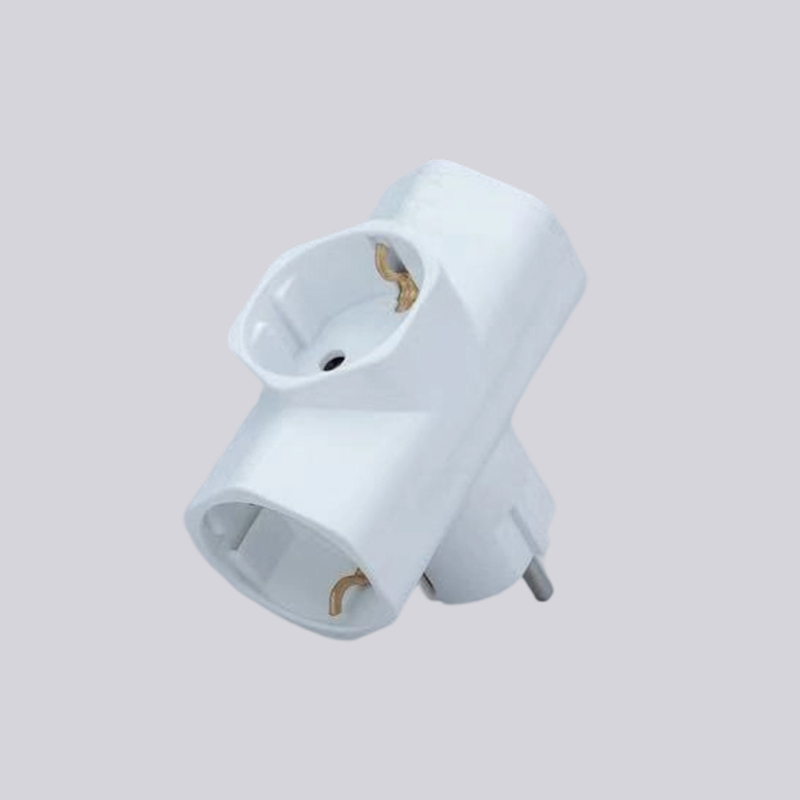
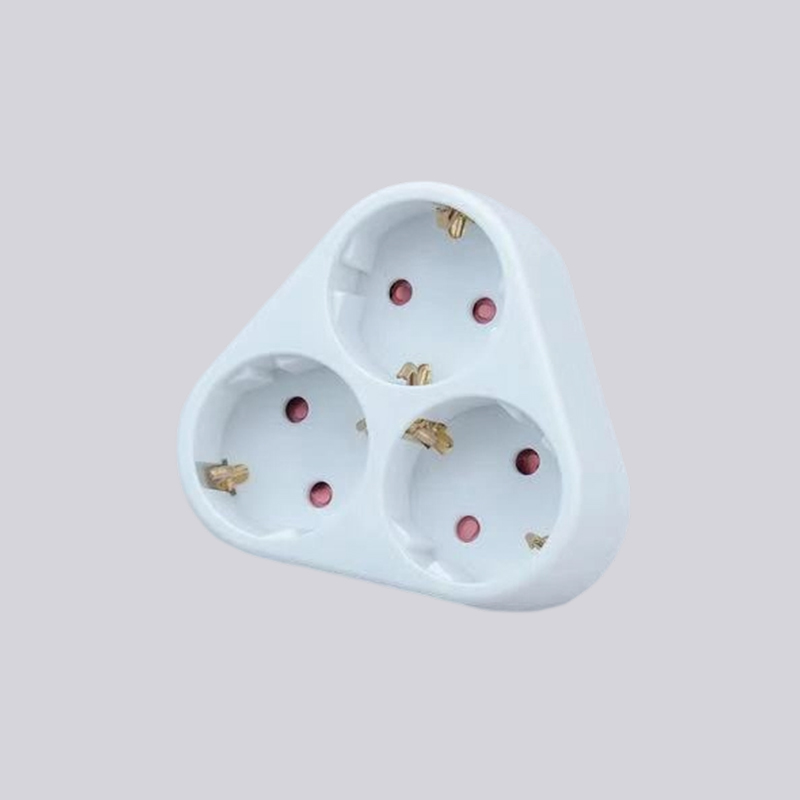
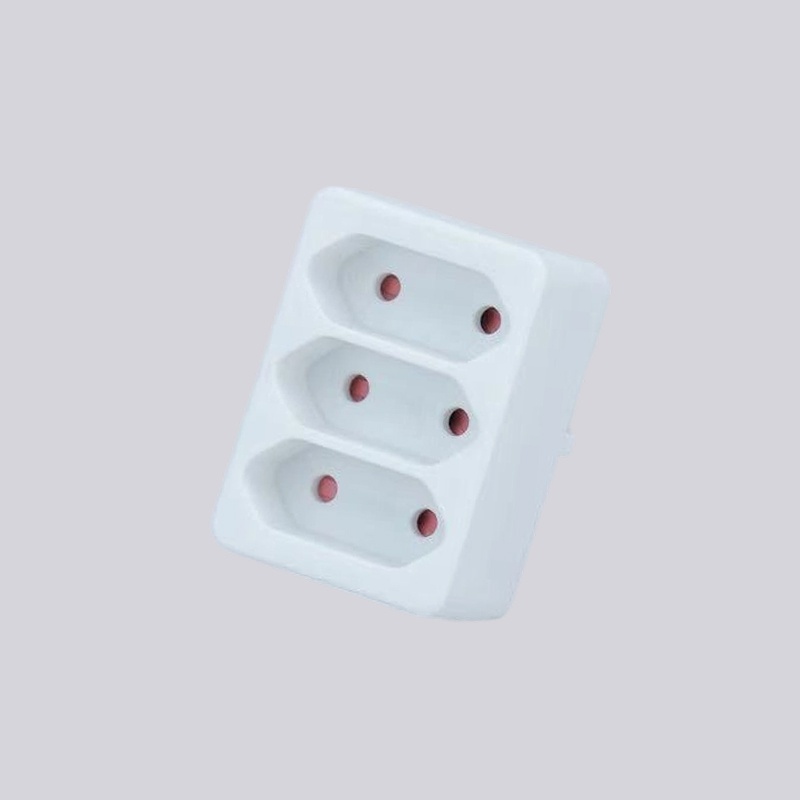
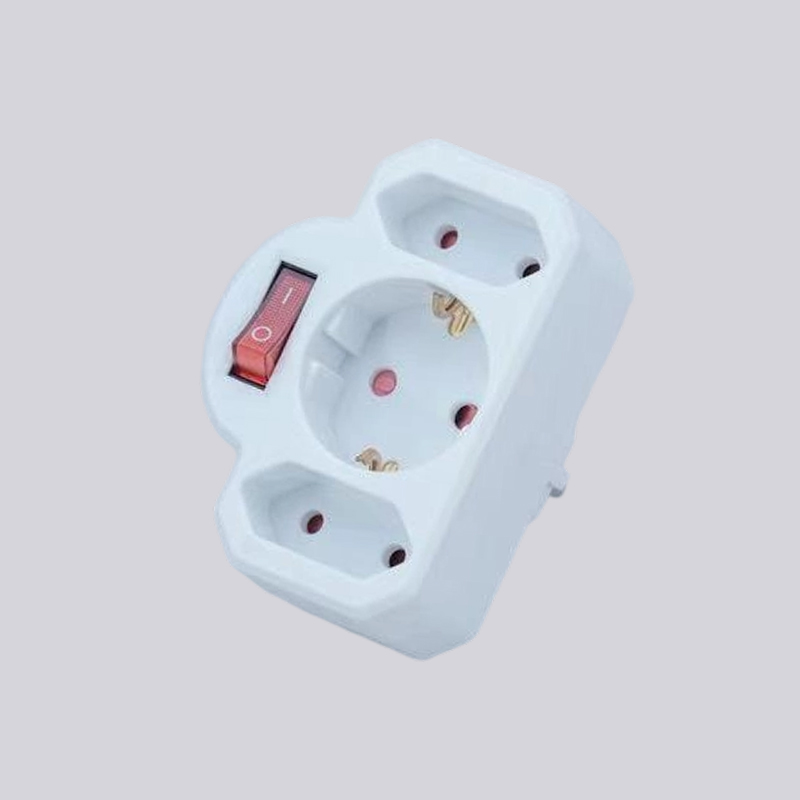
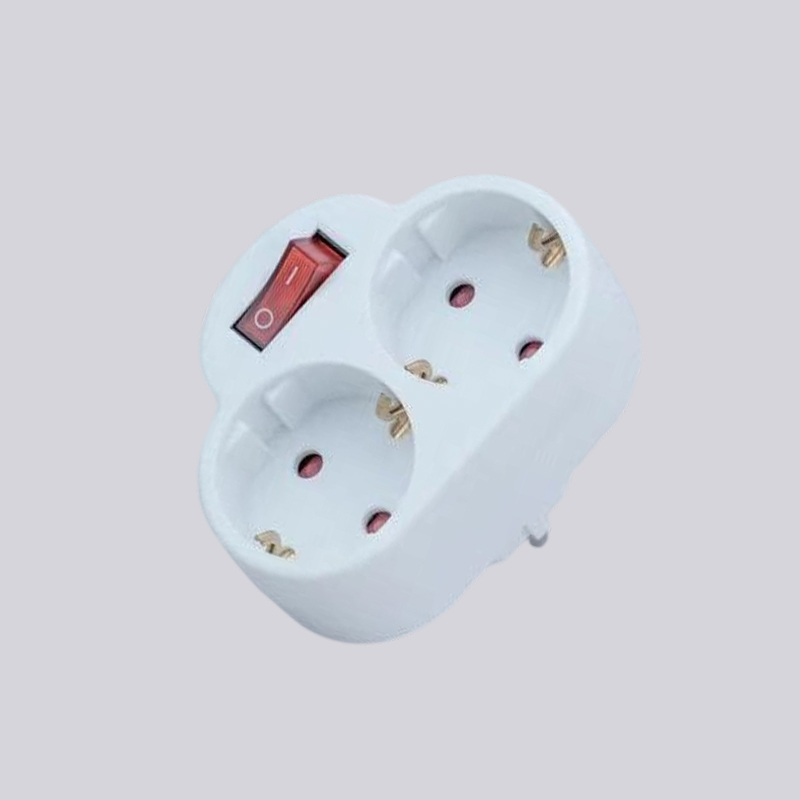
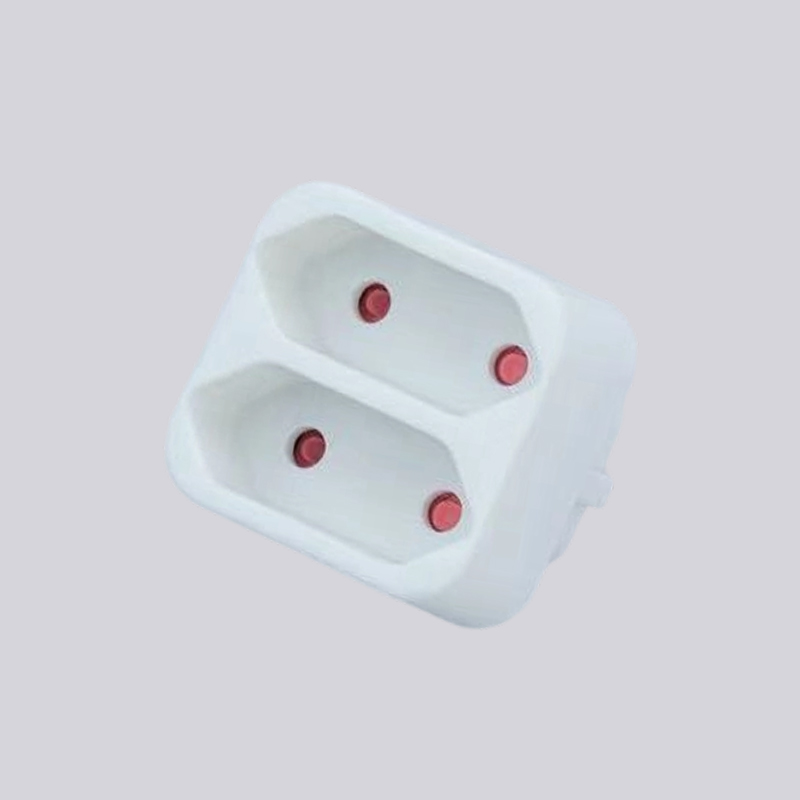
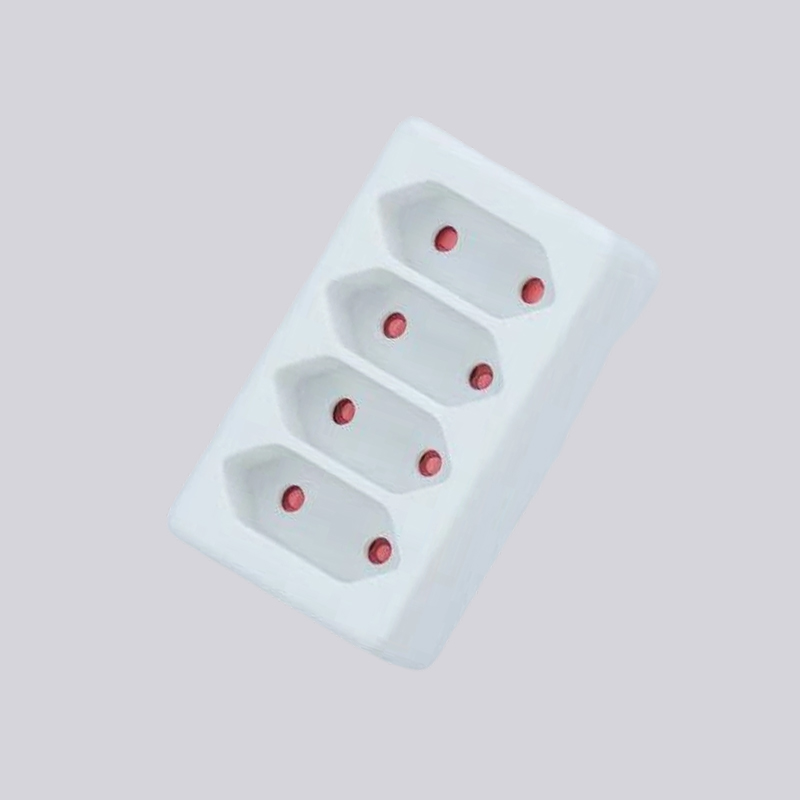
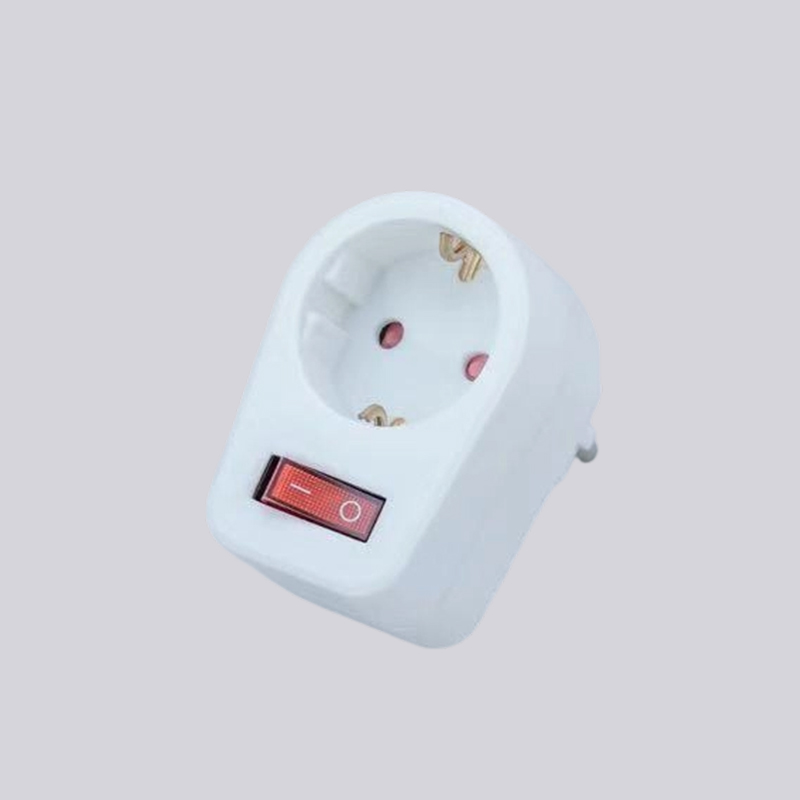


If you are interested in our products, please consult us
- CONTACT DETAILS
- Address : Guanhaiwei East Industrial Zone,Cixi, Ningbo,315314 Zhejiang, P.R.China.
- TEL: helen:+86-15867389889 Young:+86-15958216886 +86-0574-63666678
- Email:[email protected] [email protected]
- Fax:86-0574-63668558
- PRODUCTS
- Power Strip
- Extension Cord
- Cable Reel
- Adapter
- Plug
- QUICK LINK
- Company Profile
- company culture
- Plant equipment
- FAQ
- NEWS CENTER
- Company News
- Industry News
- MOBILE TERMINAL
-