English
  中文简体
中文简体 
Why Are European Extension Cords Preferred in Certain Countries?
 2026.02.19
 Industry News
European extension cords are a widely preferred choice for powering electrical devices in several countries, particularly in Europe. These extension cords are designed with safety, reliability, and convenience in mind, making them a popular option for both residential and commercial use. The differences between European extension cords and other types of extension cords often lie in their design, compatibility with local power outlets, and adherence to stringent safety standards.
Content
The Design and Features of European Extension Cords
European extension cords typically feature several distinct design elements that set them apart from extension cords commonly used in other parts of the world. They are engineered to comply with European Union (EU) safety regulations, which include specific standards for voltage, current, and overall build quality. These cords usually have a higher level of insulation and reinforced outer casings, which ensures durability and safety under heavy use.
Voltage and Power Compatibility
The European Union's electrical systems generally operate on 220–240 volts, which differs from the lower 110–120 volts used in North America. European extension cords are designed to handle this higher voltage, ensuring compatibility with the power supply in the region. As a result, users in countries such as Germany, France, and the UK prefer European extension cords for their ability to safely handle higher power loads.
Safety Standards and Regulations
One of the key reasons European extension cords are preferred in certain countries is their compliance with strict safety standards. The EU has rigorous regulations for electrical products, including extension cords, which focus on preventing hazards such as electric shocks and fires. European extension cords often come with features like thermal cutoffs, surge protection, and high-quality plugs, which meet these safety requirements.
Comparison with Other Extension Cords
When compared to extension cords used in other parts of the world, such as the United States or Asia, European extension cords tend to offer superior safety features and construction quality. Let’s take a closer look at the main differences:
| Feature | European Extension Cords | US Extension Cords | Asian Extension Cords |
|---|---|---|---|
| Voltage | 220–240V | 110–120V | 220–240V (variable) |
| Plug Type | Round or Schuko plugs (Type C, E, F) | Flat prong plugs (Type A, B) | Round or flat prongs (varies) |
| Safety Features | Thermal cutoffs, surge protection, robust insulation | Basic insulation, limited surge protection | Basic insulation, may include fuses |
| Durability | High durability, heavy-duty materials | Moderate durability | Varies by manufacturer, often lightweight |
Why European Extension Cords Are Preferred
Several factors contribute to the preference for European extension cords in countries that adhere to EU electrical standards. Firstly, the design and features of European extension cords are tailored to meet the specific needs of higher voltage systems, ensuring they can safely power appliances and devices that require more energy. Secondly, the safety regulations enforced by the EU ensure that these extension cords offer excellent protection against common electrical hazards.
Adaptability and Versatility
European extension cords are designed to be adaptable for use in a variety of different environments. Whether it's for home use, offices, or industrial settings, these cords are built to handle a wide range of power needs. Their robust insulation and safety mechanisms make them a preferred choice for high-demand situations, such as workshops, construction sites, and areas where machinery or heavy appliances are in operation.
Frequently Asked Questions (FAQ)
What makes European extension cords safer than others?
European extension cords meet strict EU safety standards, which include features such as thermal protection, high-quality insulation, and surge protection. These elements help reduce the risk of electric shock or fire, which are less commonly found in extension cords from other regions.
Can I use a European extension cord in the US?
While it is technically possible to use a European extension cord in the US, the voltage difference (220–240V vs. 110–120V) may cause compatibility issues. It is important to check the voltage rating of your devices and ensure the cord is compatible before use.
Are European extension cords suitable for outdoor use?
Many European extension cords are rated for outdoor use, especially those with reinforced insulation and weather-resistant features. However, it is always important to check the specific product's rating to ensure it is suitable for outdoor environments.
Conclusion
European extension cords stand out due to their safety features, durability, and compatibility with higher voltage systems. These attributes make them a preferred choice in countries that adhere to EU electrical standards. When compared to other types of extension cords, European cords generally offer superior protection and performance, ensuring the safety of both users and electrical devices. With their long-lasting construction and high safety ratings, European extension cords are a reliable choice for anyone seeking to safely power electrical appliances.
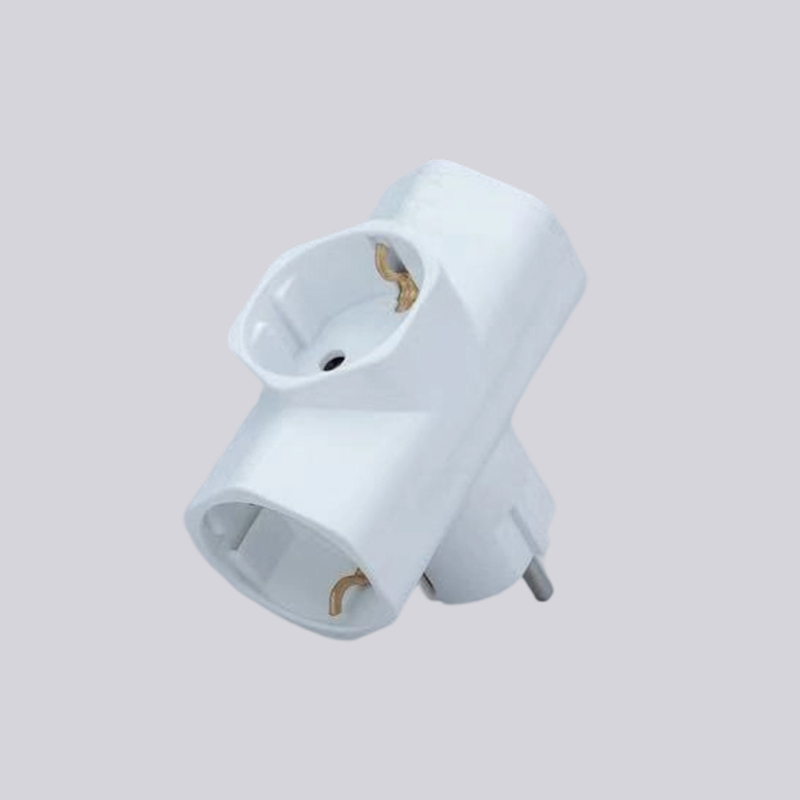
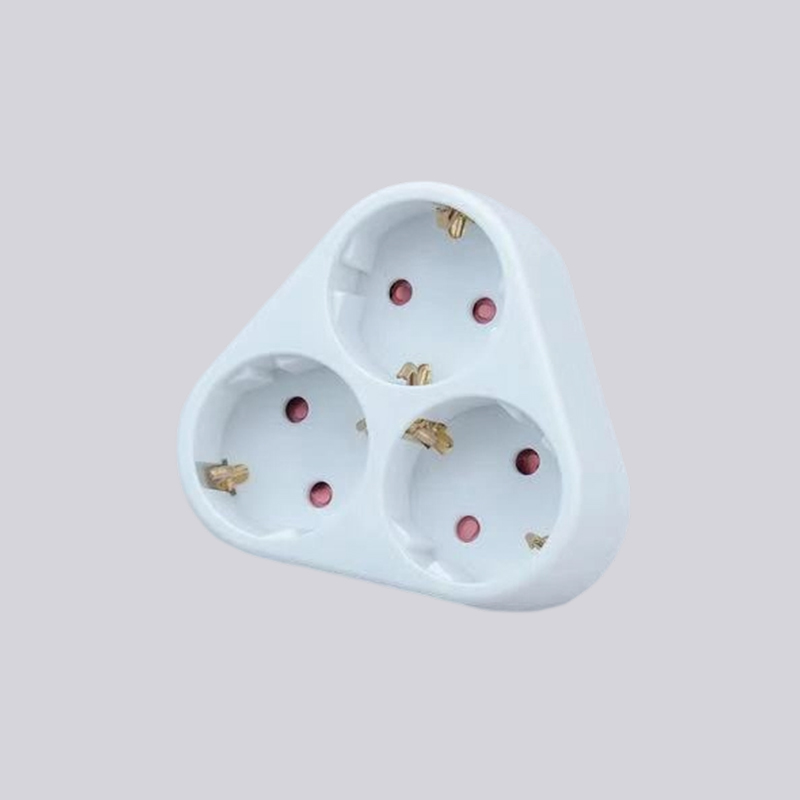
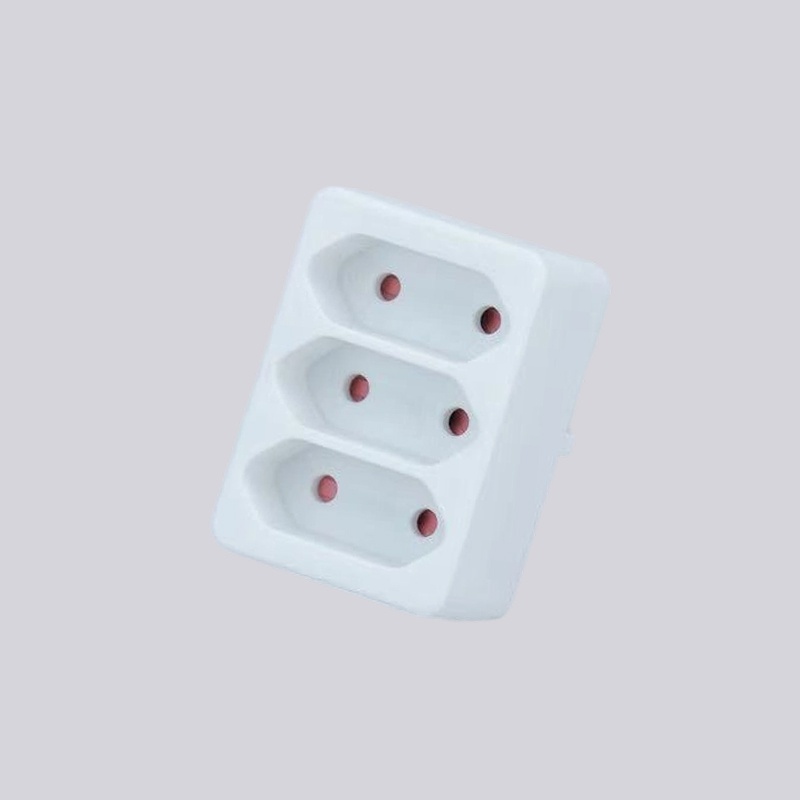
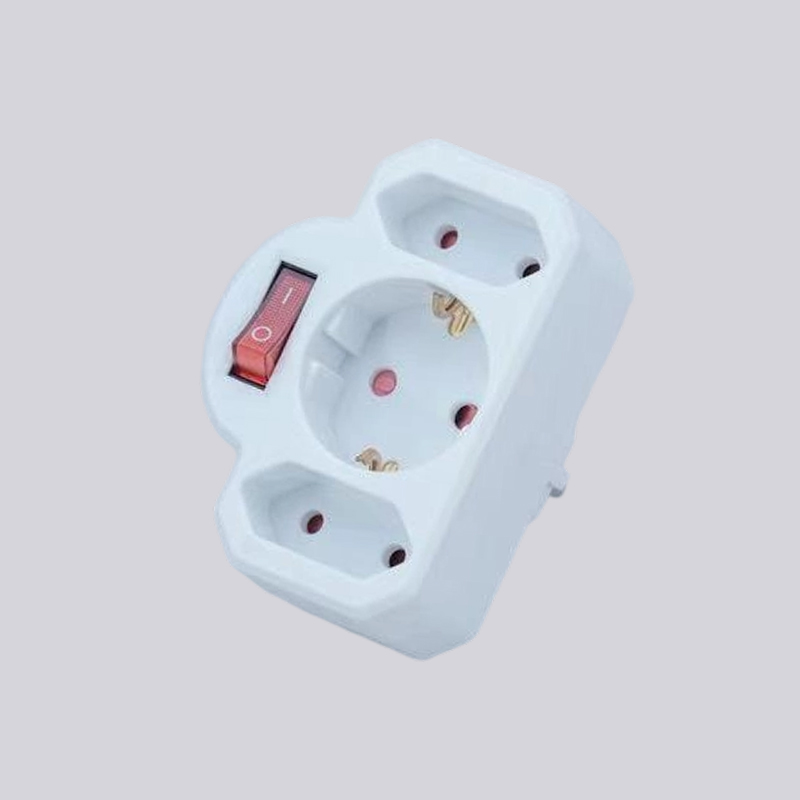
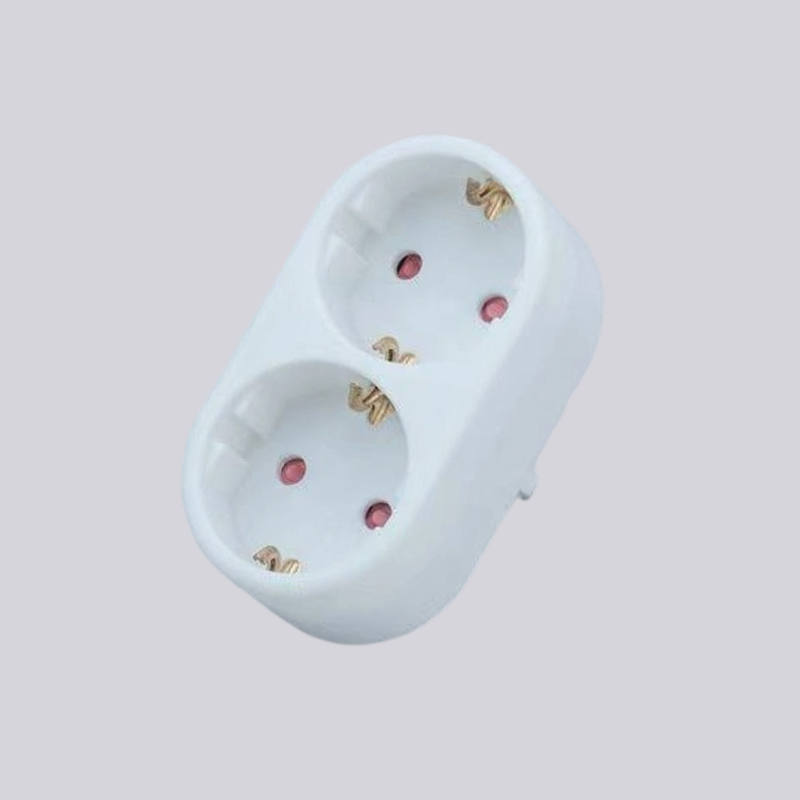
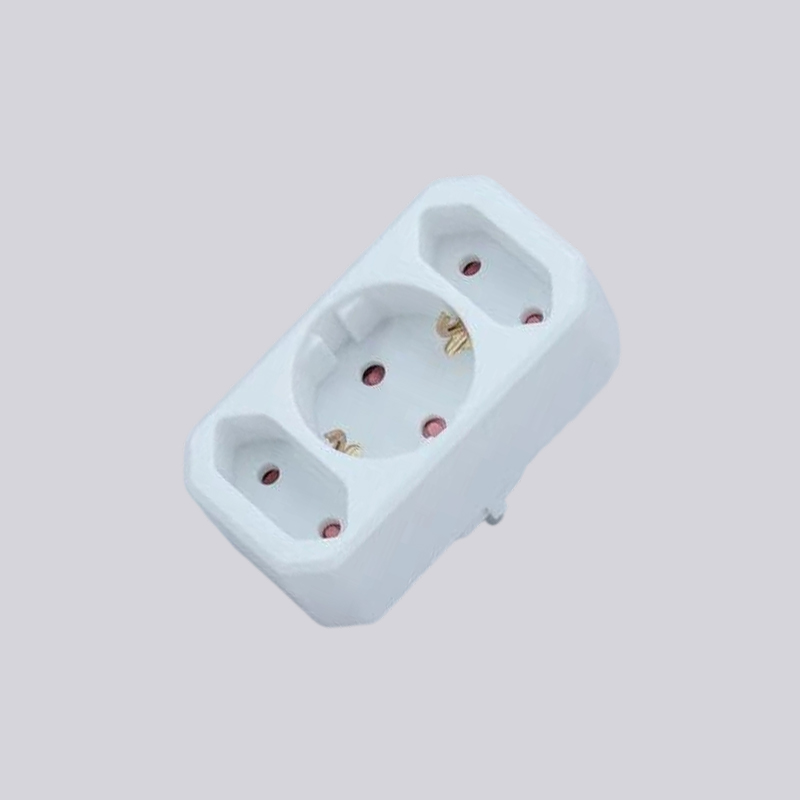

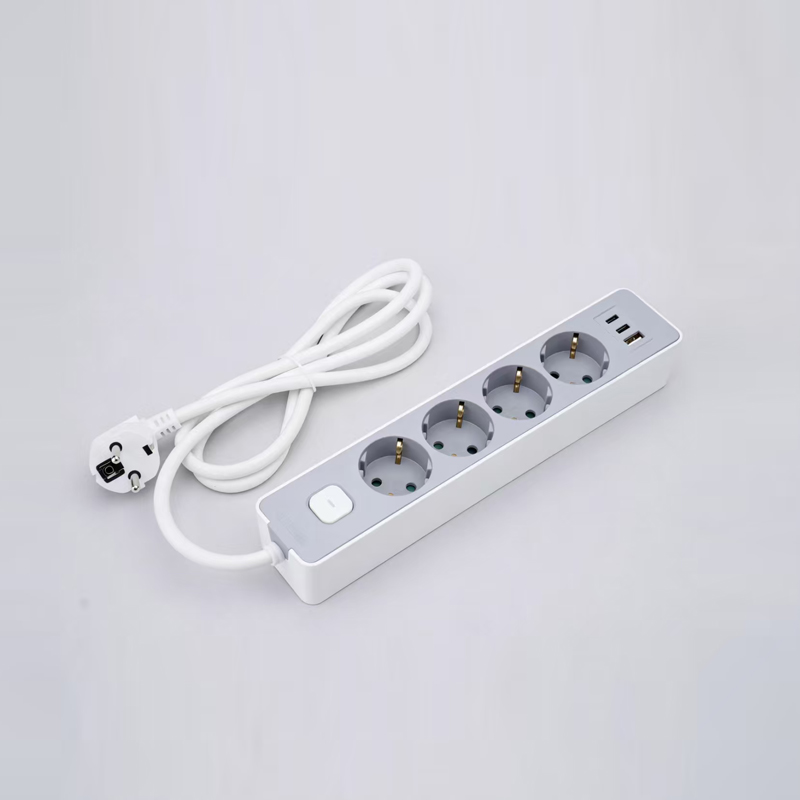

If you are interested in our products, please consult us
- CONTACT DETAILS
- Address : Guanhaiwei East Industrial Zone,Cixi, Ningbo,315314 Zhejiang, P.R.China.
- TEL: helen:+86-15867389889 Young:+86-15958216886 +86-0574-63666678
- Email:[email protected] [email protected]
- Fax:86-0574-63668558
- PRODUCTS
- Power Strip
- Extension Cord
- Cable Reel
- Adapter
- Plug
- QUICK LINK
- Company Profile
- company culture
- Plant equipment
- FAQ
- NEWS CENTER
- Company News
- Industry News
- MOBILE TERMINAL
-