English
  中文简体
中文简体 
A Comprehensive Analysis of European Power Strips: Design, Compatibility, and Electrical Characteristics
 2025.09.11
 Industry News
1.What is the European Extension Cord?
In everyday life, we often encounter the awkward situation of insufficient electrical cord length. In such cases, an extension cord can be a lifesaver. Especially when the scene shifts to Europe, or we need to use appliances brought from Europe, a "European Extension Cord" becomes crucial. So, what exactly is it?
Core Definition
As the name suggests, a European Extension Cord is a type of power extension cord commonly used throughout continental Europe (and many other countries and regions that adopt the same standards). Its key feature is that its plug and socket conform to specific European electrical standards.
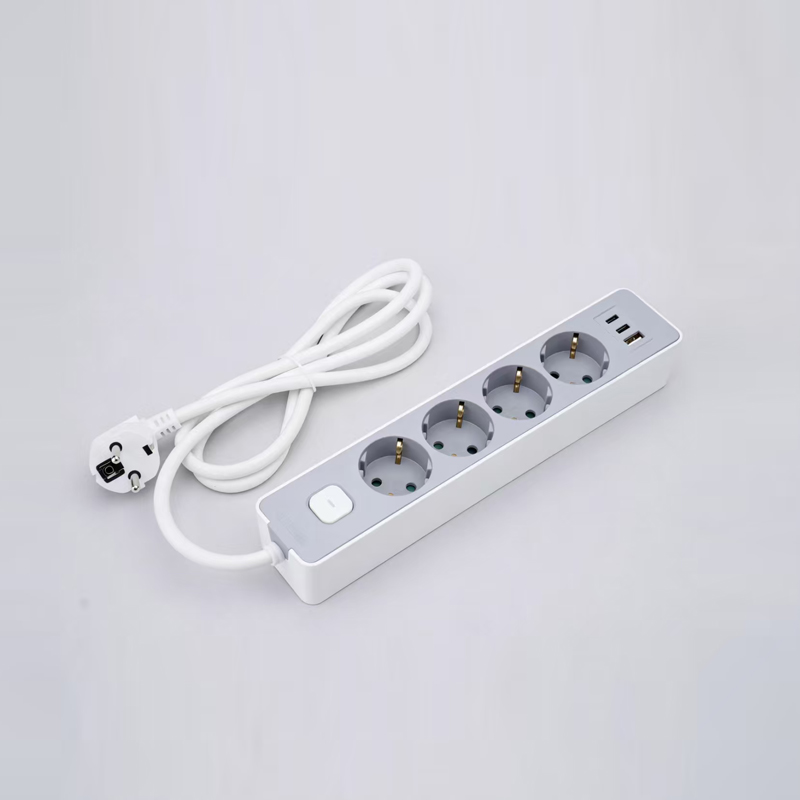
Simply put, it's a cable with a European standard plug on one end and one or more European standard sockets on the other, used to extend the number and distance of electrical outlets.
Key Features and Appearance Identification
To identify a European extension cord, you can observe the following key features:
Plug Type:
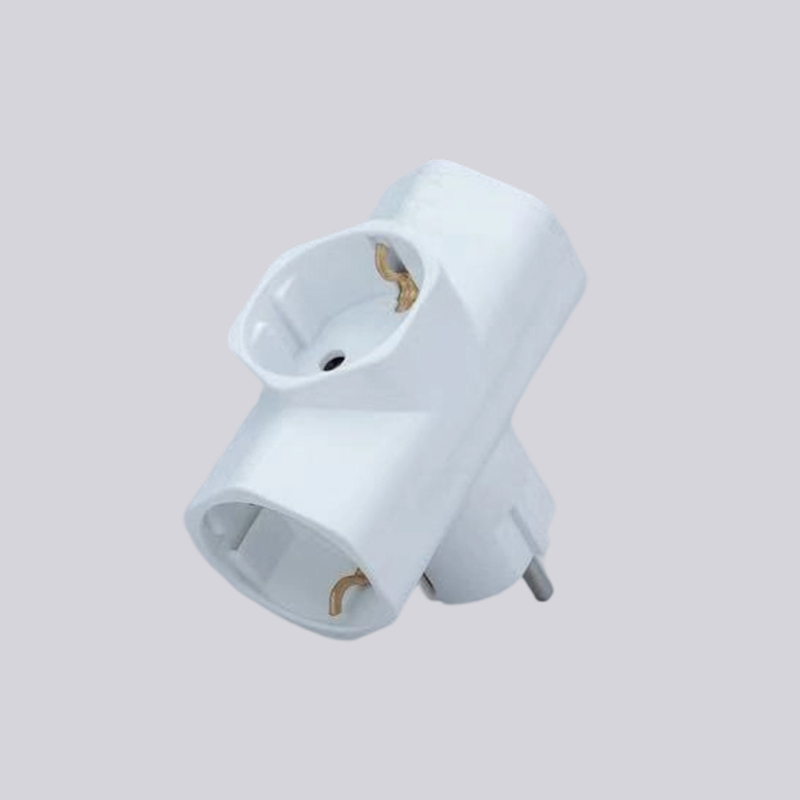
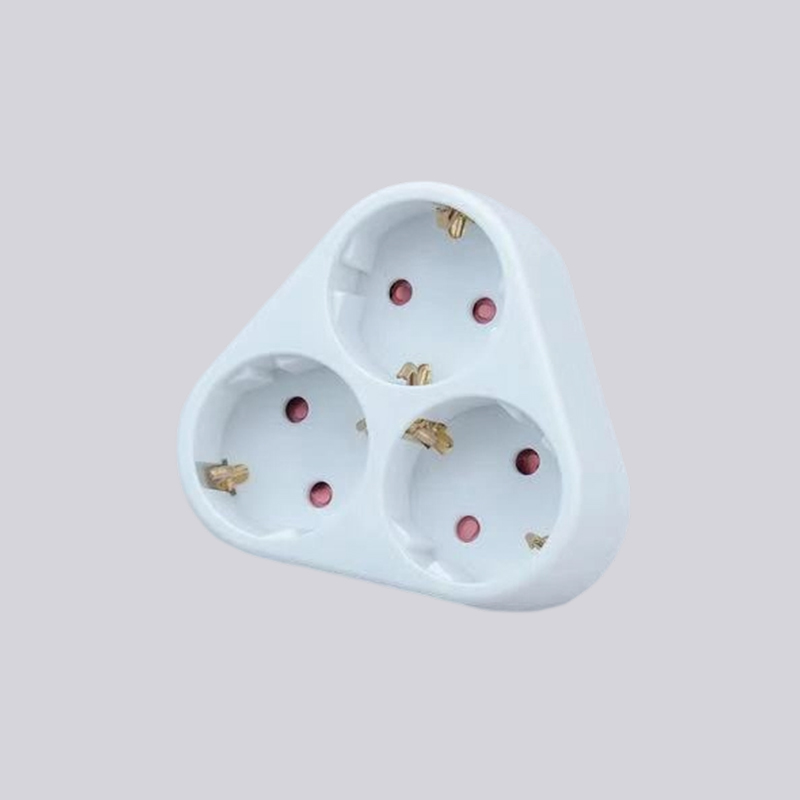
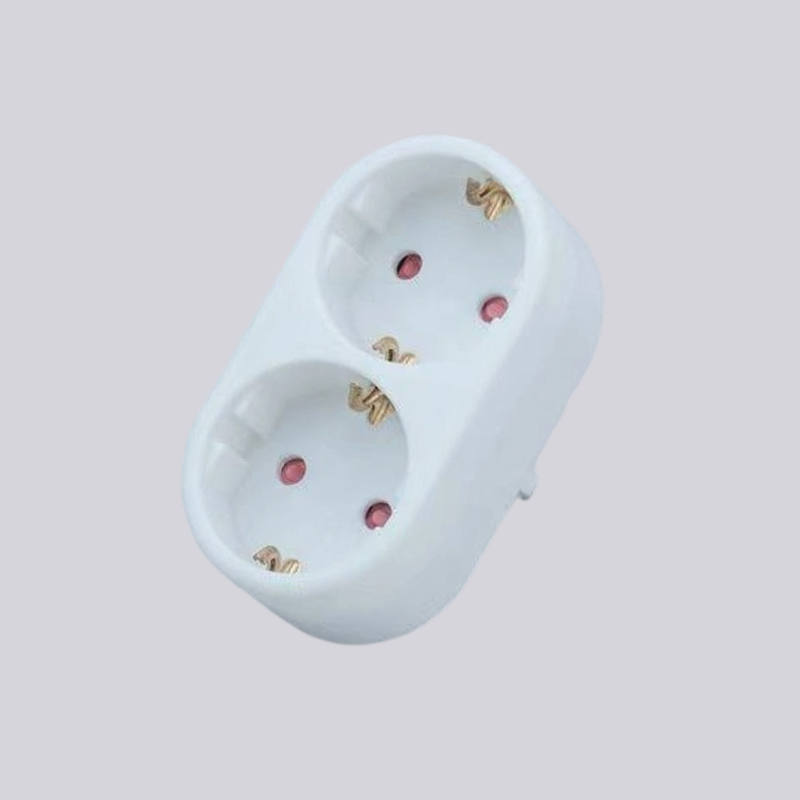
The most common European plugs are Type C and Type F (also known as "Schuko").
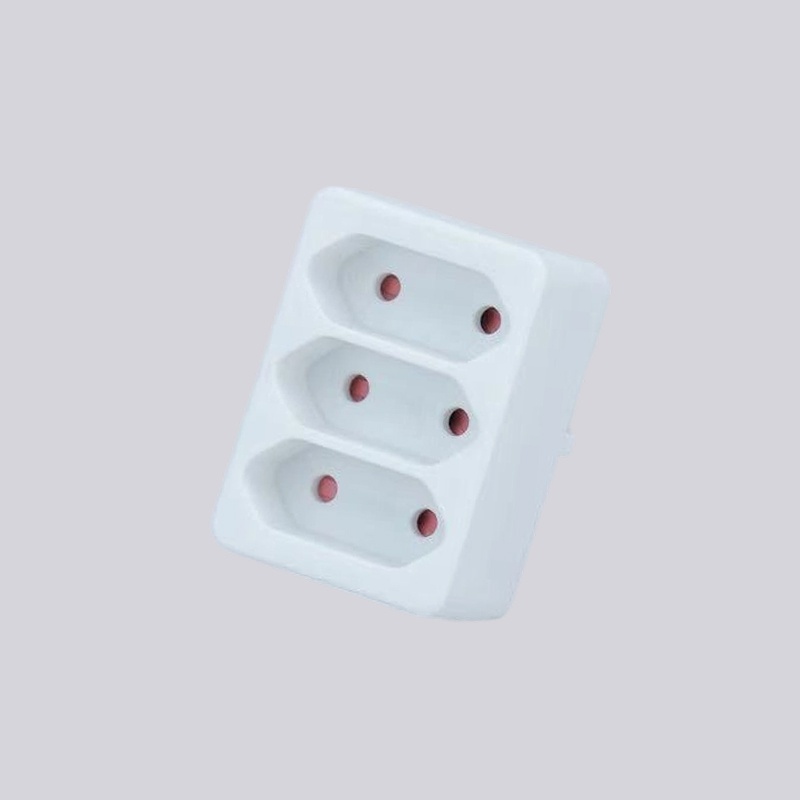
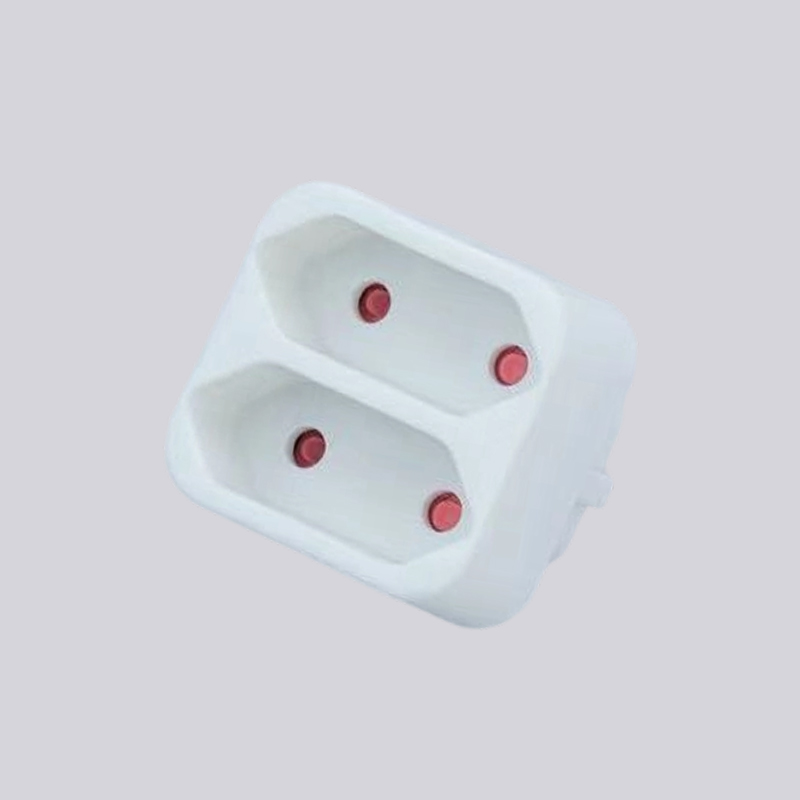
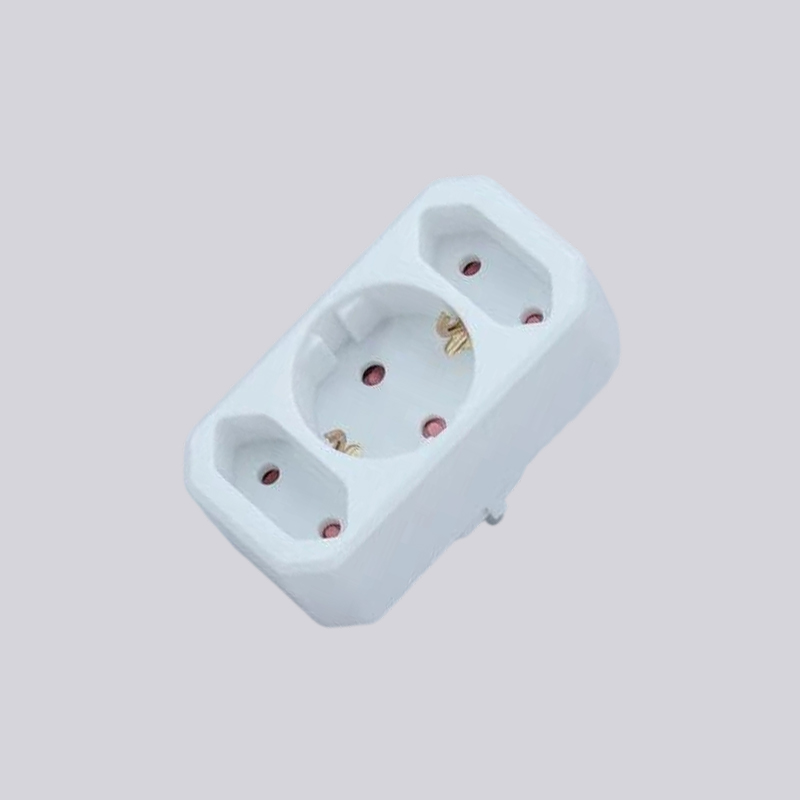
Type C (Europlug): Two round pins, no grounding prong. Typically used for low-power, double-insulated appliances (such as mobile phone chargers and desk lamps).
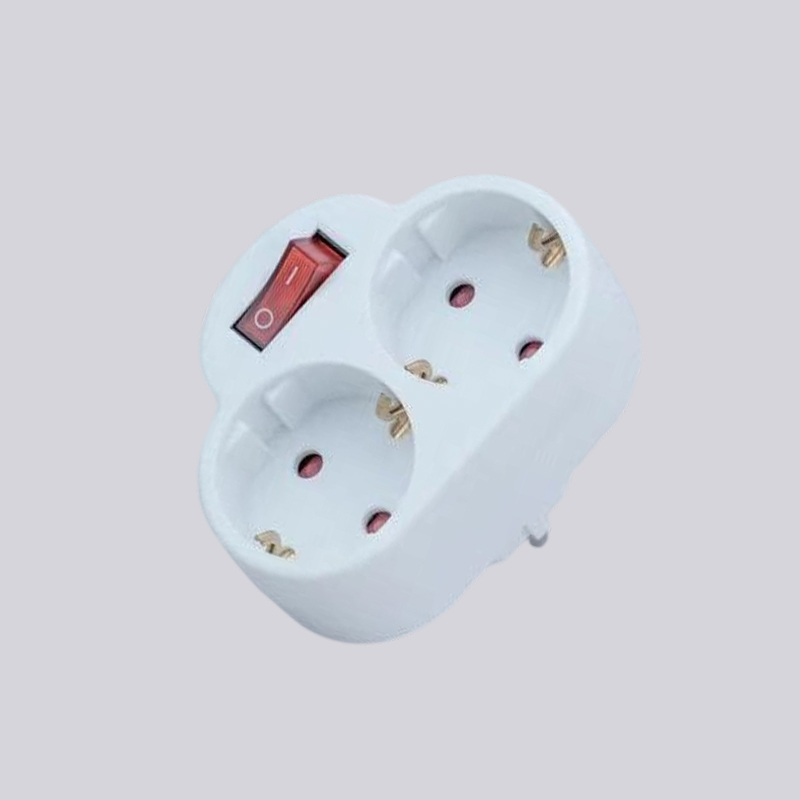
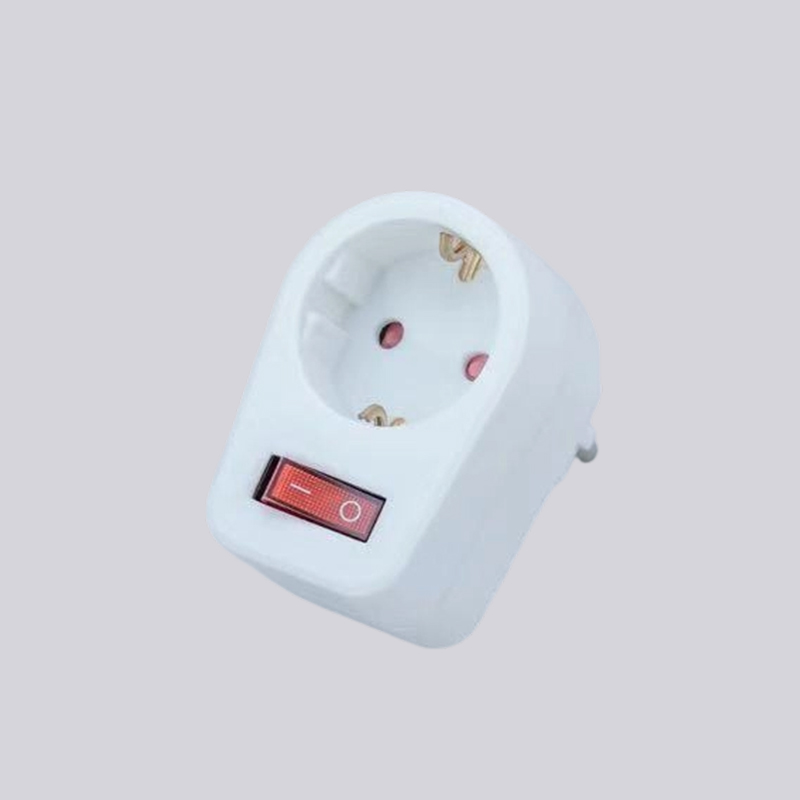
Type F (Schuko): Two round pins with a metal grounding clip at the top and bottom. This is the predominant standard in most European countries, including Germany, France, and the Netherlands, and is used for higher-power appliances that require grounding.
Socket:
The socket on the other end of the extension cord must also be a matching European standard socket (usually Type F), with two round pins and a grounding contact on the side.
Number of Cables and Connectors:
Cable lengths range from one meter to several dozen meters.
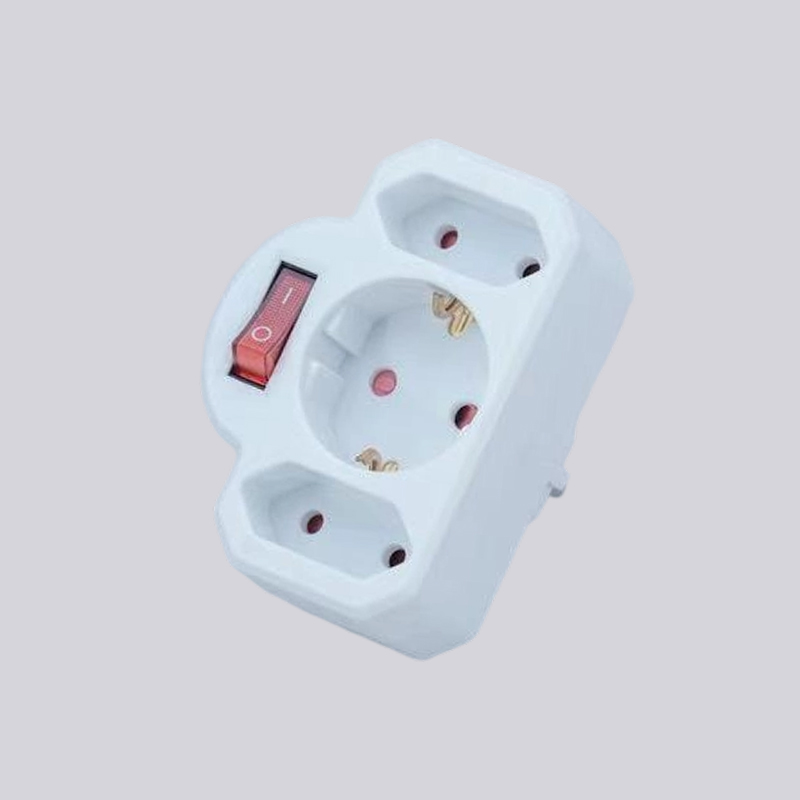
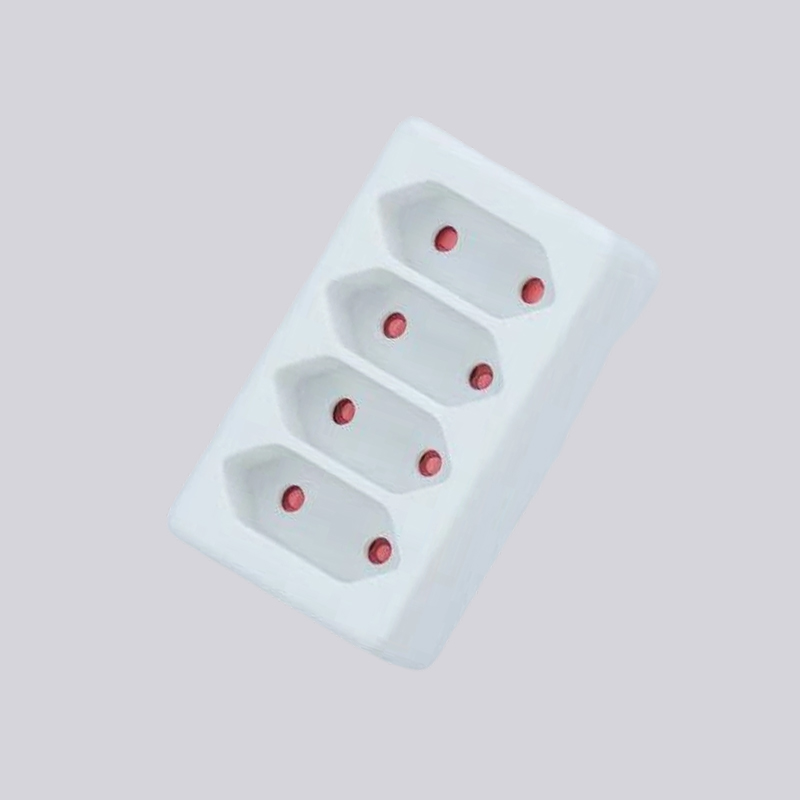
The socket end is often designed with multiple outlets (such as two, three, or four), allowing users to power multiple appliances simultaneously.
Use and Importance: Daily Use in Europe: In European homes, offices, and studios, these extension cords are essential tools for solving the problem of inconveniently located or insufficient wall sockets.
International Travelers and Expats: Carrying a European Extension Cord is extremely useful for travelers, students, or business people traveling to Europe from China or other countries. You only need to bring a travel adapter to convert your wall outlet to Chinese standards, and then plug in a European extension cord. This allows you to power multiple appliances simultaneously, including your laptop, phone, camera battery, and more, significantly reducing the number of adapters you need to carry.
Using Imported European Appliances: If you purchased a European-brand appliance (such as a coffee maker or stereo), it likely came with a European-standard plug. To use it in China, you might need a travel adapter. However, if you want to connect multiple European-standard appliances simultaneously, a European extension cord is more convenient.
Important Safety Instructions
Safety is paramount when using any electrical product, and this applies to European extension cords:
Certification Marks: Make sure the extension cord has a European safety certification mark, such as the CE mark. This is essential proof that the product meets EU safety, health, and environmental requirements. Other more stringent certifications include Germany's VDE and the UK's UKCA.
Power Limit: Each extension cord has a power rating (e.g., 2500W) or current limit (e.g., 16A). Do not overload the cable. Avoid connecting multiple high-power appliances (such as electric kettles, electric heaters, and hair dryers) simultaneously. Doing so may cause the cord to overheat, posing a fire risk.
Environmental Selection: Extension cords designed for indoor use should not be used outdoors in humid environments. If outdoor use is required, choose a product designed for outdoor use with a higher protection rating (such as IP44).
Cable Condition: Regularly inspect the cable for signs of damage, cracks, or loose plugs. If damaged, discontinue use immediately.
2. How do European extension cords adapt to different socket types in different countries?
Socket types vary significantly across continental Europe. Despite EU efforts to standardize (such as the de facto standard Type F), each country still has unique designs. For example:
Type C (CEE 7/16): A two-pronged round plug, universally used in most European countries, but without a grounding feature.
Type E (French standard): A round plug with a grounding pin, with the socket protruding inwards.
Type F (Schuko): A round plug with a side grounding lug, common in countries like Germany and Austria.
Type G (British standard): A three-pronged rectangular plug. While not a continental standard, some power strips include this type of plug for traveler compatibility.
To accommodate sockets in multiple countries, European extension cords utilize the following technical solutions:
Interchangeable Plug Adapter: This allows users to swap out the plug depending on the country, for example, using a Type E plug for a French socket or a Type F plug for a German socket. The internal wiring typically uses three conductors (live, neutral, and earth) to ensure grounding continuity. Universal Socket Design: The power strip features a composite socket that accepts various plugs, including Type C, Type E, and Type F. The internal metal contacts are made of a flexible copper alloy, which mechanically adapts to different pin sizes.
Voltage and Frequency Compatibility: European extension cords must support the 230V/50Hz standard, but some countries (such as Italy and Switzerland) may have local variations. The internal circuitry of the power strip is generally designed to withstand a wide voltage range (200V-240V), eliminating the need for a transformer.
Note for international travelers:
The difference between a plug converter and a power strip: A converter only changes the physical connector shape, while a power strip provides multiple connectors. If an appliance does not support 230V (such as 110V equipment in the United States), a voltage converter is required.
Safety Certification Differences: Electrical certification marks vary from country to country (e.g., Germany's GS, France's NF, and the United Kingdom's UKCA). Power strips that meet the CE mark are acceptable for use within the EU, but non-EU countries (such as Switzerland and Norway) may have additional requirements.
3. What are the differences in cable materials (e.g., PVC and rubber) for European extension cords?
The cable insulation and outer jacket materials directly impact the safety, durability, and environmental suitability of European extension cords. Common materials include polyvinyl chloride (PVC), rubber, and thermoplastic elastomer (TPE). A comparison of their properties is shown below:
PVC (Polyvinyl Chloride):
Electrical Properties: High dielectric strength (≥20 kV/mm), suitable for 230V low-voltage applications.
Mechanical Properties: High hardness, moderate abrasion resistance, and brittleness at low temperatures (operating temperature -5°C to 70°C).
Environmental Adaptability: Poor resistance to acids, alkalis, and UV rays, and may cause aging and cracking during outdoor use.
Cost and Environmental Impact: Low cost, but contains chlorine, which releases toxic gases (such as dioxins) when burned.
Applications: Home and office power strips (e.g., IEC 60227 standard cables). Rubber:
Electrical Properties: Natural rubber has a dielectric strength of approximately 18-20 kV/mm, while synthetic rubber (such as SBR) can be enhanced with additives.
Mechanical Properties: Excellent flexibility and tear resistance, with a wide operating temperature range (-40°C to 90°C).
Environmental Adaptability: Excellent weather resistance, oil resistance, and water resistance (e.g., IP67 rating), making it suitable for outdoor and industrial environments.
Cost and Environmental Performance: While relatively expensive, it is halogen-free and RoHS compliant.
Applications: Construction site power strips (e.g., H07RN-F cable), stage equipment, and marine power strips.
TPE (Thermoplastic Elastomer):
Electrical Properties: Nearly similar to rubber, with a dielectric strength of ≥15 kV/mm.
Mechanical Properties: Combines the processability of plastic with the elasticity of rubber, while being lightweight.
Environmental Adaptability: UV and ozone resistant, and recyclable.
Cost and Environmental Performance: Its cost is between that of PVC and rubber, and it complies with REACH regulations. Applications: Medical equipment power strips, high-end home power strips.
Special Material Variations:
Flame-retardant Version: Contains aluminum hydroxide (ATH) or red phosphorus, passing the UL94 V-0 flame retardancy test.
Low-Temperature Cable: Made of silicone rubber, remains flexible even at -60°C.
Low-Smoke Zero Halogen (LSZH) Cable: Used in confined spaces such as subways and tunnels to reduce the toxicity of fire smoke.
Cable material selection requires comprehensive considerations:
Safety standards: For example, PVC cables must comply with EN 50525-2-11, while rubber cables must comply with EN 50525-2-21.
Mechanical Stress: Rubber or TPE are preferred for mobile use (e.g., cable reels), while PVC can be used for fixed installations.
Environmental Factors: For humid environments, consider the IP rating (e.g., IP44 splash protection, IP67 immersion protection). For high-temperature environments, choose heat-resistant materials (e.g., 105°C temperature rating).
4. Technical Foundation of the European Extension Cord
The design and manufacture of European extension cords is based on a strict framework of technical specifications and standards, ensuring product safety, compatibility, and reliability throughout the European Economic Area (EEA). This technical foundation is primarily reflected in four core dimensions: electrical environment compatibility, mechanical interface standardization, cable technical specifications, and a safety certification system.
4.1 Electrical Environment Compatibility
The European main power grid uses 230V AC (with a ±10% tolerance) and a frequency of 50Hz. This unified standard stems from the European voltage harmonization process that began in the 1980s, aiming to replace the previously diverse voltage systems (e.g., 220V, 240V, etc.) in various countries. European extension cords must operate stably within these electrical parameters, and their design must consider the following:
Dielectric strength: All insulation materials must be able to withstand a test voltage higher than the operating voltage (e.g., dielectric strength tests typically require 1500V to 3000V, according to IEC 60884-1).
Current capacity: The cross-sectional area of the conductor directly determines the current-carrying capacity. Common specifications include:
0.75mm² (rated current 6A)
1.0mm² (rated current 10A)
1.5mm² (rated current 16A)
2.5mm² (rated current 25A, primarily used in industrial applications)
4.2 Mechanical Interface Standardization: Plug and Socket System
Although the European plug and socket system is not fully standardized, it achieves compatibility and safety through harmonized standards. Main types include:
CEE 7/4 (Schuko plug/socket system)
Regions: Germany, Austria, the Netherlands, Sweden, and most other European countries
Features: Two 4.8mm diameter round pins (19mm long) with symmetrical earth clips on both sides
Standards: Complies with DIN VDE 0620-1 and EN 50075
Safety: The socket is equipped with a childproof shutter that opens only when both pins are inserted simultaneously and even pressure is applied.
CEE 7/5 (French standard plug)
Regions: France, Belgium, Poland, and other countries
Features: Similar to Schuko but with an additional central earth pin
Special requirements: The earth pin is located at the top of the socket to prevent accidental contact with live parts during plugging and unplugging.
CEE 7/7 Hybrid Plug
Innovative design: Compatible with both Schuko (CEE 7/4) and French (CEE 7/5) socket systems
Structural features: Features side earth clips and a central earth hole.
BS 1363 (British Standard)
Regions: United Kingdom, Ireland, Malta, etc.
Features: Three rectangular pins (L/N poles insulated), built-in fuse (3A, 5A, or 13A)
Safety Design: Socket equipped with shuttered live contacts with protective door
Standard: Complies with BS 1363-1:2016
Other Special Types
SEV 1011 (Swiss Standard): Three round pins arranged in an isosceles triangle
CEI 23-50 (Italian Standard): Three cylindrical pins arranged in a straight line
4.3 Cable Technical Specifications
European power extension cables comply with the EN 50525 series of standards. Specific requirements include:
Conductor Material:
Using high-purity oxygen-free copper (OFC), purity ≥ 99.95%
Conductor Construction: Stranded wire Wire) for increased flexibility and bending resistance. Tin plating prevents oxidation and enhances long-term stability. Insulation Materials:
PVC (Polyvinyl Chloride): H05VV-F cable, cost-effective and acid and alkali resistant.
Rubber: H05RN-F, extremely flexible and cold-resistant (-25°C).
TPE (Thermoplastic Elastomer): Environmentally friendly, recyclable, and RoHS 2.0 compliant.
Silicone Rubber: High-temperature resistant (180°C), suitable for use in specialized industrial environments.
Cable Construction:
Basic Structure: Conductor → Insulation → Filler → Braid → Jacket.
Shielding Design: Industrial cables may include a braided copper shield.
Outer Diameter Control: Complies with EN 6001-1:2008. Maximum outer diameter limits specified in 50525-2-11
Color coding:
Live wire (L): Brown or black
Neutral wire (N): Blue
Earth wire (PE): Yellow-green stripe
4.4 Safety Certification System
European power extension cords must undergo multiple levels of conformity assessment:
CE marking (legally mandatory)
In accordance with Low Voltage Directive 2014/35/EU and Electromagnetic Compatibility Directive 2014/30/EU
Technical documentation and a Declaration of Conformity (DoC) are required
National certification (voluntary but enhances market acceptance)
VDE certification (Germany): Passes VDE 0620 testing, exceeding basic standards
KEMA-KEUR (Netherlands): Special focus on durability and mechanical strength
IMQ certification (Italy): Emphasizes fire resistance and material toxicity testing
BSI certification (UK): Complies with the BS 1363 series of standards
Testing standards:
Electrical strength test: IEC 60884-1 §16
Temperature rise test: The temperature rise of the plug terminals must not exceed 45K (EN 60884-1). 60309-2)
Mechanical Strength: Plugs must pass 5,000 insertion and removal cycles (VDE 0620-1)
Fire Resistance: Passes the GLOW-WIRE test (IEC 60695-2-11) at 850°C
5. European Extension Cord Design and Safety Features
5.1 Overload and Short-Circuit Protection Mechanism
Integrated Protection Device: High-end models are equipped with a dual-action thermal-magnetic circuit breaker that responds simultaneously to overloads (thermal effects) and short circuits (electromagnetic effects).
Precise Trip Curve: Compliant with IEC 60898-1, Type B or Type C characteristic curves ensure instantaneous tripping at 3-5 times the rated current.
Visual Indication: The protector status window displays the tripping cause (overload/short circuit), and some models feature a manual reset button.
Voltage Surge Protection: Industrial-grade products may include an integrated varistor to suppress transient overvoltages (in accordance with EN 61643-11).
5.2 Child Safety Design
Mechanical Interlock Safety Door: Utilizing a dual-lever mechanism, the door unlocks only when both pins are simultaneously inserted and reach a specific depth (≥4mm).
Tested for Single-Pole Insertion: Passed VDE 0620-1. 1N probe test as specified in §10.3 (applied 40N force, no contact with live parts)
Torque resistance: The socket can withstand a torsional torque of 0.4N·m without damage (BS 1363-2 §13.4)
5.3 Fire and Heat Resistance
Material Flame Retardancy Rating:
Casing Material: UL94 V-0 (Vertical Flame Test)
Internal Components: GLOW-WIRE 850°C Test (IEC 60695-2-11)
Thermal Management Design:
Copper conductors and terminals adopt a low-temperature rise design (ΔT ≤ 45K at full load).
High-power models (16A+) have additional heat sink fins.
Arc Fault Protection: Complies with EN 62606, detecting and interrupting hazardous arcs.
5.4 Mechanical Strength and Environmental Adaptability
Impact Test: Passes 0.5J impact energy test (IK07 protection rating)
Flex Life:
Household Model: 10,000 flex cycles (EN 50525-2-11)
Industrial: 25,000 bending cycles (EN 60309-2)
Environmental Sealing:
IP44: Splashproof (no harmful effects from splashing water in all directions)
IP67: Short-term immersion (1 meter underwater for 30 minutes)
Low-Temperature Toughness: No cracking when bent around the mandrel at -25°C (Nordic standards require -40°C)
5.5 Electromagnetic Compatibility (EMC) Design
Filter Circuit: Industrial-grade products feature a built-in π-type filter to suppress conducted interference
Shielding Structure:
Double-layer braided copper shield (coverage ≥ 85%)
Magnetic rings suppress common-mode noise (compliant with EN 55032 Class B)
Ground Continuity: Ground resistance <0.1Ω (VDE 0620-1 §12)
5.6 Ergonomic Design
Grip Comfort: Complies with EN 894-3 standard 3D hand model evaluation
Insertion and extraction mechanics:
Insertion force: 10-50N (Schuko), 20-40N (BS 1363)
Withdrawal force: ≥5N (prevents accidental disconnection)
Cable strain relief: Reinforced sheath elbow (Strain Relief) withstands 100N of tension without deformation
5.7 Material Environmental Performance
Halogen-free formula: Bromine and chlorine content <900ppm (IEC 61249-2-21)
Recyclable design: Tool-less disassembly facilitates recycling
Bio-based materials: Uses renewable materials such as castor oil-based polyurethane (compliant with EC No. 66/2010)
6.Is a European Extension Cord Compatible with All Plug Types?
Understanding the "European Plug"
First, it's important to know that there isn't a single "European plug." Europe primarily uses two main types:
Type C (Europlug): This is the classic two-round-pin plug. It is ungrounded (no earth pin) and is common for low-power devices like phone chargers and lamps. It is designed to be compatible with several European socket types.
Type E and Type F (Schuko): These are the grounded plugs. They have two round pins like Type C, but add either a hole for a ground pin (Type E) or two top and bottom grounding clips (Type F). These are used for higher-power appliances like computers, kettles, and washing machines.
A European extension cord will typically have a Type E or F plug on one end and multiple Type E/F or Type C sockets on the other.
The Physical Compatibility Problem
Plug shapes vary dramatically across the globe. Here’s how a European extension cord fares against other common plug types:
North American (Type A/B): Flat, parallel pins. These will not fit into a European round-pin socket.
UK (Type G): Large, rectangular pins. These will not fit into a European socket.
Australian (Type I): Flat, angled pins. These will not fit into a European socket.
The reverse is also true: a European plug will not fit into sockets in these regions without an adapter.
The Electrical Compatibility Problem (This is Critical!)
Even if you manage to physically connect a plug using an adapter, you must consider the electricity itself. This is a matter of safety for both your devices and your personal well-being.
Voltage: Most of Europe operates on a 220-240 Volt system.
Frequency: Europe uses a 50 Hertz (Hz) frequency.
Now, compare this to other regions:
North America: Uses 110-120 Volts at 60 Hz.
Japan: Uses 100 Volts (and both 50 Hz and 60 Hz, depending on the region).
What does this mean?
A European device (rated for 220V) plugged into a 110V US socket via an adapter will likely not receive enough power to operate, or will function very poorly (e.g., a hair dryer will be weak and ineffective).
A North American device (rated for 110V) plugged into a 240V European socket is extremely dangerous. This will likely cause the device to overheat, smoke, and be permanently destroyed, creating a serious fire hazard. This is known as "overvoltage."
Important Exception: Many modern electronic devices like laptop chargers, phone chargers, and camera battery chargers are "dual voltage" (e.g., they accept 100-240V, 50/60Hz). You can check this by looking at the small print on the power supply. For these devices, you only need a physical plug adapter to make them work.
The Solution: Adapters vs. Converters
To safely use a European extension cord or device abroad, you need to address both the physical and electrical challenges.
Check Device Voltage: First, always check if your device is dual-voltage.
For Dual-Voltage Devices: You only need a simple, passive plug adapter to make the physical connection. You can then plug this adapter into your European extension cord.
For Single-Voltage Devices (e.g., 110V only): You must use a voltage converter or transformer to step down the European 240V to 110V. Warning: High-power devices like hair dryers, kettles, and irons draw a lot of current and require a heavy-duty, expensive converter. It is often cheaper and safer to purchase a dual-voltage appliance at your destination instead.
Never plug a single-voltage device into a European outlet using only a physical adapter.


If you are interested in our products, please consult us
- CONTACT DETAILS
- Address : Guanhaiwei East Industrial Zone,Cixi, Ningbo,315314 Zhejiang, P.R.China.
- TEL: helen:+86-15867389889 Young:+86-15958216886 +86-0574-63666678
- Email:[email protected] [email protected]
- Fax:86-0574-63668558
- PRODUCTS
- Power Strip
- Extension Cord
- Cable Reel
- Adapter
- Plug
- QUICK LINK
- Company Profile
- company culture
- Plant equipment
- FAQ
- NEWS CENTER
- Company News
- Industry News
- MOBILE TERMINAL
-