English
  中文简体
中文简体 
What Makes a Qualified European Power Strip? Safety Certifications Explained
 2025.09.26
 Industry News
What core safety certifications are mandatory for European power strips?
A qualified European power strip must first obtain mandatory safety certifications to meet regional regulatory requirements. The most critical certification is CE marking—a mandatory requirement for all electrical products sold within the European Economic Area (EEA), which indicates compliance with the Low Voltage Directive (LVD, 2014/35/EU) and the Electromagnetic Compatibility (EMC) Directive (2014/30/EU). Beyond CE marking, many high-quality power strips also carry GS certification (a voluntary but widely recognized safety mark in Germany, issued by authorized bodies like TÜV or SGS), which involves more rigorous testing (such as temperature rise, insulation resistance, and impact resistance) than basic CE requirements. Additionally, for power strips with USB charging ports, compliance with EN 62368-1 (the European standard for audio/video, information, and communication technology equipment) is required—this standard specifically addresses safety risks related to USB charging, such as overcurrent and overvoltage protection.
What design and material features ensure European power strip safety?
Qualified European power strips incorporate specific design and material features to prevent electrical hazards. First, housing materials: the outer casing must be made of flame-retardant materials (such as PC/ABS plastic blends) that meet the requirements of EN 60695-11-10 (the European standard for flammability testing). These materials should not ignite easily, and if they do, they should self-extinguish within 30 seconds (without dripping molten material) to reduce fire risk. Second, internal wiring and terminals: the internal copper wires must have a cross-sectional area of at least 0.75 mm² (for 10A power strips) or 1.0 mm² (for 16A power strips) to handle maximum current without overheating. Terminals should be screw-locked or crimped (not just soldered) to ensure secure connections—loose connections can cause arcing, which generates heat and increases fire risk. Third, protective features: power strips must include an overcurrent protection device (such as a thermal fuse or circuit breaker) that trips when current exceeds the rated value (e.g., 10A or 16A), preventing overheating. For outdoor or bathroom use, power strips should also have an IP rating of at least IP44 (to resist dust and splashing water).
How to verify if a European power strip meets safety standards in practice?
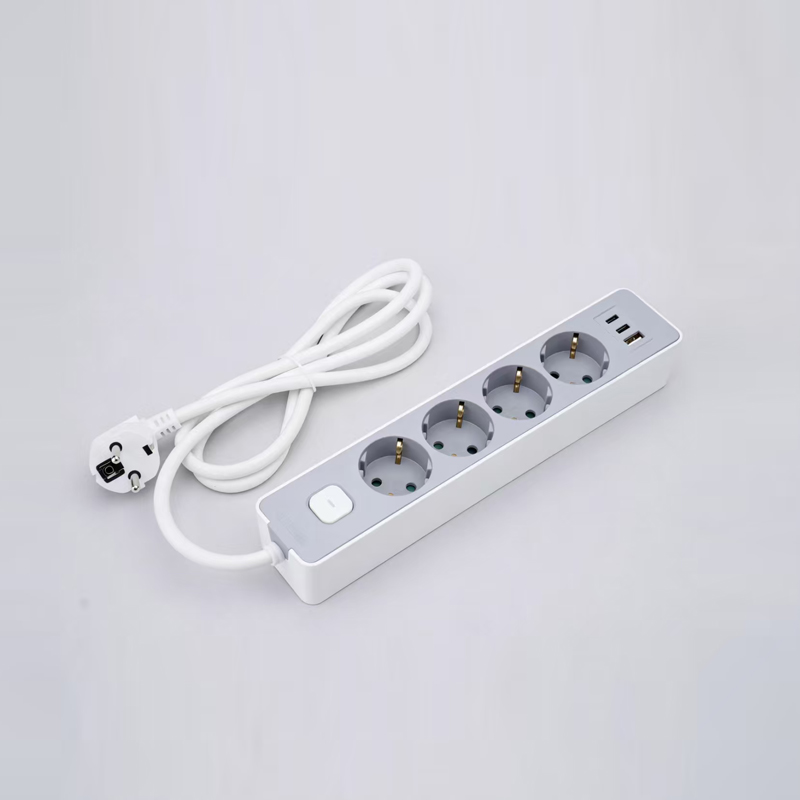
Consumers and buyers can take practical steps to verify a European power strip’s compliance with safety standards. First, check for certification labels: look for clear, legible CE marking (with the four-digit identification number of the notified body, if applicable) and additional marks like GS or TÜV. Avoid products with blurry labels, missing certification numbers, or counterfeit marks (e.g., CE labels printed directly on the housing without a notified body number). Second, inspect physical quality: the housing should feel sturdy (not flimsy or easily deformed), and the power switch and socket ports should have a tight, secure fit—loose sockets can cause poor contact and overheating. Third, test basic functions: plug in a low-power device (such as a phone charger) and check for signs of overheating (e.g., a warm housing or unusual smells) after 30 minutes of use—overheating indicates potential wiring or terminal issues. Additionally, for power strips with USB ports, use a current tester to ensure the USB output matches the rated current (e.g., 2.4A per port)—unstable current can damage connected devices and indicates non-compliance with EN 62368-1.
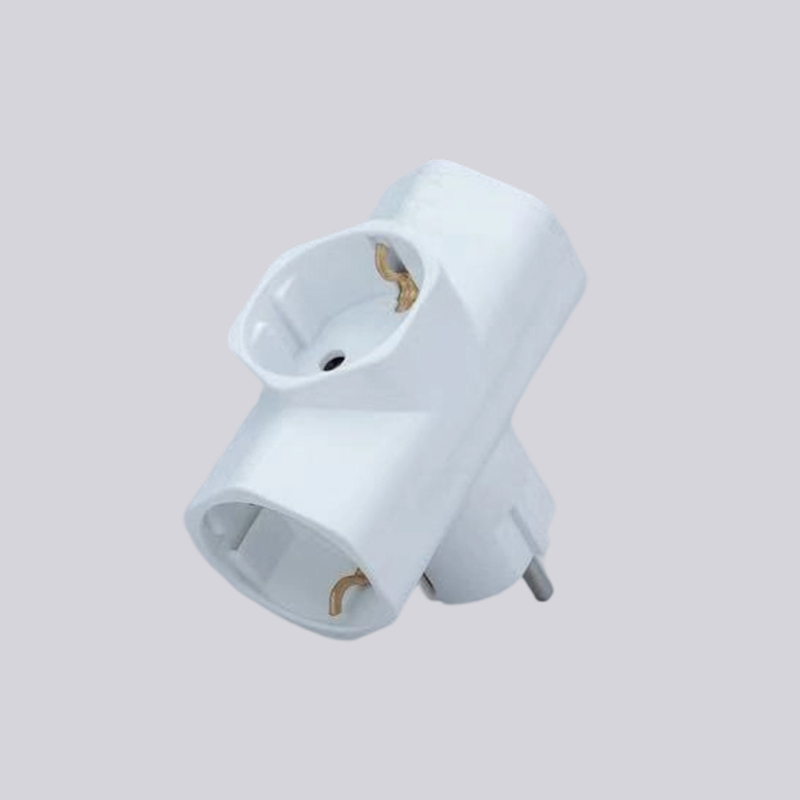
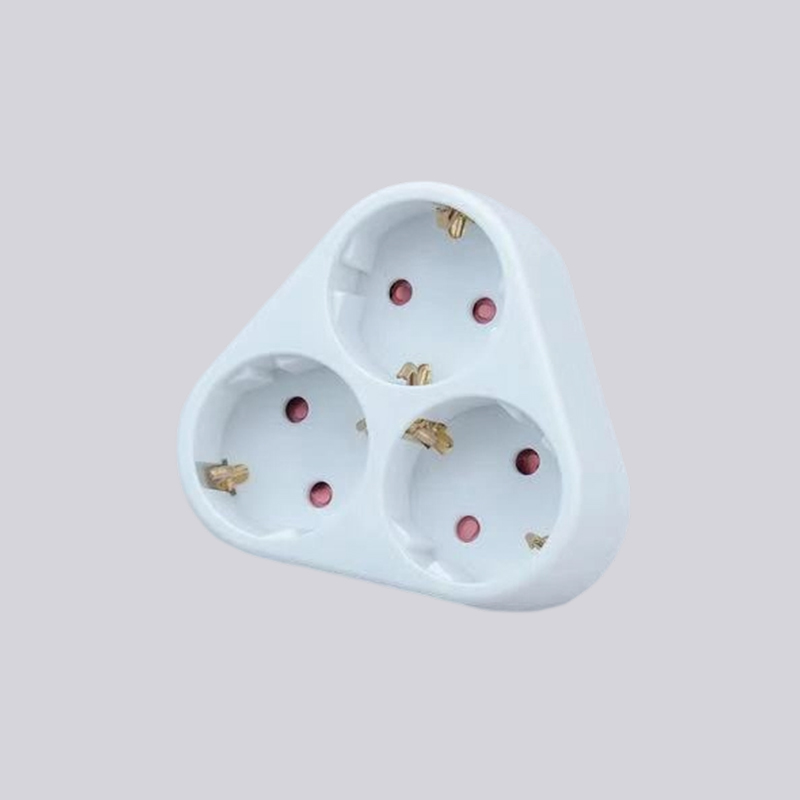
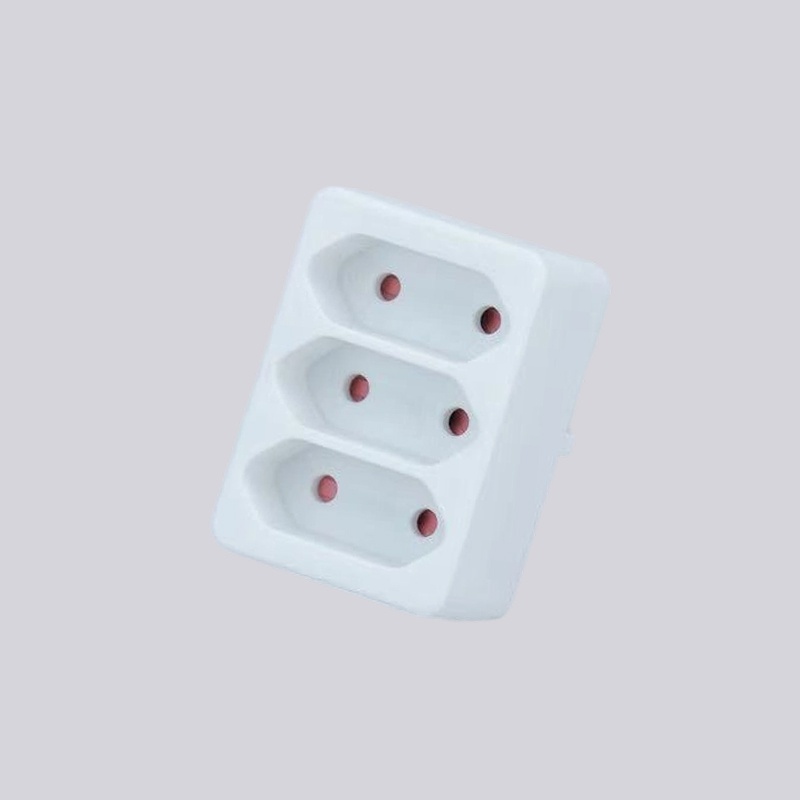
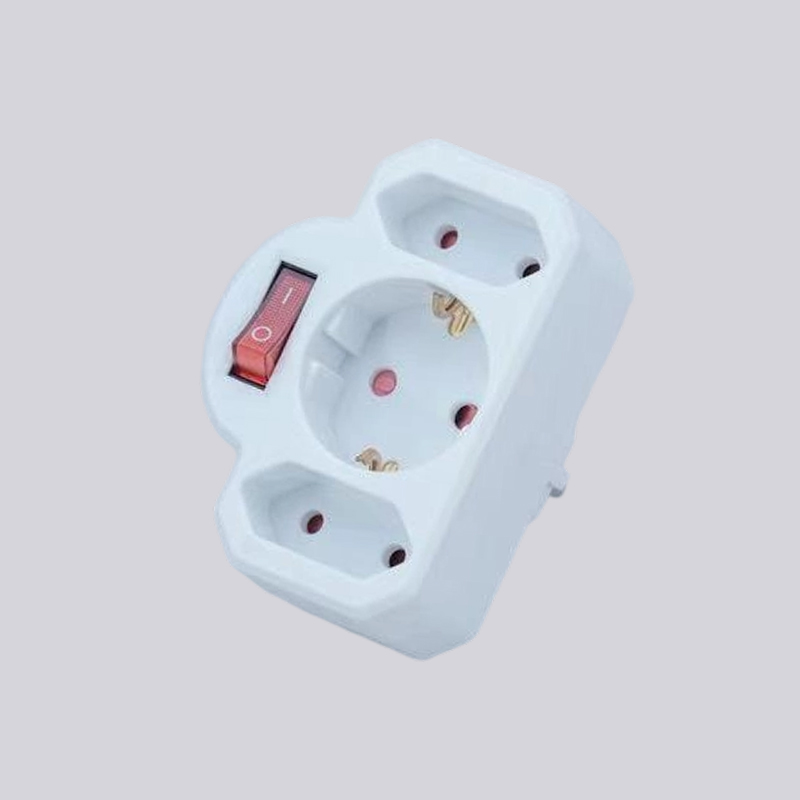
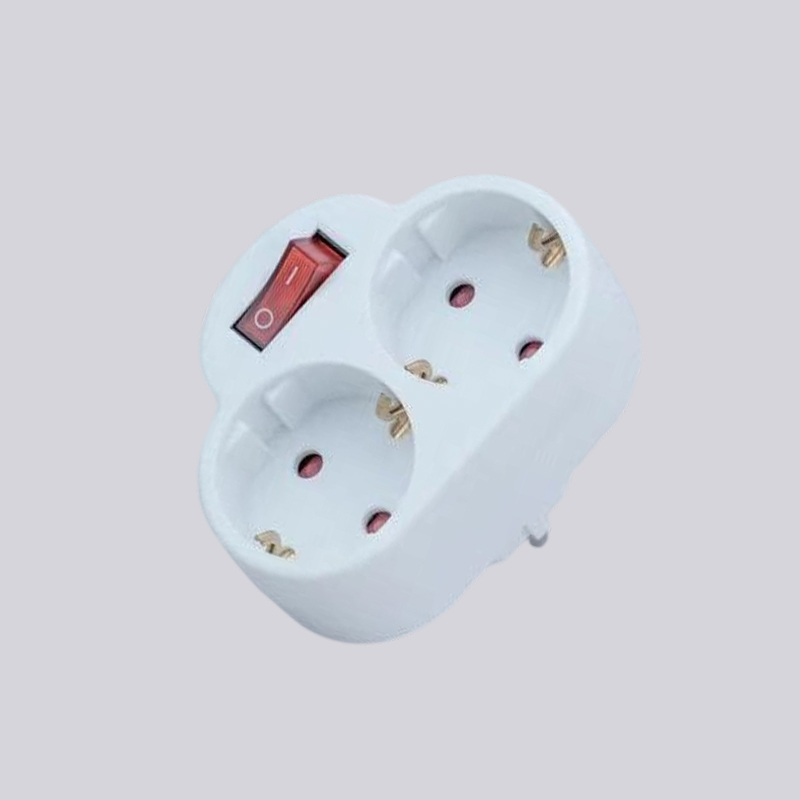
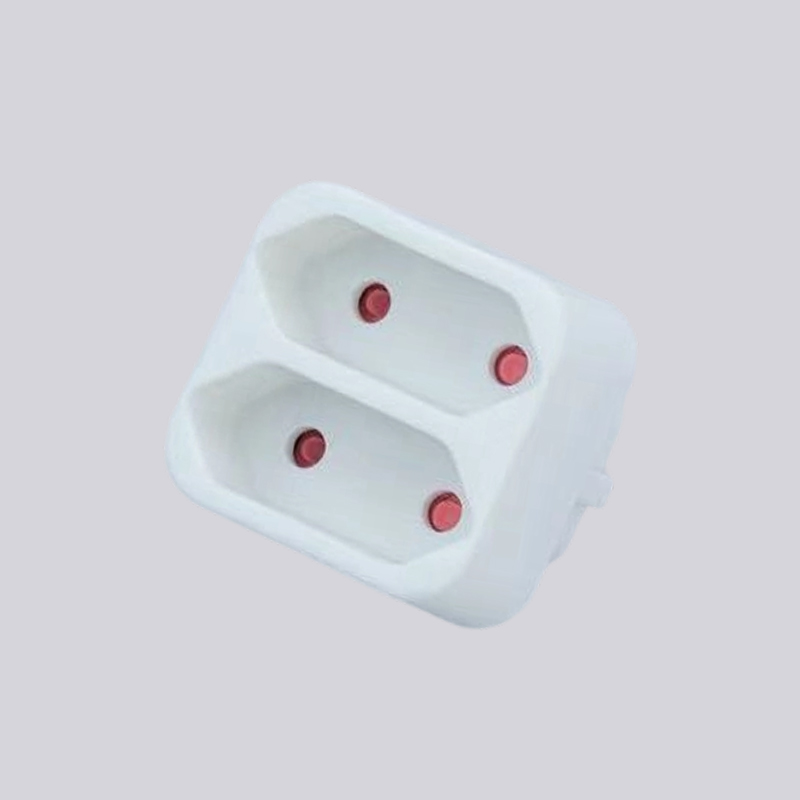
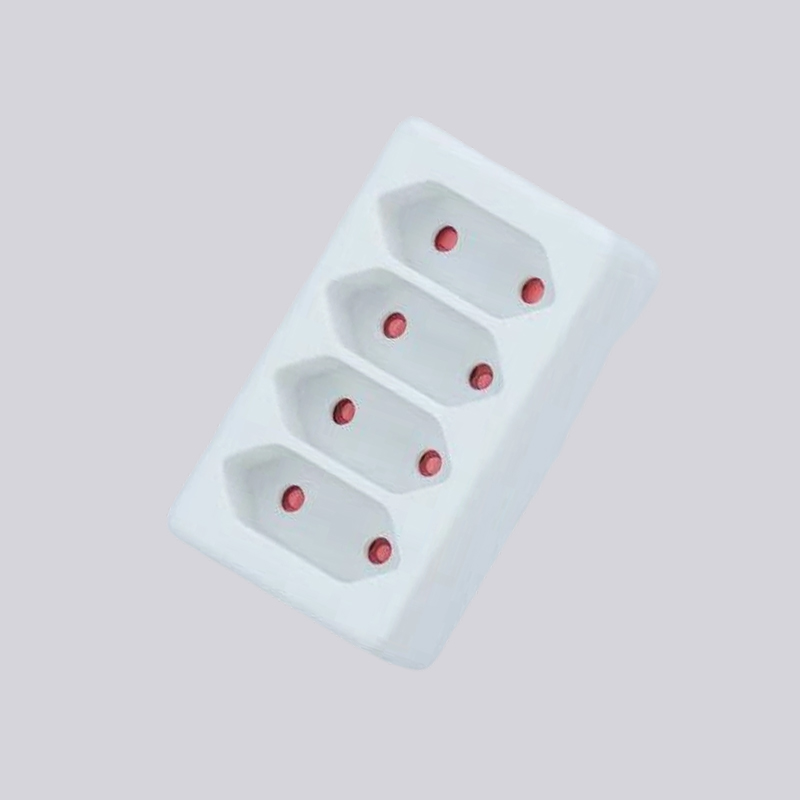
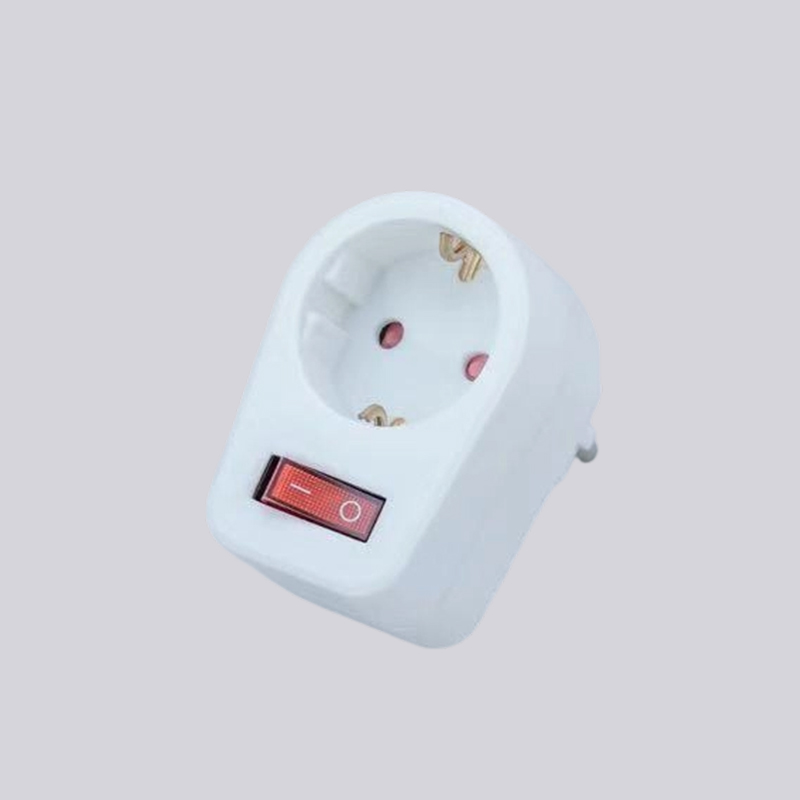


If you are interested in our products, please consult us
- CONTACT DETAILS
- Address : Guanhaiwei East Industrial Zone,Cixi, Ningbo,315314 Zhejiang, P.R.China.
- TEL: helen:+86-15867389889 Young:+86-15958216886 +86-0574-63666678
- Email:[email protected] [email protected]
- Fax:86-0574-63668558
- PRODUCTS
- Power Strip
- Extension Cord
- Cable Reel
- Adapter
- Plug
- QUICK LINK
- Company Profile
- company culture
- Plant equipment
- FAQ
- NEWS CENTER
- Company News
- Industry News
- MOBILE TERMINAL
-