English
  中文简体
中文简体 
How to Avoid Overheating: What to Check When Buying European Extension Cords?
 2025.09.30
 Industry News
Overheating is one of the most common safety hazards associated with extension cords, especially when using products designed for European electrical systems—where voltage, plug types, and regulatory standards differ from other regions. For users, whether at home, in the office, or while traveling, knowing what to inspect before purchasing a European extension cord can prevent not just device damage, but also fire risks. Below is a detailed guide to help you make a safe choice.
1. What Electrical Ratings Should You Verify to Prevent Overheating?
The first line of defense against overheating lies in matching the extension cord’s electrical ratings to your devices’ needs. European countries typically use a 230V AC supply, so the cord must be rated to handle this voltage—but voltage alone isn’t enough. You also need to check the current rating (measured in amps, A) and power rating (measured in watts, W).
Current rating: Most European extension cords are rated for 10A, 13A, or 16A. If you plan to power high-draw devices (like space heaters, electric kettles, or large printers), a lower amp rating (e.g., 10A) will struggle to handle the load, leading to wire overheating.
Power rating: Calculate your device’s power needs (Watts = Volts × Amps) and ensure the cord’s wattage rating exceeds this total. For example, a 16A cord at 230V can safely handle up to 3680W—suitable for heavy-duty use—while a 10A cord maxes out at 2300W, better for smaller devices like phones or lamps.
Never assume a cord “fits” just because the plug matches; always check the rating label (usually printed on the cord’s plug or housing) before buying.
2. What Wire Gauge Is Suitable for European Extension Cords to Avoid Overheating?
Wire gauge— the thickness of the copper wires inside the cord—directly impacts how much current it can carry without overheating. Thicker wires (measured by a lower gauge number) have less electrical resistance, meaning they generate less heat when current flows through them.
In Europe, extension cord wire gauges are often labeled using the metric system (e.g., 0.75mm², 1.0mm², 1.5mm²) instead of the American AWG system. Here’s what you need to know:
0.75mm²: Ideal for light-duty use (e.g., charging phones, laptops, or small lamps) with low current demands (up to 10A). Using this for high-power devices will cause wires to overheat.
1.0mm²: Suitable for medium-duty use (e.g., small appliances like coffee makers or toasters) and can handle up to 13A.
1.5mm²: Best for heavy-duty use (e.g., space heaters, electric grills, or power tools) and supports up to 16A.
If the cord doesn’t list the wire gauge on its label, avoid it—this is a red flag for poor quality and potential overheating risks.
3. What Safety Certifications Indicate a European Extension Cord Won’t Overheat?
European extension cords must meet strict safety standards to be sold legally, and certifications are your proof that the product has been tested to resist overheating and other hazards. Look for these key certifications on the cord’s packaging or label:
CE Marking: The basic requirement for all electrical products sold in the European Economic Area (EEA). It confirms the cord complies with EU safety, health, and environmental regulations.
GS Mark (Geprüfte Sicherheit): A voluntary but widely trusted certification in Germany (and across Europe) that indicates the product has undergone rigorous testing for safety—including resistance to overheating, insulation durability, and fire risk.
VDE Certification: Issued by the VDE Testing and Certification Institute (a leading European safety organization), this mark guarantees the cord meets high standards for electrical safety, including protection against overheating and short circuits.
Cords without these certifications may use substandard materials (e.g., thin wires, low-quality insulation) that break down under load, leading to overheating. Always prioritize certified products.
4. What Insulation and Jacket Materials Prevent European Extension Cords From Overheating?
The outer jacket (the protective covering) and inner insulation (around the copper wires) of an extension cord play a critical role in heat resistance. Poor-quality materials can melt or crack when exposed to heat, increasing the risk of short circuits and fires.
When inspecting a cord, ask:
Is the jacket made of heat-resistant material? Look for materials like PVC (polyvinyl chloride) or rubber—both are durable and can withstand moderate heat. Avoid cords with thin, flimsy jackets that feel brittle or easily tearable.
Is the inner insulation thick and intact? While you can’t see the inner insulation directly, you can check for signs of poor construction: if the cord feels “lumpy” or has uneven thickness, the insulation may be uneven, leading to hot spots where overheating can occur.
Is the jacket rated for the environment? If you’ll use the cord outdoors or in damp areas (e.g., a garage or balcony), choose one with a water-resistant and UV-resistant jacket—these materials are also more heat-tolerant than standard indoor jackets.
5. What Design Features Should You Look for to Stop Overheating in European Extension Cords?
Beyond ratings and materials, small design details can make a big difference in preventing overheating:
Integrated Overload Protection: Some European extension cords come with a built-in circuit breaker that automatically shuts off power if the current exceeds the cord’s rating. This is a valuable feature for preventing overheating, especially if you’re using multiple devices at once.
Secure Plug and Socket Connections: Loose connections (between the cord and your device, or the cord and the wall outlet) create resistance, which generates heat. Look for plugs and sockets with tight, snug fits—avoid cords where plugs feel wobbly or sockets are too loose to hold a device plug firmly.
Short Cord Length for High-Power Use: Longer cords have more electrical resistance, which means they generate more heat. If you need to power a high-draw device (e.g., a space heater), choose a shorter cord (1-2 meters) instead of a 5+ meter one. For light-duty use (e.g., charging phones), longer cords are safe.
6. What Mistakes Should You Avoid After Buying to Prevent Overheating?
Even a high-quality European extension cord can overheat if used incorrectly. After purchasing, avoid these common errors:
Overloading the Cord: Plugging too many devices into one cord (even if each device is small) can exceed the cord’s power rating. For example, plugging a coffee maker, toaster, and lamp into a 10A cord will likely cause overheating.
Drapping the Cord Over Heat Sources: Never place the cord on top of radiators, stoves, or other hot surfaces—this adds external heat that the cord’s insulation can’t handle.
Damaging the Cord: Frayed wires, cracked jackets, or bent plugs expose the inner wiring, increasing the risk of short circuits and overheating. If you notice any damage, stop using the cord immediately.
By checking these key factors—electrical ratings, wire gauge, certifications, materials, and design—you can choose a European extension cord that stays cool and safe to use. Remember: when it comes to electrical safety, cutting corners on an extension cord isn’t worth the risk of overheating or fire.
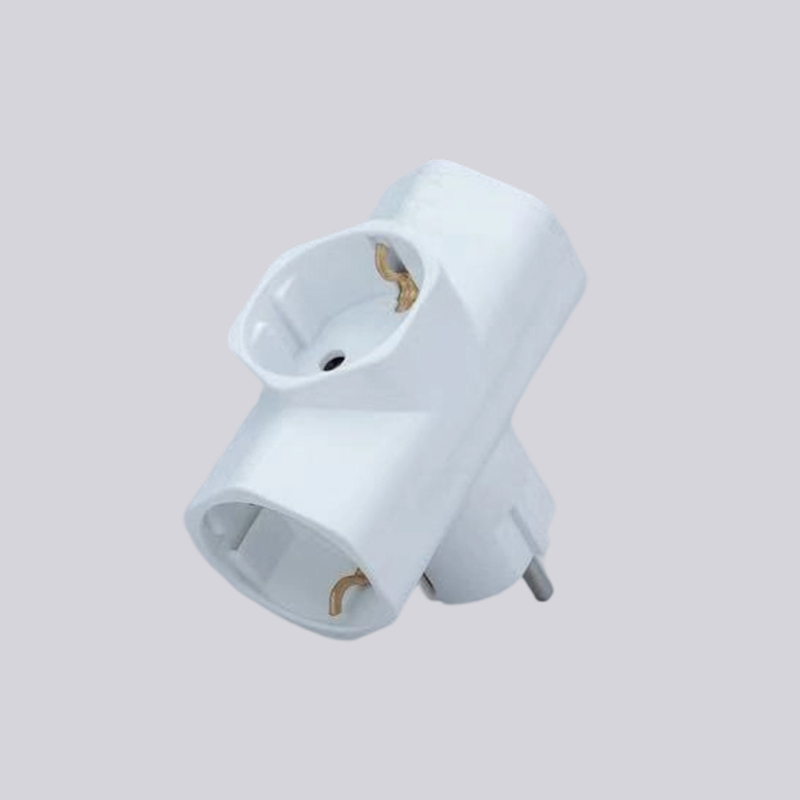
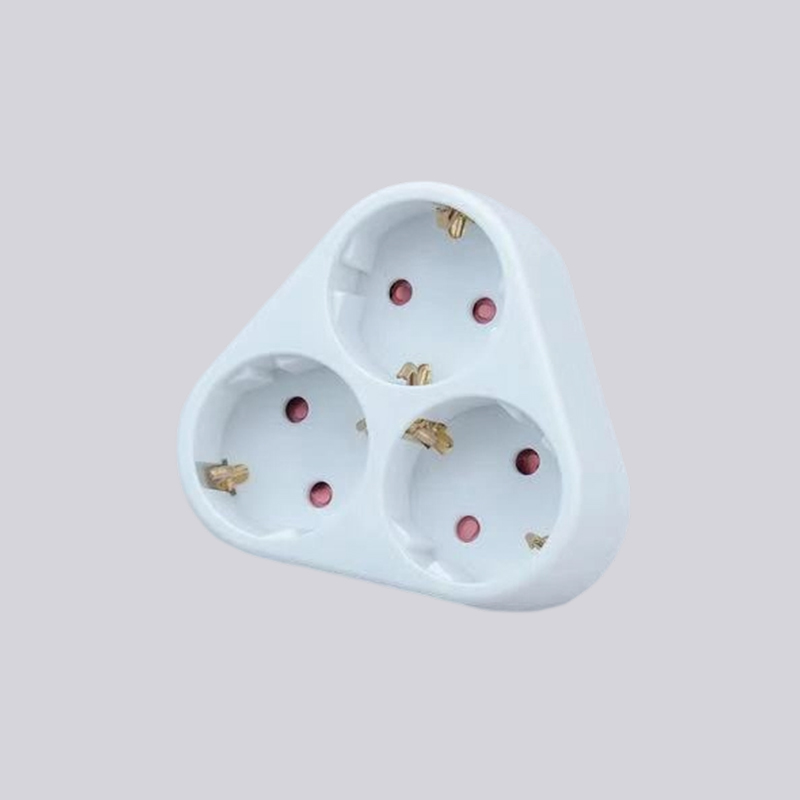
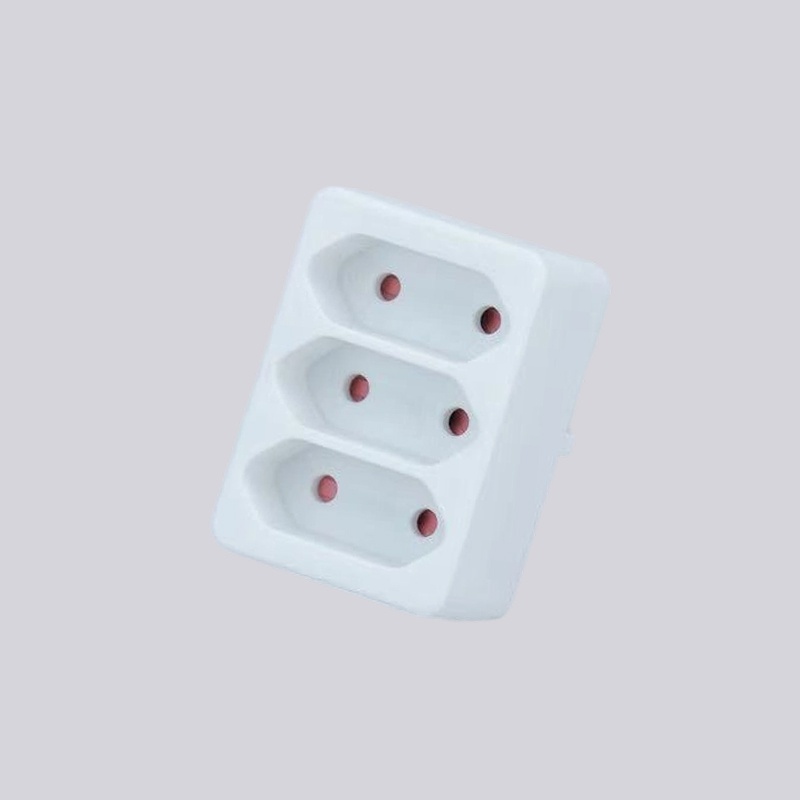
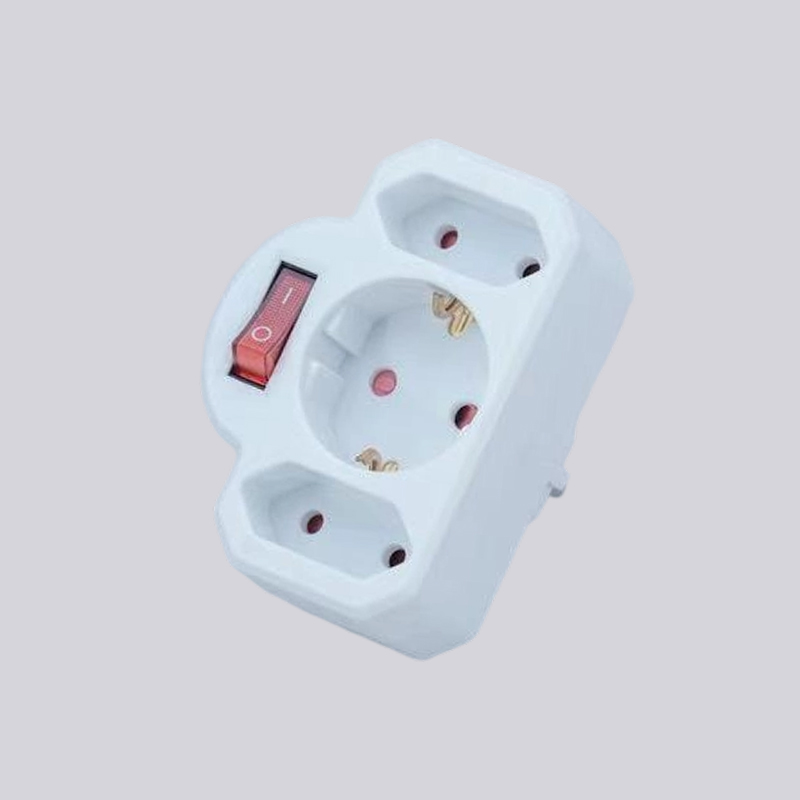
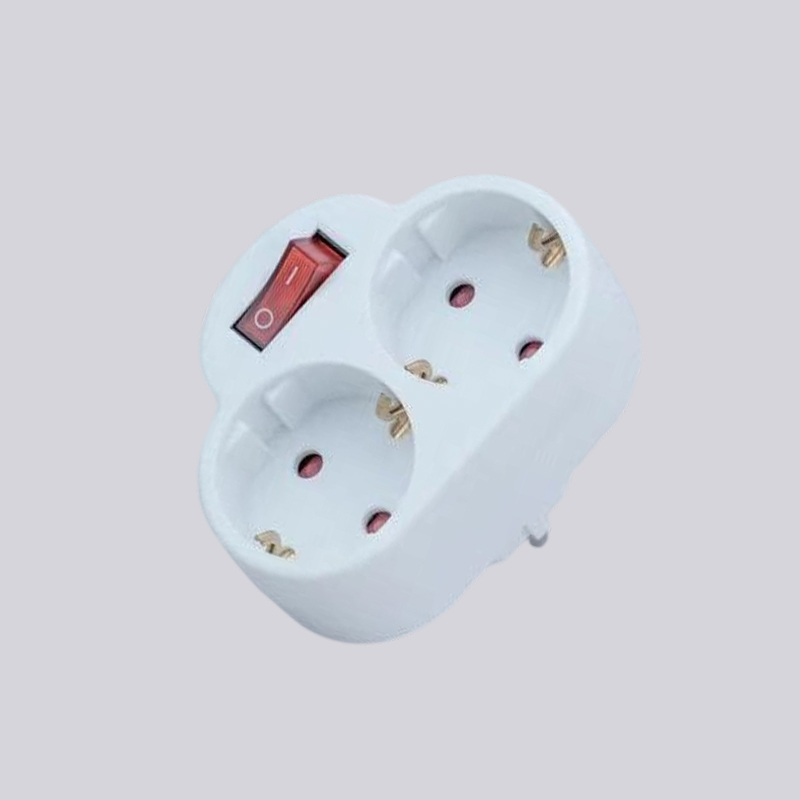
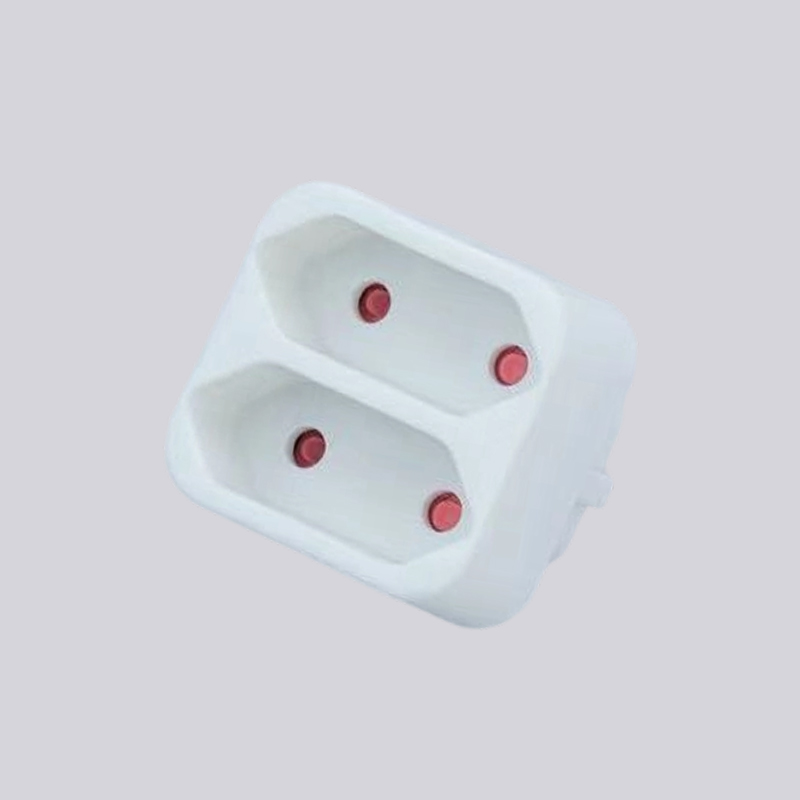
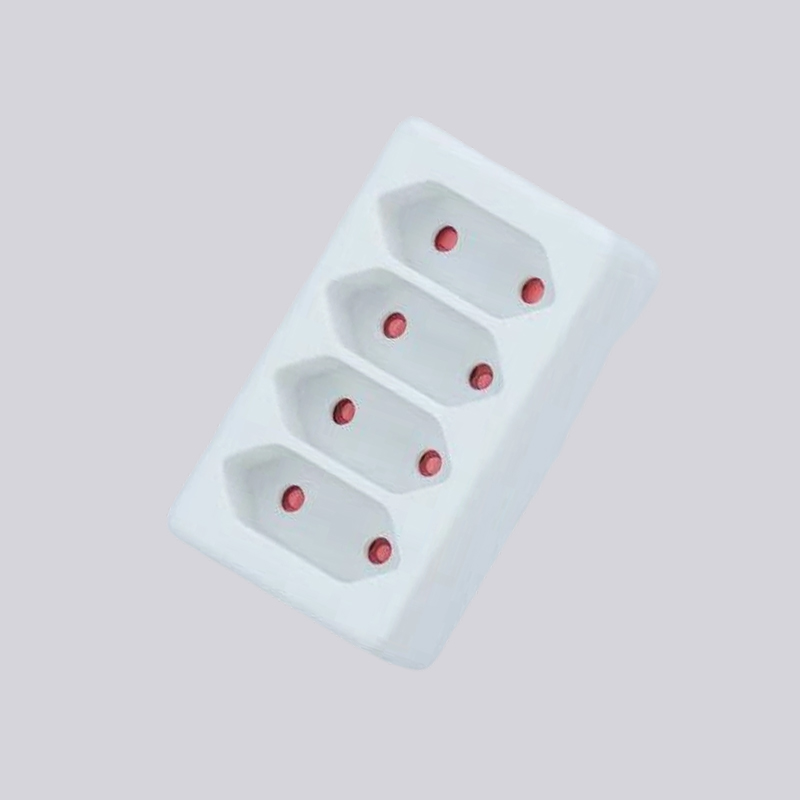
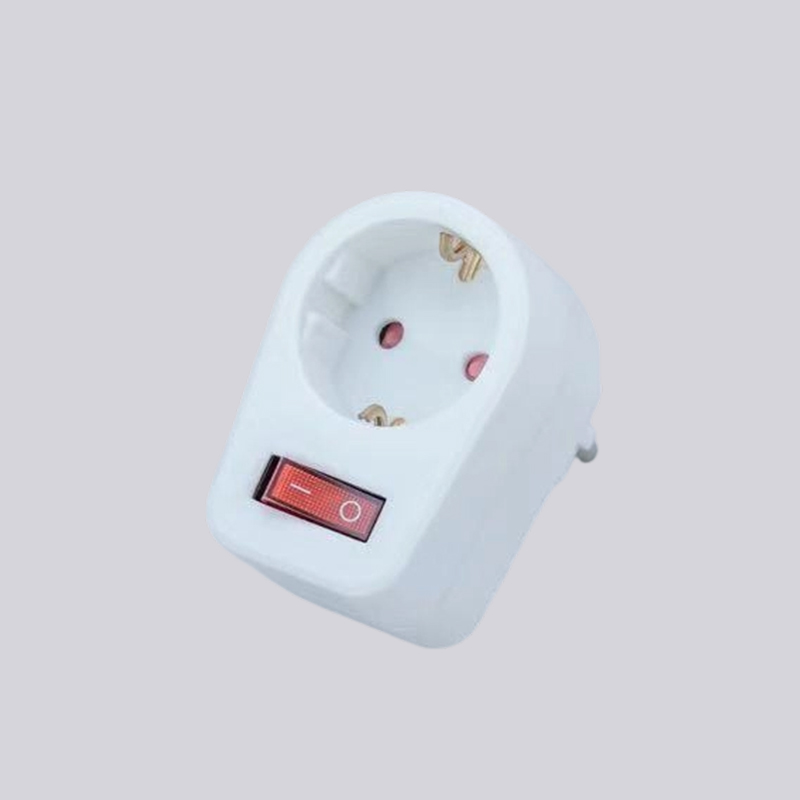
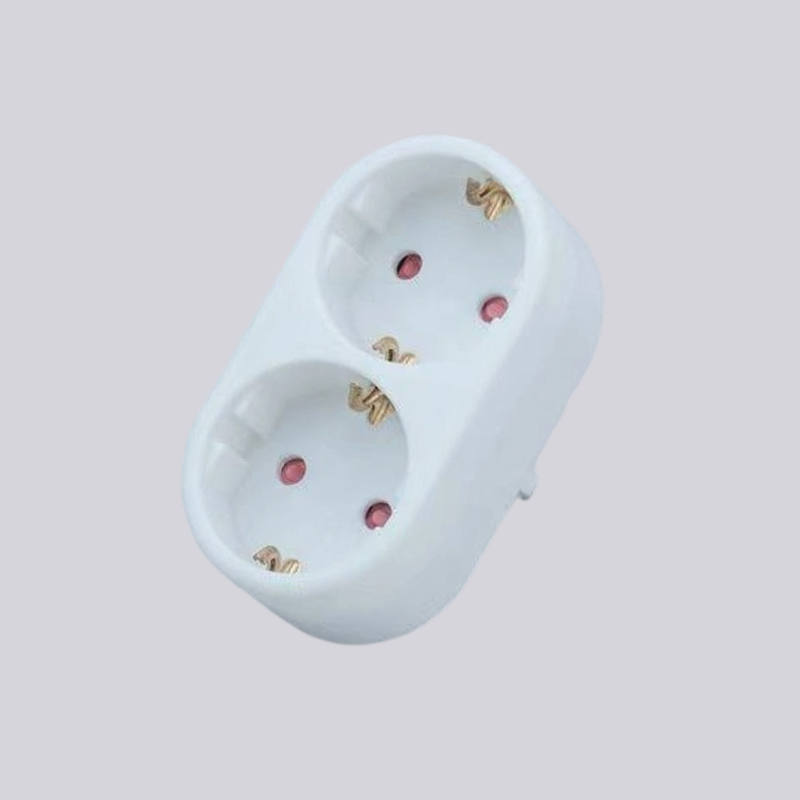
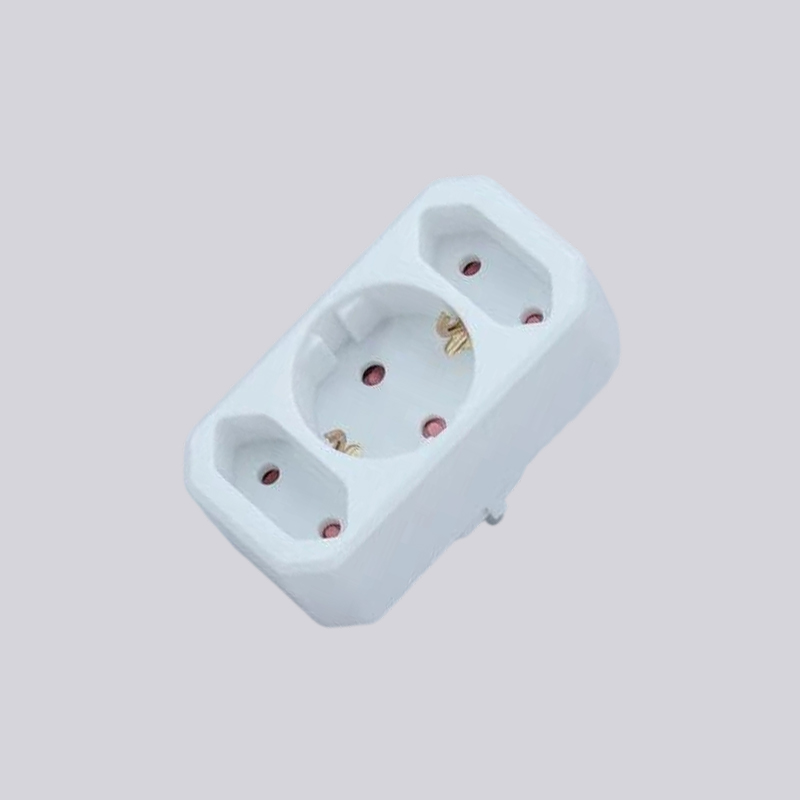

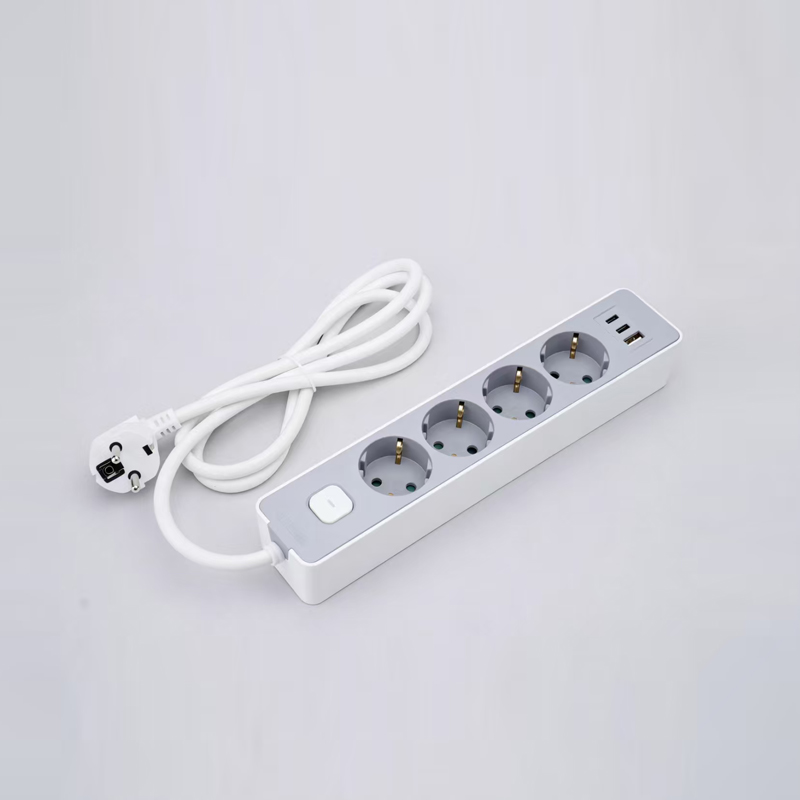

If you are interested in our products, please consult us
- CONTACT DETAILS
- Address : Guanhaiwei East Industrial Zone,Cixi, Ningbo,315314 Zhejiang, P.R.China.
- TEL: helen:+86-15867389889 Young:+86-15958216886 +86-0574-63666678
- Email:[email protected] [email protected]
- Fax:86-0574-63668558
- PRODUCTS
- Power Strip
- Extension Cord
- Cable Reel
- Adapter
- Plug
- QUICK LINK
- Company Profile
- company culture
- Plant equipment
- FAQ
- NEWS CENTER
- Company News
- Industry News
- MOBILE TERMINAL
-