English
  中文简体
中文简体 
Does Your Cable Reel Have Incomplete Wire Winding and Leakage? What Are the Causes and Solutions to Common Faults?
 2025.10.10
 Industry News
Content
Why does incomplete wire winding happen to cable reels?
Incomplete wire winding—such as loose arrangement, uneven layers, or failure to fully retract—is one of the most frequent issues with cable reels, and its roots often lie in mechanical mismatches or structural wear.
The core cause often relates to tension imbalance. Spring-retractable reels rely on internal springs to provide retraction force; if the spring becomes fatigued after long-term use, it loses the tension needed to pull the cable tightly, resulting in loose winding . For reels used with heavy accessories (like large outlet nozzles), the extra weight can overwhelm the spring’s tension, preventing the cable from retracting fully. Mismatched cable length is another common trigger—using a cable longer than the reel’s designed specification disrupts the winding rhythm, leading to gaps between layers .
Mechanical alignment also plays a key role. During winding, the cable should move horizontally between the reel’s inner walls to form neat layers. If the guide mechanism (which controls horizontal movement) is misaligned or worn, the "return point" for layer transitions becomes inaccurate—sometimes too close to the inner wall, causing cable stacking, or too far, leaving empty spaces . These misplacements not only look unorganized but also reduce the reel’s effective cable capacity.
How to fix and prevent incomplete wire winding?
Resolving winding issues requires targeted solutions based on the root cause, while proactive maintenance can avoid recurrence.
For tension-related problems, start with spring adjustment—many reels have tension-regulating mechanisms that allow increasing force to counteract accessory weight or mild spring fatigue . If the spring is severely worn or broken, replacing the spring assembly is necessary to restore proper retraction. For length mismatches, verifying the reel’s rated cable length and replacing with a correctly sized cable eliminates winding disruptions .
Mechanical alignment issues call for checking the guide rail and transition components. Cleaning debris from the guide mechanism and tightening loose fasteners ensures smooth horizontal movement of the cable. For industrial reels, installing auxiliary monitoring devices (like 2D laser scanners) can help—these tools detect misalignment in real time by measuring cable position, ensuring each layer’s return point stays within one cable diameter of the inner wall .
Routine maintenance is equally important: lubricating the reel’s rotating axis and guide rails every 3–6 months reduces friction, while inspecting for cable kinks before winding prevents forced misalignment during retraction.
What causes electrical leakage in cable reels?
Electrical leakage poses far greater risks than winding issues, as it can lead to electric shock, equipment damage, or even fire. The primary culprit is almost always insulation failure or electrical component degradation.
Insulation breakdown tops the list of causes. Cable insulation ages naturally over time, especially when exposed to outdoor elements like moisture, UV radiation, or extreme temperatures. Mechanical damage—such as abrasion from sharp objects during use or kinking that cracks the insulation—creates direct paths for current leakage . Inside the reel, worn slip rings or brushes (critical for transferring power between stationary and rotating parts) can cause intermittent contact or exposed conductors, leading to leakage .
Incorrect installation or usage also contributes. Wiring errors during setup (e.g., loose connections or mismatched terminals) can damage insulation over time, while using a reel beyond its electrical rating (e.g., higher voltage or current than specified) generates excess heat that accelerates insulation breakdown . Poor grounding exacerbates the problem: without a low-resistance path for stray current to reach the ground, leakage current builds up on the reel’s housing, creating shock hazards.
How to address and avoid cable reel leakage?
Fixing leakage requires systematic inspection and adherence to safety protocols—always disconnect power before troubleshooting to prevent injury.
Start with pinpointing the leak source. Use a multimeter to check insulation integrity: a significant drop in resistance between the cable conductor and ground indicates insulation damage, requiring full cable replacement . For internal components, inspect slip rings and brushes—worn parts should be replaced immediately to restore proper insulation . If leakage stems from wiring errors, reviewing installation guidelines to correct connections (e.g., securing loose terminals) resolves the issue.
Prevention focuses on three key areas:
- Regular maintenance: Inspect insulation for cracks or brittleness quarterly; clean slip rings and brushes to prevent dust buildup that causes arcing .
- Protective measures: Install ground fault circuit interrupters (GFCIs) to cut power instantly when leakage is detected, and ensure the reel is properly grounded per electrical codes .
- Proper usage: Avoid exceeding the reel’s voltage/current ratings, and protect outdoor reels with weatherproof enclosures to shield insulation from environmental damage.
Conclusion: How to keep cable reels trouble-free?
Incomplete winding and leakage are not inevitable—they stem from neglecting mechanical maintenance and electrical safety. Winding issues are often fixable with tension adjustments and alignment checks, while leakage requires vigilant insulation monitoring and component upkeep.
The key to long-term reliability lies in balancing proactive care and correct usage: match the reel’s specifications to your needs (cable length, electrical rating), perform regular inspections of springs, guides, insulation, and electrical parts, and address minor issues (like partial retraction or frayed insulation) before they escalate. By treating these components as interdependent—rather than focusing on one issue in isolation—you can ensure your cable reel operates safely and efficiently.
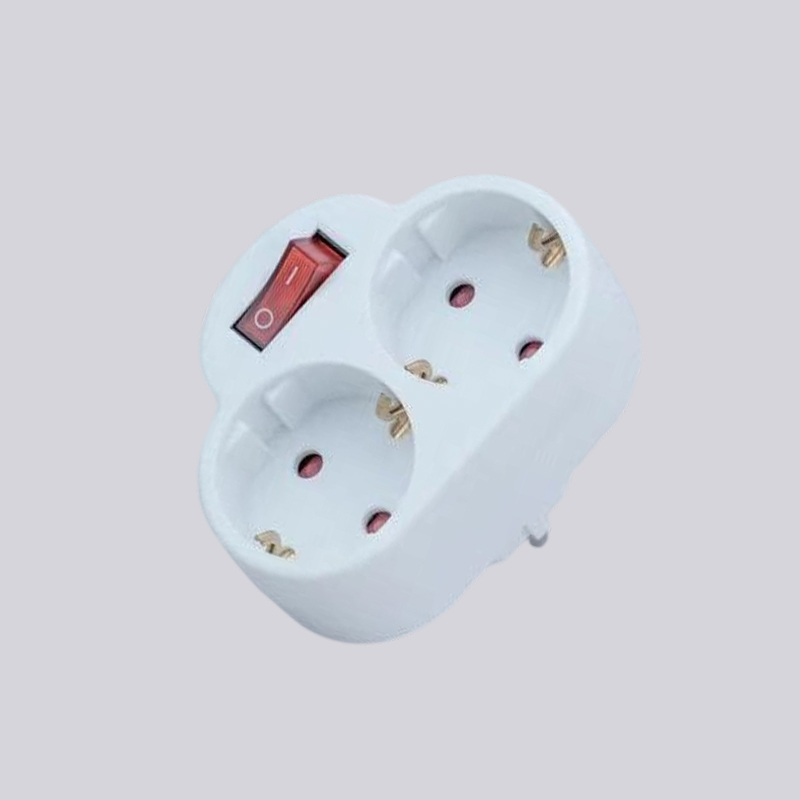
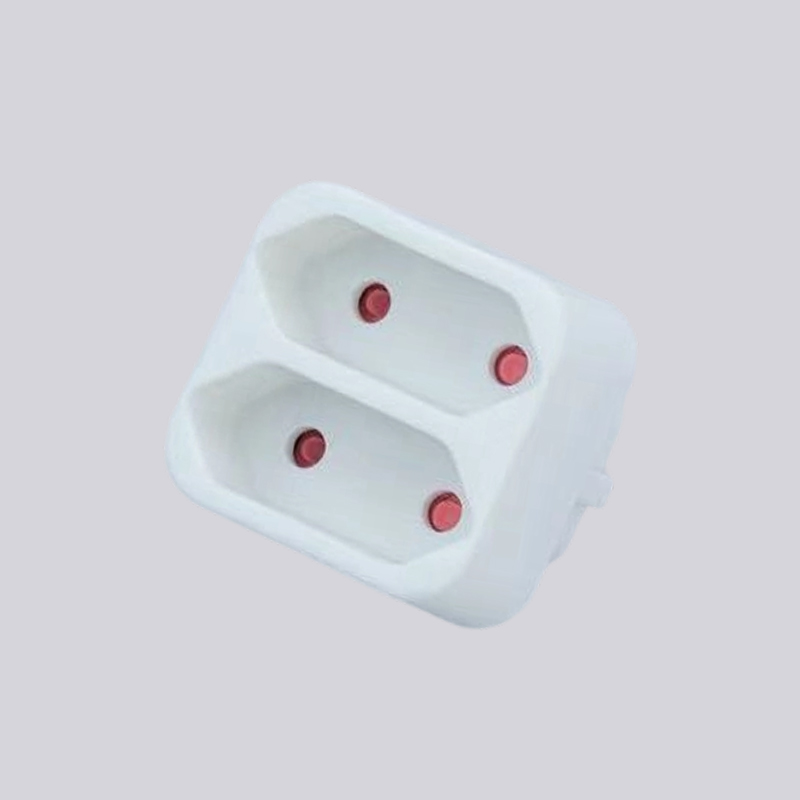
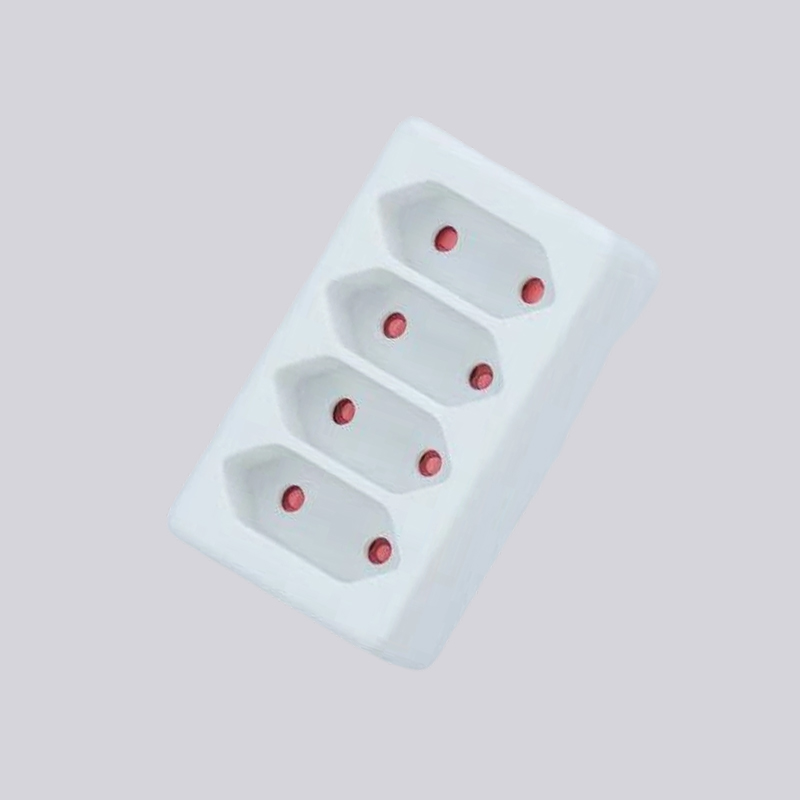
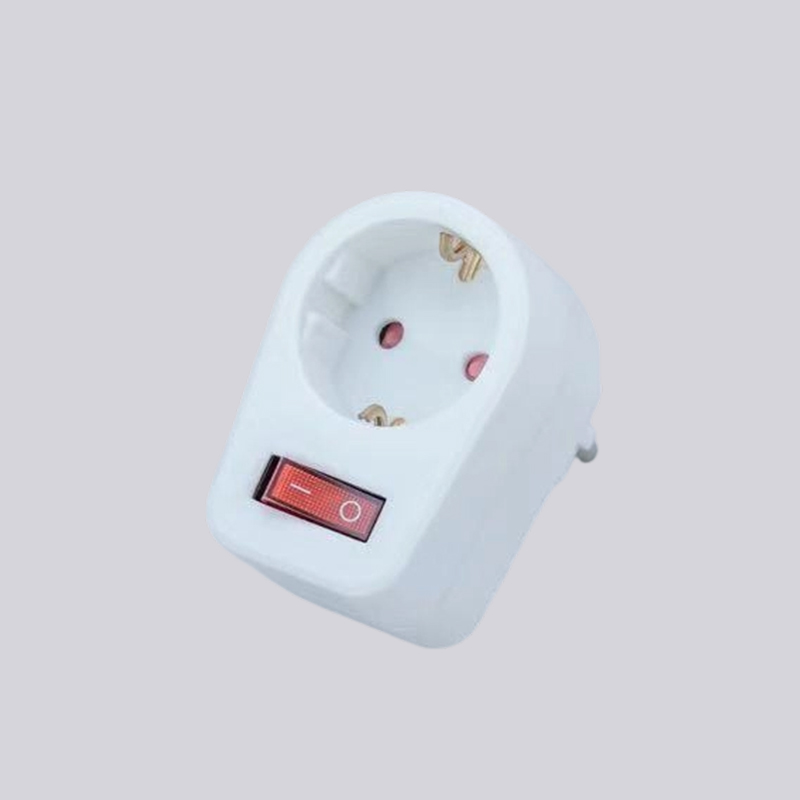


If you are interested in our products, please consult us
- CONTACT DETAILS
- Address : Guanhaiwei East Industrial Zone,Cixi, Ningbo,315314 Zhejiang, P.R.China.
- TEL: helen:+86-15867389889 Young:+86-15958216886 +86-0574-63666678
- Email:[email protected] [email protected]
- Fax:86-0574-63668558
- PRODUCTS
- Power Strip
- Extension Cord
- Cable Reel
- Adapter
- Plug
- QUICK LINK
- Company Profile
- company culture
- Plant equipment
- FAQ
- NEWS CENTER
- Company News
- Industry News
- MOBILE TERMINAL
-