English
  中文简体
中文简体 
Power Outlet Strips & Multi-Device Use: How to Prioritize Safety Standards
 2025.10.17
 Industry News
Content
- What Safety Risks Arise When Using Multiple Devices with a Single Power Outlet Strip?
- What Core Safety Standards Should Power Outlet Strips Meet for Multi-Device Use?
- How to Check if a Power Outlet Strip’s Current and Power Ratings Match Multi-Device Needs?
- What Role Does Surge Protection Play in Power Outlet Strips for Multi-Device Use?
- How to Ensure Proper Installation and Use of Power Outlet Strips with Multiple Devices?
- What Final Tips Help in Selecting a Safe Power Outlet Strip for Multi-Device Use?
What Safety Risks Arise When Using Multiple Devices with a Single Power Outlet Strip?
Using multiple devices (such as laptops, phone chargers, kitchen appliances, or gaming consoles) with one power outlet strip introduces several key safety hazards if the strip lacks proper safety features. The most common risk is overloading: each outlet strip has a maximum current and power rating, and connecting too many high-wattage devices (e.g., a toaster, microwave, and kettle) can exceed this limit, causing the strip’s internal wiring to overheat. Overheating may lead to melted insulation, short circuits, or even electrical fires. Another risk is electrical shock: if the strip’s grounding is faulty or its housing is made of flammable, non-insulating materials, a short circuit could expose users to live wires, resulting in shock. Additionally, poor-quality strips may have loose socket connections, which generate sparks when devices are plugged in or out—these sparks can ignite nearby flammable items (like paper or curtains). For example, a strip without overload protection used to power a space heater, a printer, and a lamp simultaneously could easily overheat and pose a fire risk.
What Core Safety Standards Should Power Outlet Strips Meet for Multi-Device Use?
Power outlet strips intended for multi-device use must comply with several critical safety standards to mitigate risks. First is overload protection: the strip should be equipped with a built-in circuit breaker or fuse that automatically cuts off power when the current exceeds the strip’s rated capacity (typically marked as “max current” in amps or “max power” in watts). This prevents overheating and fire. Second is grounding (earthing) compliance: strips with three-prong outlets must have a proper grounding wire connected to the main electrical system. Grounding redirects excess current to the earth in case of a short circuit, protecting users from electric shock. Third is insulation and material safety: the strip’s housing should be made of flame-retardant materials (e.g., polycarbonate) that resist melting or catching fire when exposed to high temperatures. The internal wiring should also be insulated with heat-resistant materials to prevent short circuits. Fourth is socket safety: sockets should have child-proof shutters (to prevent accidental insertion of foreign objects) and secure contact points that hold plugs tightly, reducing sparking and loose connections. Many regions also require strips to meet national or international safety certifications, which verify that the product has undergone rigorous testing for these standards.
How to Check if a Power Outlet Strip’s Current and Power Ratings Match Multi-Device Needs?
Matching the outlet strip’s current and power ratings to the total demand of connected devices is essential to avoid overloading—and it starts with understanding key labels. First, locate the strip’s rated current (usually 10A, 13A, or 16A) and rated power (calculated as voltage × current; e.g., 220V × 10A = 2200W for most household circuits). Next, calculate the total power consumption of all devices you plan to connect: check each device’s label for its power rating (in watts) or current draw (in amps), then add these together. For example, if you want to power a 60W lamp, a 150W laptop charger, and a 1200W space heater, the total power is 60 + 150 + 1200 = 1410W—so a strip with a 2200W (10A) rating is sufficient. However, if you add a 1000W microwave, the total becomes 2410W, which exceeds the 2200W limit, requiring a strip with a higher rating (e.g., 13A/2860W). Never assume a strip can handle more than its rated capacity: even if it has multiple sockets, overloading will still occur if the total power exceeds the limit.
What Role Does Surge Protection Play in Power Outlet Strips for Multi-Device Use?
Surge protection is a critical safety feature for outlet strips used with multiple devices, especially for sensitive electronics like computers, TVs, or smartphones. Electrical surges (sudden spikes in voltage) can occur due to lightning strikes, power grid fluctuations, or the startup/shutdown of large appliances (e.g., refrigerators or air conditioners). These surges can damage or destroy connected devices by overwhelming their internal circuits. A surge-protected outlet strip uses a component called a metal-oxide varistor (MOV) to absorb excess voltage during a surge, diverting it away from connected devices. For multi-device use, surge protection is even more important because a single surge can damage multiple expensive devices at once. When choosing a surge-protected strip, look for its surge protection rating (measured in joules)—a higher joule rating (e.g., 1000J or more) means the strip can absorb more surge energy before failing. Also, check for an indicator light that confirms the surge protection is active: if the light goes out, the MOV has worn out, and the strip should be replaced to maintain safety.
How to Ensure Proper Installation and Use of Power Outlet Strips with Multiple Devices?
Even a safety-compliant outlet strip can pose risks if installed or used incorrectly—so following proper practices is key. First, avoid daisy-chaining: never connect one outlet strip to another (or to an extension cord) to add more sockets. Daisy-chaining increases the total resistance in the circuit, leading to overheating and a higher fire risk. Second, position the strip safely: keep it away from water sources (e.g., sinks, bathtubs) and flammable materials (e.g., curtains, rugs). Do not place heavy objects on the strip, as this can damage internal wiring or loosen sockets. Third, inspect the strip regularly: check for signs of damage, such as frayed cords, cracked housing, loose sockets, or discoloration (a sign of overheating). If any damage is found, stop using the strip immediately. Fourth, unplug unused devices: even if a device is turned off, it may still draw a small amount of current (“phantom power”), which adds to the strip’s total load over time. Unplugging unused devices reduces the risk of overloading and saves energy. Finally, avoid using high-wattage devices with low-rated strips: devices like space heaters, microwaves, or electric kettles should only be used with strips rated for their power needs—never with small, low-amperage strips designed for phone chargers or lamps.
What Final Tips Help in Selecting a Safe Power Outlet Strip for Multi-Device Use?
Selecting a safe outlet strip for multi-device use requires a combination of checking safety features, matching ratings to needs, and avoiding common pitfalls. Start by prioritizing strips with visible safety certifications (look for labels from recognized testing organizations, which indicate compliance with national safety standards). Next, confirm the strip has overload protection (circuit breaker or fuse) and, if needed, surge protection (with a clear joule rating). Calculate the total power of your devices and choose a strip with a rated power that exceeds this total (leave a small buffer to avoid operating at maximum capacity). Inspect the strip’s physical build: the housing should feel sturdy and flame-retardant, and sockets should have tight, secure connections. Avoid strips with overly thin cords (which can overheat) or too many sockets for their size (a sign of potential internal wiring shortcuts). Finally, remember that no strip is “indestructible”—even the safest models require proper use and regular inspection. By following these steps, you can select a strip that protects both your devices and your home when using multiple devices simultaneously.
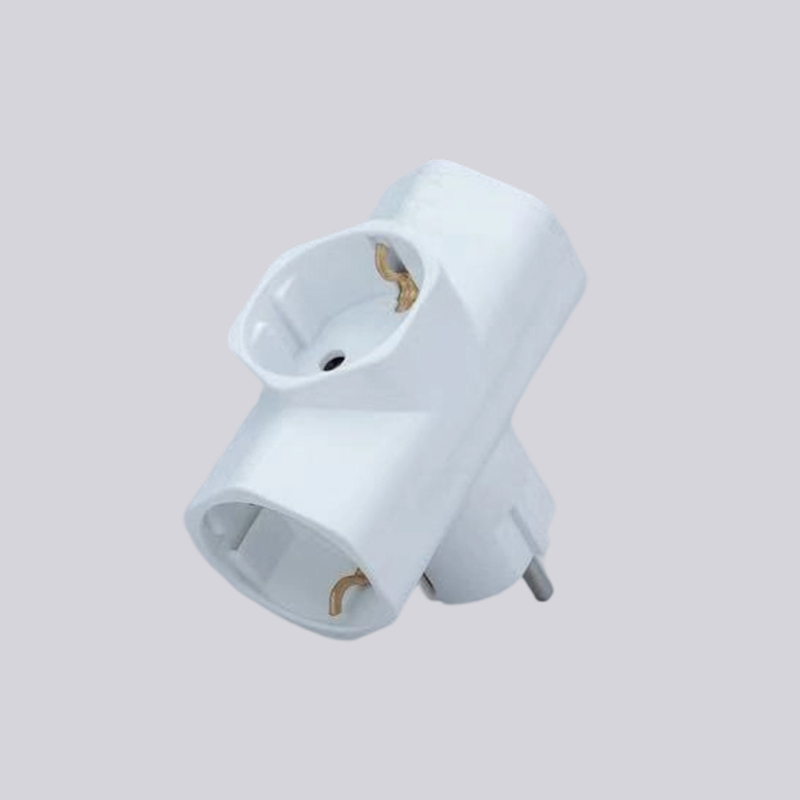
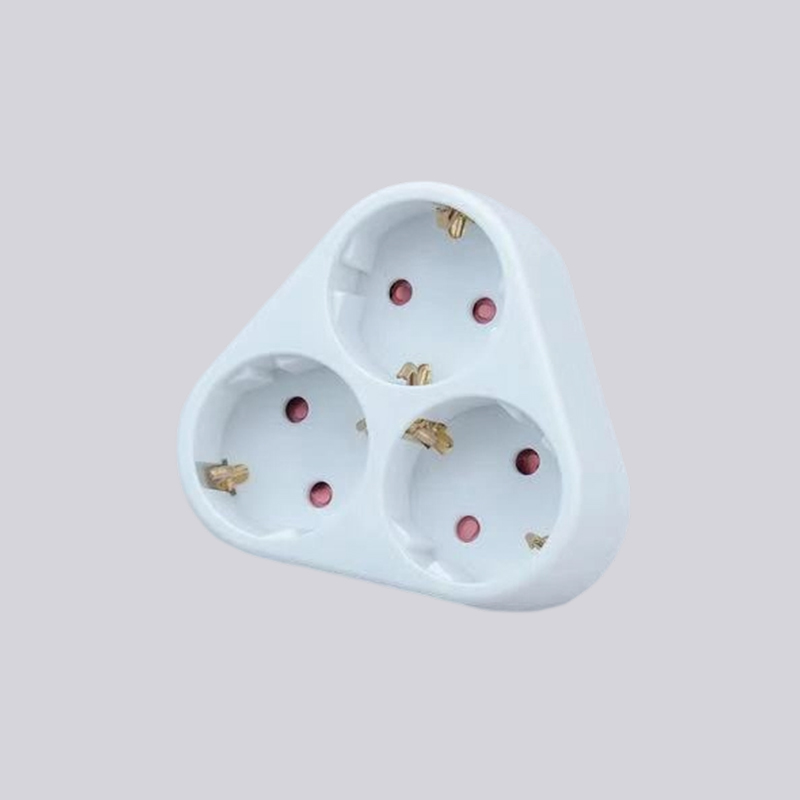
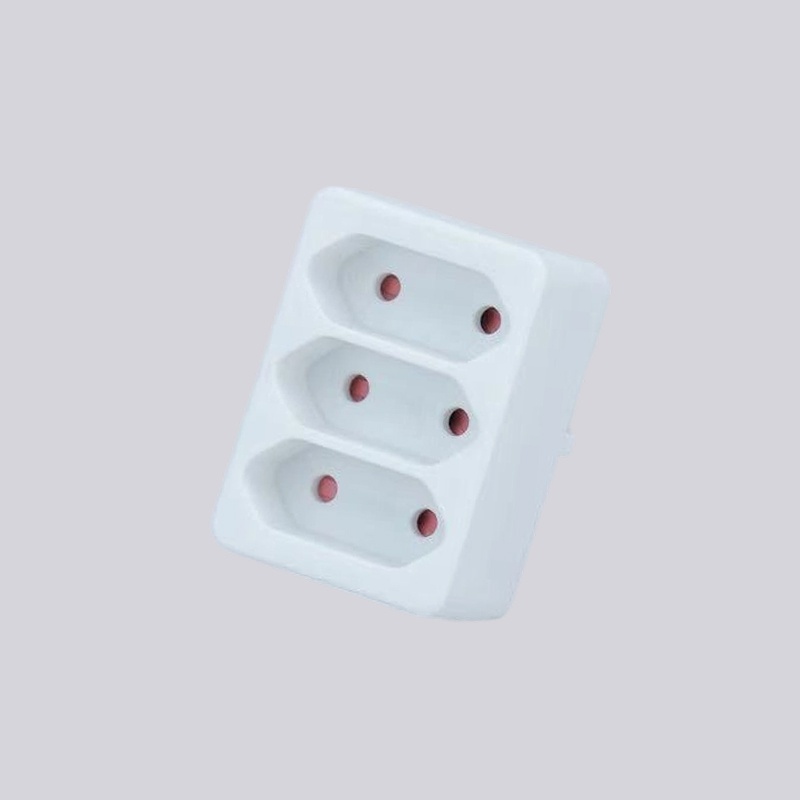
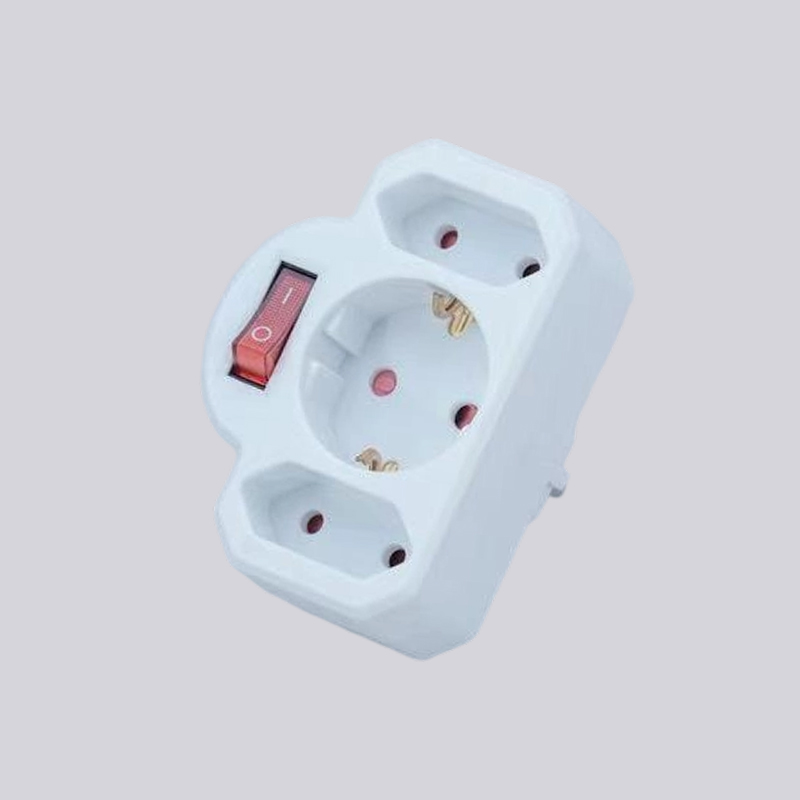
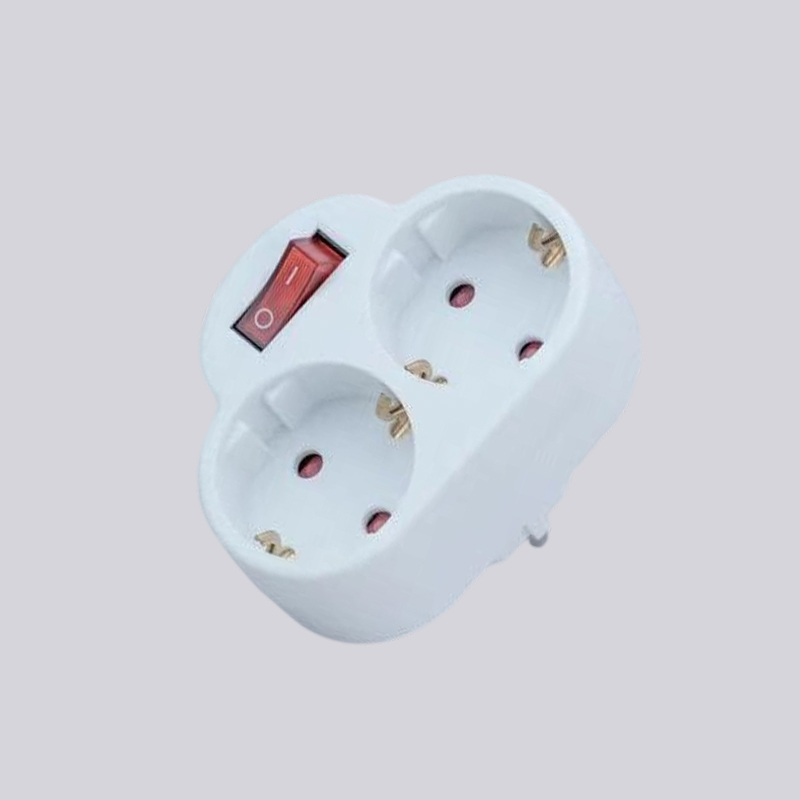
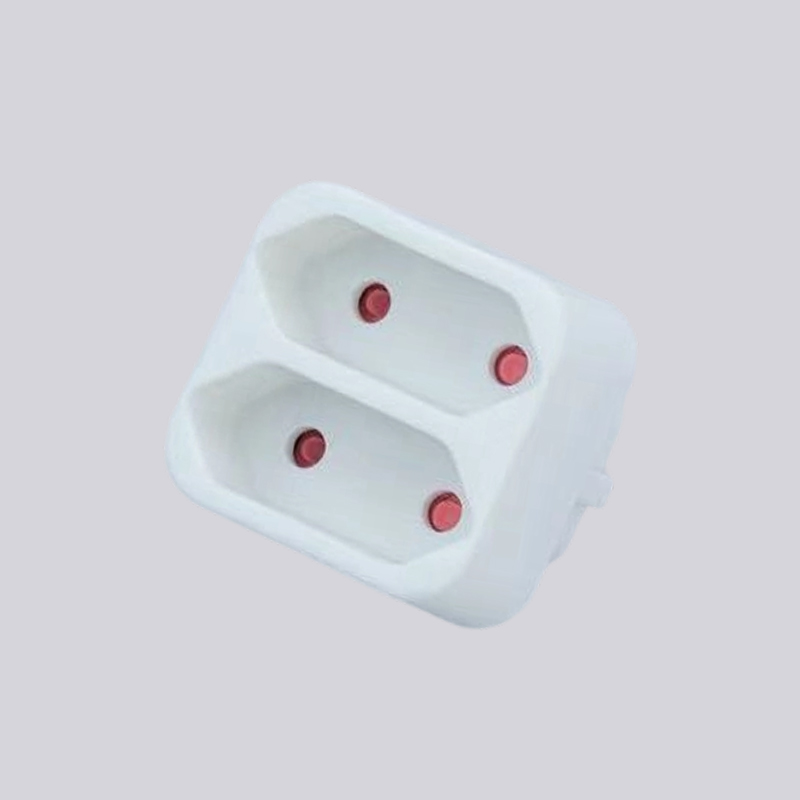
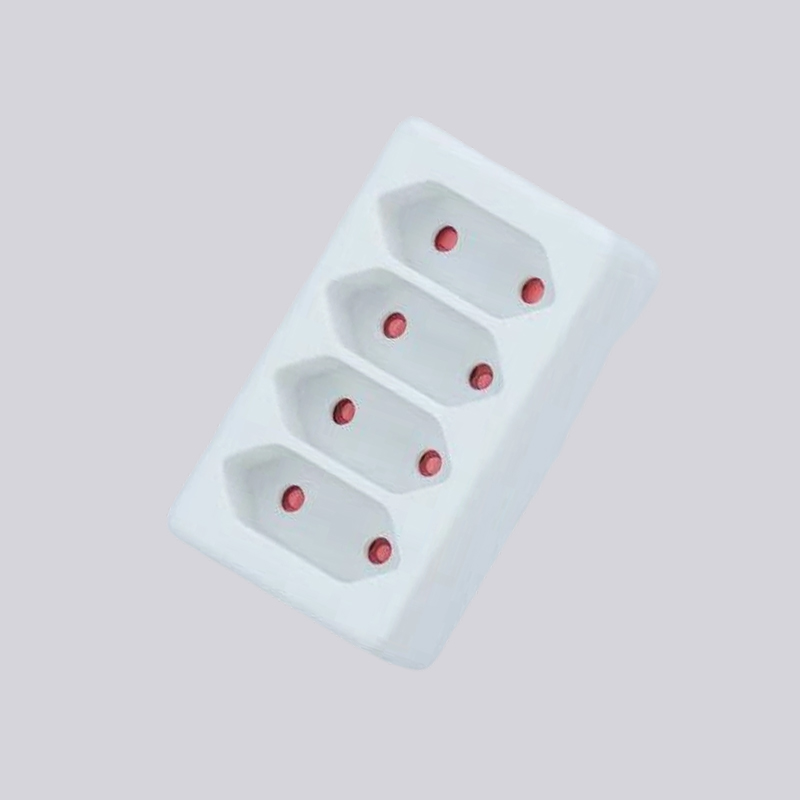
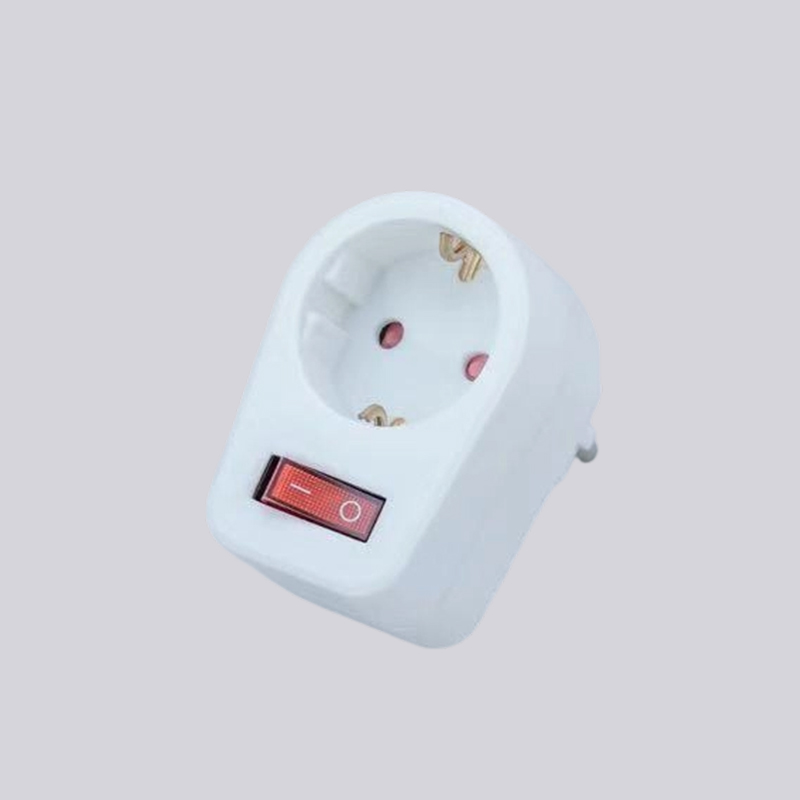
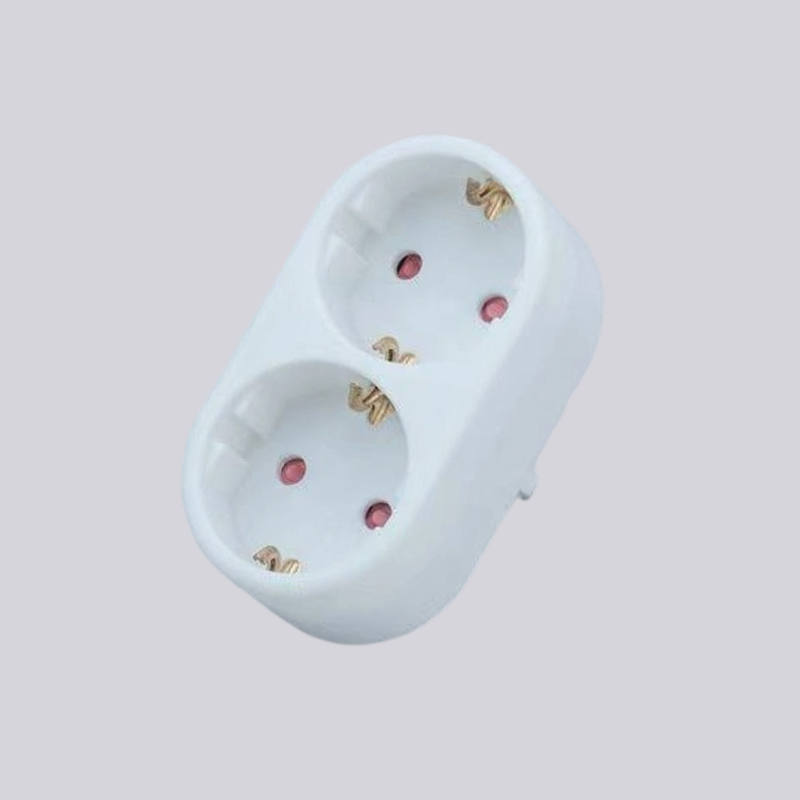
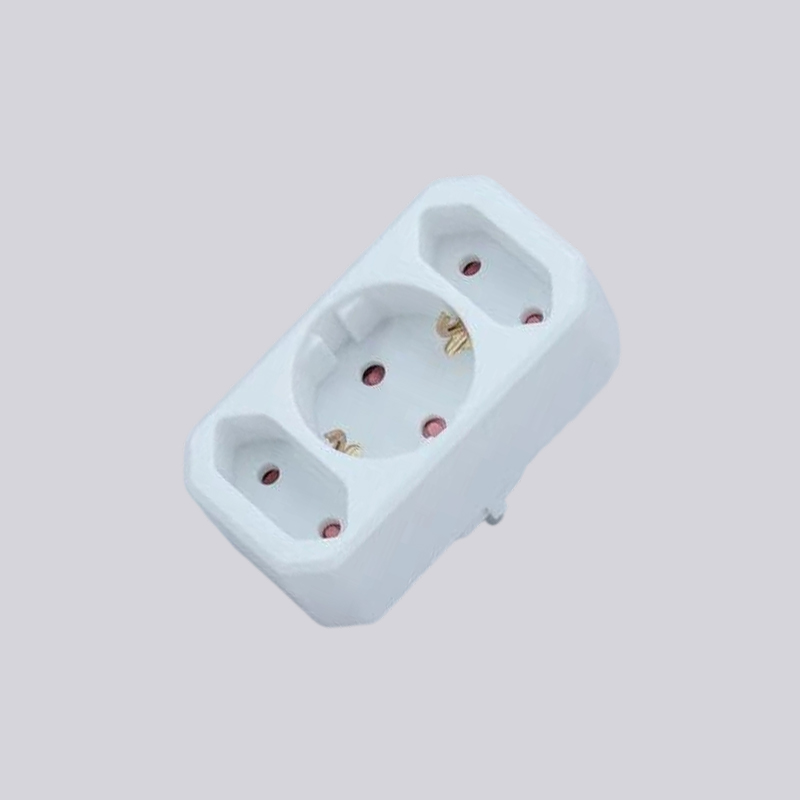

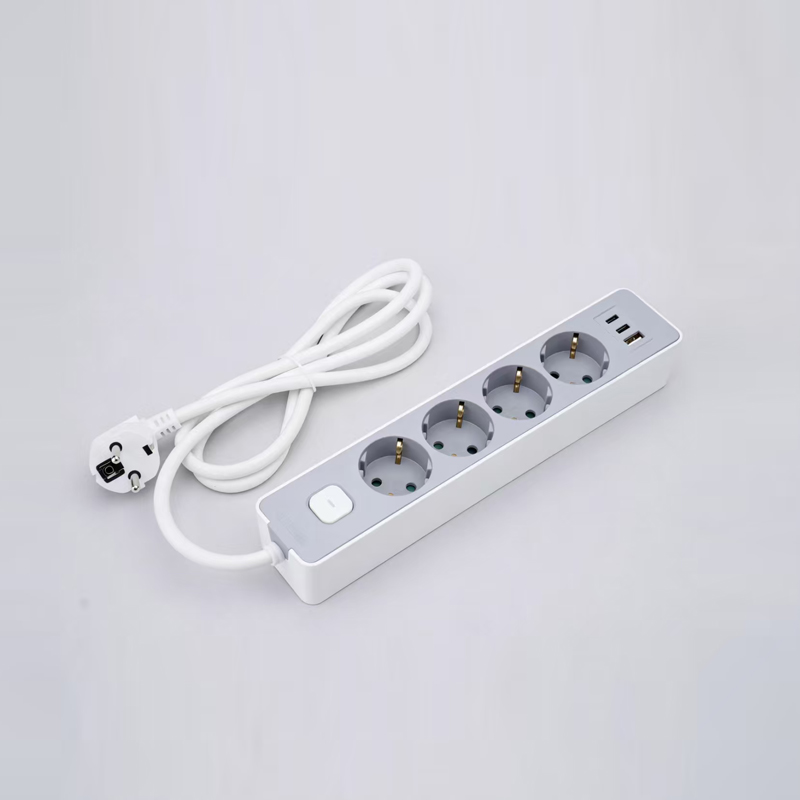

If you are interested in our products, please consult us
- CONTACT DETAILS
- Address : Guanhaiwei East Industrial Zone,Cixi, Ningbo,315314 Zhejiang, P.R.China.
- TEL: helen:+86-15867389889 Young:+86-15958216886 +86-0574-63666678
- Email:[email protected] [email protected]
- Fax:86-0574-63668558
- PRODUCTS
- Power Strip
- Extension Cord
- Cable Reel
- Adapter
- Plug
- QUICK LINK
- Company Profile
- company culture
- Plant equipment
- FAQ
- NEWS CENTER
- Company News
- Industry News
- MOBILE TERMINAL
-