English
  中文简体
中文简体 
Comprehensive Guide to European Power Strips
 2025.09.11
 Industry News
1. Basic Definition and Structure of a European Power Strip
A European power strip is a power extension device designed specifically for Europe. It converts a single electrical outlet into multiple outlets, allowing simultaneous power supply to multiple electronic devices. Its design complies with European electrical standards and safety regulations, ensuring user safety and convenience.
Basic Structure
A European power strip typically consists of an outer shell, internal conductive material, sockets, a switch, and an overload protection device. The outer shell is typically made of flame-retardant materials (such as PC/ABS alloy) with excellent heat and impact resistance. The internal conductive material is often copper alloy, ensuring excellent conductivity and durability. The sockets are designed to comply with European standards, with Schuko (German) and French (French) types being common. In addition, many power strips are equipped with a switch and indicator light for convenient user control of power status.
Socket Types
European power strips have two main socket types:
Schuko socket (CEE 7/4 standard): Commonly found in countries such as Germany, Austria, and the Netherlands, it features a round socket with a ground terminal. French plug (CEE 7/5 standard): Common in countries like France and Belgium, this plug is round, but the ground terminal is a protruding metal bar.
Some European power strips are also compatible with other plug types, such as Type E (French standard) and Type F (German standard), to accommodate different countries' requirements.
Internal Structure
The internal structure of a power strip includes conductive strips, solder points, and overload protection. The conductive strips are typically made of phosphor bronze or pure copper, ensuring low resistance and high conductivity. Overload protection devices (such as fuses or circuit breakers) automatically shut off power when the current exceeds the rated value, preventing equipment damage or fire.
Design and Materials
European power strips are designed with practicality and safety in mind. The outer shell material must meet flame-retardant standards (such as UL94 V-0), and the internal conductive material must meet high conductivity and corrosion resistance requirements. Furthermore, the size and weight of the power strip are optimized for portability and storage.
2. European Power Strip Technical Specifications and Electrical Parameters
The technical specifications and electrical parameters of European power strips strictly adhere to European electrical standards to ensure safety and compatibility. The following are their key specifications and electrical parameters:
Rated Voltage and Frequency
The rated voltage of European power strips is typically 230V and the frequency is 50Hz. This complies with the electrical grid standards of most European countries, ensuring proper operation without damage to equipment due to voltage or frequency mismatches.
Rated Current
The rated current is a core parameter of a power strip, with 10A, 13A, and 16A being common. Power strips with different rated currents are suitable for devices with different power draws. For example:
10A power strip: Suitable for devices with a total power draw of no more than 2300W.
13A power strip: Suitable for devices with a total power draw of no more than 2990W.
16A power strip: Suitable for devices with a total power draw of no more than 3680W.
Users should select the appropriate rated current based on their actual needs to avoid overloading. Number and Spacing of Outlets
European power strips typically have three to six outlets, with standard spacing (e.g., at least 42mm) to ensure that different plugs do not interfere with each other when used simultaneously. Some power strips also feature USB ports for convenient mobile device charging.
Cable Length and Specifications
Common cable lengths for power strips are 1.5 meters, 2 meters, and 3 meters. Users can choose the appropriate length based on their usage. Cable specifications must comply with European standards (e.g., H05VV-F or H07RN-F) to ensure they can withstand the rated current without overheating.
Electrical Safety Parameters
European power strips must meet the following electrical safety parameters:
Insulation resistance: ≥100MΩ (500V DC test condition).
Dielectric strength: ≥2000V AC (1 minute test condition).
Ground resistance: ≤0.1Ω.
These parameters ensure the safety of the power strip during both normal use and abnormal conditions.
Compatibility
European power strips are compatible with a variety of plug types, including:
Type C (Europlug): Suitable for most European countries.
Type E (French): Suitable for countries such as France and Belgium.
Type F (Schuko): Suitable for countries such as Germany and Austria.
Some power strips also support Type G (UK) or Type J (Swiss) plugs, but these require an adapter.
3. European Power Strip Safety Standards and Certification System
The European power strip safety standards and certification system are rigorous and comprehensive, ensuring that products meet safety requirements during design, manufacturing, and use. The following are the main safety standards and certifications:
European Safety Standards
EN 60884-1: General requirements for plugs and socket-outlets for household and similar purposes.
EN 60884-2-5: Specific requirements for portable power strips.
EN 60669-1: General requirements for switchgear.
EN 61058-1: Safety requirements for switches for electrical appliances.
These standards cover the mechanical, electrical, and fire performance characteristics of power strips, ensuring their safety and reliability.
Certification Marks
European power strips must bear the following certification marks before they can be marketed:
CE Mark: Indicates that the product complies with European health, safety, and environmental standards.
GS Mark (Geprüfte Sicherheit): A German safety certification that indicates the product has been tested by an independent organization.
VDE Mark (Verband der Elektrotechnik): A certification issued by the German Association of Electrical Engineers, indicating that the product complies with electrical safety standards. NF Mark (Norme Française): Certified by the French Institute of Standards, applicable to the French market.
These certification marks are important considerations for users when purchasing.
Fire Resistance and Flame Retardancy
The outer shell material of European power strips must meet flame retardant standards (such as UL94 V-0) to ensure that it will not catch fire under high temperatures or short circuit conditions. Furthermore, the internal conductive material must be heat-resistant to prevent fires caused by overheating.
Overload and Short-Circuit Protection
European power strips are typically equipped with overload protection devices (such as fuses or circuit breakers) that automatically shut off power when the current exceeds the rated value. Short-circuit protection is achieved through a fast-acting mechanism to prevent equipment damage or safety accidents.
Child-Safe Design
Many European power strips feature child-safe doors to prevent children from inserting foreign objects into the sockets. Furthermore, the shielded design and insulating materials of the sockets further enhance safety.
4. Is the overload protection function of the European Power Strip important?
Overload protection is an integral core safety feature in the design of European power strips. Its importance lies in its ability to effectively prevent electrical fires, protect connected devices from damage, and ensure user safety. From technical principles to practical applications, this function constitutes a key component of modern electrical safety systems.
4.1 The Fundamental Role and Necessity of Overload Protection
Overload refers to a condition in which the current flowing through a circuit continuously exceeds its design rating (such as 10A, 13A, or 16A). Overload causes conductors (copper bars, wires) and connections to generate excessive heat due to the Joule effect. The risks are gradual and cumulative:
Insulation aging and melting: The wires and components inside power strips are typically covered with insulating materials (such as PVC). Long-term or severe overloads can cause the insulation to heat up continuously, accelerating aging, becoming brittle, or even melting, thereby losing its insulating function.
Fire Risk: Excessive temperatures can ignite the plastic casing of the power strip or surrounding combustible materials, making it a major cause of electrical fires.
Equipment Damage: An overload condition can result in a voltage drop and abnormal current flow. This can put stress on the power adapters of sensitive electronic devices (such as laptops, smartphones, and speakers). Long-term exposure can shorten the lifespan of the devices and even cause them to fail.
Electric Shock Risk: If insulation failure due to overheating exposes live components, the risk of electric shock to the user increases significantly.
Therefore, the core necessity of overload protection is to proactively interrupt the abnormal current loop, cutting off power before the aforementioned risk chain occurs and nipping the danger in the bud.
4.2 Technical Implementation of Overload Protection Mechanisms
European power strips primarily implement overload protection through two technical approaches:
Disposable Current Fuse:
Working Principle: Its core is a precisely calculated length of fusible alloy wire connected in series with the circuit. When the current exceeds its rated value and persists for a certain period of time, the alloy wire overheats and melts, physically disconnecting the circuit. Characteristics: This is a one-time protection device. After a fuse blows, it must be replaced with a fuse of the same specification before it can be restored to service. Its operating characteristics (melting time-current curve) are fixed.
Applications: Commonly found in economy or compact power strips. Its advantages are low cost and simple construction; disadvantages are troublesome recovery and loss of protection if the user mistakenly replaces the fuse with a larger rating.
Resettable Circuit Breaker:
Operating Principle: This is a switching device that integrates sensing and actuation mechanisms. Modern power strips typically use a thermal-magnetic trip unit:
Thermal protection (Bimetal Strip): This protects against long-term, moderate overloads by utilizing the principle of thermal bending of a bimetallic strip. When the current is too high, the bimetallic strip heats up and slowly bends, eventually triggering a mechanical mechanism to trip the switch. This protection has an inverse time characteristic, meaning that the greater the overload current, the shorter the trip time.
Solenoid protection: This protects against severe, momentary overloads or short circuits by utilizing electromagnetic principles. The strong magnetic field generated by the extremely high current instantly attracts the armature, causing the trip mechanism to quickly trip, with a response time in milliseconds.
Features: After tripping, power can be manually restored by pressing the reset button after cooling (thermal operation) or the fault has been eliminated, eliminating the need for component replacement, making it more convenient and safer.
Application: This has become a standard feature on mid- to high-end European power strips and is the preferred overload protection solution.
4.3 Compliance of Overload Protection with Relevant Standards
In Europe, power strips with overload protection must comply with a series of stringent safety standards that specify the performance requirements for the protection devices:
IEC 60884-1 / EN 60884-1: This standard specifies general requirements for household power strips, including limits on the current carrying capacity and temperature rise of internal circuits.
IEC 61009-1 / EN 61009-1: This standard applies to residual current devices (RCBOs) with overcurrent protection, but the requirements for overcurrent protection are for reference only. Requirements of Certification Bodies: Certification bodies such as VDE (Germany), NF (France), and BSI (UK) conduct additional testing on power strips with overload protection to ensure their reliability and consistency in real-world use. For example, these tests simulate the operating time under varying overload conditions to ensure that they reliably disconnect the circuit within the time specified by the standard.
A power strip with overload protection bearing the CE, VDE, or GS mark indicates that the performance of its protective device has been verified by an independent third-party organization.
4.4 Key Considerations in Practical Applications
User Education and Warning Labels: Even if a power strip is equipped with overload protection, users must understand its power rating limitations. For example, for a 10A power strip labeled "MAX 2300W 230V~," users should calculate the total power draw of connected devices (W = V × A) and allow for an appropriate margin. The protector should not be relied upon as a "safety net" for routine operation, as frequent tripping indicates improper use.
Limitations of Protective Devices: An overload protector primarily protects the power strip itself and the circuitry from overheating. While it can indirectly protect connected equipment, surge protectors (SPDs) are required for additional protection against more severe surges, spikes, or lightning strikes.
Environmental factors: The operation of protective devices can be affected by ambient temperature. In hot environments, a thermal circuit breaker may trip earlier; in cold environments, it may trip later.
5. Can European power strips be checked or carried in carry-on baggage?
Regulation regarding the air transport of European power strips hinges on whether they contain lithium batteries and the safety regulations of national aviation regulators and international organizations. This is a highly standardized issue concerning flight safety and cannot be answered with a simple "yes" or "no" answer. It requires a rigorous analysis based on technical specifications and safety principles.
5.1 Core Regulations: Guidelines from the International Civil Aviation Organization (ICAO) and the International Air Transport Association (IATA)
Global air transport safety regulations primarily follow the standards set by the International Civil Aviation Organization (ICAO). Based on these standards, the International Air Transport Association (IATA) has developed the more practical Dangerous Goods Regulations (DGR), which are adopted by the vast majority of airlines worldwide.
According to the IATA DGR:
Ordinary power strips without lithium batteries are considered standard electronic device accessories and can generally be carried in both checked and carry-on baggage. The risk level is lower, but the final decision rests with individual airlines.
Power strips containing lithium batteries (such as those with USB charging ports): This is the core of the regulations and a source of complexity. Lithium batteries are classified as Class 9 dangerous goods because they pose a fire risk under certain conditions (such as short circuit, damage, and overheating). The cargo hold (where checked baggage is located) presents an even higher risk: pressure changes, temperature fluctuations, potential mechanical shock, and the inability to detect and extinguish a fire in its early stages make the consequences of a lithium battery fire in the cargo hold extremely serious. Therefore, IATA stipulates:
"Spare lithium batteries with a rated energy of no more than 100Wh (including devices with built-in batteries) should be carried on board and are strongly discouraged in checked baggage."
For power strips with USB ports, the built-in lithium batteries are typically small and rated far below 100Wh, so they must be carried on board.
5.2 Transportation Classification and Requirements for Different Socket Strip Types
| Power Strip Type | Contains Lithium Battery | Recommended Transport Method | Basis and Explanation |
|---|---|---|---|
| Traditional power strip without USB ports | No | Can be checked in or carried onboard | Considered ordinary electronic products without special restrictions. However, carrying them onboard is recommended to prevent damage and theft. |
| Power strip with USB ports (without built-in battery) | No | Can be checked in or carried onboard | The USB ports only provide 5V DC output converted from AC power, with no internal energy storage device. However, security checks may require additional inspection for confirmation. |
| Power strip with USB ports (with built-in battery) | Yes | Must be carried onboard; strictly prohibited in checked luggage | The built-in battery enables the "power bank" function (charging without being connected to a power source). Its transport regulations are exactly the same as those for power banks. |
| Power strip with surge protection function | Generally no | Can be checked in or carried onboard | However, it may contain components such as small gas discharge tubes, which may appear unusual under X-ray screening. Carrying it onboard is recommended for easier explanation to security personnel. |
5.3 Airline Practices and Security Processes
While international regulations exist, individual airlines have the right to set stricter regulations than those set by IATA. For example:
Lufthansa: It explicitly states that power strips are permitted in checked or carry-on baggage, but specifically emphasizes that "power strips containing lithium ions must be carried on board."
Ryanair: Power strips are permitted, but there are strict size and quantity restrictions on the number of lithium battery devices allowed.
Emirates: Its dangerous goods regulations explicitly prohibit spare lithium batteries in checked baggage.
Security Check Notes:
Separately Remove for Inspection: Whether checked or carry-on, it is recommended that you remove the power strip from your bag and place it in a separate baggage bin when going through the X-ray machine at security. This will facilitate easier inspection by security personnel and improve clearance efficiency.
Be prepared to explain: Complex power strips (especially those with surge protection modules and USB circuitry) may appear unusual on X-ray images, and security personnel may request to open the bag for inspection. Passengers should simply cooperate. Ensure the integrity of the power strip: Regardless of the mode of transport, ensure the power strip casing is intact, the cables are not exposed, and the plug is not deformed. An electrical device that appears damaged is more likely to alert security personnel.
5.4 Why are the rules so strict? — The safety rationale behind them
The prohibition of power strips containing lithium batteries from checked baggage and the requirement for carry-on luggage is based on a deep safety engineering logic:
Risk Mitigation: The cabin environment is controllable and monitorable. In the event of smoke or fire from a lithium battery, crew members and passengers will be able to detect it immediately and quickly deal with it using dedicated fire extinguishers (usually Halon 1211 or new environmentally friendly fire extinguishers) in the cabin, minimizing the risk.
Consequence Management: In contrast, the cargo hold is unmanned and difficult to intervene immediately. While modern aircraft cargo holds have smoke detection and automatic fire extinguishing systems, their effectiveness is still limited compared to the immediate manual response in the passenger cabin. A lithium battery pack catching fire in the cargo hold could potentially develop into an uncontrollable fire, ultimately endangering aircraft safety. Historically, there have been numerous aviation incidents suspected or confirmed to have been caused by lithium batteries in checked baggage.
6. What's the most practical number of outlets when purchasing a European power strip?
Outlet count is a key factor to consider when purchasing a European power strip. Here's a detailed analysis:
Common Outlet Counts
European power strips typically have 3 to 6 outlets, with some models having more. Different numbers of outlets are suitable for different scenarios:
3-outlet strips: Suitable for simple settings, such as office desks or nightstands.
4-outlet strips: Balance space and practicality, suitable for most home and office environments.
5-outlet strips or higher: Suitable for scenarios where multiple devices are used simultaneously, such as conference rooms or entertainment centers.
Practicality Analysis
When choosing the number of outlets, consider the following factors:
Use Scenario:
Home use: Typically, 4-6 outlets are needed to accommodate the simultaneous use of a TV, game consoles, charging devices, etc. Office Use: 3-4 power strips are sufficient for laptops, monitors, desk lamps, and other devices.
Travel Use: Portable power strips are typically designed with 3-4 power strips, balancing portability and practicality.
Outlet Spacing: The more outlets there are, the closer the spacing may be; ensure that plugs do not interfere with each other.
Total Power Limit: The more outlets there are, the more devices can be connected simultaneously, but the total power draw must be within the outlet rating of the outlet strip.
Special Designs
Some power strips feature rotating or folding designs, saving space while providing more outlets. Additionally, outlet strips with USB ports can further reduce the need for traditional outlets.
User Recommendations: Choose the number of outlets based on your needs:
Home users are recommended to choose a 4-6-outlet outlet strip.
Office users are recommended to choose a 3-4-outlet outlet strip.
Travel users are recommended to choose a 3-4-outlet portable outlet strip.
7. Besides Germany and France, which other European countries are compatible with the European Power Strip?
European power strips are designed to comply with the electrical standards of multiple European countries and are therefore compatible with most European countries. Below is a detailed analysis of the compatible countries:
Applicable Countries
European power strips are primarily compatible with the following countries:
Germany: Uses Type F plug (Schuko standard).
France: Uses Type E plug (French standard).
Austria: Uses Type F plug.
Netherlands: Uses Type F plug.
Belgium: Uses Type E plug.
Spain: Uses Type F plug.
Italy: Uses Type L plug (adapter required).
Switzerland: Uses Type J plug (adapter required).
Nordic countries (Denmark, Norway, Sweden, Finland): Uses Type C or Type F plug.
Eastern European countries (Poland, Czech Republic, Hungary): Uses Type E or Type F plug.
Compatibility Note: Although European power strips are designed to be compatible with a wide range of plug types, some countries (such as Italy and Switzerland) may require an adapter for their plug types. Additionally, UK (Type G) and Irish (Type G) plugs are not compatible with European standards and require a dedicated power strip or adapter.
Voltage and Frequency
Most European countries use 230V and 50Hz, which aligns with the rated specifications of European power strips, so there's no need to worry about voltage mismatches.
Travel Tips
For travelers, we recommend:
Choose a power strip that's compatible with Type C, Type E, and Type F plugs.
If traveling to Italy or Switzerland, prepare the appropriate adapters.
Make sure the power strip meets the safety standards of your destination country.
8. European Power Strip Applications
European power strips have a wide range of applications, covering a variety of areas, including home, office, and travel. The following are common applications:
Home Use
In a home environment, power strips are used in the following scenarios:
Living room: Connecting TVs, game consoles, and audio equipment.
Bedroom: Powering devices such as phones, tablets, and desk lamps.
Kitchen: Connecting small appliances such as electric kettles and microwaves.
Study: Powering devices such as computers, printers, and desk lamps.
Office Use
In an office environment, power strips are used in the following scenarios:
Desktop: Connecting laptops, monitors, and phone chargers.
Conference room: Powering projectors, audio equipment, and video conferencing systems.
Server room: Extending power for network equipment and servers.
Travel Use
For travelers, power strips are used in the following scenarios:
Hotel rooms: Extending limited power outlets to charge multiple devices.
Airport lounges: Powering devices such as phones and laptops.
Camping or RV travel: Powering the strip via an inverter or generator. Industrial and Commercial Use
In the industrial and commercial sectors, power strips are used in the following scenarios:
Factory workshops: Powering power tools and testing equipment.
Shopping mall booths: Powering display equipment and lighting.
Outdoor events: Providing temporary power for audio, lighting, and other equipment.
Special Applications
Some specially designed power strips are also used in the following scenarios:
Medical environments: Power strips with isolation transformers are used for medical equipment.
Data centers: Power strips with surge protection and filtering are used for precision equipment.
Educational institutions: Extending power in classrooms or laboratories.
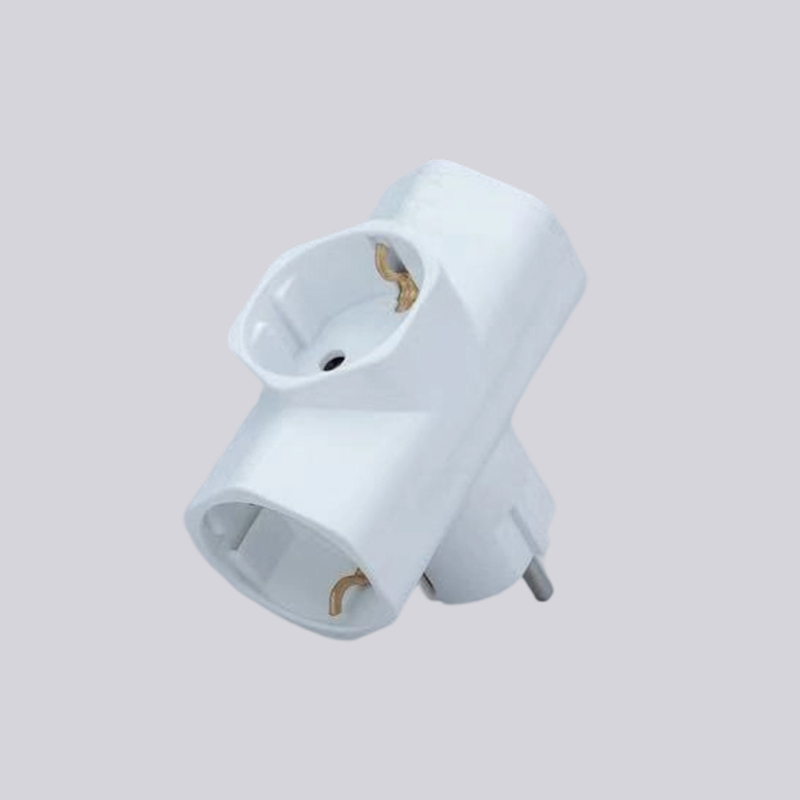
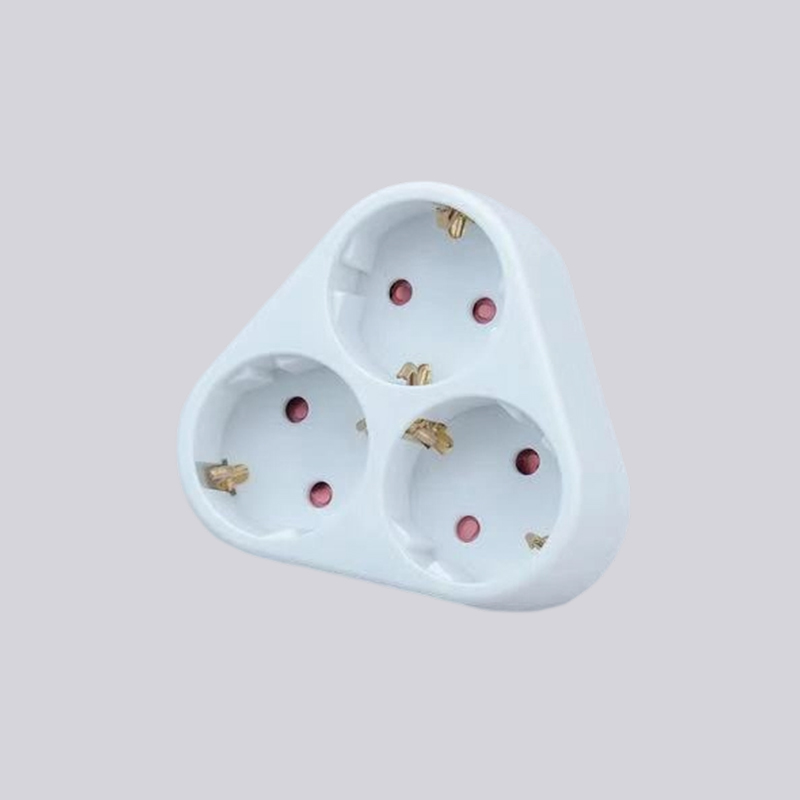
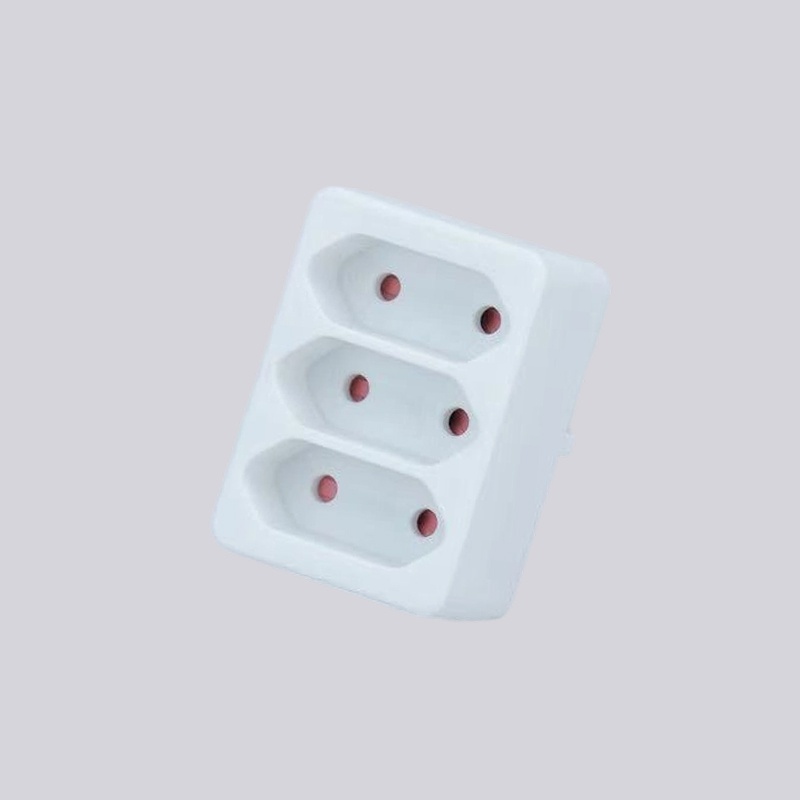
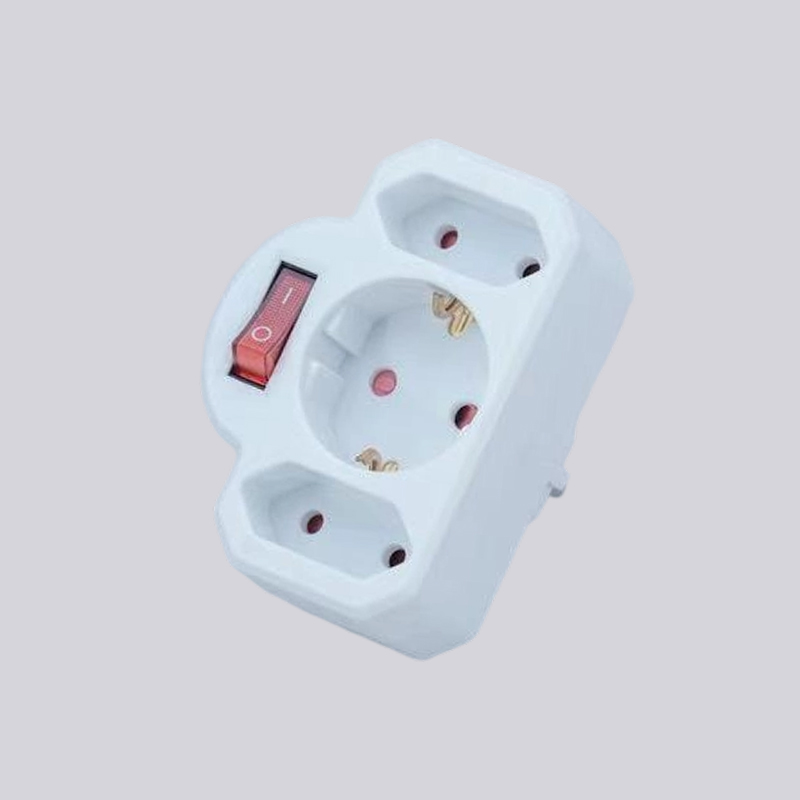
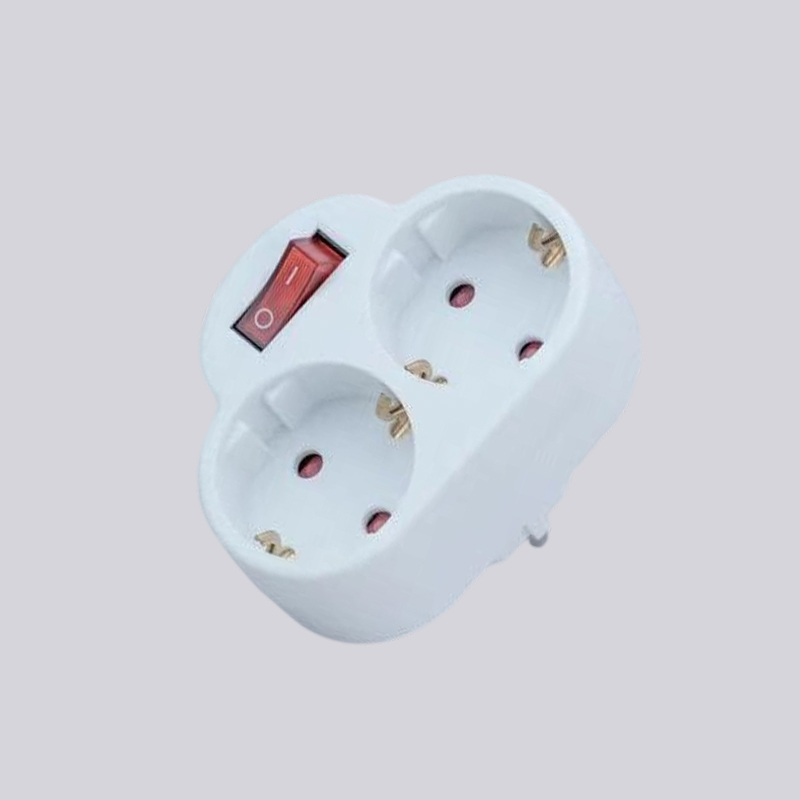
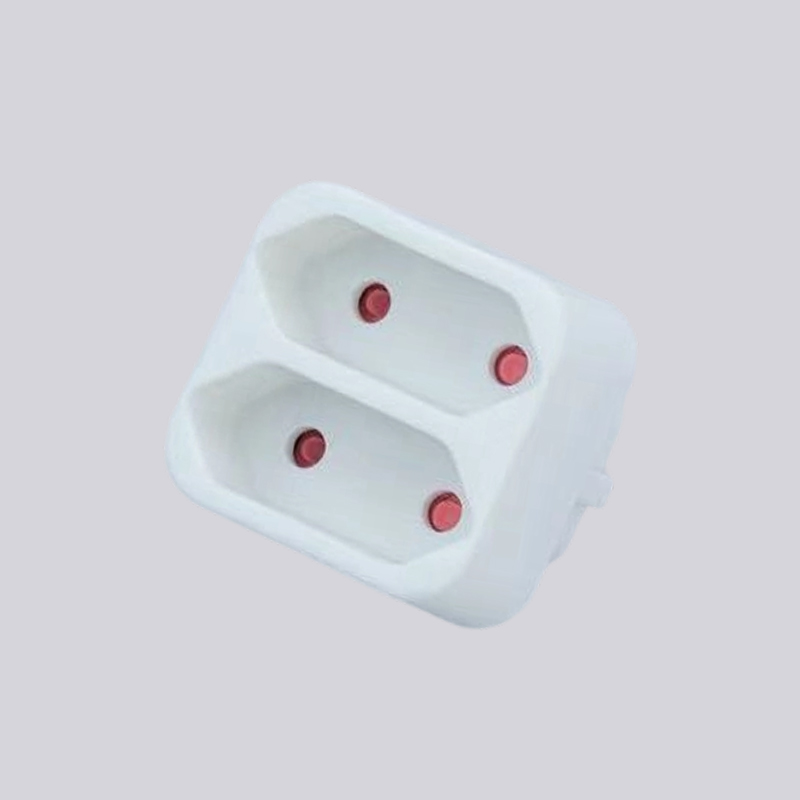
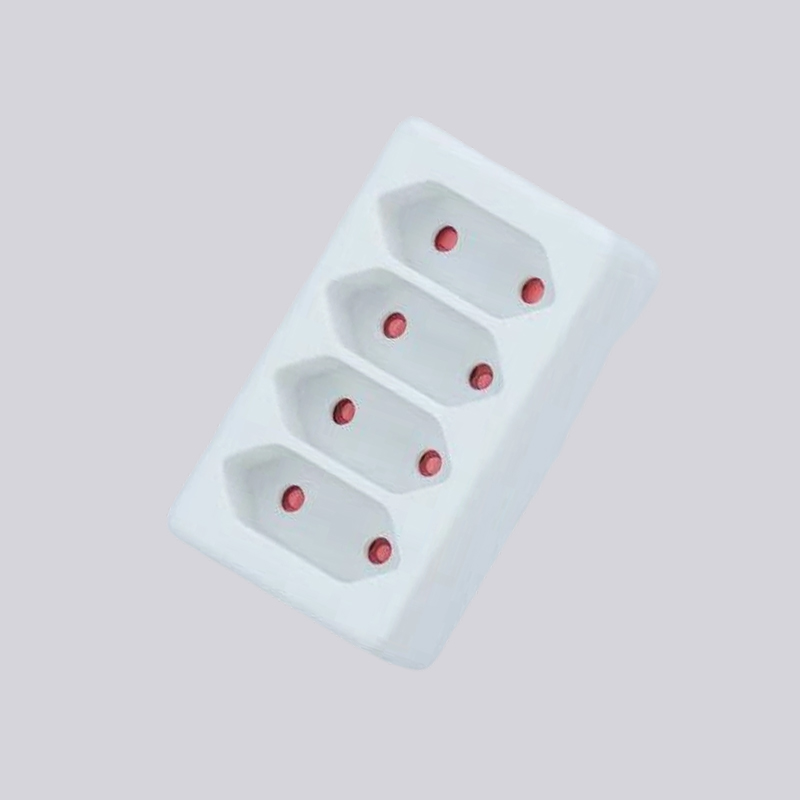
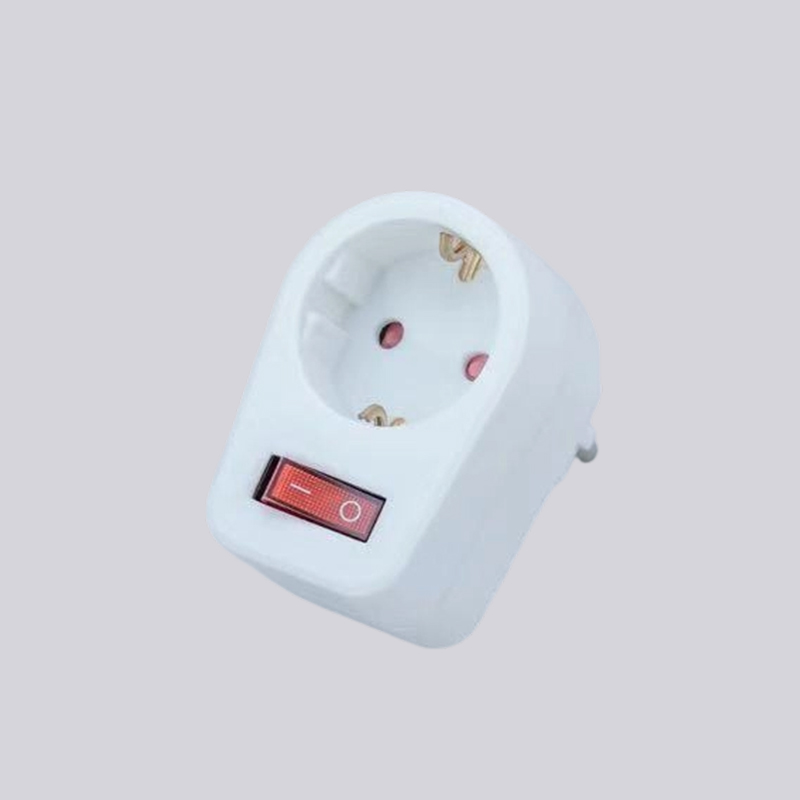
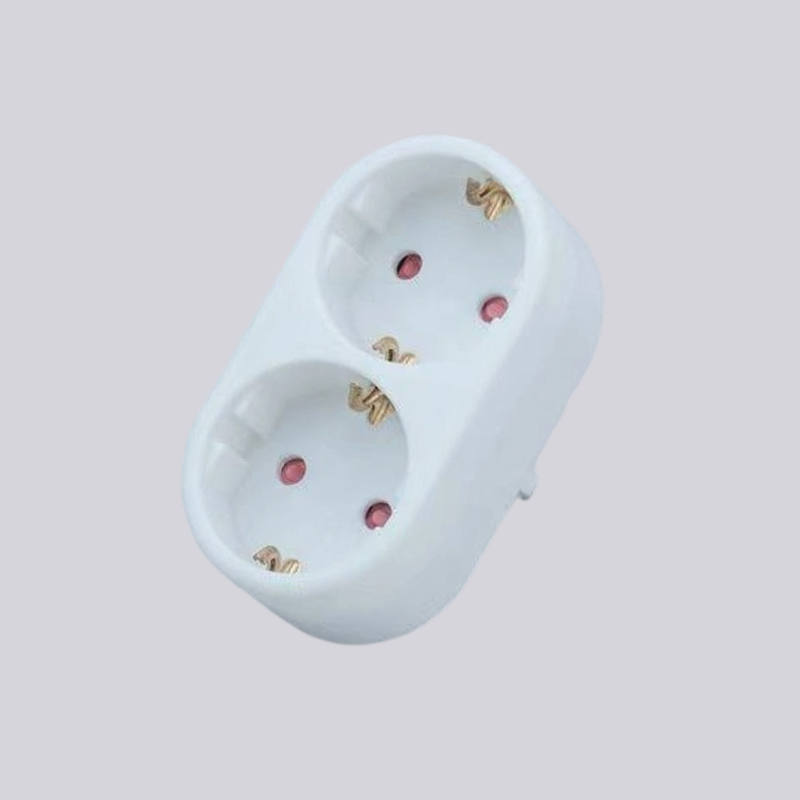
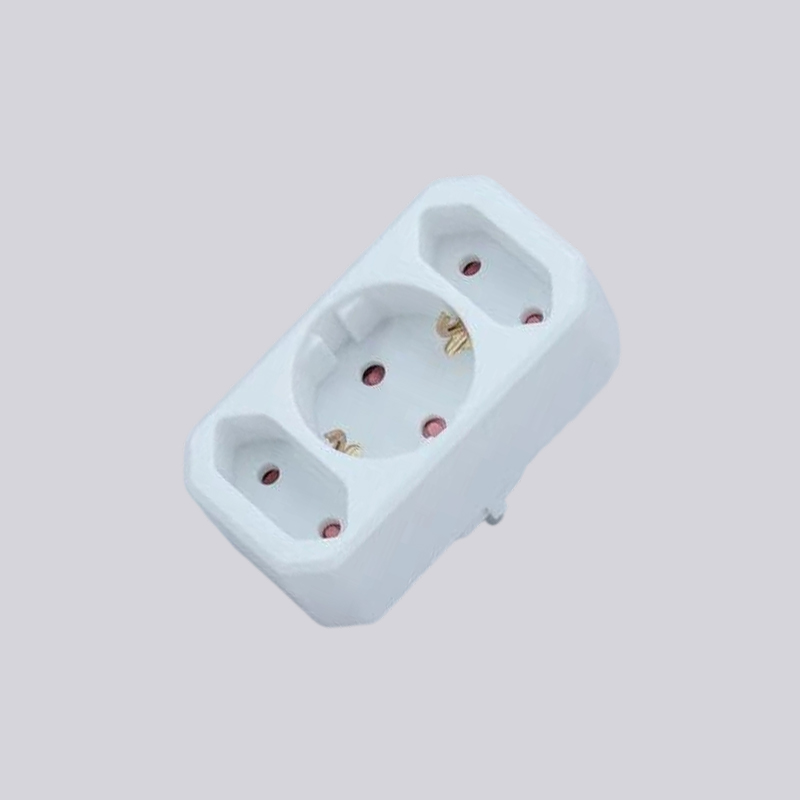

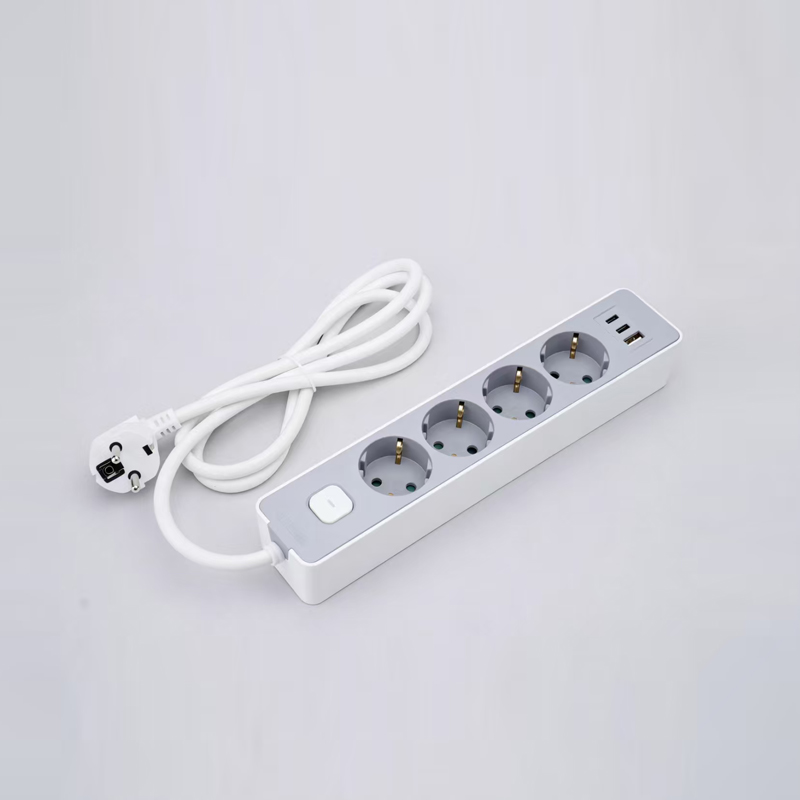

If you are interested in our products, please consult us
- CONTACT DETAILS
- Address : Guanhaiwei East Industrial Zone,Cixi, Ningbo,315314 Zhejiang, P.R.China.
- TEL: helen:+86-15867389889 Young:+86-15958216886 +86-0574-63666678
- Email:[email protected] [email protected]
- Fax:86-0574-63668558
- PRODUCTS
- Power Strip
- Extension Cord
- Cable Reel
- Adapter
- Plug
- QUICK LINK
- Company Profile
- company culture
- Plant equipment
- FAQ
- NEWS CENTER
- Company News
- Industry News
- MOBILE TERMINAL
-