English
  中文简体
中文简体 
Are European Type Plugs Compatible With All Devices Around the World?
 2026.04.23
 Industry News
European type plugs are not universally compatible with all devices worldwide, but with the right adapter or converter, most modern electronics can be safely used across Europe and beyond. Understanding the differences between plug types, voltage standards, and regional requirements is essential for travelers, expats, and anyone importing or exporting electrical devices.
Content
- What Are European Type Plugs?
- The Main Types of European Plugs Explained
- Comparison of European Plug Types at a Glance
- Voltage and Frequency: Why It Matters as Much as the Plug Shape
- Are European Type E and Type F Plugs Interchangeable?
- How to Choose the Right Travel Adapter for European Plugs
- Safety Considerations When Using European Type Plugs
- European Plug Standards vs. Global Plug Standards: A Regional Comparison
- The Future of European Plug Standards: Is There a Universal Solution?
- Frequently Asked Questions About European Type Plugs
- Q1: Can I use a European plug in the USA without an adapter?
- Q2: What is the safest plug type to use in Europe?
- Q3: Do I need a different adapter for each European country?
- Q4: What happens if I plug a US device into a European socket?
- Q5: Are Type E and Type F plugs the same?
- Q6: Is the UK's Type G plug part of the European standard?
- Q7: What type of plug do I need for travel across multiple European countries?
- Summary: Key Takeaways on European Type Plugs
What Are European Type Plugs?
European type plugs refer to a family of electrical connectors standardized for use across most of continental Europe. Unlike North America's flat-pin NEMA plugs or the UK's three-rectangular-pin BS 1363 design, European plugs use round pins and are generally designed for 220–240V AC systems operating at 50Hz. The most widespread standard is the CEE 7 family, which includes several sub-types used in different countries.
Europe does not have a single unified plug standard — instead, it uses a patchwork of compatible and semi-compatible types that have evolved over decades. The most common types you will encounter include Type C, Type E, Type F, and Type G (used in the UK and Ireland). Each has specific physical and electrical characteristics that determine where it can safely be used.
The Main Types of European Plugs Explained
The most commonly used European plug types are Type C, Type E, and Type F, each differing in grounding method and physical design. Here is a detailed breakdown:
Type C – The "Europlug"
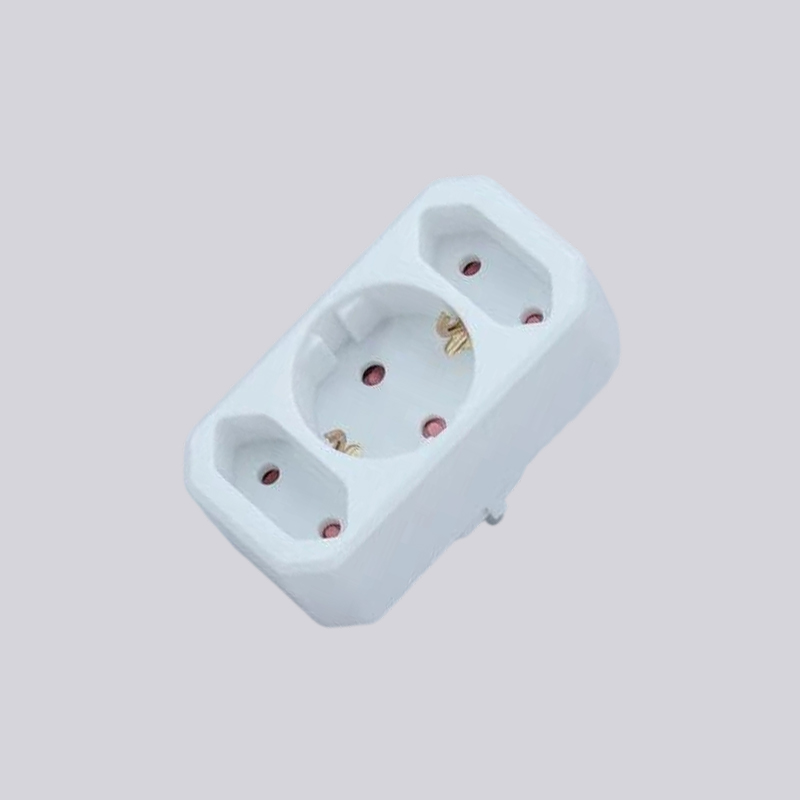
Type C, commonly called the Europlug, is the most widely used plug across continental Europe. It features two round pins spaced 19mm apart and is ungrounded, making it suitable only for Class II (double-insulated) devices that draw up to 2.5 amps. It is accepted in most European countries and is commonly found on phone chargers, small lamps, and low-power appliances. Over 150 countries across Europe, Asia, Africa, and South America use Type C or compatible sockets.
Type E – French Standard
Type E plugs are standard in France, Belgium, Poland, Slovakia, and the Czech Republic. They feature two round pins like Type C but include a round grounding hole in the plug itself, which mates with a grounding pin that protrudes from the socket. This makes Type E plugs suitable for grounded appliances up to 16 amps.
Type F – German/Schuko Standard
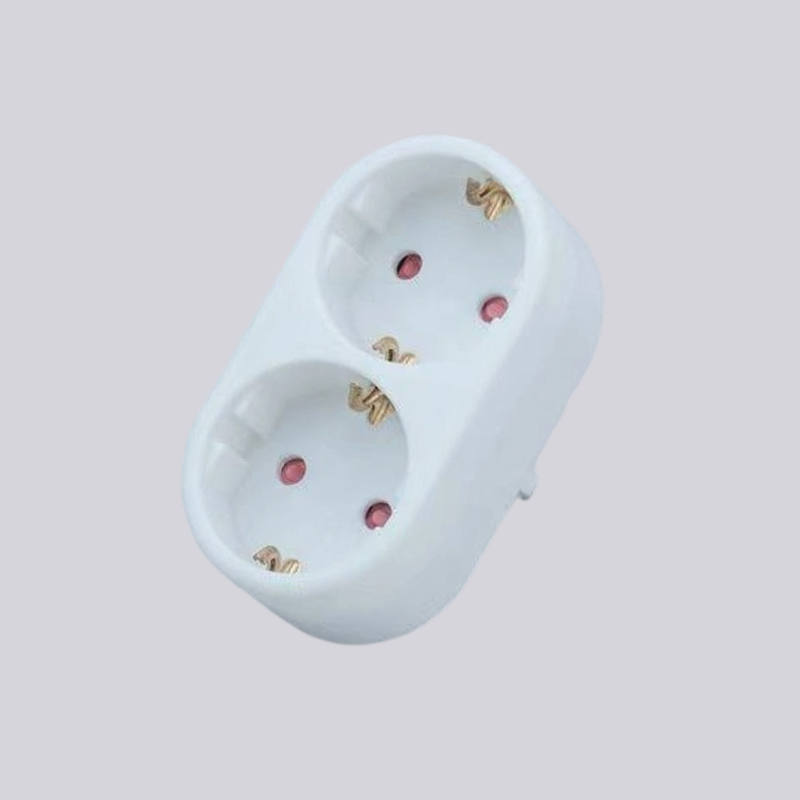
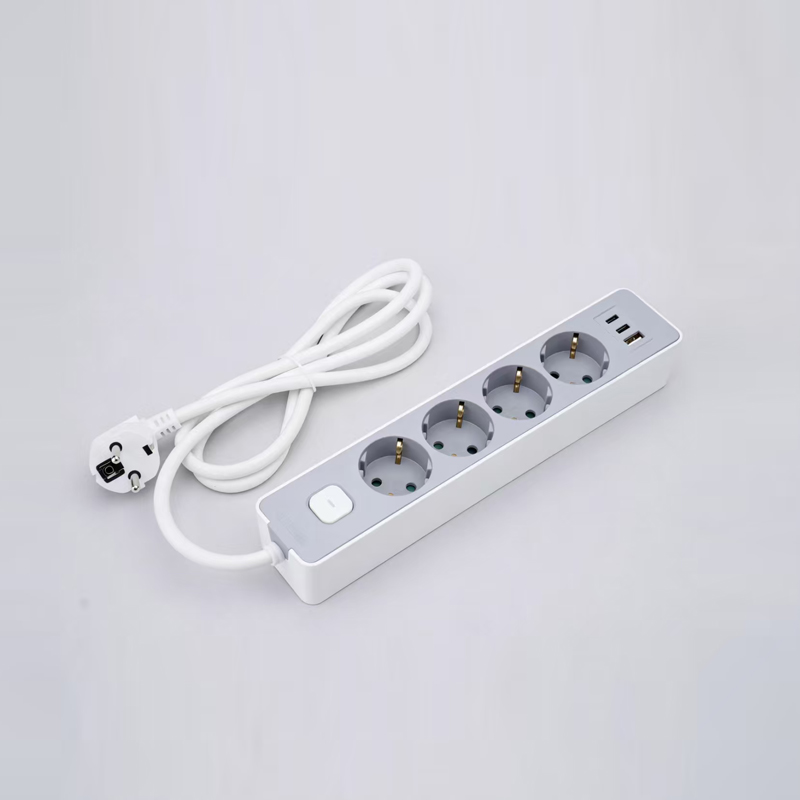
The Type F plug, also known as the Schuko plug (from the German "Schutzkontakt," meaning protective contact), is used in Germany, Austria, the Netherlands, Spain, Portugal, and many other European countries. It features two round pins and two grounding clips on the side. Schuko sockets are recessed into the wall, providing additional protection. Type F plugs support up to 16 amps at 230V, making them suitable for high-power appliances.
Type G – UK and Ireland Standard
Though often grouped with European plug types due to geography, Type G is distinctly different from continental European standards. It uses three rectangular pins in a triangular pattern and is the standard in the United Kingdom, Ireland, Malta, Malaysia, Singapore, and Hong Kong. It is not compatible with Type C, E, or F sockets without an adapter, and it operates on the same 230V/50Hz system used across Europe.
Comparison of European Plug Types at a Glance
Understanding the differences between plug types helps you select the right adapter and avoid safety risks. The table below summarizes the key specifications:
| Plug Type | Also Known As | Pin Shape | Grounded | Max Amperage | Countries |
| Type C | Europlug | 2 round pins | No | 2.5A | Most of Europe, Asia, Africa |
| Type E | French plug | 2 round pins + hole | Yes | 16A | France, Belgium, Poland |
| Type F | Schuko | 2 round pins + side clips | Yes | 16A | Germany, Spain, Netherlands |
| Type G | British plug | 3 rectangular pins | Yes | 13A | UK, Ireland, Malta, Singapore |
| Type L | Italian plug | 3 round pins (in-line) | Yes | 10A / 16A | Italy, Chile, Uruguay |
Table 1: A comparison of major European plug types, including their physical design, grounding capability, maximum amperage, and primary countries of use.
Voltage and Frequency: Why It Matters as Much as the Plug Shape
Getting the plug shape right is only half the equation — voltage compatibility is equally critical and can permanently damage your devices if ignored. Europe operates on a 230V / 50Hz standard, while the United States and Canada use 120V / 60Hz. Japan uses 100V / 50–60Hz.
Most modern consumer electronics — laptops, smartphones, cameras, and tablets — are designed with dual-voltage power supplies, meaning they automatically handle inputs between 100V and 240V. You can verify this by checking the label on the device's power brick. If it reads "100–240V, 50/60Hz," a simple plug adapter is all you need when traveling between Europe and North America.
However, single-voltage appliances such as hair dryers, electric shavers, and some kitchen appliances rated at 120V only will require a voltage converter in addition to a plug adapter when used in Europe. Using a 120V device in a 230V outlet without conversion will typically cause the device to overheat, malfunction, or be destroyed instantly.
Are European Type E and Type F Plugs Interchangeable?
Type E and Type F plugs are largely interchangeable in practice, thanks to the hybrid Type E/F standard. The CEE 7/7 plug is designed to fit both Type E and Type F sockets, making it the de facto standard for grounded plugs sold across much of Europe. This means a device with a CEE 7/7 plug can be used in France, Germany, Spain, the Netherlands, and many other countries without any adapter.
However, there are limitations. A pure Type F plug (Schuko) will not fit a Type E socket and vice versa, because the grounding mechanisms are different. This is why manufacturers increasingly use the hybrid CEE 7/7 plug design for appliances sold across Europe. When purchasing appliances or extension cords in Europe, look for the CEE 7/7 certification to ensure maximum compatibility.
How to Choose the Right Travel Adapter for European Plugs
Choosing the right travel adapter depends on your home country's plug type, your destination in Europe, and the devices you plan to use. Follow these steps to make the right choice:
- Identify your home plug type: North American Type A/B plugs will need a Type C, E, or F adapter for use in Europe.
- Check your destination country's socket type: Germany uses Type F, France uses Type E, Italy uses Type L, and the UK uses Type G. Each requires a specific adapter.
- Verify device voltage: Look for "100–240V" on your device's power supply. If it's single-voltage (e.g., 120V only), you will also need a step-down voltage converter.
- Consider a universal adapter: A universal travel adapter with multiple pin configurations can cover most European and global socket types in one compact unit.
- Check amperage rating: Ensure the adapter's amperage rating meets or exceeds your device's requirements, especially for high-power appliances.
- Look for safety certifications: Choose adapters with CE, UL, or RoHS certification to ensure they meet minimum safety standards.
Safety Considerations When Using European Type Plugs
Electrical safety should always be the top priority when using European type plugs, especially with high-power or grounded appliances. Here are the most important safety considerations:
Always Use Grounded Plugs for High-Power Appliances
Appliances such as washing machines, refrigerators, air conditioners, and power tools should always be connected using a grounded plug (Type E, F, or G). Using an ungrounded Type C adapter for these devices creates a serious risk of electric shock, especially in the event of a wiring fault or insulation failure.
Never Overload Adapters or Extension Cords
A common hazard while traveling is daisy-chaining multiple adapters or plugging high-wattage devices into a low-rated adapter. Most travel adapters are rated for 6 to 13 amps. Plugging in a 2,000W hair dryer — which draws approximately 8.7 amps at 230V — into a 6A adapter is a fire risk. Always check the watt and amp ratings before connecting.
Inspect Plugs and Cables Regularly
Damaged insulation, bent pins, and loose socket connections are leading causes of electrical fires and shocks. Regularly inspect your European type plugs and cables, particularly if they are used frequently or transported in luggage. Do not use any plug that shows visible damage, discoloration, or a burning smell.
Buy Certified Products Only
In Europe, electrical products must carry the CE marking, which indicates compliance with EU safety directives. When purchasing plugs, adapters, or extension leads in Europe, always verify the CE mark and avoid uncertified products sold at extremely low prices, which often skip critical safety features such as surge protection and thermal fuses.
European Plug Standards vs. Global Plug Standards: A Regional Comparison
European plug standards differ significantly from those used in North America, Asia, and Australia, creating compatibility challenges for international travelers and importers.
| Region | Common Plug Type | Voltage | Frequency | Compatible with European Sockets? |
| Continental Europe | Type C, E, F | 230V | 50Hz | Yes (native) |
| United Kingdom | Type G | 230V | 50Hz | No (adapter required) |
| USA / Canada | Type A / B | 120V | 60Hz | No (adapter + possibly converter) |
| Australia / NZ | Type I | 230V | 50Hz | No (adapter required) |
| Japan | Type A | 100V | 50/60Hz | No (adapter + converter) |
| China | Type A / I / C | 220V | 50Hz | Partially (Type C fits) |
Table 2: A regional comparison of plug standards, operating voltage, frequency, and compatibility with European-type sockets.
The Future of European Plug Standards: Is There a Universal Solution?
The European Union has been actively pushing toward greater standardization, though a single universal plug standard remains elusive. One major step has been the EU's mandate for a common USB-C charging standard for small electronic devices. Since 2024, all smartphones, tablets, cameras, and portable gaming consoles sold in the EU must support USB-C charging, eliminating the need for multiple proprietary chargers.
While USB-C does not replace the wall socket itself, it dramatically reduces the number of chargers needed for personal electronics when combined with a single multi-port USB-C wall adapter using a Type C or Schuko plug. The IEC has also been working on the IEC 60083 and related standards to improve interoperability, though fully harmonizing plug standards across all European nations remains a long-term challenge due to existing infrastructure investment.
Frequently Asked Questions About European Type Plugs
Q1: Can I use a European plug in the USA without an adapter?
No. European plugs (Type C, E, F) have round pins and will not physically fit into American Type A or Type B sockets without an adapter. Additionally, European devices are designed for 230V, while the USA runs on 120V, so a voltage converter may also be needed for non-dual-voltage appliances.
Q2: What is the safest plug type to use in Europe?
The Type F (Schuko) plug is generally considered one of the safest European plug types for grounded appliances, due to its recessed socket design that prevents accidental finger contact with live pins. For small, double-insulated electronics, the ungrounded Type C Europlug is widely accepted and perfectly safe within its amperage limits.
Q3: Do I need a different adapter for each European country?
Not necessarily. Most of continental Europe uses Type C, E, or F sockets, which are broadly compatible. A hybrid CEE 7/7 plug or a universal adapter covering these types will work in Germany, France, Spain, Italy, the Netherlands, and most other EU countries. However, traveling to the UK requires a separate Type G adapter, and Italy's older Type L sockets may require an additional adapter in some locations.
Q4: What happens if I plug a US device into a European socket?
If the device is dual-voltage (100–240V), it will work fine with just a plug adapter. If it is single-voltage (120V only), plugging it into a 230V European socket — even with a plug adapter — will likely damage or destroy the device and could cause a fire. Always check the voltage rating printed on the device or its power supply before connecting.
Q5: Are Type E and Type F plugs the same?
They are similar but not identical. Both have two round pins at the same spacing, but Type E sockets have a grounding pin protruding from the socket, while Type F sockets use grounding clips on the side of the socket. The hybrid CEE 7/7 plug is designed to work with both Type E and Type F sockets and is the most practical option for use across Europe.
Q6: Is the UK's Type G plug part of the European standard?
No. The UK's Type G plug is a distinct standard (BS 1363) that is not compatible with continental European sockets and vice versa. Although the UK uses the same 230V / 50Hz voltage and frequency as the EU, the physical plug and socket design is entirely different and requires an adapter for cross-use.
Q7: What type of plug do I need for travel across multiple European countries?
A universal travel adapter that includes Type C, E, F, and G configurations will cover the vast majority of European destinations. Many compact travel adapters cover all major European socket types plus additional configurations for Asia, Australia, and North America — useful for global travelers who want a single solution.
Summary: Key Takeaways on European Type Plugs
European type plugs represent a diverse but largely interoperable family of electrical connectors designed for the 230V / 50Hz power grid used across most of Europe. Understanding the differences between Type C, E, F, G, and L plugs — and knowing when you need a voltage converter versus a simple adapter — is essential for safe and effective use of electrical devices across Europe and when traveling internationally.
- The Type C Europlug is the most widely accepted ungrounded European plug, suitable for low-power devices.
- The Type F Schuko plug is the dominant grounded standard in continental Europe, used in over 40 countries.
- The CEE 7/7 hybrid plug provides maximum compatibility across Type E and Type F sockets.
- Always verify your device's voltage rating before plugging into a European outlet.
- For multi-country travel in Europe, a universal adapter covering Type C/E/F (and Type G for the UK) is the most practical solution.
- Only purchase plugs and adapters with appropriate safety certifications (CE marking in Europe, UL in the USA).
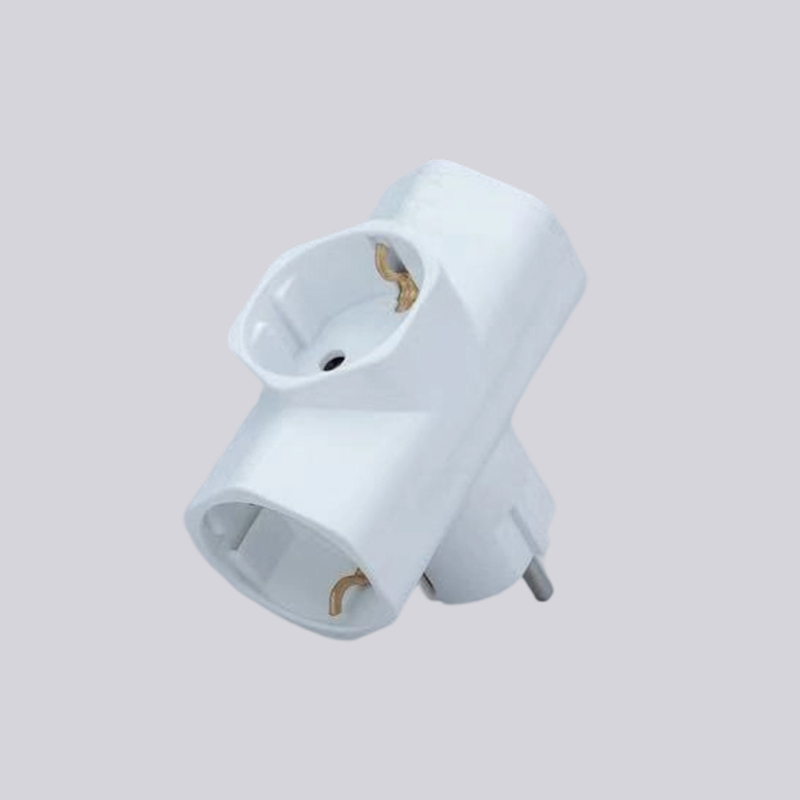
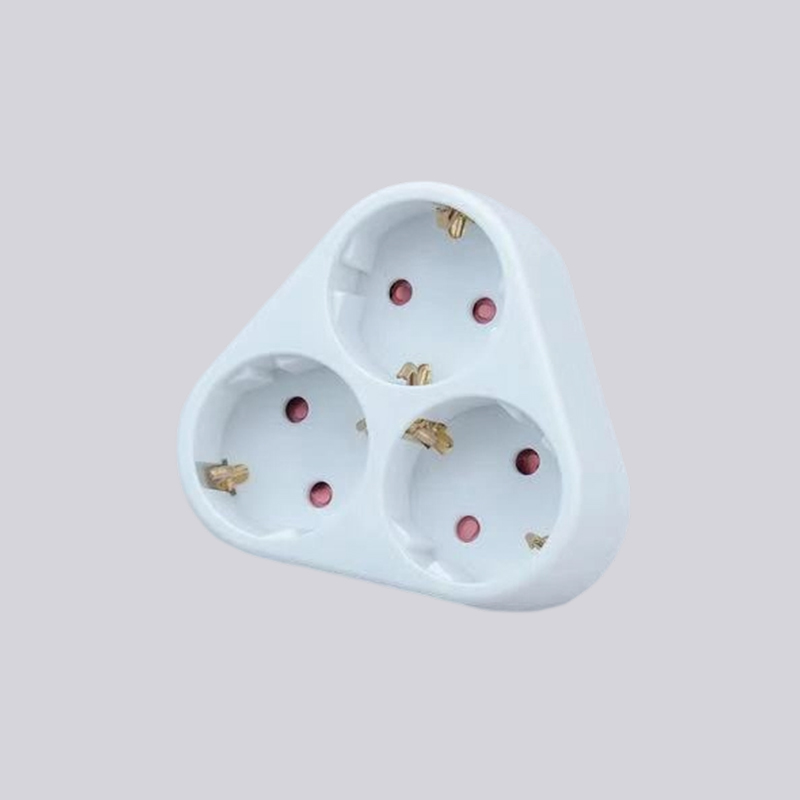
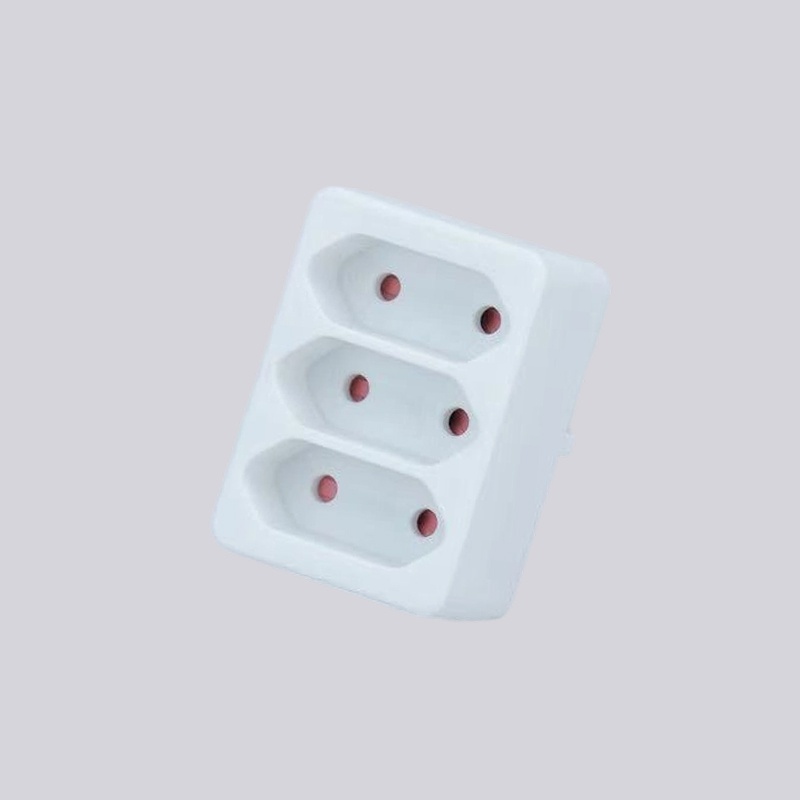
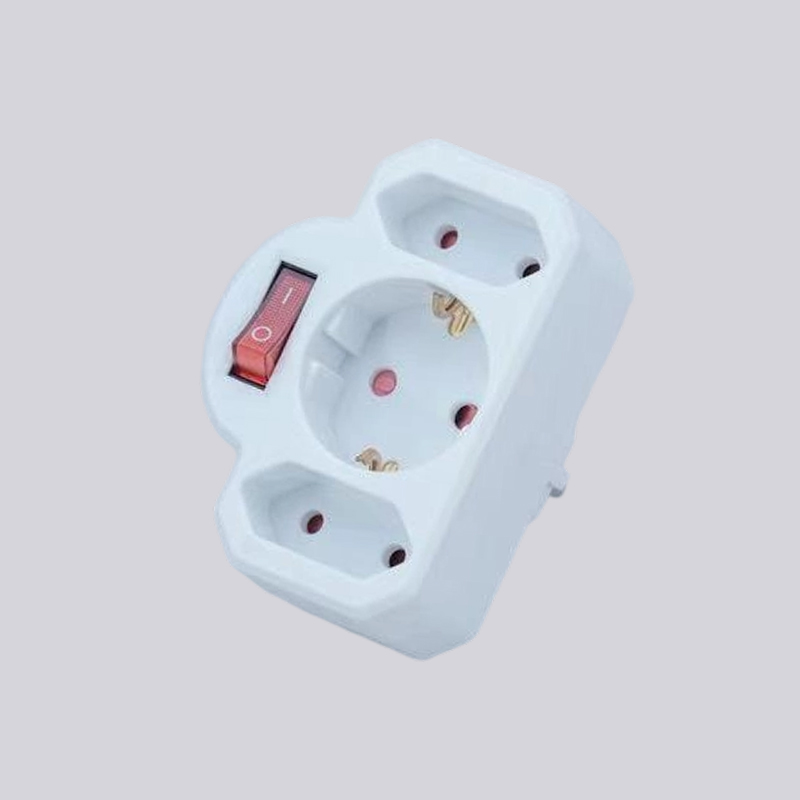
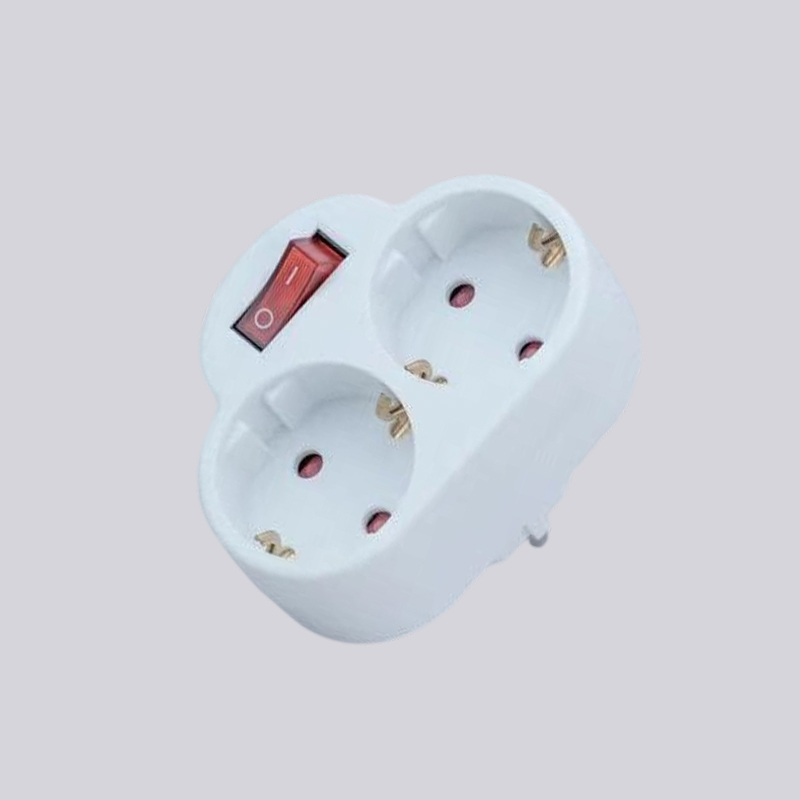
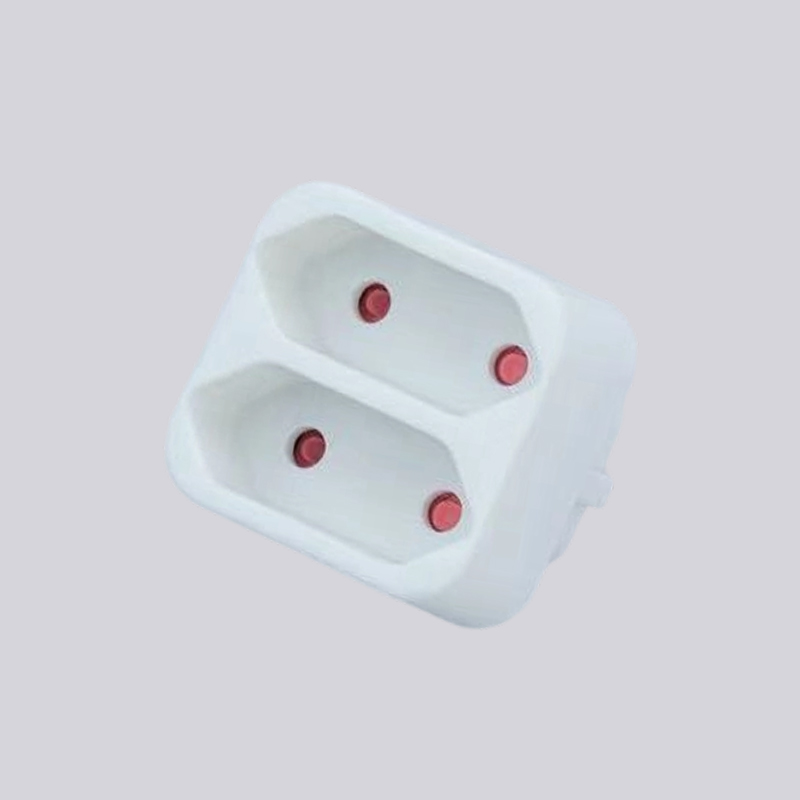
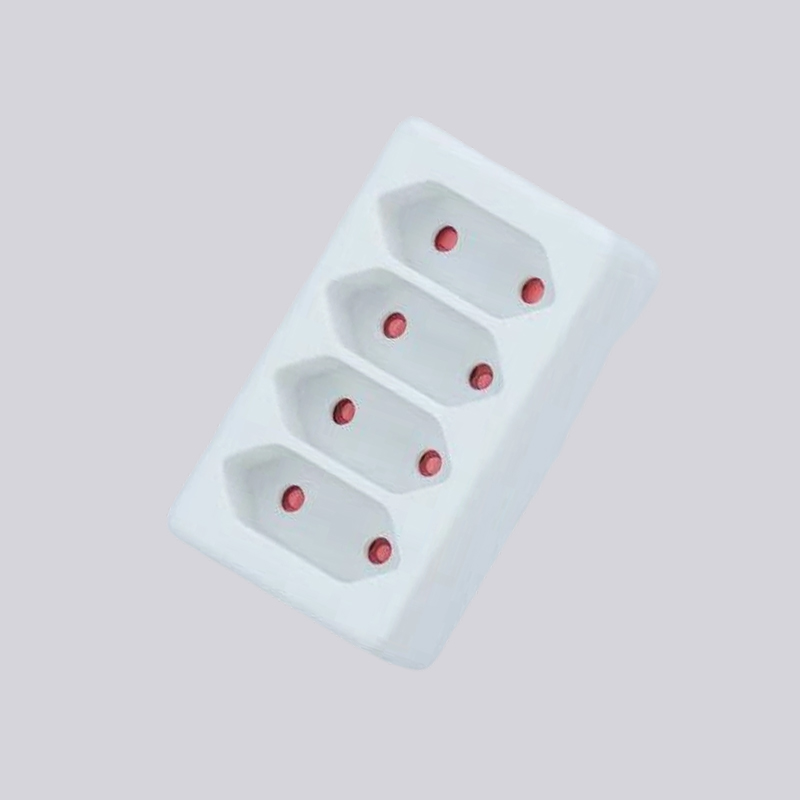
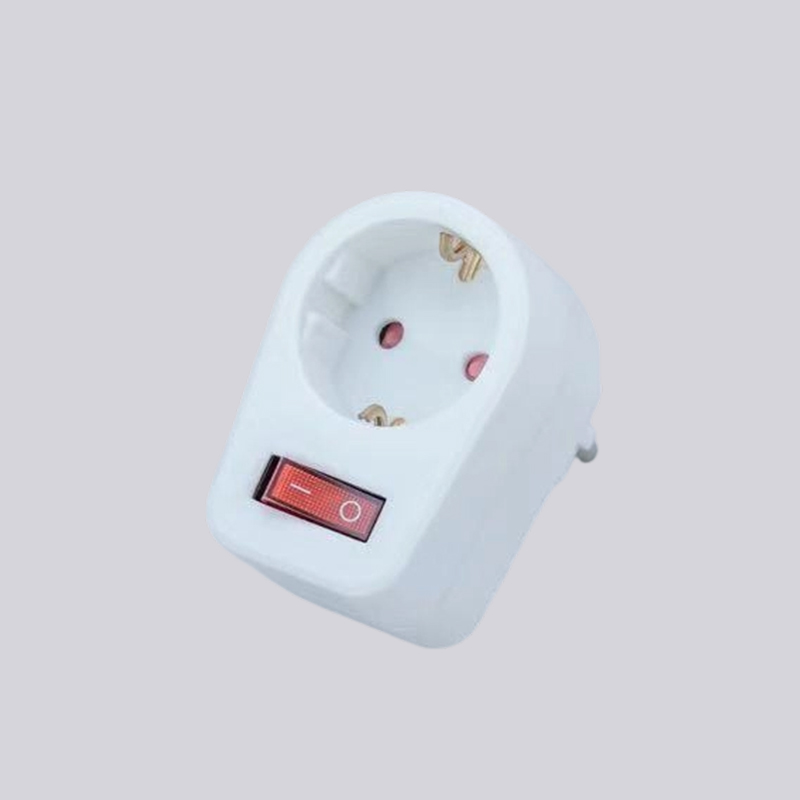


If you are interested in our products, please consult us
- CONTACT DETAILS
- Address : Guanhaiwei East Industrial Zone,Cixi, Ningbo,315314 Zhejiang, P.R.China.
- TEL:+86-15869536151 +86-0574-63666861 +86-0574-63666678
- Email:[email protected] [email protected]
- Fax:86-0574-63668558
- PRODUCTS
- Power Strip
- Extension Cord
- Cable Reel
- Adapter
- Plug
- QUICK LINK
- Company Profile
- company culture
- Plant equipment
- FAQ
- NEWS CENTER
- Company News
- Industry News
- MOBILE TERMINAL
-