English
  中文简体
中文简体 
Can You Use a European Extension Cord in All European Countries?
 2026.03.19
 Industry News
Short answer: In most cases, yes — but not always. A standard European extension cord with Type C / Type E / Type F plugs and sockets works across the majority of continental European countries. However, a few countries — most notably the United Kingdom, Ireland, Cyprus, and Malta — use entirely different plug and socket systems, so a standard European extension cord will not fit without an adapter. Read on for a full country-by-country breakdown, voltage guidance, and safety advice.
Content
- What Is a European Extension Cord?
- European Countries: Plug Compatibility at a Glance
- Why the UK, Ireland, Cyprus, and Malta Are Different
- Voltage and Frequency: Is There Anything to Worry About?
- Schuko (Type F) vs. Type E: What's the Practical Difference?
- Using a European Extension Cord Safely: Key Rules
- European Extension Cord vs. Travel Adapter: What's the Difference?
- Choosing the Right European Extension Cord for Multi-Country Use
- Special Cases: Switzerland, Italy, and Denmark
- Frequently Asked Questions (FAQ)
- Q1: Can I bring a European extension cord from Germany to Spain?
- Q2: Will a European extension cord work in the UK?
- Q3: Is there a single European extension cord that works everywhere in Europe?
- Q4: Can I use a European extension cord if my device is from the US?
- Q5: How many devices can I plug into a European extension cord?
- Q6: Do European extension cords come with surge protection?
- Q7: Is it safe to use a cheap, uncertified European extension cord?
- Conclusion
What Is a European Extension Cord?
A European extension cord is an electrical extension lead designed for use in Europe. It typically features a Schuko (Type F) or Type E plug on one end and a multi-socket strip on the other, rated for 220–240 V / 50 Hz — the standard voltage and frequency used across continental Europe.
The term "European extension cord" is used broadly to refer to extension leads sold across the EU and EEA, and in practice you will find two dominant connector families:
- Type C (Europlug): Two round pins, no earth. Very widespread and fits Type E and Type F sockets.
- Type E (French standard): Two round pins plus a female socket hole for an earth pin. Used in France, Belgium, Poland, Slovakia, Czechia, and more.
- Type F (Schuko): Two round pins with earth clips on the sides. Used in Germany, Austria, the Netherlands, Spain, Portugal, Sweden, Norway, Finland, and many others.
Because Type E and Type F are mechanically compatible with each other (the so-called CEE 7/4 and CEE 7/5 standards), a European extension cord bought in Germany will physically plug into a socket in France, Spain, Poland, or the Netherlands without any adapter.
European Countries: Plug Compatibility at a Glance
The table below shows whether a standard European extension cord (Type E/F Schuko) can be used directly in each country, the plug type that country uses, and its mains voltage.
| Country | Plug Type(s) | Voltage / Frequency | Works with EU Extension Cord? |
| Germany | Type F (Schuko) | 230 V / 50 Hz | Yes |
| France | Type E | 230 V / 50 Hz | Yes |
| Spain | Type F | 230 V / 50 Hz | Yes |
| Italy | Type F / Type L | 230 V / 50 Hz | Mostly Yes* |
| Netherlands | Type F | 230 V / 50 Hz | Yes |
| Belgium | Type E | 230 V / 50 Hz | Yes |
| Poland | Type E / Type F | 230 V / 50 Hz | Yes |
| Sweden / Norway / Finland | Type F / Type C | 230 V / 50 Hz | Yes |
| Austria / Switzerland | Type F / Type J | 230 V / 50 Hz | Partially* |
| Portugal | Type F | 230 V / 50 Hz | Yes |
| United Kingdom | Type G (BS 1363) | 230 V / 50 Hz | No — adapter needed |
| Ireland | Type G | 230 V / 50 Hz | No — adapter needed |
| Cyprus / Malta | Type G | 230 V / 50 Hz | No — adapter needed |
| Greece | Type C / Type F | 230 V / 50 Hz | Yes |
| Denmark | Type K / Type C / Type F | 230 V / 50 Hz | Partially* |
* Italy: Older Italian sockets (Type L with three in-line pins) may not accept a Schuko plug without an adapter. Newer buildings often have hybrid sockets that accept Type F. Switzerland: Uses its own Type J standard; a Schuko plug will fit older Swiss sockets but not all. Denmark: Uses Type K (with a grounding pin); Schuko plugs fit only in universal sockets.
Why the UK, Ireland, Cyprus, and Malta Are Different
These four countries are all EU/EEA member states (or were, in the UK's case) yet use the British Type G (BS 1363) plug — a large three-rectangular-pin connector with a built-in fuse. This standard was adopted across British territories and never replaced even as the rest of Europe standardised around round-pin plugs.
The physical incompatibility is total: a Type F Schuko plug simply cannot enter a Type G socket. You will need a Type F to Type G travel adapter. On the positive side, voltage is the same (230 V / 50 Hz), so no voltage converter is required — only a physical plug adapter.
Note that an adapter is not the same as a European extension cord. If you need multiple outlets in the UK with a continental European device, you would need a Type G power strip or a Type G to Type F adapter first, and then you can use your European extension cord downstream.
Voltage and Frequency: Is There Anything to Worry About?
Across virtually all of Europe — EU countries, EEA members, and most non-EU European countries — the mains voltage is 220–240 V at 50 Hz. This is excellent news: if the plug physically fits, your European extension cord and the devices plugged into it will receive the correct power.
Countries with the Same Voltage as Standard EU (230 V / 50 Hz)
- All EU member states
- Norway, Iceland, Liechtenstein (EEA)
- Switzerland, United Kingdom, Serbia, Turkey, Ukraine, Russia
There are no voltage mismatches within Europe when using a European extension cord. The main concern is always the physical plug compatibility, not the voltage.
Schuko (Type F) vs. Type E: What's the Practical Difference?
Most travelers and consumers wonder whether it matters if their European extension cord is built to the Type E or Type F standard. Here is a quick comparison:
| Feature | Type E (French/Belgian) | Type F / Schuko (German) |
| Earth method | Female socket pin (hole) | Side metal clips |
| Compatible with each other? | Mostly yes (with hybrid socket) | Mostly yes (with hybrid socket) |
| Widely sold across EU? | Yes | Yes |
| Countries where it is the main standard | France, Belgium, Poland, Slovakia, Czechia | Germany, Austria, Netherlands, Spain, Portugal, Scandinavia |
| Max rated current | 16 A | 16 A |
In everyday use, a European extension cord with a hybrid Type E/F (CEE 7/7) plug — which has both the side clips of Schuko and a hole for the Type E earth pin — is the most versatile choice and will work in the widest range of European countries.
Using a European Extension Cord Safely: Key Rules
Plug compatibility is only half the story. Using a European extension cord safely means following these essential guidelines:
1. Never Daisy-Chain Extension Cords
Plugging one European extension cord into another is a fire hazard. Each cord has a rated current capacity; stacking them can cause overheating.
2. Check the Cord's Current and Power Rating
Standard European extension cords are rated at 16 A / 3,680 W. Do not exceed this load. Add up the wattage of all devices plugged in and ensure the total stays well below the cord's maximum rating.
3. Look for the CE Mark and Relevant Certifications
In Europe, look for the CE marking, which indicates compliance with EU safety directives. Additional marks such as VDE (Germany), NF (France), KEMA-KEUR (Netherlands), or IMQ (Italy) provide extra assurance of quality testing.
4. Unroll the Cord Fully When in Use
A coiled European extension cord under load generates heat. Always unroll it completely to allow heat dissipation, especially for high-draw appliances.
5. Do Not Use Outdoors Unless Rated IP44 or Higher
Standard indoor European extension cords are not weatherproof. For garden or outdoor use in Europe, choose an extension lead rated IP44 (splash-resistant) or IP67 (fully waterproof).
European Extension Cord vs. Travel Adapter: What's the Difference?
| Feature | European Extension Cord | Travel Adapter |
| Purpose | Extends reach; adds multiple outlets | Changes plug shape only |
| Changes voltage? | No | No |
| Multiple outlets? | Yes | Typically no |
| Useful when | You need more outlets or more cable length in a compatible country | You're in a country with an incompatible plug type |
| Can be combined? | Yes — use adapter + extension cord together | Yes |
If you're traveling from Germany to the UK and need extra outlets, the best solution is: Type F to Type G adapter → plug into UK wall → plug your European extension cord into the adapter. This gives you multiple Type E/F sockets from a single UK outlet.
Choosing the Right European Extension Cord for Multi-Country Use
If you travel frequently across Europe, here is what to look for in a European extension cord:
- CEE 7/7 hybrid plug: Compatible with both Type E and Type F sockets, maximizing country coverage.
- Surge protection: A built-in surge protector guards your devices from voltage spikes, which can occur in older buildings across Eastern Europe.
- Child-proof shutters: Required in many EU countries for new installations; shuttered sockets prevent accidental contact.
- Cable length of 3–5 m: Practical for hotel rooms and Airbnbs, where wall outlets are often inconveniently placed.
- USB-A and USB-C ports: Many modern European extension cords include integrated USB charging ports alongside Schuko/Type E sockets, reducing the need for separate adapters.
- CE marking and VDE or equivalent certification: Ensures compliance with EU Low Voltage Directive and electromagnetic compatibility standards.
Special Cases: Switzerland, Italy, and Denmark
Three European countries deserve special attention when using a European extension cord:
Switzerland (Type J)
Switzerland uses its own Type J socket, which has three round pins arranged differently from Schuko. Older Swiss sockets accept the Schuko plug in a loose but functional fit; newer Swiss sockets require an adapter. If you plan to use a European extension cord in Switzerland, carry a Type F to Type J adapter to be safe.
Italy (Type L)
Italy has its own Type L socket with three in-line round pins. Many modern Italian buildings have hybrid sockets that accept Schuko plugs, but older buildings — particularly in rural areas and older city centers — may only have Type L sockets. A Type F to Type L adapter is recommended if visiting Italy.
Denmark (Type K)
Denmark uses Type K, which is similar to Schuko but has a round earth pin instead of side clips. A Schuko plug will fit in many Danish sockets that also accept Type C, but it may not make proper earthed contact. Danish homes increasingly use universal sockets that accept Schuko, but it is worth bringing a Type F to Type K adapter for peace of mind.
Frequently Asked Questions (FAQ)
Q1: Can I bring a European extension cord from Germany to Spain?
Yes. Both countries use Type F (Schuko) sockets, and both operate at 230 V / 50 Hz. Your European extension cord will plug in and work identically.
Q2: Will a European extension cord work in the UK?
Not directly. The UK uses Type G sockets, which are physically incompatible with European Type E/F plugs. You need a Type F to Type G adapter first, after which you can use your European extension cord normally. No voltage converter is needed.
Q3: Is there a single European extension cord that works everywhere in Europe?
A European extension cord with a CEE 7/7 hybrid plug covers the broadest range of continental European countries. However, no single extension cord without adapters will work in the UK, Ireland, Cyprus, Malta, Switzerland (in all buildings), Italy (in older buildings), and Denmark (without universal sockets).
Q4: Can I use a European extension cord if my device is from the US?
Only if your device supports 100–240 V input (check the label on its power supply). Most modern laptops, phone chargers, and cameras are dual-voltage. However, US appliances designed for 110 V only (many hair dryers, electric shavers, some kitchen appliances) will be damaged by European 230 V and require a step-down voltage converter, not just an adapter.
Q5: How many devices can I plug into a European extension cord?
The number of sockets does not determine safety — the total power draw does. A standard European extension cord is rated at 16 A / 3,680 W at 230 V. Add up the wattage of all your connected devices and ensure the total stays safely below this figure. High-draw appliances like electric kettles (2,000–3,000 W) or space heaters should ideally be the only device on an extension cord.
Q6: Do European extension cords come with surge protection?
Many do, especially those marketed for use with computers and home electronics. Look for the terms "Überspannungsschutz" (German), "protección contra sobretensiones" (Spanish), or "parafoudre" (French) on the packaging, or check for a joule rating on the surge protector specification.
Q7: Is it safe to use a cheap, uncertified European extension cord?
No. Uncertified extension cords — particularly those imported from outside the EU without proper testing — can have inadequate insulation, undersized conductors, and missing or fake earth connections. Always choose a European extension cord with clear CE marking and, ideally, a national certification mark such as VDE, NF, or KEMA-KEUR.
Conclusion
A European extension cord is a highly versatile accessory that works seamlessly across the majority of European countries — specifically wherever Type E, Type F, or compatible hybrid sockets are used. This covers all of mainland Western Europe, most of Eastern Europe, and Scandinavia.
The countries where it will not plug in directly are the UK, Ireland, Cyprus, and Malta (Type G sockets), as well as — in some older buildings — Italy (Type L), Switzerland (Type J), and Denmark (Type K). In all these cases, the voltage is identical (230 V / 50 Hz), so a physical plug adapter is all that is needed.
For the most future-proof solution, choose a European extension cord with a CEE 7/7 hybrid plug, surge protection, child-proof shutters, and CE certification — and carry a compact Type F to Type G adapter for your UK and Irish visits. With the right preparation, a single quality European extension cord can serve you across dozens of countries with minimal fuss.
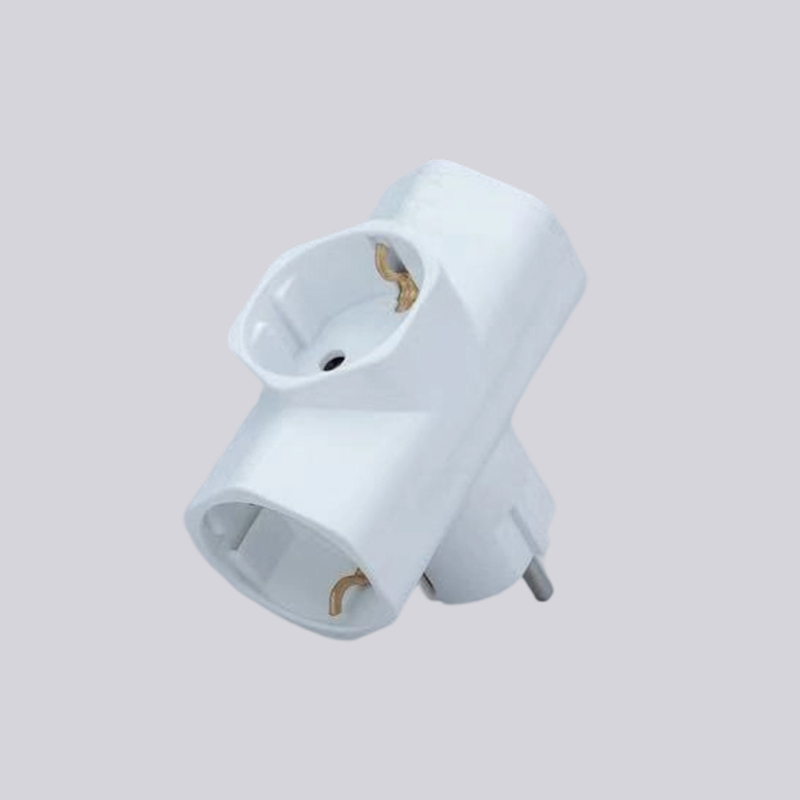
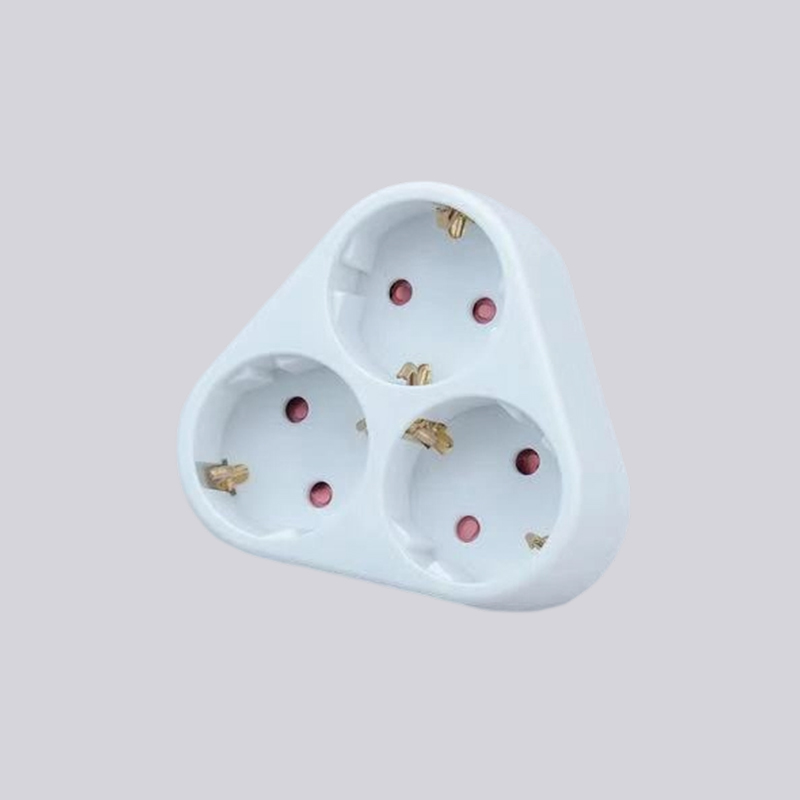
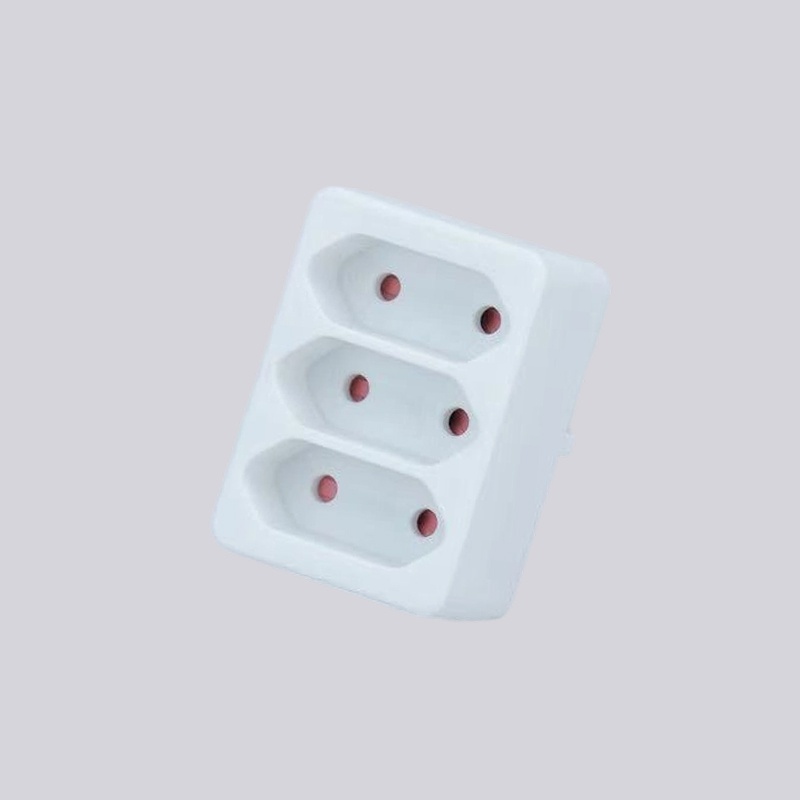
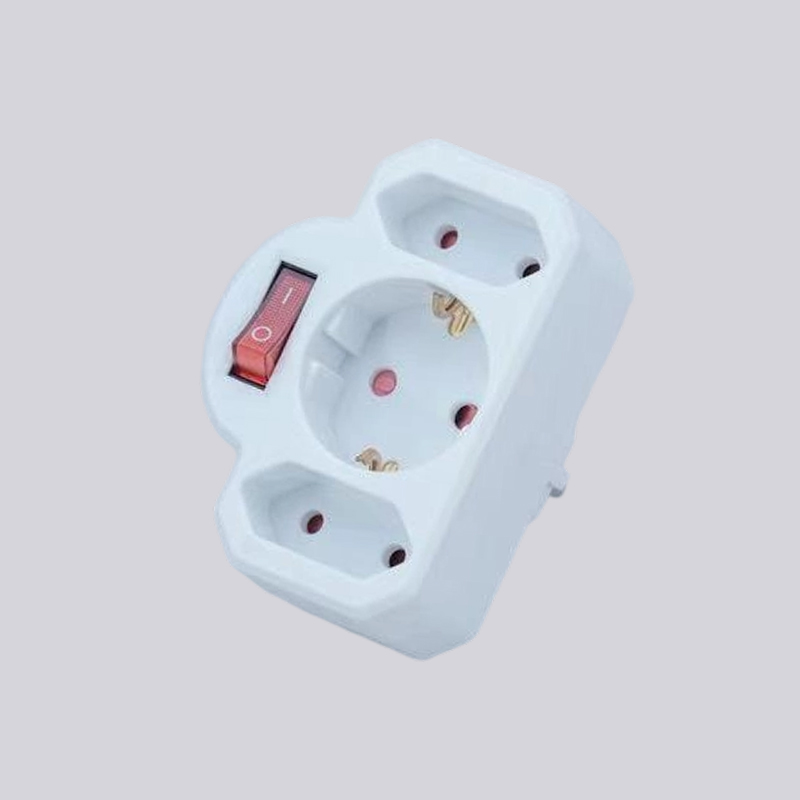
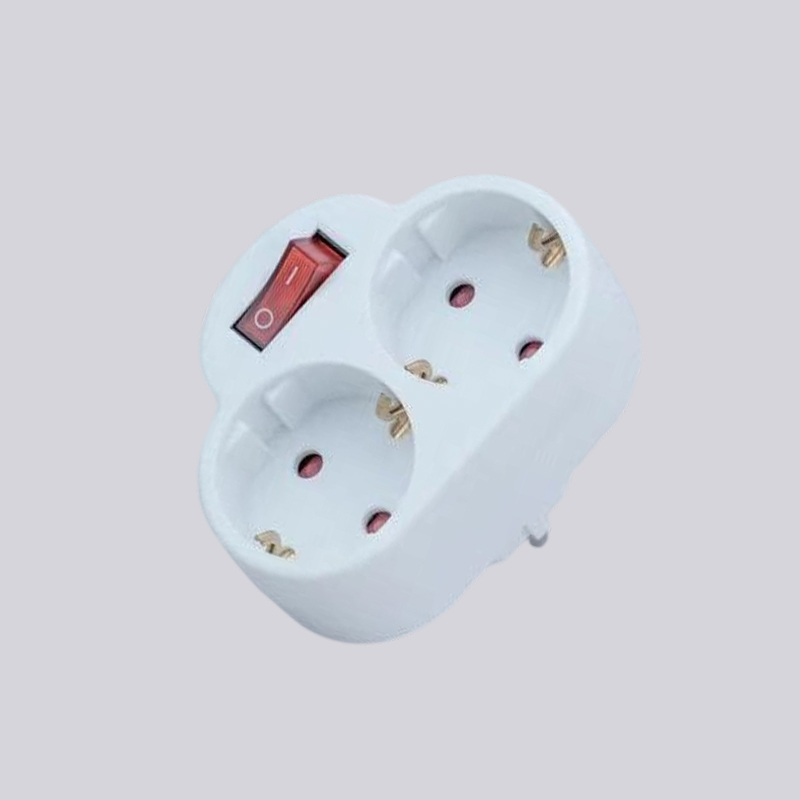
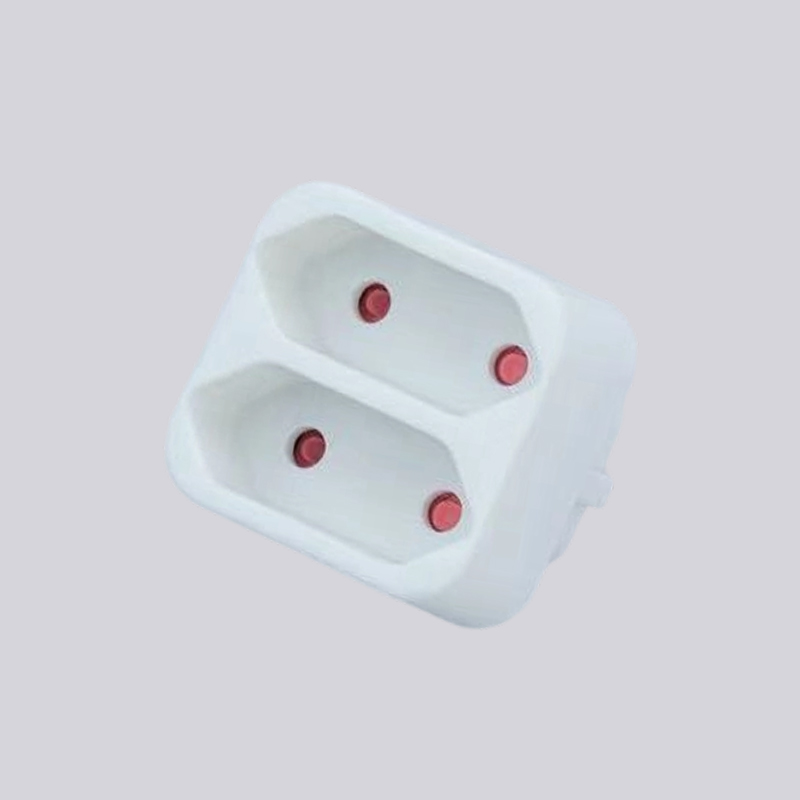
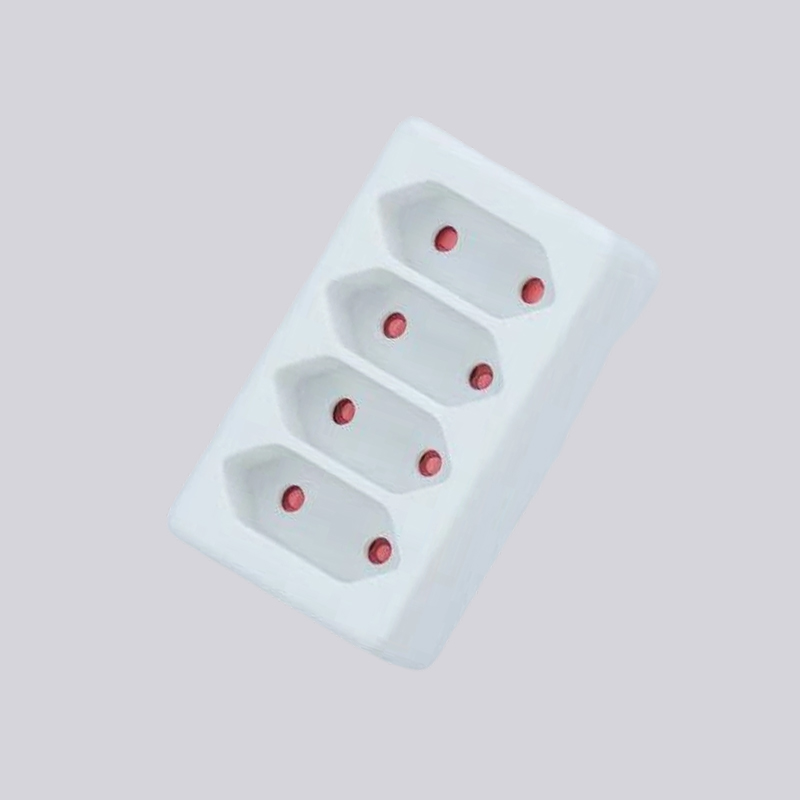
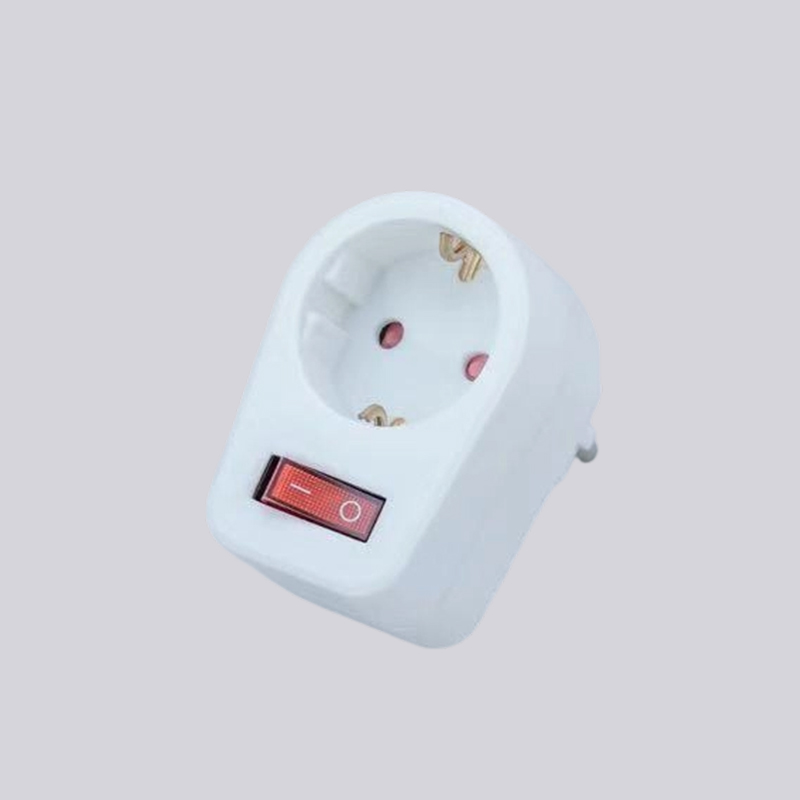
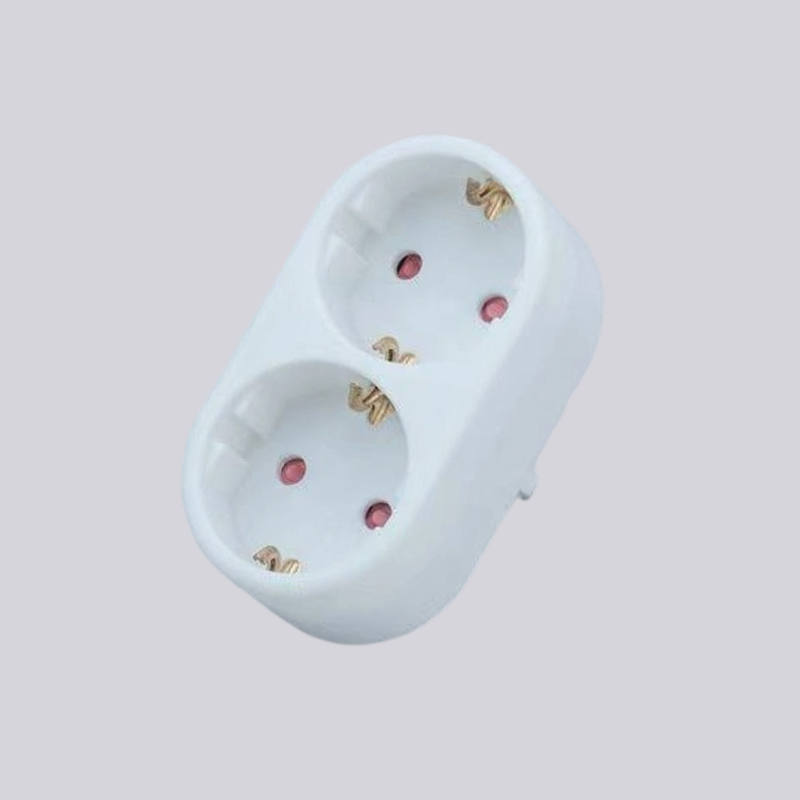
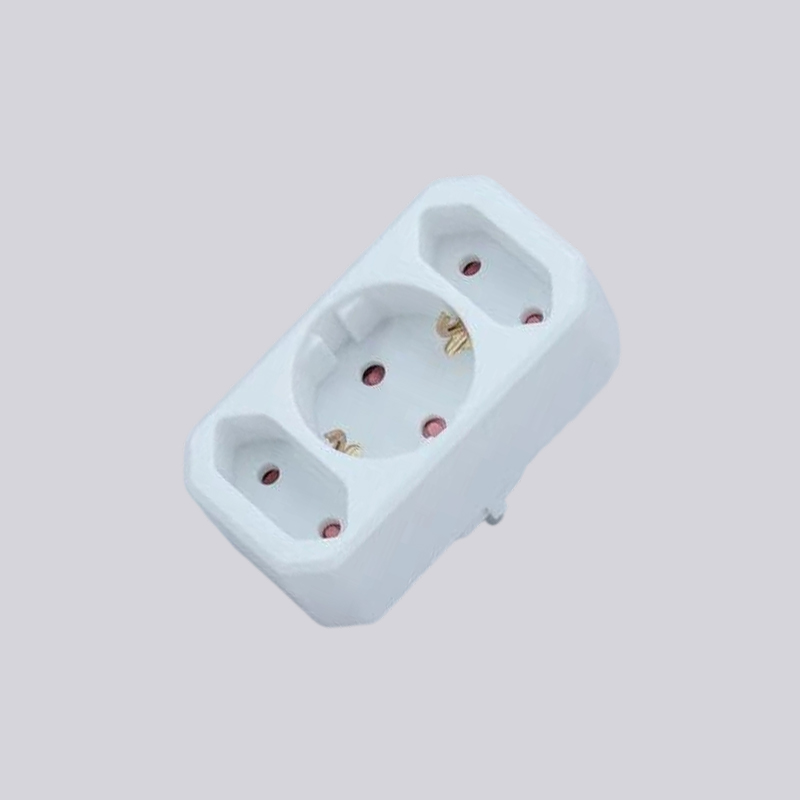

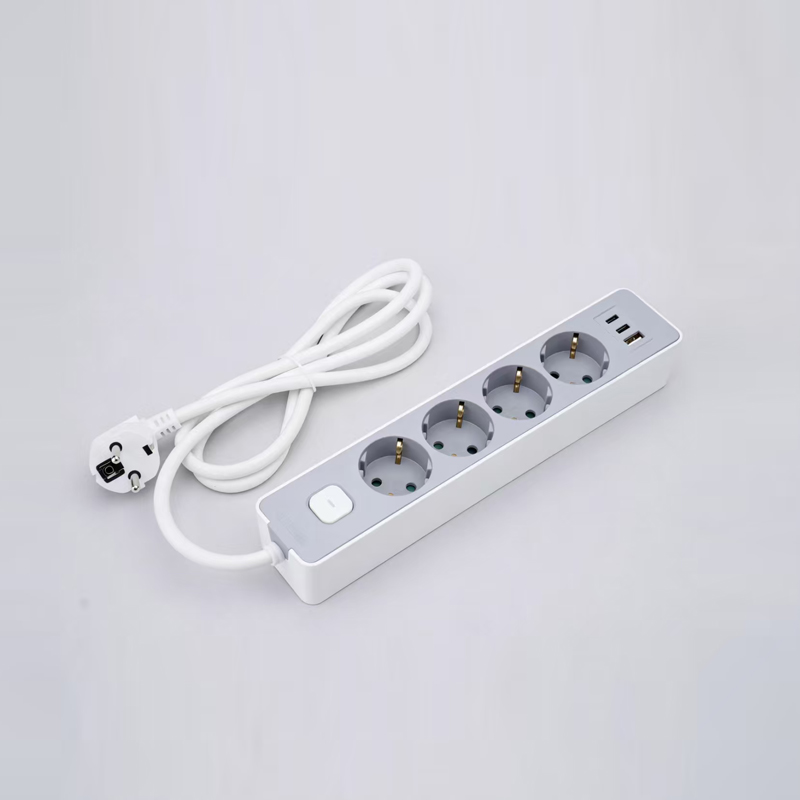

If you are interested in our products, please consult us
- CONTACT DETAILS
- Address : Guanhaiwei East Industrial Zone,Cixi, Ningbo,315314 Zhejiang, P.R.China.
- TEL: helen:+86-15867389889 Young:+86-15958216886 +86-0574-63666678
- Email:[email protected] [email protected]
- Fax:86-0574-63668558
- PRODUCTS
- Power Strip
- Extension Cord
- Cable Reel
- Adapter
- Plug
- QUICK LINK
- Company Profile
- company culture
- Plant equipment
- FAQ
- NEWS CENTER
- Company News
- Industry News
- MOBILE TERMINAL
-