English
  中文简体
中文简体 
What Are the Standard Specifications of a European Extension Cord?
 2026.03.24
 Industry News
A European extension cord, commonly used for electrical connections in European homes and workplaces, adheres to strict standards designed to ensure safety and reliability. In this article, we will explore the standard specifications of these cords, including wire ratings, plug types, safety features, and differences when compared to other types of extension cords. This guide will help you understand the key characteristics of a European Extension Cord, so you can choose the right one for your needs.
Content
Key Specifications of a European Extension Cord
Wire Ratings and Voltage Compatibility
The wire gauge and voltage rating are crucial when selecting a European extension cord. These cords are typically rated for 230V in most European countries, which is the standard voltage for residential and commercial electricity. The wire thickness usually varies from 0.75mm² to 2.5mm², depending on the current it is designed to carry. The thicker the wire, the more electrical current it can handle without overheating.
Plug Types and Socket Compatibility
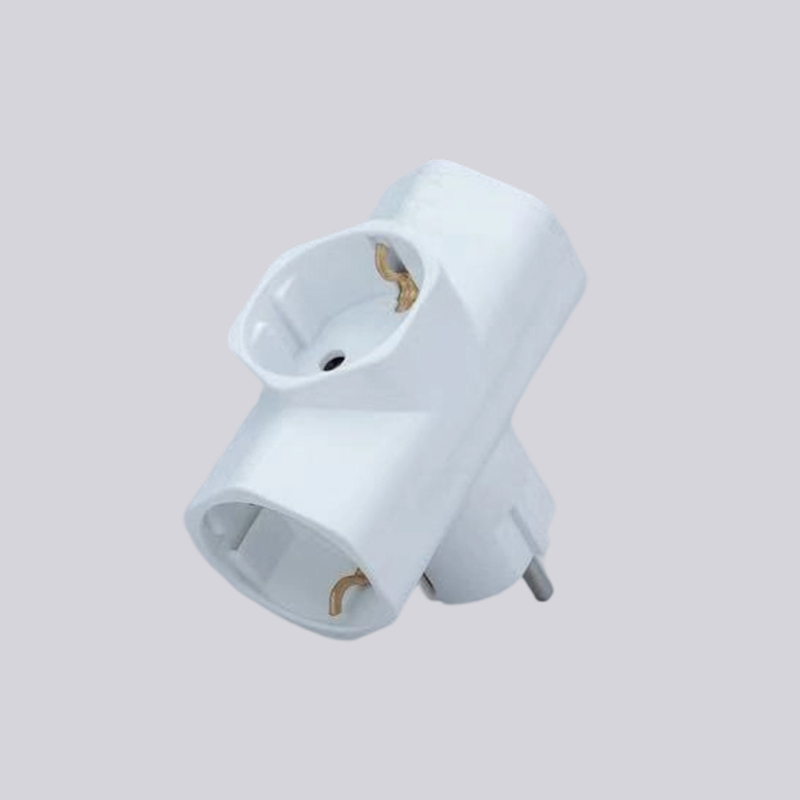
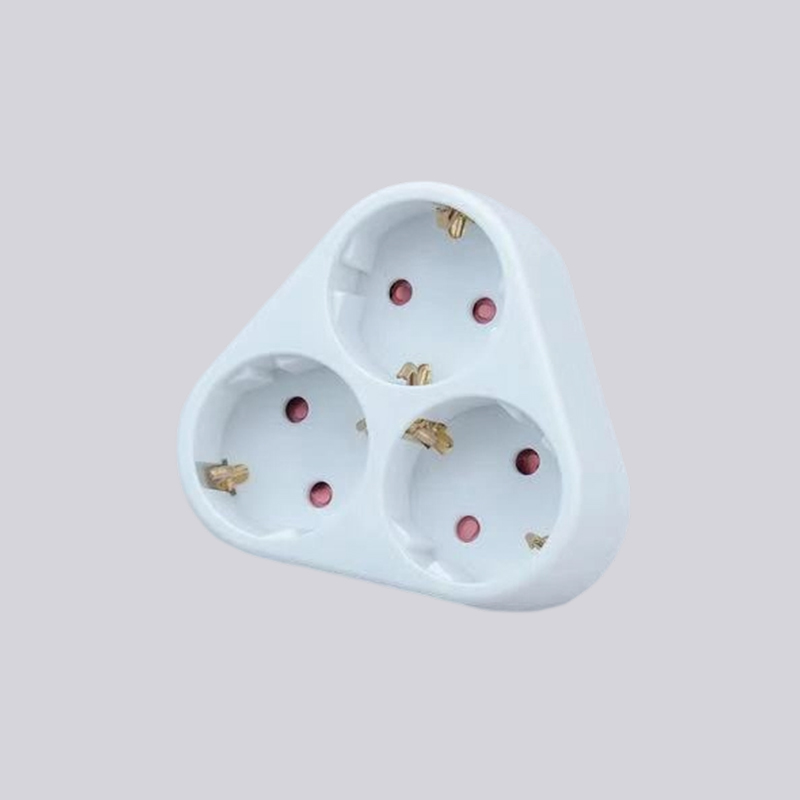
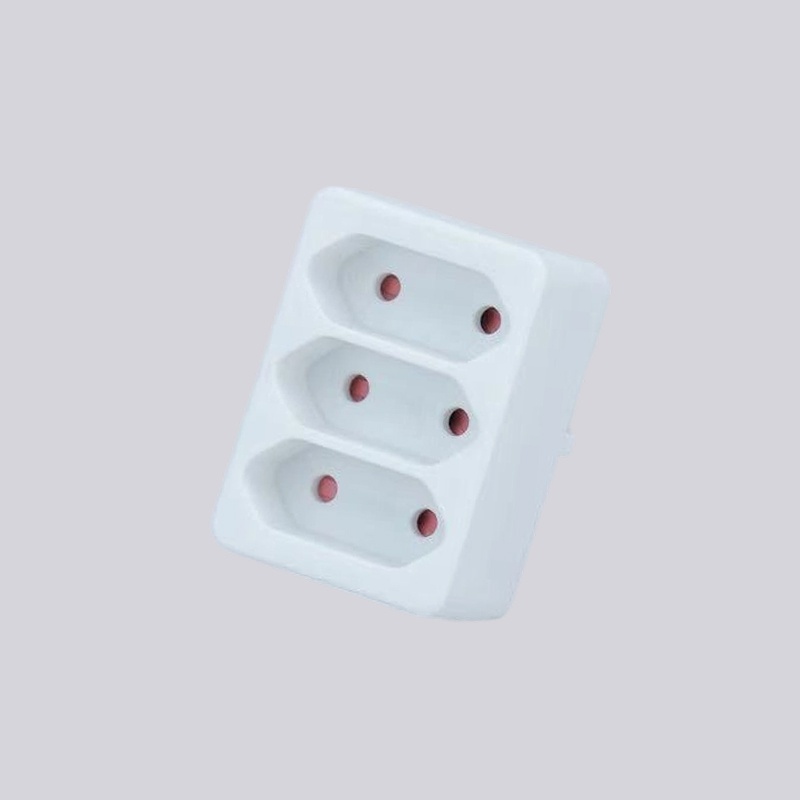
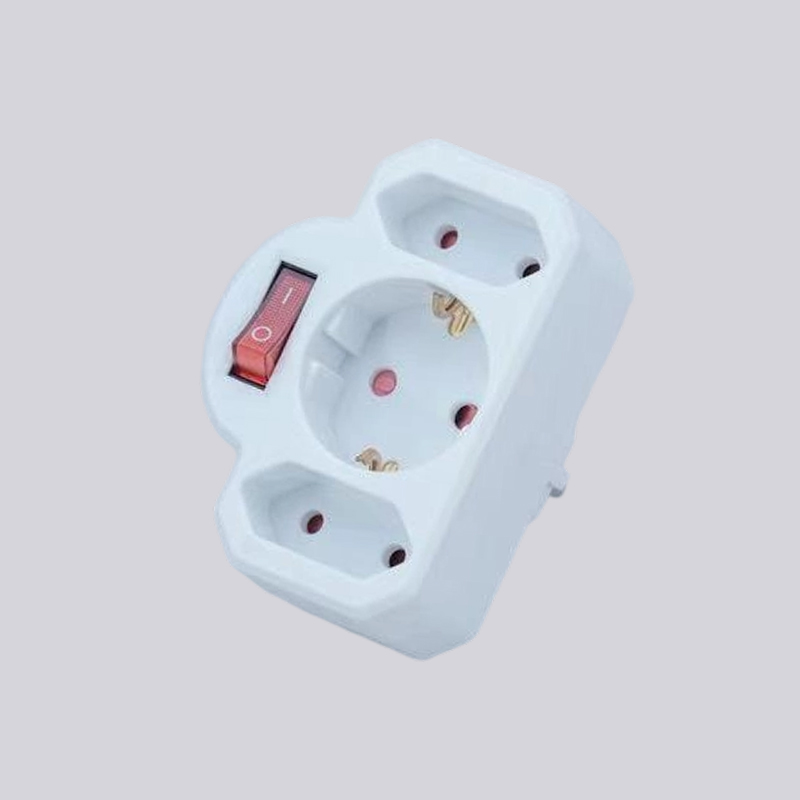
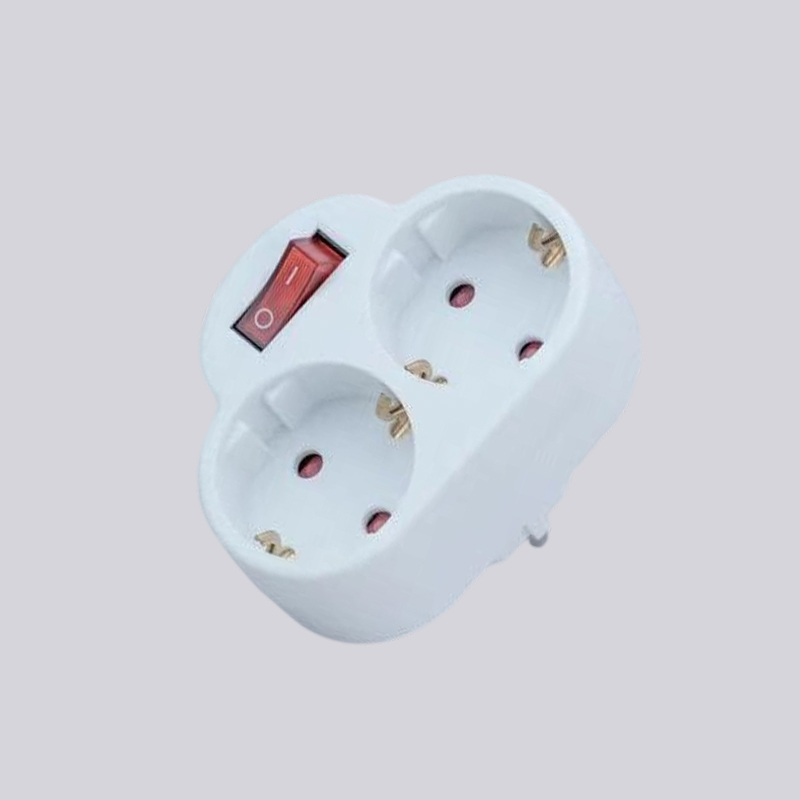
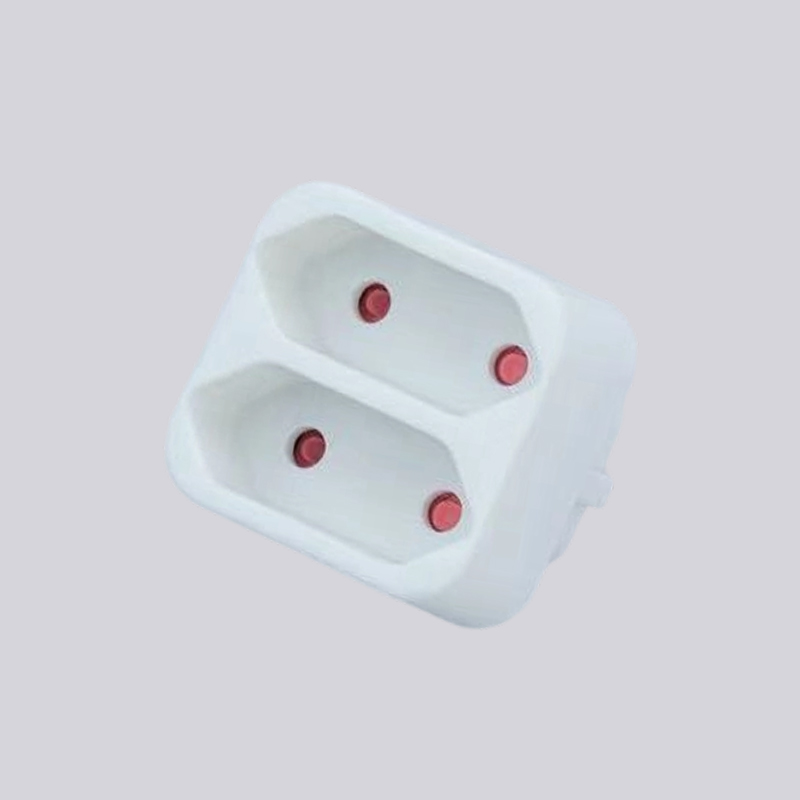
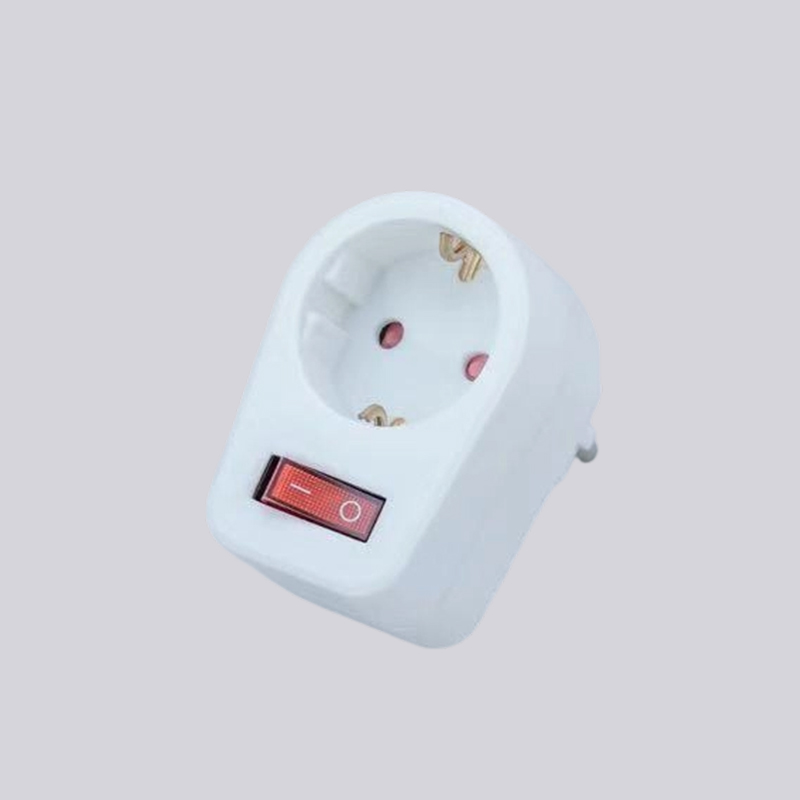
European extension cords are usually fitted with a variety of plug types, with the most common being the two-pronged (Type C) and the three-pronged (Type E/F) plugs. The Type E/F plug is designed for grounding, making it safer for higher-powered appliances. It's important to ensure that the extension cord’s plug type matches the socket type of the country you're in or the appliances you plan to use it with.
Safety Features of European Extension Cords
European extension cords come with various safety features, including overload protection, child-proof covers, and durable insulation. These features help prevent overheating, electric shocks, and other hazards. Some high-end models may even come with built-in circuit breakers or fuses that automatically cut off power if an overload occurs.
Comparison of European Extension Cords with Other Types
When comparing European extension cords to others, such as American or UK extension cords, several differences stand out. European cords typically have a higher voltage rating of 230V, while American extension cords are rated for 120V. Additionally, European cords usually have better insulation and safety features, making them more suitable for a wide range of high-power devices.
| Specification | European Extension Cord | American Extension Cord |
|---|---|---|
| Voltage Rating | 230V | 120V |
| Wire Gauge | 0.75mm² to 2.5mm² | 18 AWG to 14 AWG |
| Common Plug Type | Type C, Type E/F | Type A, Type B |
| Safety Features | Overload protection, child-proof covers | Fuses, overload protection |
Frequently Asked Questions (FAQ)
What is the maximum load for a European extension cord?
The maximum load typically depends on the wire gauge and the type of plug used. For instance, a cord with a 2.5mm² wire can carry up to 16A, while a 0.75mm² wire can typically carry up to 6A. Always check the manufacturer’s specifications to ensure you're using the cord within safe limits.
Are European extension cords compatible with all electrical devices?
European extension cords are generally compatible with most electrical devices that use standard European plugs. However, devices with higher power requirements (like electric heaters or industrial machines) may require specific extension cords with higher current capacity. Always check the wattage and voltage of your device before use.
Can I use a European extension cord outside?
Yes, there are specific European extension cords designed for outdoor use, often featuring weatherproof coatings and UV-resistant insulation. Be sure to select an outdoor-rated cord for external usage to prevent damage and ensure safety.
In conclusion, European extension cords are a safe and reliable choice for extending the reach of electrical devices across homes, offices, and workshops. Understanding their key specifications, including wire ratings, plug types, and safety features, will help you select the right cord for your needs. Be sure to follow all manufacturer guidelines to ensure safe and optimal use.
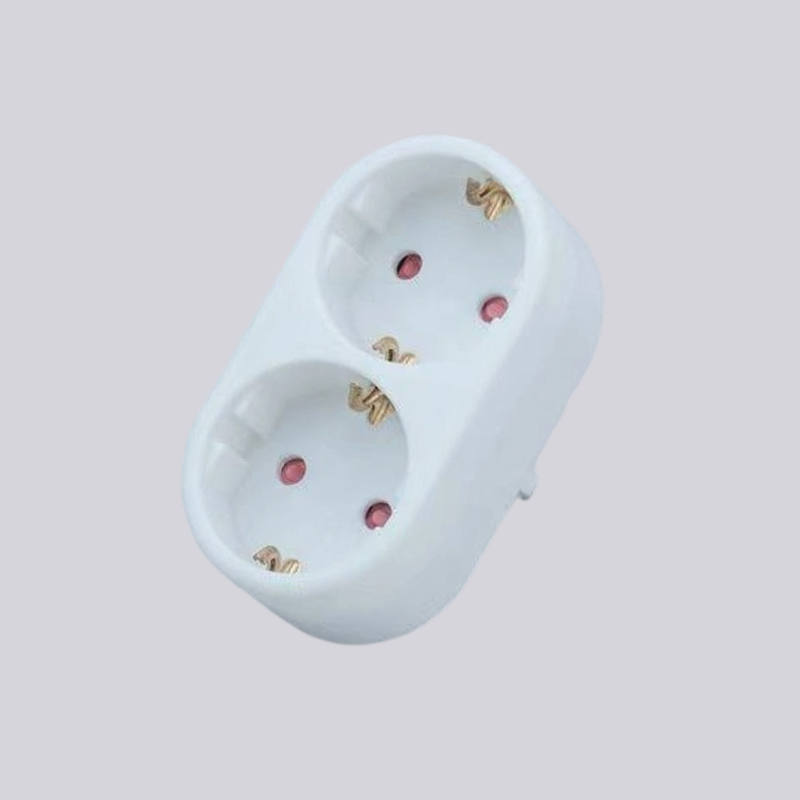
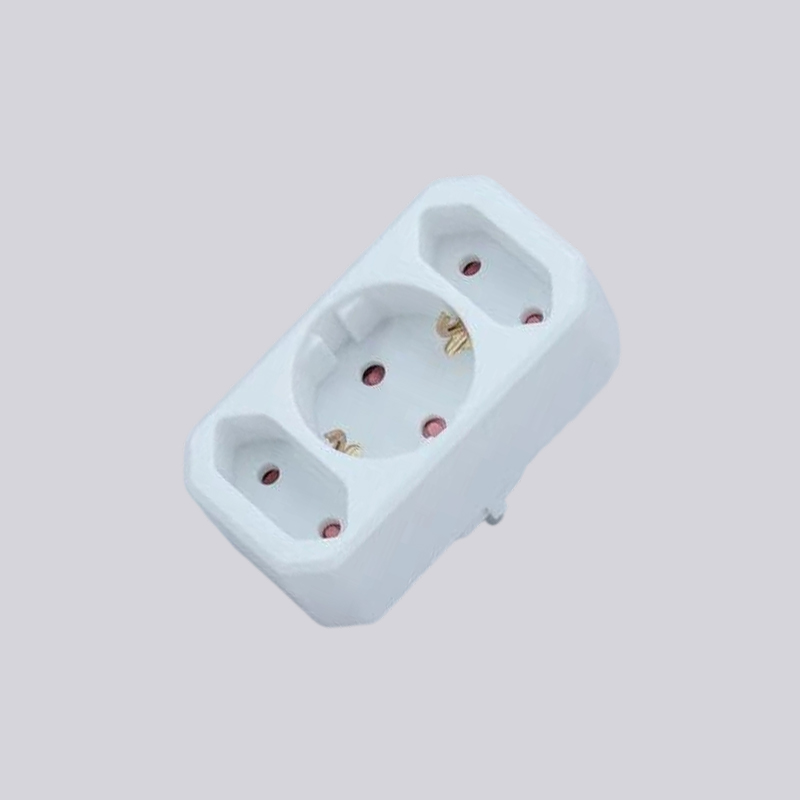

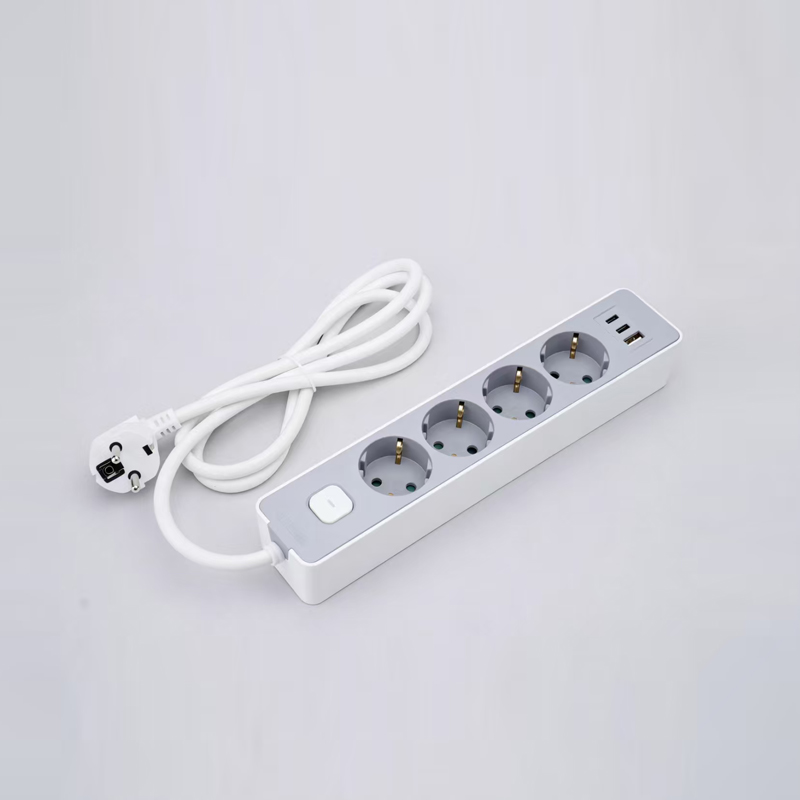

If you are interested in our products, please consult us
- CONTACT DETAILS
- Address : Guanhaiwei East Industrial Zone,Cixi, Ningbo,315314 Zhejiang, P.R.China.
- TEL: helen:+86-15867389889 Young:+86-15958216886 +86-0574-63666678
- Email:[email protected] [email protected]
- Fax:86-0574-63668558
- PRODUCTS
- Power Strip
- Extension Cord
- Cable Reel
- Adapter
- Plug
- QUICK LINK
- Company Profile
- company culture
- Plant equipment
- FAQ
- NEWS CENTER
- Company News
- Industry News
- MOBILE TERMINAL
-