English
  中文简体
中文简体 
What Adapters Work Best with a European Extension Cord?
 2026.04.02
 Industry News
The most effective adapters for a European extension cord are those specifically designed for Type C (Europlug), Type E, and Type F (Schuko) sockets. To ensure maximum safety and functionality, you should prioritize grounded universal adapters or region-specific converters that match the 230V frequency standard common across continental Europe. Whether you are a digital nomad or setting up a home office abroad, choosing the right interface for your European extension cord is the difference between seamless power delivery and a potential electrical hazard.
Content
- Understanding the Anatomy of a European Extension Cord
- Top Adapter Types for European Extension Cords
- Comparative Analysis: Adapter Performance Metrics
- Critical Safety Features to Look For
- The Importance of Voltage Compatibility
- Common Pitfalls When Using Adapters with Extension Cords
- Frequently Asked Questions (FAQ)
- Final Thoughts on Maximizing Utility
Understanding the Anatomy of a European Extension Cord
Before diving into specific adapters, it is crucial to understand the engineering of a European extension cord. Most continental European power systems operate on a nominal voltage of 230V and a frequency of 50Hz. A high-quality European extension cord typically features the "Schuko" design, an abbreviation for the German term *Schutzkontakt* (protective contact).
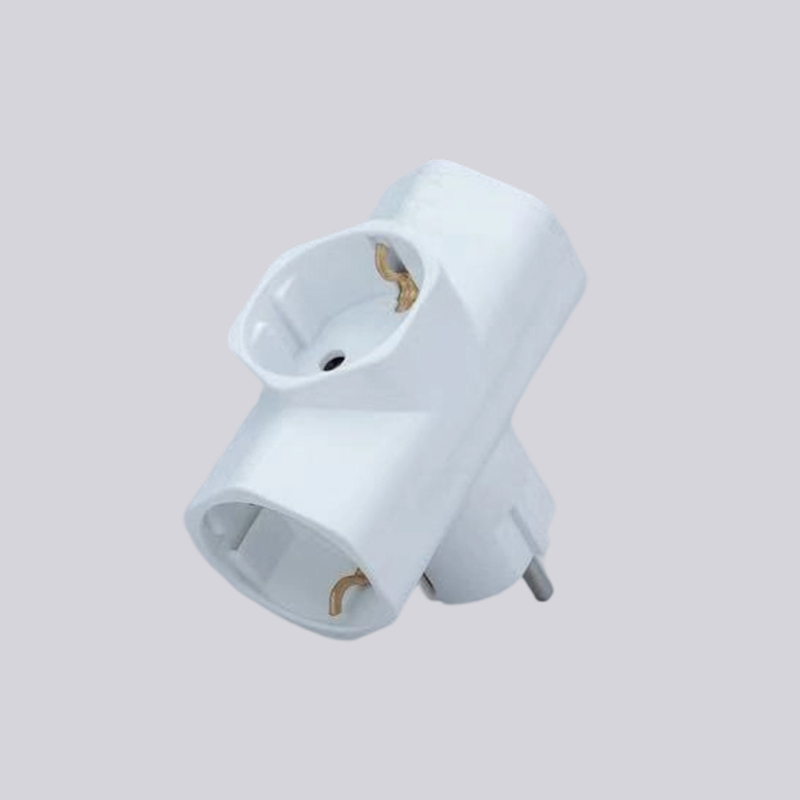
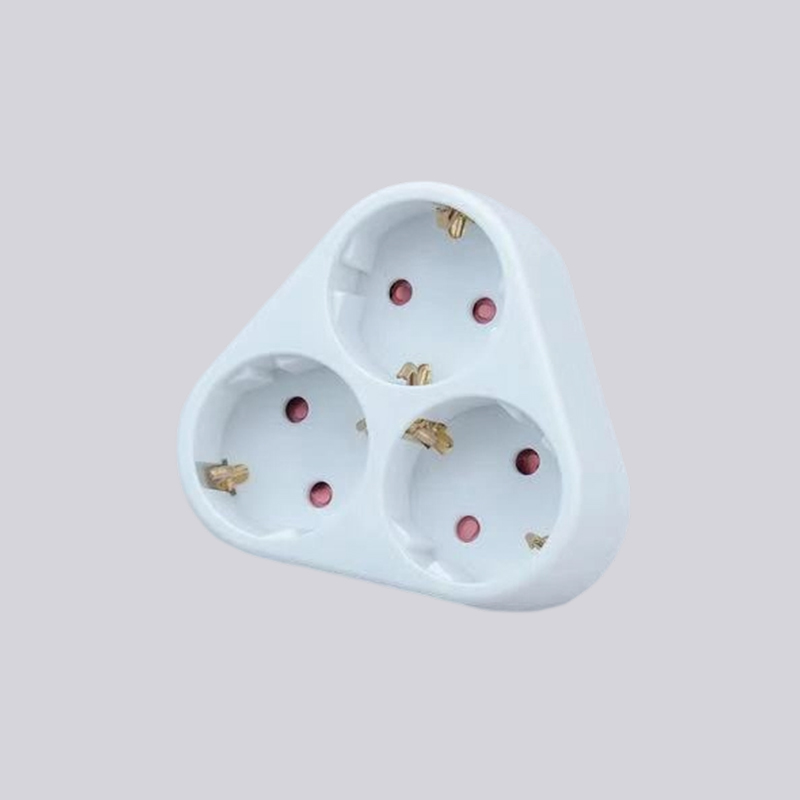
The Schuko system is characterized by its round recessed socket and two earthing clips on the sides. When searching for an adapter to pair with your European extension cord, the physical fit is just as important as the electrical capacity. A loose connection can lead to arcing, which generates heat and poses a fire risk.
Top Adapter Types for European Extension Cords
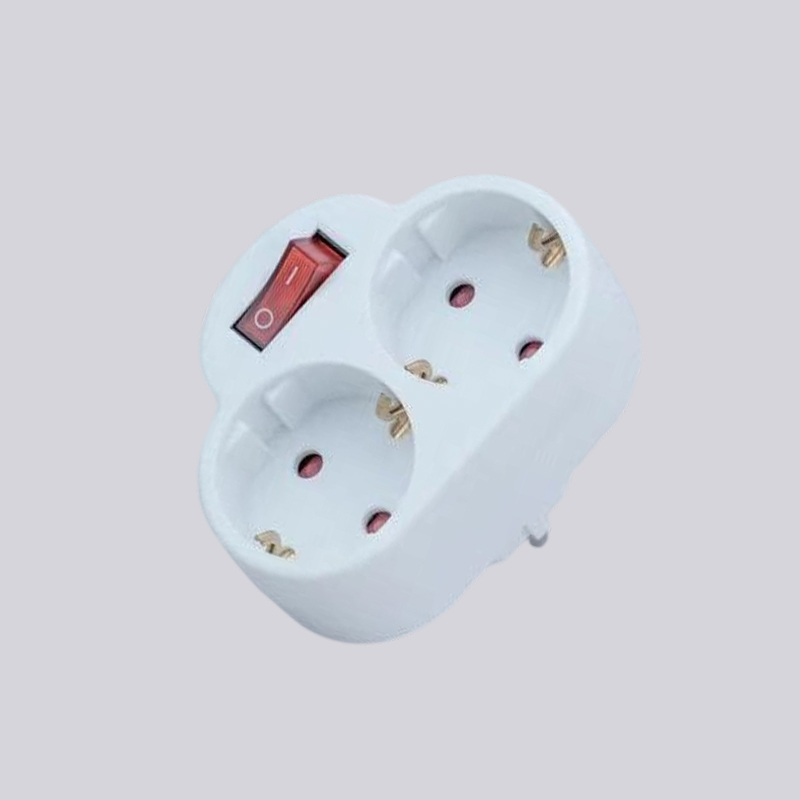
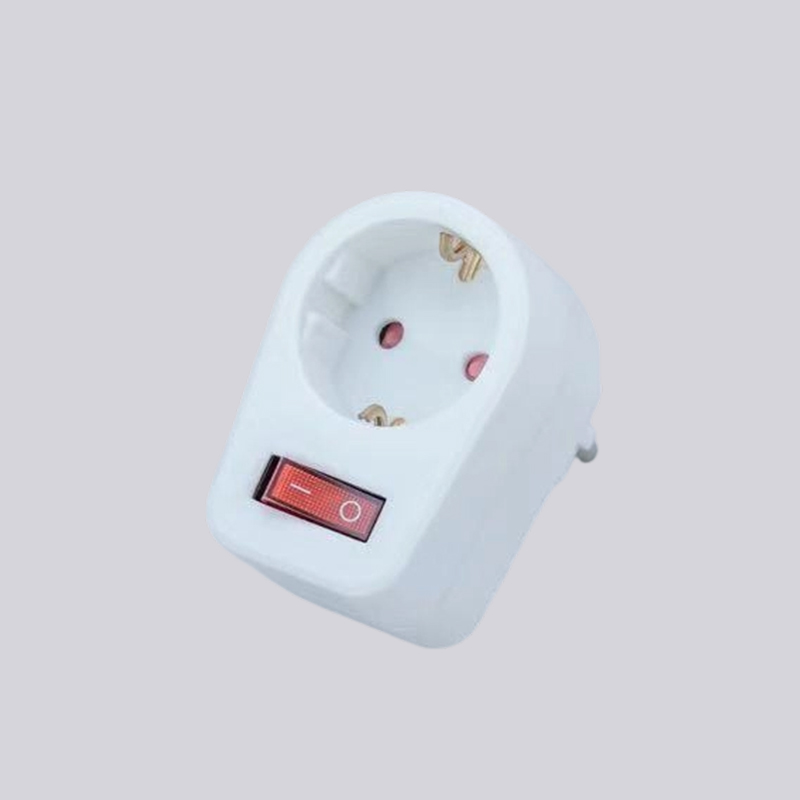
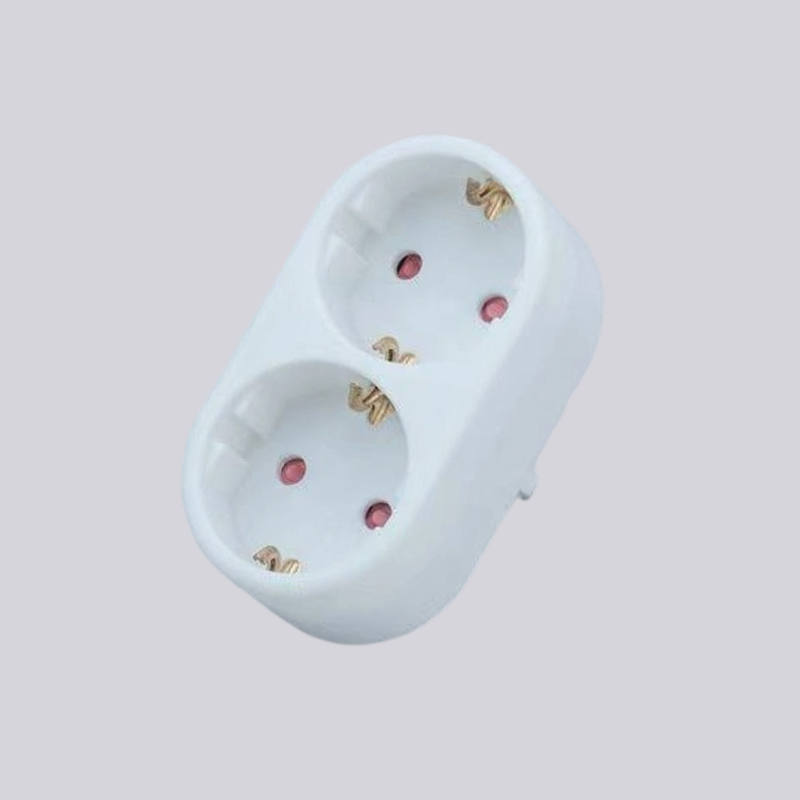
1. The Grounded Schuko Adapter (Type F)
This is arguably the most robust choice for any European extension cord. It features two 4.8mm round pins and side indentation for grounding clips. This adapter is essential for high-power devices like laptops, kitchen appliances, or desktop monitors that require a three-wire grounded connection.
2. The French-Style Adapter (Type E)
While very similar to the Schuko, the Type E system uses a male grounding pin protruding from the socket itself. Modern European extension cord units are often "CEE 7/7" compatible, meaning they have a hole to accept the French grounding pin while also having side strips for the Schuko system. A CEE 7/7 hybrid adapter is the most versatile option for traveling between Germany, France, and Belgium.
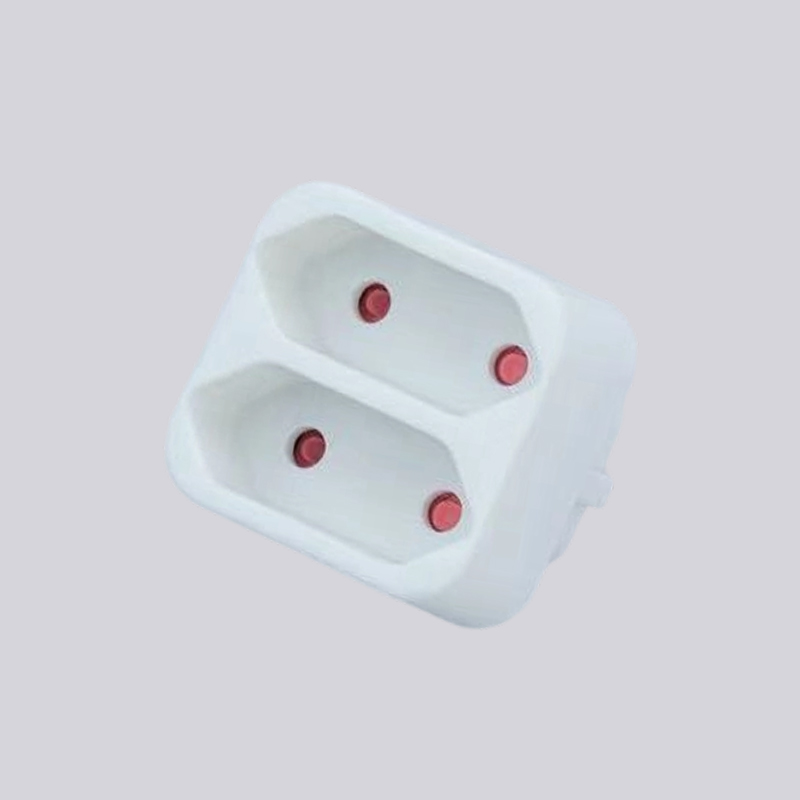
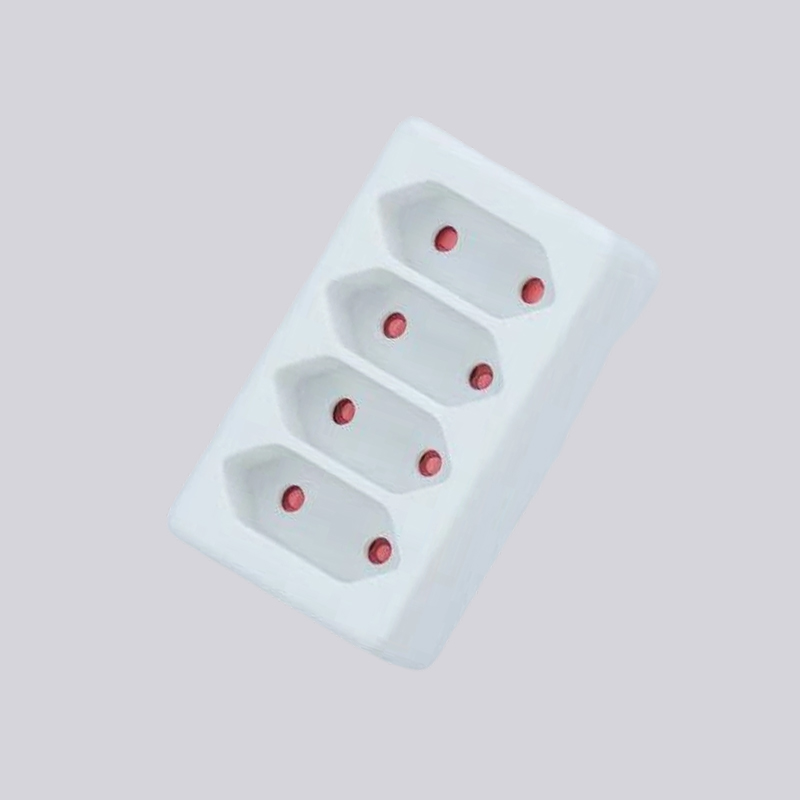
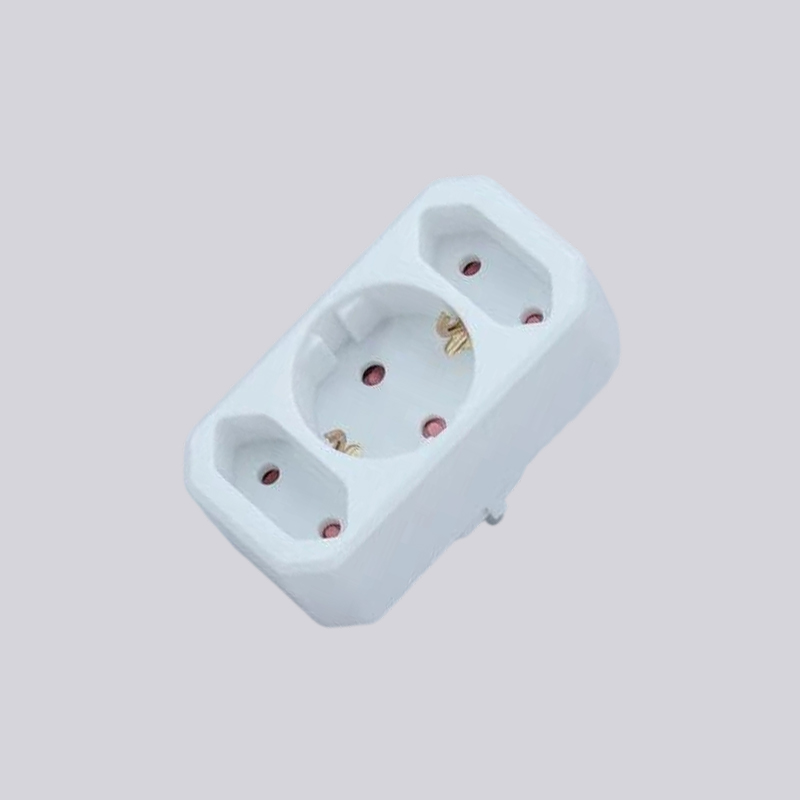
3. The Europlug Adapter (Type C)
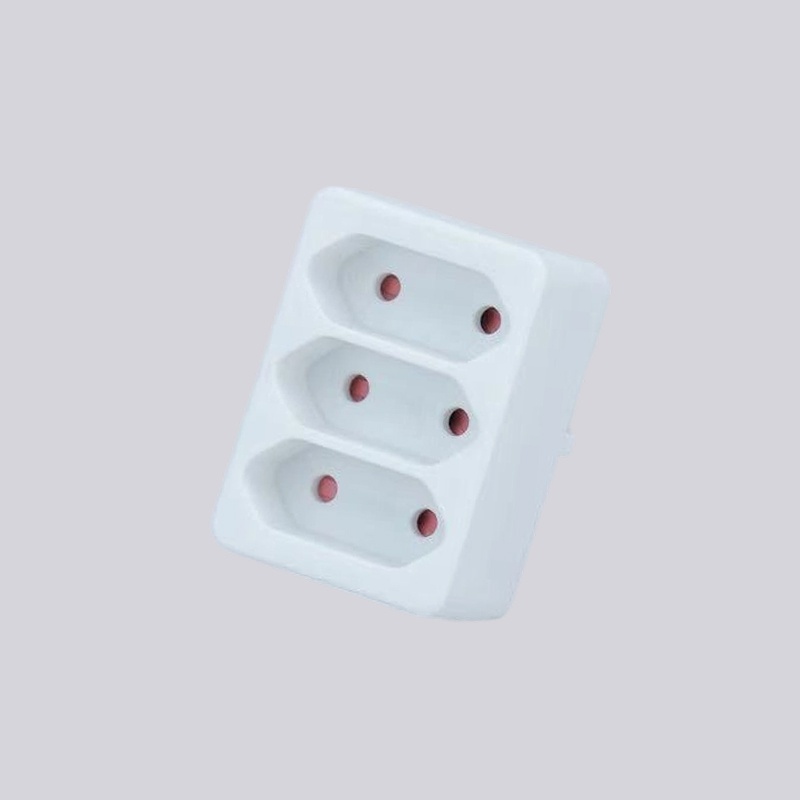
For low-voltage electronics like phone chargers or electric toothbrushes, a Type C adapter works perfectly with a European extension cord. These are ungrounded and feature thinner pins. While they fit easily into most European sockets, they should never be used for appliances that require a ground connection.
Comparative Analysis: Adapter Performance Metrics
To help you decide which interface suits your European extension cord best, we have compiled a comparison of the most common adapter configurations used globally.
| Adapter Type | Grounding Support | Max Amperage | Best Use Case |
| Type F (Schuko) | Yes (Side Clips) | 16A | Heavy-duty machinery, PCs |
| Type E (French) | Yes (Center Hole) | 16A | General household use in FR/BE |
| Type C (Europlug) | No | 2.5A | Mobile chargers, lamps |
| Universal Adapter | Varies | 10A - 13A | International travel, light loads |
Critical Safety Features to Look For
When purchasing an adapter for your European extension cord, do not be tempted by the cheapest options. High-voltage environments require specific safety certifications.
- Child-Proof Shutters: Many European extension cord models come with built-in shutters. Ensure your adapter does not bypass these safety mechanisms.
- Surge Protection: If you are using a European extension cord for expensive gaming rigs or medical equipment, look for an adapter with built-in MOV (Metal Oxide Varistor) technology.
- Flame-Retardant Material: Ensure the adapter casing is made of high-quality polycarbonate that can withstand high temperatures without melting.
- Pin Diameter: Standard European pins are 4.8mm. Some inferior adapters use 4.0mm pins which may cause a loose fit in a high-quality European extension cord.
The Importance of Voltage Compatibility
It is a common misconception that an adapter also converts voltage. If you are plugging a 110V American device into a European extension cord via an adapter, the device will likely blow a fuse or catch fire unless it is "Dual Voltage" (110V-240V). Always check the input label on your electronic device before connecting it to a European extension cord.
For devices that are not dual-voltage, you will need a step-down transformer in addition to your adapter and European extension cord. This is particularly relevant for hair dryers, older kitchen appliances, and certain power tools.
Common Pitfalls When Using Adapters with Extension Cords
Daisy-chaining (plugging one extension cord into another) is a major safety hazard. When you add an adapter into the mix with a European extension cord, the resistance increases.
- Overloading: Most European extension cord units are rated for 3500 Watts. Ensure the total wattage of all devices plugged into the adapter does not exceed this limit.
- Outdoor Use: Unless your adapter and European extension cord are rated IP44 or higher, keep them away from moisture. Standard Schuko connections are not waterproof.
- Loose Grounding: Cheap universal adapters often fail to connect with the side earthing clips of a European extension cord, leaving your device ungrounded.
Frequently Asked Questions (FAQ)
Q: Can I use a UK plug with a European extension cord?
A: Yes, but you must use a specific Type G to Type F adapter. Since UK plugs are fused and European ones are not, ensure the adapter is of high quality to handle the transition safely.
Q: Is it safe to use a multi-way adapter on a European extension cord?
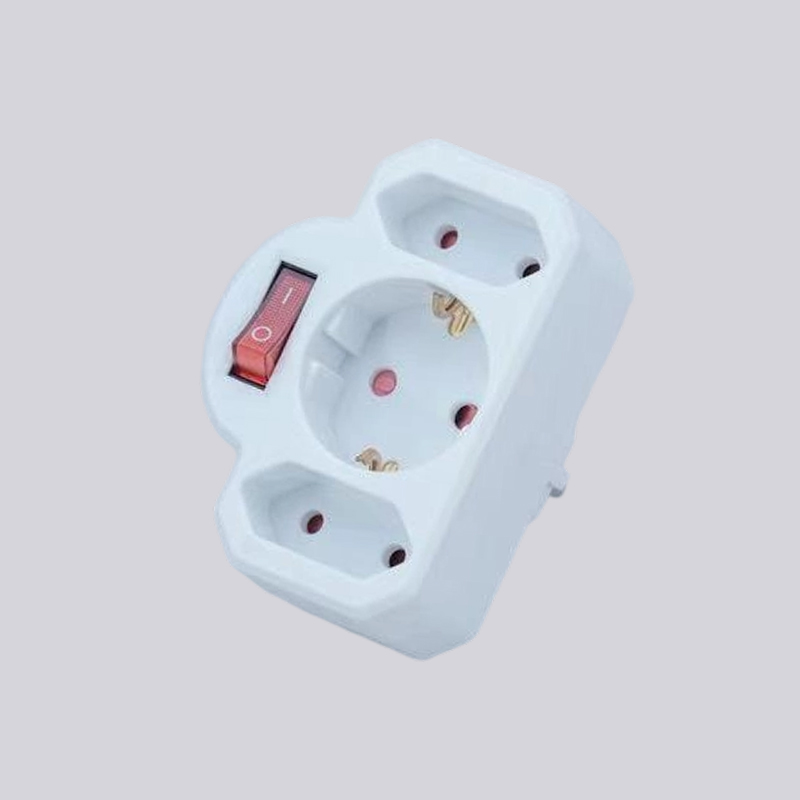
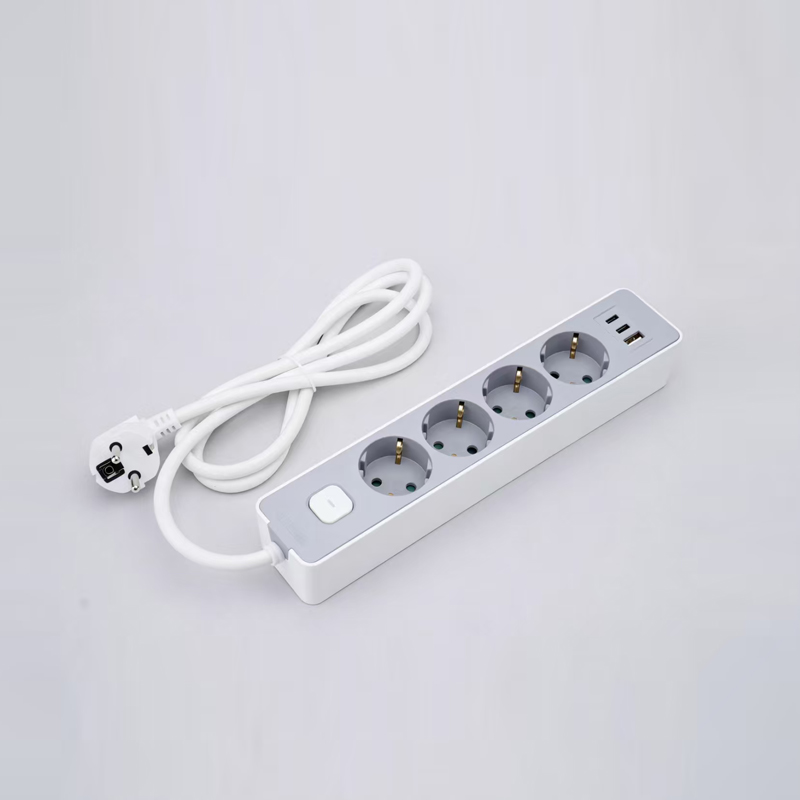
A: It is generally safer to buy a European extension cord with more outlets rather than using a multi-way adapter, as adapters can create physical strain on the socket and lead to overheating.
Q: Do I need a different adapter for Italy or Switzerland?
A: Yes. While many parts of Italy use the standard Schuko found on a European extension cord, some older buildings use Type L. Switzerland uses Type J. Always check the specific country's socket standard.
Q: Why does my adapter feel hot when plugged into the European extension cord?
A: This usually indicates a poor connection or that the device is drawing more current than the adapter can handle. Unplug it immediately to prevent melting or fire.
Final Thoughts on Maximizing Utility
Investing in a high-quality European extension cord is a wise move for anyone living in or visiting the EU. However, the cord is only as good as the adapter you use with it. To ensure a lifetime of safe use, always match the grounding requirements of your device to the adapter type, and never exceed the rated wattage of your European extension cord.
By choosing a Grounded Type F Schuko adapter for heavy electronics and a simple Type C Europlug for mobile devices, you create a versatile power ecosystem that is both efficient and secure.


If you are interested in our products, please consult us
- CONTACT DETAILS
- Address : Guanhaiwei East Industrial Zone,Cixi, Ningbo,315314 Zhejiang, P.R.China.
- TEL: helen:+86-15867389889 Young:+86-15958216886 +86-0574-63666678
- Email:[email protected] [email protected]
- Fax:86-0574-63668558
- PRODUCTS
- Power Strip
- Extension Cord
- Cable Reel
- Adapter
- Plug
- QUICK LINK
- Company Profile
- company culture
- Plant equipment
- FAQ
- NEWS CENTER
- Company News
- Industry News
- MOBILE TERMINAL
-